REVIEW · OSLO
The Essential Oslo Private Walking Tour
Book on Viator →Operated by Nordiva Tours AS · Bookable on Viator
Oslo in three hours, neatly organized. I love the private pace and the guide’s practical pointers (including where to find top fish soup), and I also liked how the route links big political sights with the fjord views you remember. One possible drawback: if you book in winter, plan for real cold, and keep your phone charged for pickup day.
This is a 3-hour private walking tour for up to eight people, usually booked about two months ahead. You get a mobile ticket, and you can arrange pickup from your hotel lobby; if you’re not providing a hotel name, you’ll meet at Oslo Central Station. In practice, the best moments come when your guide answers your questions as you go—guides like Tatiana, Olav, and Minji are known for doing that.
By the end, you finish in the Aker Brygge area, with plenty of options for a late lunch or an easy follow-up stroll. Even though you’ll be walking, the stops are set to break up time well, including photo windows around the Royal Palace and longer time at Akershus Fortress.
In This Review
- Key things to know before you go
- Why this Essential Oslo walk is a smart first-day plan
- Price per group: what you’re really paying for
- Meeting points and the hotel pickup reality check
- Oslo City Hall and the Nobel Peace Prize connection
- Nationaltheatret: culture in the oldest theater setting
- The Royal Palace: where to stand for the picture and the meaning
- University of Oslo Faculty of Law: neoclassical campus views
- Norwegian Parliament and Kvadraturen: from power to medieval streets
- Akershus Castle and Fortress: the fjord view payoff
- Aker Brygge and Tjuvholmen: ending in a waterfront you can actually use
- What the guides do well: pace, humor, and real explanations
- Comfort tips: shoes, weather, and how much you’ll walk
- Should you book this private Oslo walk?
- FAQ
- FAQ
- How long is the Essential Oslo Private Walking Tour?
- How big is the group?
- Is there hotel pickup?
- Where does the tour start and end?
- What language is the tour offered in?
- Do I need to bring anything for the ticket?
- Are there admission fees for the listed stops?
- Is this tour suitable for most people?
- When should I cancel for a full refund?
- What happens if I cancel within 24 hours?
- Can cruise passengers join?
Key things to know before you go
- Private group, up to 8: you get a calmer experience than big bus groups, and your guide can slow down for your pace.
- Free-entry stops on the route: the listed sights have free admission for this tour’s visit points, so you’re not scrambling for tickets mid-walk.
- Hotel-lobby pickup is the default: share your hotel name; if you don’t, plan to meet at Oslo Central Station instead.
- The route is built for orientation: you’ll hit Nobel Peace Prize territory, royal architecture, Parliament, medieval Kvadraturen, and the fortress above the Oslo Fjord.
- Finish at Aker Brygge: you land near shops, bars, and restaurants in the waterfront zone for a natural next step.
Why this Essential Oslo walk is a smart first-day plan
If Oslo is new to you, this kind of walking tour does one big job fast: it gives you a map in your head. You move from the political core to the palace area, then onward to Akershus Fortress and the waterfront—so you quickly understand how the city is laid out and why people love it.
I like that it’s structured like a guided stroll, not a hard-driving sightseeing checklist. The schedule is paced to fit normal walking speed, with short stops for the key “photo and story” moments, and longer time where views and walls matter.
Also, this tour is designed to be useful after the tour ends. You get suggestions for what to eat and where to browse for souvenirs, which is exactly what helps when you only have a limited number of hours to plan.
You can also read our reviews of more walking tours in Oslo



Price per group: what you’re really paying for
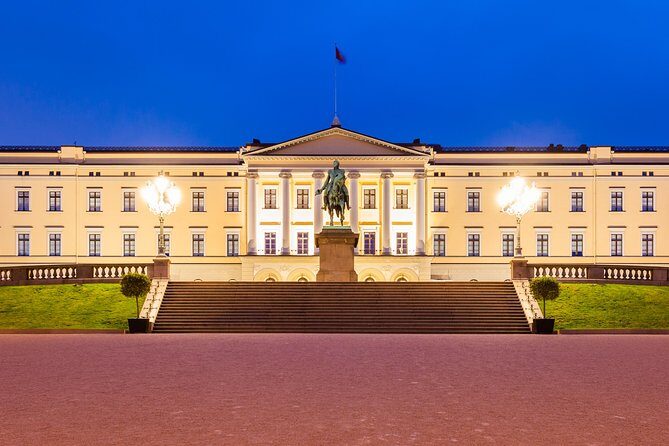
At $376.56 per group (up to 8), you’re not paying per person like a typical bus tour. You’re paying for time with a guide that can respond to your group and your questions, and for a route that’s set up to work even on a tight day.
To judge value, think in terms of flexibility. If you’re traveling as a couple, a small family, or friends, the private format can be a better deal than buying multiple separate tickets for different segments of “must-see” Oslo.
Two details help the math: the walking route focuses on major landmarks (City Hall, Nationaltheatret, the Royal Palace, Parliament, Akershus Fortress) and the visit points listed are free of admission charges for the tour. That keeps the experience from turning into an extra-cost day.
Meeting points and the hotel pickup reality check
The tour starts at Jernbanetorget Oslo and ends at Aker Brygge. That ending location is a practical win: it puts you near the waterfront activity zone for an easy lunch, a coffee stop, or a longer self-guided wander.
Pickup is available from your hotel lobby—just make sure the hotel name you provide is accurate. If you’re not supplying a hotel name, expect to meet at Oslo Central Station instead. One small but important note: pickup can’t be arranged from private Airbnb accommodations, so you may need to plan an alternate meeting spot if that’s your situation.
On tour morning, keep your mobile phone switched on and reachable during the pickup window. I’d treat this as non-negotiable, because one missed pickup day can turn a good tour into an annoying start.
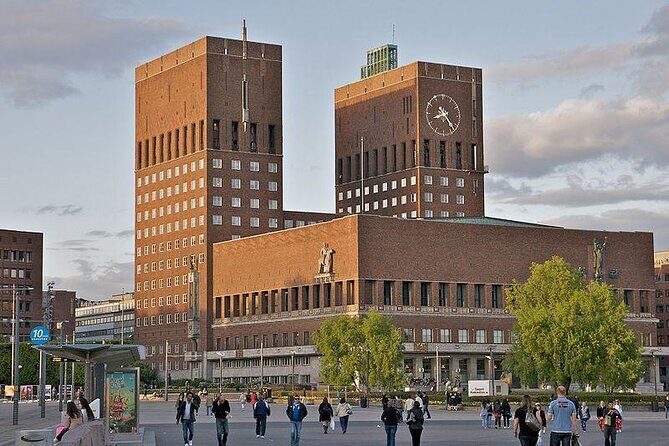
Oslo City Hall and the Nobel Peace Prize connection
Your first stop is Oslo City Hall, where the Nobel Peace Prize is tied to the building’s identity. Even if you don’t plan a museum visit, the area makes sense fast. You get a feel for the city’s seriousness about international matters—then you can compare it to the more playful side of Oslo you’ll see later.
This is a relatively short stop, so expect a focused “here’s what you’re looking at and why it matters” moment. If you like getting the quick context before you move on, this opening works well.
Nationaltheatret: culture in the oldest theater setting
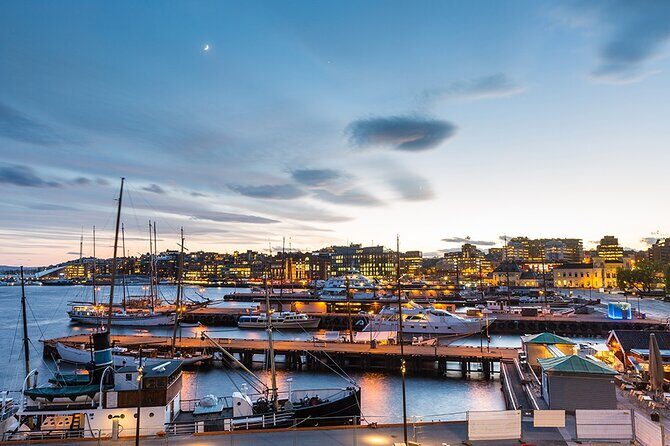
Next up is Nationaltheatret, described as the oldest arena for stage artists and large productions. This stop helps you understand Oslo as a city that takes culture seriously, not just politics and money.
You’ll likely get pointing and context rather than a long linger. That’s good if you want the day to stay efficient and still feel personal.
If your group likes arts and big public events, ask your guide how this building’s role has changed over time, or how locals experience theater here.
You can also read our reviews of more private tours in Oslo




The Royal Palace: where to stand for the picture and the meaning
At the Royal Palace, the big value isn’t only the building itself—it’s how the guide helps you interpret what you’re seeing. You’ll get a clear, photo-friendly view, plus context for why the palace is one of Norway’s most important buildings.
This stop is longer than the first two, so it’s a good point to slow down. If you want to take a handful of pictures without feeling rushed, plan to do it here.
A practical tip: take your time with angles. Palace architecture reads differently depending on where you stand, and good placement makes the pictures look better than you expect.
University of Oslo Faculty of Law: neoclassical campus views
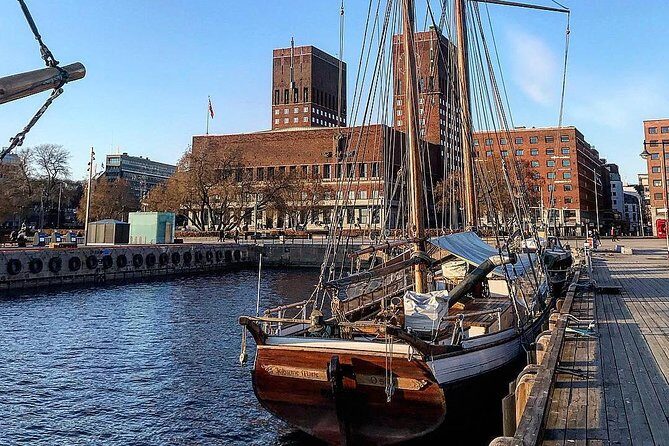
You then stop at the University of Oslo Faculty of Law and its neoclassical campus. This is one of those “small but meaningful” parts of the route. You get a break from the purely political landmarks and see how formal education shapes the look of central Oslo.
It’s a shorter stop, so don’t expect a full campus tour. Instead, think of it as architecture recognition: the shapes, the style, and the way the city carries its institutions.
If you like photo stops with context, this one tends to satisfy because the guide usually explains what makes the campus style stand out.
Norwegian Parliament and Kvadraturen: from power to medieval streets
The tour then moves to the Norwegian Parliament, a political landmark that also functions as a tourist magnet. Here, the guide’s job is to explain the building as more than a big facade—what it represents and how it fits into Norway’s public life.
After that, you head into Kvadraturen, a neighborhood whose history reaches back to the Middle Ages when it was a market square. This stop is where the city starts to feel older in a practical way. You’re not just looking at old stone; you’re walking through a street grid that helps explain how the city developed.
If you enjoy walking and learning at the same time, this section is often where the tour clicks. It ties together governance and everyday life.
Akershus Castle and Fortress: the fjord view payoff
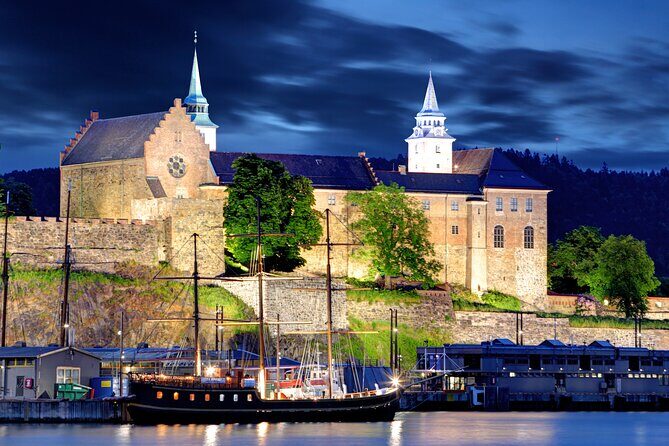
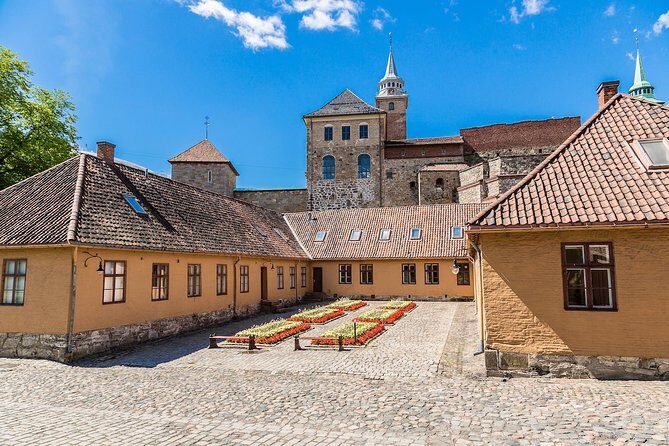
Akershus Castle and Fortress is the major “wow” stop of the day. It’s described as the symbol of Oslo, and more importantly, it’s positioned so you can look out toward the Oslo Fjord.
This part gets the most time besides the waterfront finish. That extra half hour matters, because you can’t rush a fortress perspective without missing the best views.
If you want the single best photo moment of the walk, plan to use Akershus. Stand where the guide suggests, look outward toward the fjord, then look back at the fortress structures. That back-and-forth helps the history make sense.
Aker Brygge and Tjuvholmen: ending in a waterfront you can actually use
The tour concludes with about an hour at Aker Brygge and the neighboring Tjuvholmen area. This is a revitalized waterfront zone with shops and restaurants, and it’s a perfect finishing move. Instead of dropping you somewhere remote, you end where you can keep the day going immediately.
This is also where the tour’s food and souvenir tips are most useful. You’re already in the right zone to act on them—grab something warm to drink, browse for small gifts, or choose a restaurant without wasting time figuring out where to go.
If you’re traveling on a limited schedule, the ending works for both kinds of travelers: the ones who want a direct plan for lunch, and the ones who like wandering without committing too early.
What the guides do well: pace, humor, and real explanations
The guide’s style shows up quickly in how the group moves. In different tours, I’ve seen guides like Tatiana keep a relaxed tempo so everyone feels comfortable, and I’ve heard that guides such as Olav can mix facts with humor in a way that makes you want to ask follow-up questions.
Minji is another example from past experiences: the pace stays easy, and there’s usually room for rest or a snack break. Angela is mentioned for making the tour fun while still packing in strong building and site context.
You’ll also want to pay attention to language comfort. Many guides are noted for excellent English, including Emilie/Emily and Olav. If you’re the type who likes to understand every detail, a good language fit matters.
One more point: customization. Some groups report that the tour could be tailored, which is a big plus if you care more about history, politics, food, or simply getting your bearings quickly.
Comfort tips: shoes, weather, and how much you’ll walk
This is a walking tour in central Oslo. Even with the scheduled stops, you should expect a solid walking session, and some people have reported around five miles of total walking.
Bring comfortable shoes. Bring water, especially in warm weather. If you’re going in winter, dress for cold like you mean it—one person explicitly called out that winter readiness matters.
If rain threatens, consider a light rain layer. The stops include outdoor areas and fortress views, and you’ll want to stay comfortable enough to enjoy the time outside.
Should you book this private Oslo walk?
Book it if you want a first-day orientation that hits the city’s biggest landmarks without turning your day into a sprint. The route is built for understanding Oslo quickly: City Hall, Nationaltheatret, the Royal Palace, Parliament, Kvadraturen, Akershus Fortress, and then Aker Brygge so you can keep going right after.
I’d also book if you like asking questions. The tour format works best when your guide can explain as you walk, and many guides are praised for balancing humor, culture, and practical tips like where to find fish soup.
Skip or think twice if your ideal tour is mostly hands-on interaction or very high-energy storytelling. A small number of experiences point to moments that felt too quiet or too light on engagement, and one outlier involved a guide not arriving as expected—so treat pickup day seriously.
If you’re traveling in cold weather, you’ll still enjoy it—just plan properly and give yourself extra comfort time before you start walking.
FAQ
FAQ
How long is the Essential Oslo Private Walking Tour?
It’s about 3 hours long.
How big is the group?
It’s a private tour for your group only, up to 8 people.
Is there hotel pickup?
Yes, pickup is offered directly from your hotel lobby. If a hotel name isn’t provided, you’ll meet at Oslo Central Station. Private Airbnb accommodations can’t be used for pickup.
Where does the tour start and end?
It starts at Jernbanetorget Oslo, Norway, and ends at Aker Brygge, Oslo, Norway.
What language is the tour offered in?
The tour is offered in English.
Do I need to bring anything for the ticket?
You’ll use a mobile ticket.
Are there admission fees for the listed stops?
For the stops included on the tour, admission tickets are marked as free.
Is this tour suitable for most people?
The information provided says most travelers can participate.
When should I cancel for a full refund?
A full refund is available if you cancel at least 24 hours in advance of the experience start time.
What happens if I cancel within 24 hours?
If you cancel less than 24 hours before the experience start time, the amount you paid will not be refunded.
Can cruise passengers join?
Yes. If you’re a cruise passenger, you’ll need to provide your ship’s name at booking.