REVIEW · SVOLVAER
Lofoten: Food Tour and cinnamon bun masterclass
Book on GetYourGuide →Operated by Lofoten Insight · Bookable on GetYourGuide
Cinnamon buns meet cod stories in Lofoten. This Lofoten food tour pairs hands-on baking in Henningsvær with a visit to a traditional rorbu, so you taste the Arctic and understand how local fishing shaped the food. What I love most is the practical cinnamon bun masterclass and how seriously the guide treats context: cod fishing heritage, stockfish production, and the everyday logic of an Arctic diet.
The other big win is the tasting session back at Svinøya, where you sample local cured meats, cheeses, and smoked fish in a way that actually helps you notice differences in flavor and technique. One possible drawback: it’s not suitable for people with mobility impairments or wheelchair users, and the tour runs in almost all weather, so you’ll want warm layers and comfortable shoes.
In This Review
- Key things to know before you go
- Cinnamon bun-making in Henningsvær: why this start matters
- A small timing reality
- The van ride between Svinøya and Henningsvær: quick, scenic, practical
- Inside a rorbu: how cod, stockfish, and Arctic eating connect
- Why the context helps your tasting
- The tasting session at Svinøya: cured meats, cheeses, and smoked fish
- A likely extra benefit: memorable guidance
- Price and value: what $167 buys you (and what it doesn’t)
- Who the price fits best
- What to bring, and how to dress for Arctic-weather reality
- Group size and guide style: small, friendly, and information-heavy
- Mobility note (important)
- Who should book this Lofoten food tour
- Should you book the Lofoten Food Tour and cinnamon bun masterclass?
- FAQ
- How long is the Lofoten Food Tour and cinnamon bun masterclass?
- How much does it cost?
- What’s included in the tour price?
- Is transportation included?
- Where do I meet the guide?
- Is the tour group large?
- What language is the tour guide?
- What should I bring, and are there rules?
- Is the tour refundable if my plans change?
Key things to know before you go
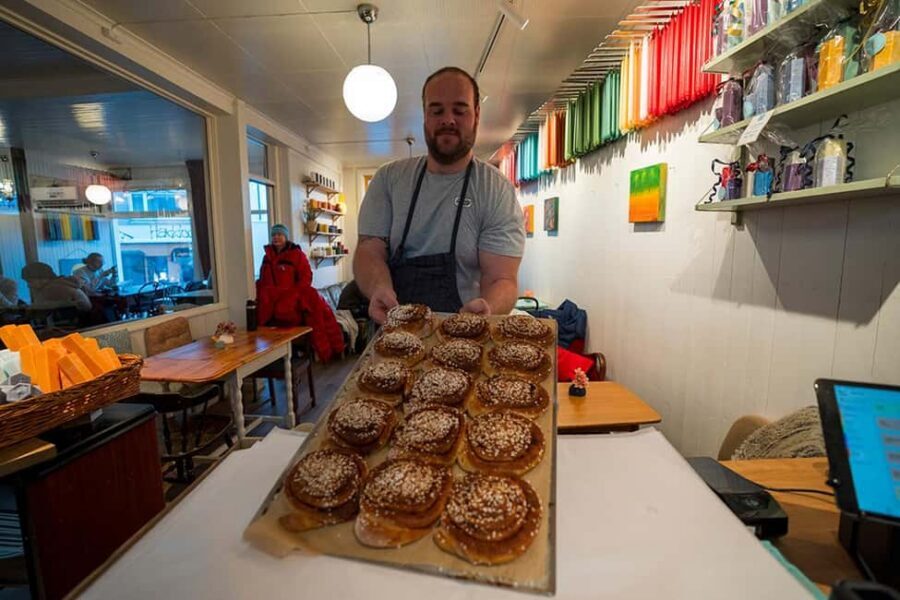
- Hands-on cinnamon buns in Henningsvær, baked fresh with coffee
- Traditional rorbu visit to connect cod fishing and stockfish to local eating
- Seasonal tasting menu focused on Lofoten products like smoked fish, cheeses, and cured meats
- Small group (max 8), which keeps the guide’s explanations personal
- English live guide (Dave is one guide name you may meet)
- Winter-ready logistics with short van rides between stops
Cinnamon bun-making in Henningsvær: why this start matters
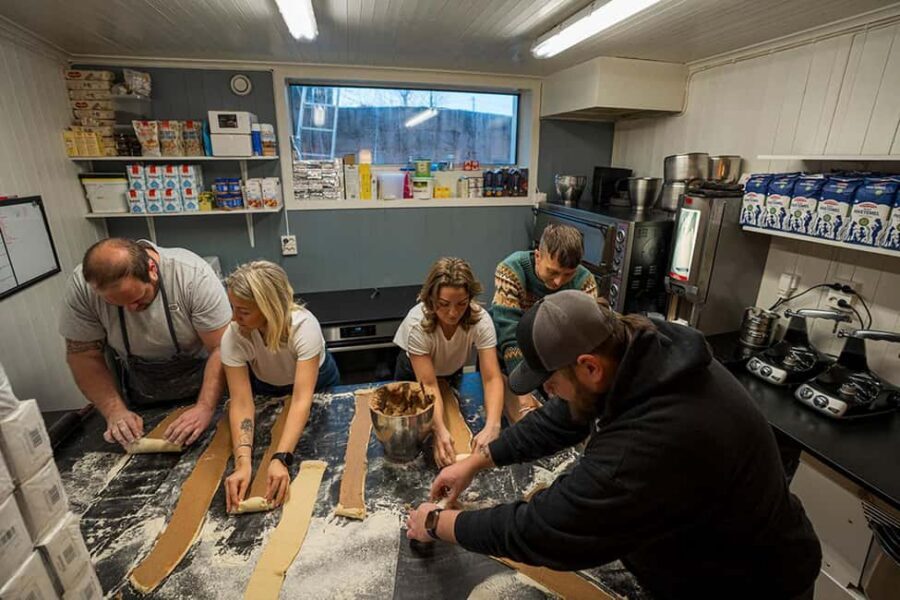
If you’re doing Lofoten for food, starting with cinnamon buns makes a lot of sense. It’s warm, hands-on, and fun even if your baking skills are basic. The workshop is set in Henningsvær, a fishing village known for its classic harbor feel, and you spend about 2.5 hours with a local baker.
You’ll roll out dough, spread the spices, and shape the buns. Then you get to enjoy the result right away—fresh out of the oven—paired with a cup of coffee. That part sounds simple, but it’s exactly why this is a great “first event” on the day. You’re not rushing. You’re learning by doing, and the flavors are at their peak while everything’s still warm.
This is also where you get the most practical value. The guide isn’t just telling you about Nordic baking as a concept. You’re building the muscle memory for the steps—so later, when you try to recreate it at home, it’s less guesswork.
You can also read our reviews of more food & drink experiences in Svolvaer
A small timing reality
The day begins with a van ride from Svinøya Rorbuer (about 40 minutes). That means you’re not starting in a kitchen immediately—you’re starting in the rhythm of Lofoten itself: travel, village walking, then baking. If you’re the type who likes everything to begin instantly, plan for a relaxed start.
The van ride between Svinøya and Henningsvær: quick, scenic, practical
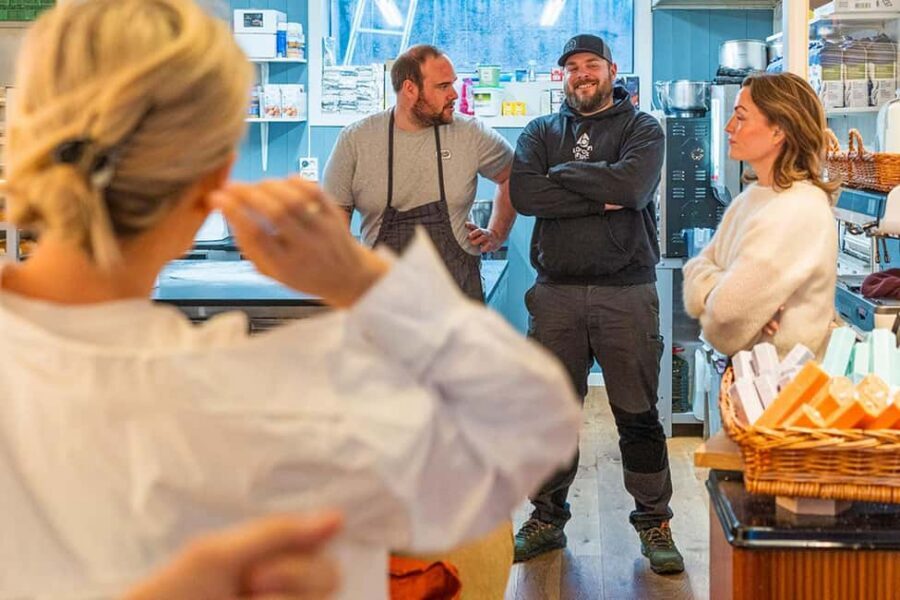
You’ll take the van twice, each time around 40 minutes. It’s not a long drive, but it matters. Lofoten stretches out in a way that makes points of interest feel farther apart than they appear on a map. Using the van keeps the day focused on two main experiences instead of turning it into a transit-heavy slog.
Also, the group stays small, so it feels like a shared outing rather than a bus tour. You’ll have enough time to get comfortable and adjust to the weather—important in northern Norway, where conditions can change quickly.
If you’re visiting in colder months, this pacing is a plus: you can get warm indoors during the baking and then get your tastings sorted without losing your whole day to cold waits outside.
Inside a rorbu: how cod, stockfish, and Arctic eating connect
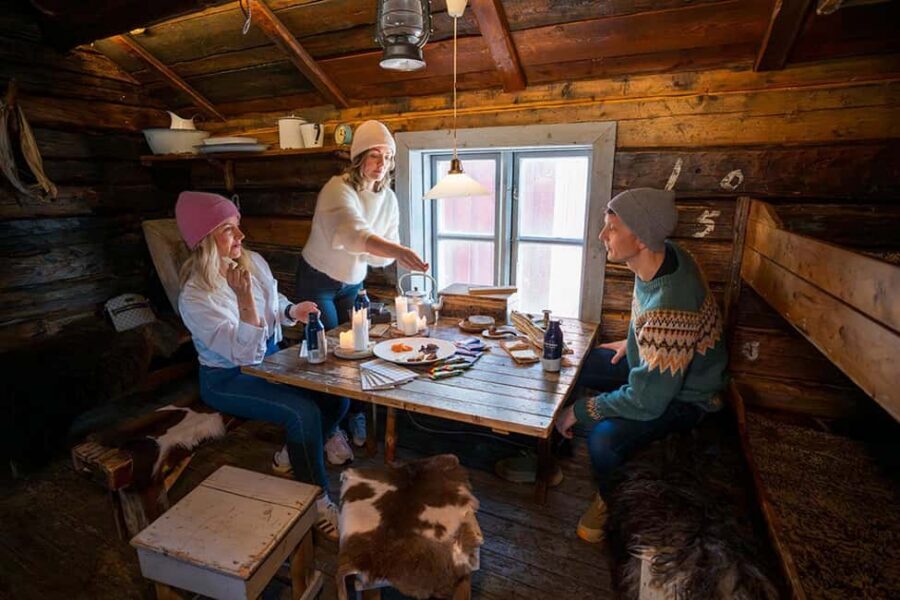
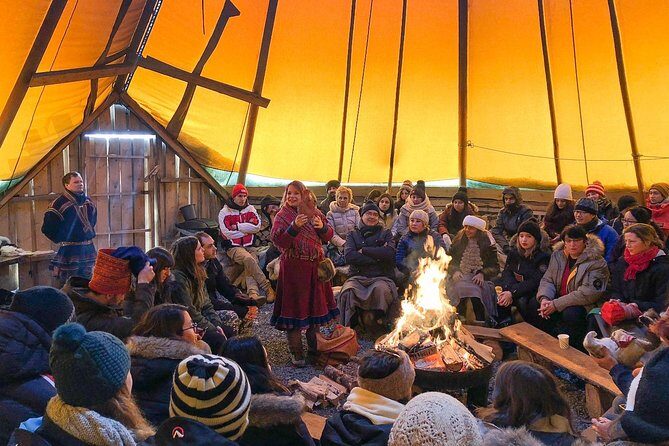
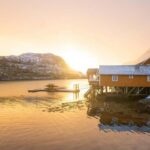
After Henningsvær, the tour returns to Svinøya for the tasting and the rorbu portion of the experience. The visit to a rorbu—the traditional fisherman’s cabin—is one of the most compelling parts because it changes what you think you’re tasting.
You’re not just eating cured and smoked products for variety. You’re hearing why those methods became normal in Lofoten: cod fishing heritage, the importance of stockfish production, and how an Arctic diet developed from what the region could reliably produce.
The rorbu setting also helps you picture the work. You’re surrounded by maritime artifacts and stories tied to the rugged coastline and rich fishing waters. That matters because cured meats, cheeses, and smoked fish can feel like generic “Norway food” if you don’t get the context. Here, you learn to treat them like solutions to real constraints.
Why the context helps your tasting
In practice, this makes your tasting session more accurate. Once you understand the history and purpose behind stockfish and preservation methods, you start noticing things like:
- the intensity level of smoked flavors
- how cured products differ from each other even when they’re all “salty”
- why seasonal ingredients show up in the lineup
Even if you’re not a foodie with a lab mindset, you’ll leave with a clearer sense of what’s local versus what’s just Norwegian by reputation.

The tasting session at Svinøya: cured meats, cheeses, and smoked fish
The last part of the tour is about sampling Lofoten’s finest local products through a tasting session that lasts about 1.5 hours. You’re tasting seasonal items, and the menu can change, so don’t expect the exact same lineup every time.
That said, you can count on a solid range within the Lofoten identity:
- cured meats
- cheeses (including Arctic goat cheese in the broader set of local options)
- smoked fish
One of the most interesting things here is that the flavors are meant to be compared. You’ll get bite after bite, and the guide helps you connect each item to local tradition and preservation technique.
Some experiences stop at “here’s food, enjoy.” This one tries to teach you how to enjoy it better. If you’re the kind of person who wants to remember a trip through flavors instead of photos, this tasting works well.
A likely extra benefit: memorable guidance
From the feedback, the guides’ explanations come across as a major part of the satisfaction. A common theme is that the tour feels varied and packed with additional info, not just food samples lined up on a plate.
One named guide in the feedback is Dave, and his friendliness and ability to add extra worthwhile stops is called out. For example, one account includes time with an historic grocery store connection to stockfish, plus the chance to see a modern production site. Your exact add-ons may vary, but it’s a good sign that the operator can shape the day beyond the basic outline.
Price and value: what $167 buys you (and what it doesn’t)
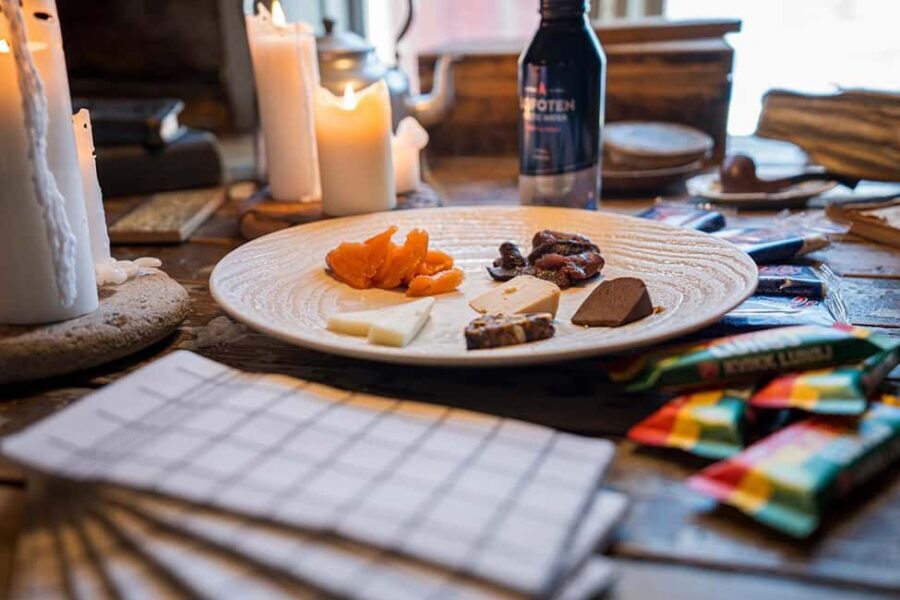
At $167 per person for 5 hours, you’re paying for more than snacks. You’re paying for three things that are hard to replicate on your own without planning:
First, the cinnamon bun masterclass is a guided, ingredient-and-time setup. Baking classes aren’t cheap, and the workshop includes the active instruction plus you eating what you make.
Second, you’re getting a guided history connection through the rorbu visit, plus explanations tied to the fishing and stockfish story. That’s the “why it tastes like this” part.
Third, the included tasting session gives you access to multiple local product types—cured, smoked, and dairy—without needing to coordinate several separate stops.
What’s not included is transportation to and from the activity. Inside the tour, you do have van rides between stops. But if you’re arriving from elsewhere in Svolvær or you need a pickup, you’ll handle that as arranged by messaging after booking.
Who the price fits best
This price feels fair if you:
- want a guided “Lofoten food story,” not just self-guided eating
- like hands-on experiences (baking counts)
- travel in a small group setting (the max is 8)
It feels less perfect if you mainly want to stroll around and eat casually, since you’ll be paying for instruction and structured tasting.
What to bring, and how to dress for Arctic-weather reality
This tour runs in almost all weather conditions, so you’ll want to be ready to stand outside for short walks and move between sites.
Bring:
- comfortable shoes
- warm clothing
- a camera
- water
And keep in mind smoking isn’t allowed.
If you’re visiting in winter or shoulder seasons, treat this like a practical test of your layering system. I like tours that don’t pretend the weather will cooperate, and this one clearly expects you to dress for it.
Group size and guide style: small, friendly, and information-heavy
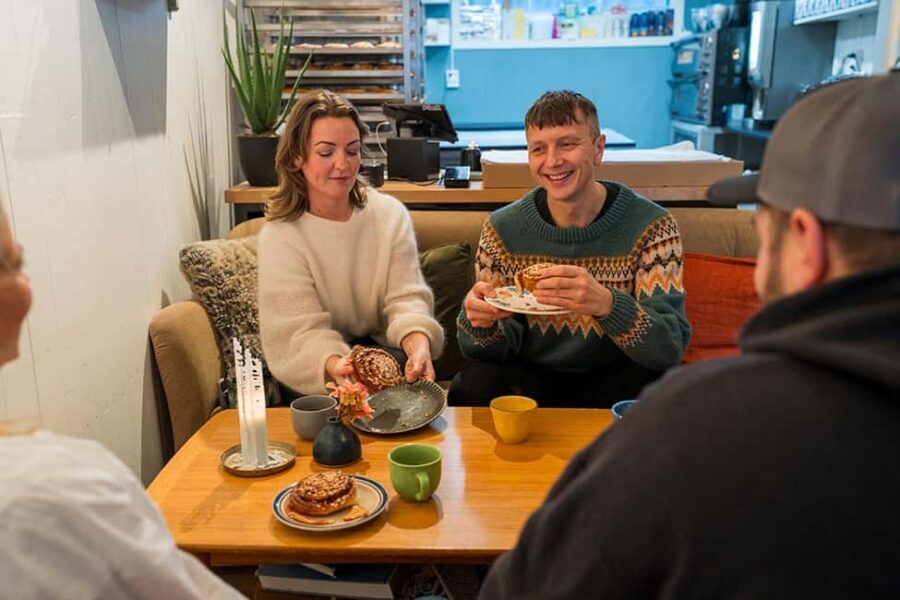
The group is limited to 8 participants. That’s a sweet spot. It’s small enough for questions and slower pacing, but big enough that the day still feels lively.
English is provided by a live guide. Based on the feedback, the guides bring personality and keep the day varied, with extra explanations that go beyond the obvious “this is delicious” level.
If you want a food tour that doesn’t feel like a script, this structure helps.
Mobility note (important)
The tour isn’t suitable for people with mobility impairments or wheelchair users. There’s walking involved (the Henningsvær section includes walking), and the schedule assumes you can move comfortably between stops.
Who should book this Lofoten food tour
I think this tour is a strong match for:
- couples and small groups who want a guided day with variety
- food travelers who like learning the story behind what they eat
- people who are excited by baking and want to take the method home
- anyone who wants Lofoten beyond a scenic postcard and into everyday tradition
It’s also a good pick if you’re in Svolvær and want to see Henningsvær without building a full itinerary yourself.
If you only want to taste and skip history, you might find the rorbu context adds time you didn’t plan for. But if you’re even slightly curious about why preservation matters in an Arctic fishing economy, you’ll likely appreciate it.
Should you book the Lofoten Food Tour and cinnamon bun masterclass?
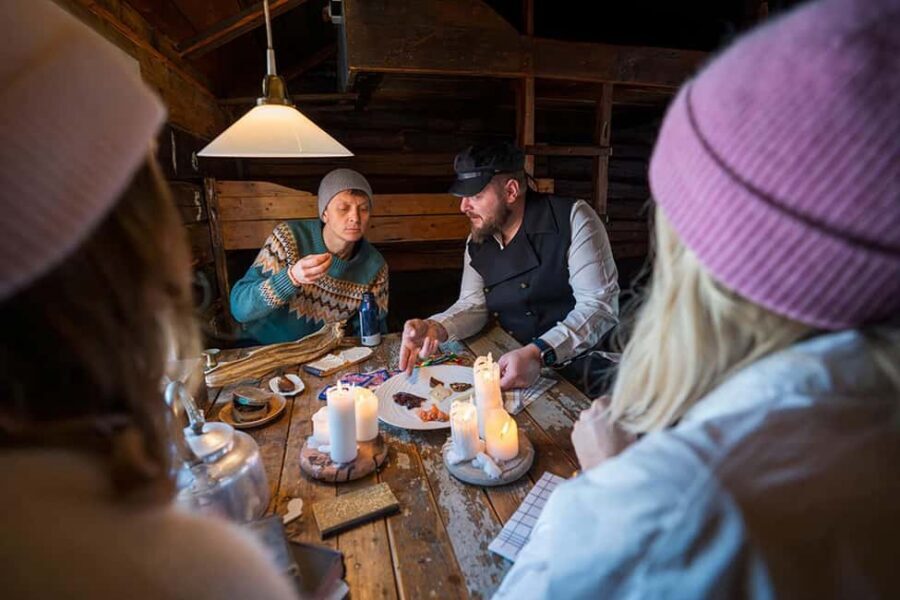
Book it if you want a day that balances hands-on baking, a traditional rorbu story, and a guided tasting of local specialties. The value is strongest when you treat the experience like more than food: it’s food plus context plus a small-group pace.
Skip it or pick something else if:
- you need wheelchair-friendly access (this one isn’t suitable)
- you hate cold weather walking and don’t want to layer up
- you’re looking for a self-directed tasting menu without instruction
If your travel goal is to leave Lofoten with specific memories—warm buns you helped make, and flavors you can place to fishing traditions—this tour is a solid bet.
FAQ
How long is the Lofoten Food Tour and cinnamon bun masterclass?
The tour lasts about 5 hours.
How much does it cost?
It costs $167 per person.
What’s included in the tour price?
You get the cinnamon bun making experience, a local food tasting session, and insights into Lofoten’s fishing and food history.
Is transportation included?
Transportation to and from the activity is not included. The day includes van rides between stops during the tour.
Where do I meet the guide?
Meet outside the reception of Svinøya Rorbuer in Svolvær. Collection may also be possible from the Tourist Information Office in Svolvær or from Lofoten Rorbuer or Marina Hotel if you message after booking.
Is the tour group large?
No. It’s a small group with a limit of 8 participants.
What language is the tour guide?
The tour is guided in English.
What should I bring, and are there rules?
Bring comfortable shoes, warm clothing, a camera, and water. Smoking isn’t allowed.
Is the tour refundable if my plans change?
Free cancellation is available up to 24 hours in advance for a full refund.