REVIEW · SVOLVAER
From Svolvær: Lofoten Islands Silent Trollfjord Cruise
Book on GetYourGuide →Operated by Brim Explorer · Bookable on GetYourGuide
Silence makes Trollfjord feel mythic. This Svolvær cruise uses hybrid-electric power so you can actually hear the fjord, and it’s timed for white-tailed eagles against the mountains with guides like Tobias and Margot keeping things easy and funny.
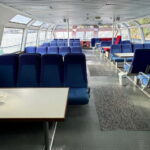
I also like that you get a proper setup for comfort: warm indoor areas, lots of deck space, and an onboard crew that knows where to look. The one real catch is that weather and fog can soften the views, even though the boat can get you close to the action.
In This Review
- Key things I’d prioritize before you go
- From Svolvær to Trollfjord in 3 hours: what that timing means
- Why a hybrid-electric, silent cruise is the point
- Your route’s structure: what each stop is for
- Fiskerkona and the early context
- Høla: photo time plus guided sightseeing
- Oddvaer: where wildlife viewing usually happens
- Reknesbukta: sightseeing with a pass-by feel
- Trollfjord: the main event
- Molldøra: a final guided viewpoint
- The eagle search: how to get the most out of it
- Underwater by sub-water drone: the added layer that matters
- Comfort check: where you’ll actually want to sit
- Weather reality: what fog and gloom do to the experience
- Value for money: is $140 worth it?
- Who this cruise fits (and who might skip it)
- Should you book the Silent Trollfjord cruise from Svolvær?
- FAQ
- FAQ
- How long is the cruise?
- Where do I meet in Svolvær?
- Is the tour guided, and is it in English?
- Is the boat actually quiet, or is it just a marketing claim?
- Will there be food on board?
- What wildlife are you hoping to see?
- Is this cruise wheelchair accessible?
Key things I’d prioritize before you go
- Quiet by design: hybrid-electric engines help the whole fjord feel calmer.
- Eagle-spotting focus: the trip is built around finding white-tailed eagles.
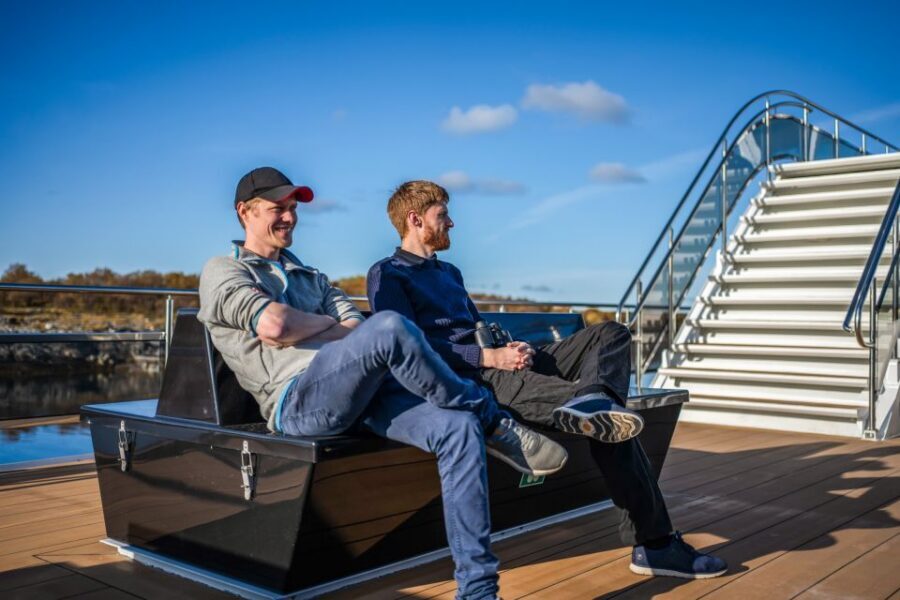
- You can be outside or inside: multiple decks plus warm indoor lounge space.
- Underwater “bonus”: a sub-water drone may be deployed if conditions allow.
- Short stops, frequent sights: you’ll pass several named spots while the guide talks you through the area.
From Svolvær to Trollfjord in 3 hours: what that timing means
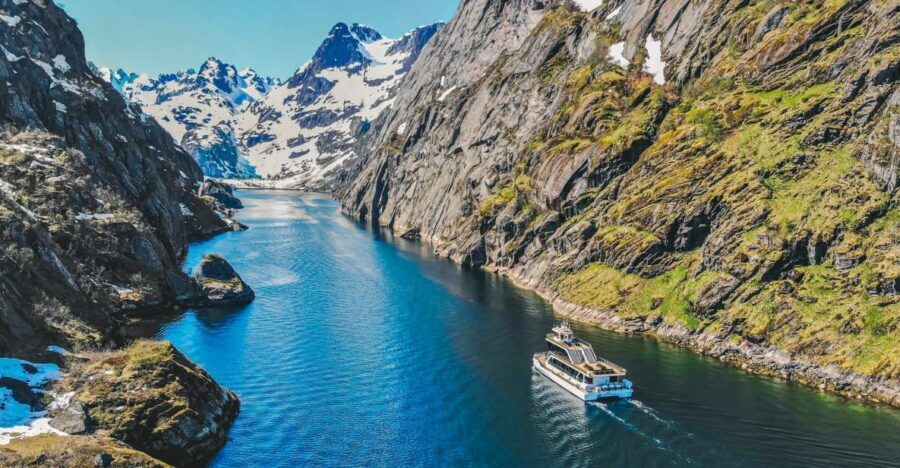
This is a fast, efficient fjord outing. You leave Svolvær in the morning, and Trollfjord is about an hour away, which means you’re not just parked on a dock waiting for the good part to start. With a total time of around 3 hours, the day-plan is simple: ride there, spend real time in Trollfjord, then head back without burning half a day.
That short duration also affects what you should expect. You’ll get guided context and multiple viewpoints, but it’s not a “stay all day” kind of experience. It’s best if you want a memorable nature hit without turning your Lofoten trip into a schedule contest.
You can also read our reviews of more boat tours in Svolvaer
Why a hybrid-electric, silent cruise is the point
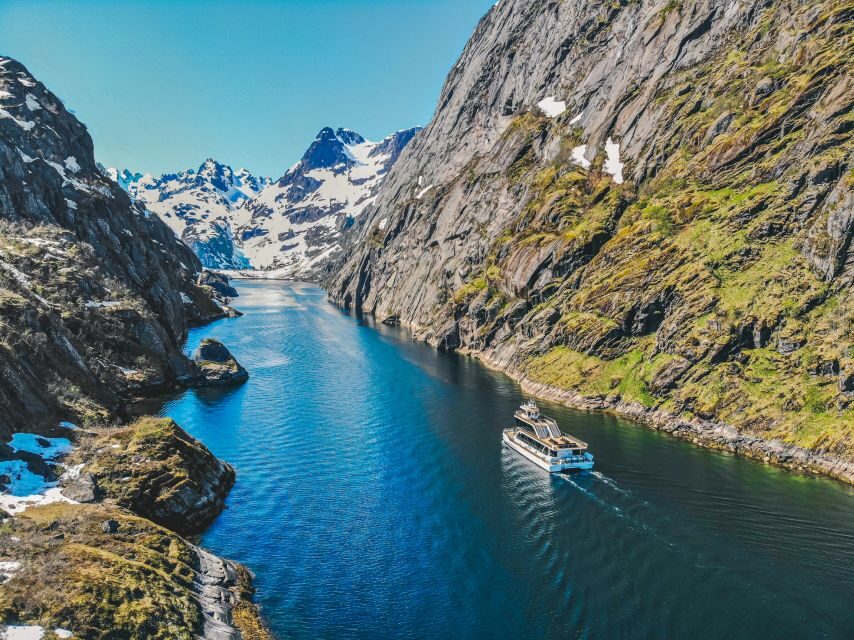
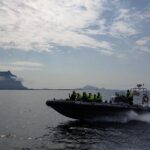
Most boat trips are loud enough that you miss details. Here, the big idea is the silent glide—the boat runs on hybrid-electric power, which cuts noise and helps you enjoy the natural soundscape. In practice, it makes eagle-spotting more relaxing, and it turns Trollfjord into a slower, more focused kind of sightseeing.
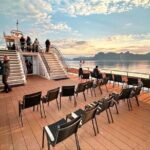
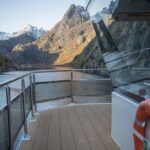
Comfort also matters. The boat has warm indoor areas so you’re not stuck outside if the wind turns sharp. You can check the view from inside, then step out when you spot something worth watching. Several people highlight that they could move around and still get clear sightlines for photos.
One more practical note: “silence” isn’t the same as “still air.” It’s a moving cruise through real coastal weather. But the engine restraint makes a difference when you’re listening for movement, scanning cliffs, and watching birds work the air.
Your route’s structure: what each stop is for
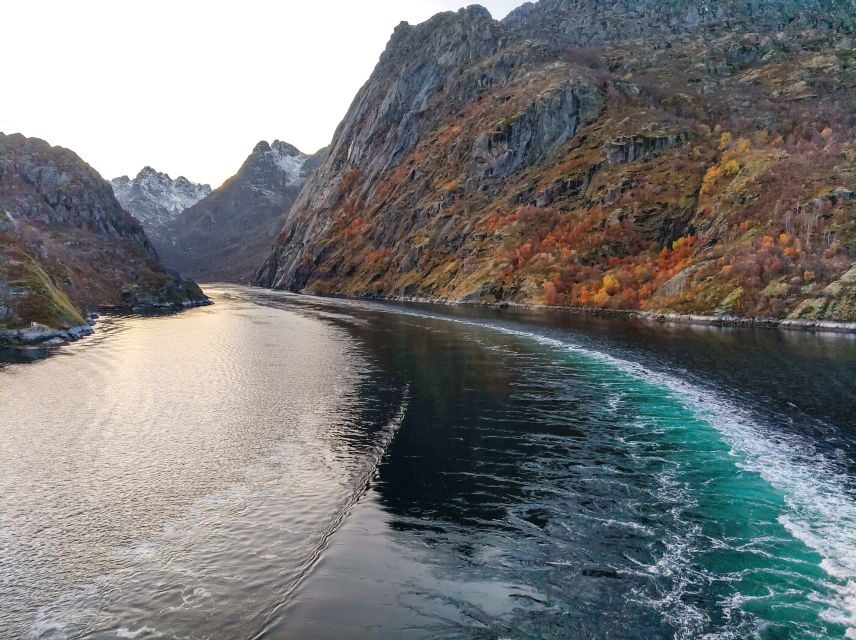
This trip is built like a guided scenic route with a main event at Trollfjord. Along the way you’ll see several named locations, most with photo opportunities or short guided moments, plus pass-bys where the guide points out what matters visually.
Fiskerkona and the early context
Early on, you get a guided tour at Fiskerkona, plus a pass-by view. This is a good “warm-up stop.” You’re still getting bearings, and the guide sets the stage for what you’ll notice later—where cliffs matter, why certain areas attract wildlife, and how the coast shaped the local communities.
The benefit of this first stretch: you’ll understand what you’re looking at before Trollfjord. If you usually forget half the facts while your eyes are busy, this part helps.
Høla: photo time plus guided sightseeing
Høla is listed with a photo stop and guided sightseeing. Expect this to be one of those moments where the guide slows things down so you can frame the scene—mountain walls, narrow fjord angles, and the kind of light that makes northern scenery look extra dramatic.
Even when visibility isn’t perfect, this kind of photo stop is useful. Fog can flatten distance, but it often makes the fjord feel more atmospheric. You’ll still get shapes and scale, which are what photos need most.
Oddvaer: where wildlife viewing usually happens
Oddvaer is specifically marked for wildlife viewing, plus a photo stop and guided sightings. This is the stop that’s most likely to feel like the cruise “turns on” for wildlife. You’ll probably spend more time scanning than photographing here, because birds don’t schedule themselves.
If white-tailed eagles are your goal, this is a stop that makes sense to watch carefully. Take the time to look up at cliff edges and across open water where eagles hunt.
Reknesbukta: sightseeing with a pass-by feel
Reknesbukta is guided sightseeing with a pass-by component. This is less about a single big moment and more about adding detail to the fjord story as you move through it. You’ll get narration cues for what to watch, then the boat glides past.
A practical tip: use the pass-bys to step into the best viewing spot on the deck. Don’t stay in one place just because you’re comfortable—rotate when the guide calls out something on the “near side” of the fjord.
Trollfjord: the main event
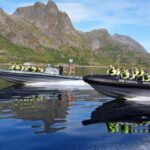
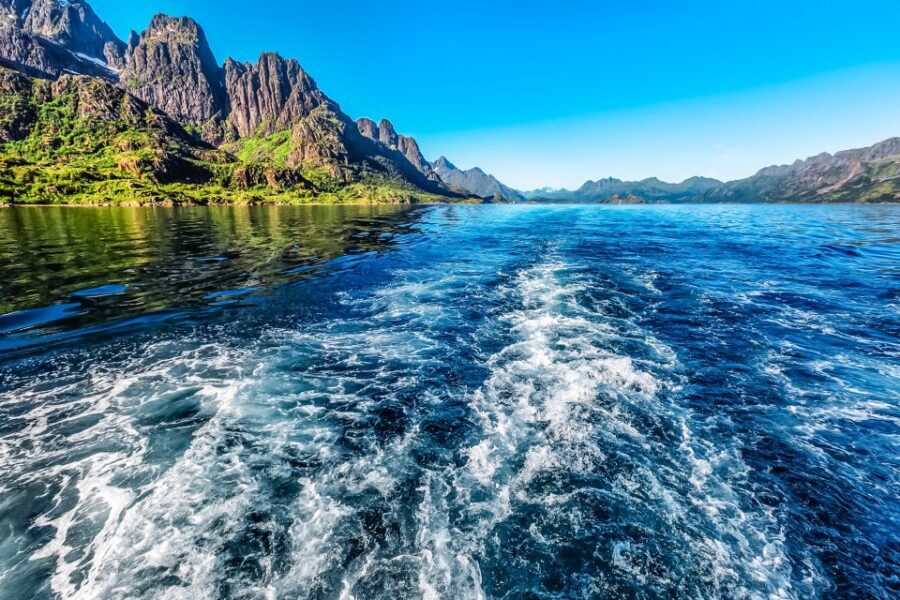
Trollfjord is where the cruise earns its reputation. This is the longer highlight segment with a photo stop, a visit, guided time, plus free time for your own scanning. The goal is to get you close to soaring birds and to let you appreciate the fjord’s dramatic rock walls and cliffs.
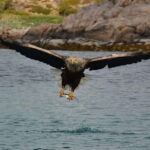
White-tailed eagles are the headline. If you’re lucky, you’ll see them actively moving in the air—riding thermals, crossing the waterline, and looking purposeful rather than random.
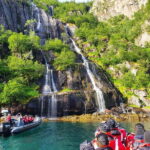
One thing I appreciate: even if weather is gloomy, the boat setup helps. People report that you can still enjoy the fjord experience because the fjord is small enough to feel close, not distant and unreachable.
Molldøra: a final guided viewpoint
Molldøra wraps up the route with guided sightseeing and another pass-by. It’s a good “bookend stop” that often feels like the guide is pointing out final details before you turn back toward Svolvær.
If you want one last chance for photos, this is likely where you’ll get it—especially if you stayed mainly inside earlier or if fog cleared for a bit.
The eagle search: how to get the most out of it
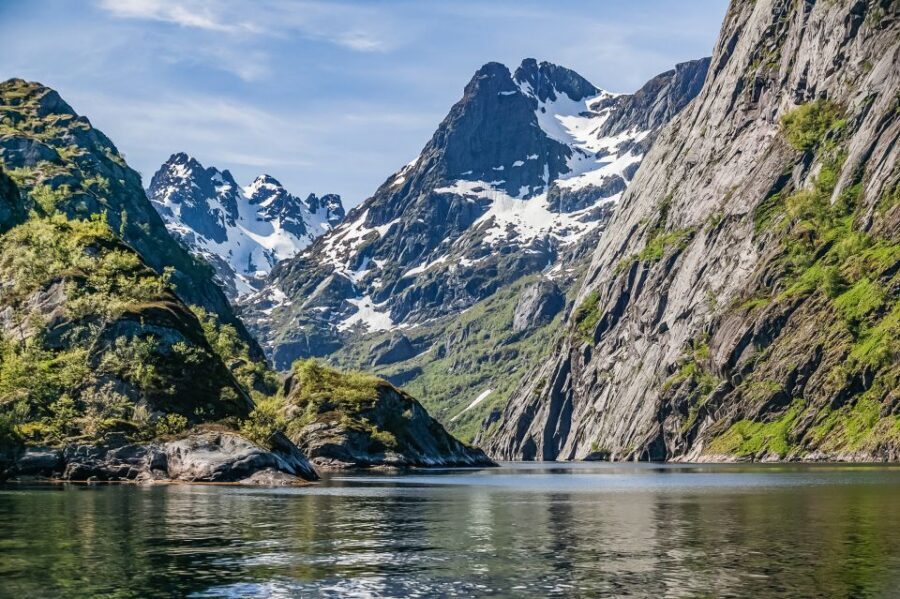
This cruise is serious about one kind of bird: white-tailed eagles. That focus shows up in how the crew guides your attention—where to look, when to scan, and how to keep your viewing calm so you actually notice movement.
I’d go in with a simple plan:
- Spend time looking for birds on the cliff edges and in the open air above the fjord.
- When the crew says they’re spotting something, don’t debate. Shift positions right away.
- Use your phone camera, but don’t let it block your view. Some of the best sightings happen fast.
On top of eagles, sightings can include other marine life. People have reported brief mink whale sightings, porpoises circling the boat, and even orca whales on occasion. Those extras are never guaranteed, but the cruise does have a “watch closely” style that improves your odds of turning a great trip into an unforgettable one.
Underwater by sub-water drone: the added layer that matters
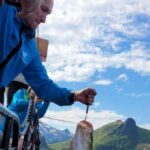
If conditions allow, the crew deploys a sub-water drone to explore what’s going on under the surface. This is one of those details that isn’t just a gimmick. It changes the cruise from scenery-only to a more complete fjord experience, because it helps you understand the water as habitat, not just a mirror.
You won’t see underwater for every moment, and it depends on weather and conditions. But when it works, it gives you something different from what you’d get on a standard fjord cruise.
It’s also a nice reminder that Trollfjord is not just dramatic above water. There’s a whole ecosystem down there, and the crew’s narration tends to connect those dots.
Comfort check: where you’ll actually want to sit
You’ll have choices, and this matters more than you’d think. Many people mention that the boat is larger than expected but still feels easy to use because it has multiple areas for seating—inside and out.
Here’s how to make that work:
- If it’s cold or windy, use indoor warmth while still scanning through openings.
- If you want eagle chances, spend time on the deck during key spotting windows.
- Rotate. Don’t lock yourself into one view unless you’re sure it’s the best angle for the current part of the fjord.
Also, tap water is included, and there’s a cafeteria area where you can buy food and drinks. That means you can snack if you want, but you shouldn’t plan on the trip functioning like a full meal.
Weather reality: what fog and gloom do to the experience
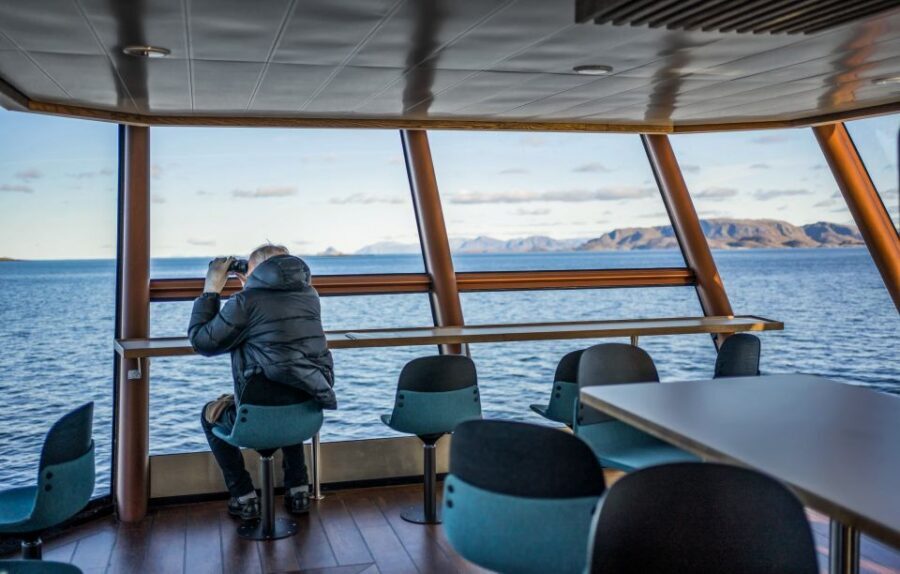
Lofoten has mood swings, and this cruise is on the water—so weather is part of the deal. People report trips in gloomy conditions where the crew and guide kept the experience enjoyable and you could still pick out views and wildlife.
Fog is the most common challenge. It can blur the mountains and reduce the drama of long-distance scenery. But the boat can get you closer, and the fjord’s size helps. You might lose some depth, yet gain atmosphere—like the whole scene becomes a smaller, darker stage.
Two small “keep expectations realistic” items also come up in feedback. One involves the state of windows for viewing (a few people noticed they were dirty at times), and another points to how parts of the fjord can include man-made features like a hydropower facility and even graffiti on rock cliffs. That doesn’t ruin the cruise, but it’s worth remembering: you’re seeing a working coastline, not a sealed-off nature postcard.
Value for money: is $140 worth it?
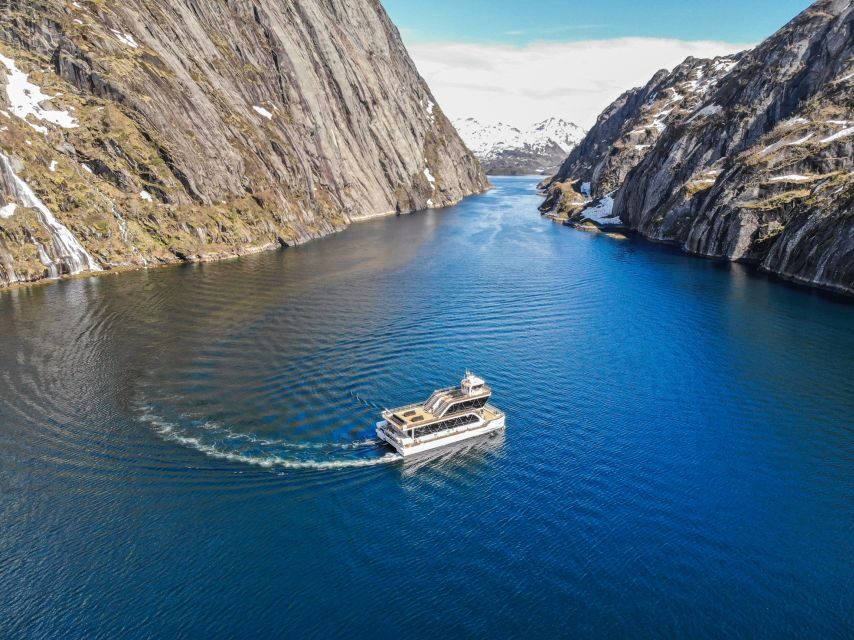
At $140 per person for a 3-hour cruise, value comes down to what you’re buying: experience quality, not just time on a boat. Here’s what justifies the price.
You’re paying for:
- A modern hybrid-electric vessel with a noticeably quieter ride.
- Live English guiding through multiple fjord viewpoints.
- Heated indoor areas (not a bare-bones deck experience).
- A wildlife-focused plan centered on white-tailed eagles.
- Extra presentation value if the sub-water drone is deployed.
You’re not paying for included meals. Food and drinks are available to buy in the onboard cafeteria. That’s actually pretty normal for this kind of outing, but it does mean you should bring a little extra budget if you’ll want snacks or hot drinks.
Given the consistency of high ratings and the focus on both wildlife and comfort, I think this price lands in the “fair for what you get” category. It’s not cheap, but it’s not trying to be a generic boat ride either.
Who this cruise fits (and who might skip it)
This is ideal if you:
- Want a low-stress way to see Trollfjord without a full day commitment.
- Care about quiet and comfort, not just speed.
- Primarily want white-tailed eagles and appreciate a crew that helps you find them.
- Prefer guided interpretation rather than wandering on your own.
You might choose something else if you:
- Have zero interest in wildlife scanning and mostly want long, open-ended hiking or a very hands-on activity.
- Expect perfect visibility. Weather can change fast in Lofoten.
The sweet spot is that it works for first-timers to Lofoten who want an efficient hit of fjord drama plus wildlife—without feeling rushed or stuck in one place.
Should you book the Silent Trollfjord cruise from Svolvær?
If you’re trying to pick one fjord cruise in Svolvær, this is a strong option. I’d book it if silent cruising, eagle-spotting, and a comfortable boat matter to you. The hybrid-electric approach isn’t just marketing—it changes how the fjord feels, and it supports wildlife viewing in a more relaxed way.
Only hesitate if your trip dates line up with heavy fog and you’re someone who gets disappointed when distance views vanish. If that’s you, still consider booking, but plan to enjoy the atmosphere and the close-in wildlife moments rather than chasing postcard clarity.
FAQ
FAQ
How long is the cruise?
The duration is 3 hours.
Where do I meet in Svolvær?
Meet at the square in Svolvær next to Thon Hotel Lofoten, at the Brim Explorer Lofoten meeting point.
Is the tour guided, and is it in English?
Yes. You’ll have an in-person live guide and the tour language is English.
Is the boat actually quiet, or is it just a marketing claim?
The trip uses a purpose-built hybrid-electric boat designed for a silent cruise experience, which helps you enjoy the fjord sounds and wildlife spotting.
Will there be food on board?
There’s a cafeteria where food and drinks can be bought. Tap water is included, and warm indoor areas are included.
What wildlife are you hoping to see?
The cruise focuses on spotting white-tailed eagles. Other wildlife sightings like whales or porpoises can happen, but they aren’t guaranteed.
Is this cruise wheelchair accessible?
Yes. The tour is wheelchair accessible.