REVIEW · CENTRAL NORWAY
Musk ox Safari in Dovrefjell National Park, Oppdal Safari
Book on Viator →Operated by Oppdal Safari · Bookable on Viator
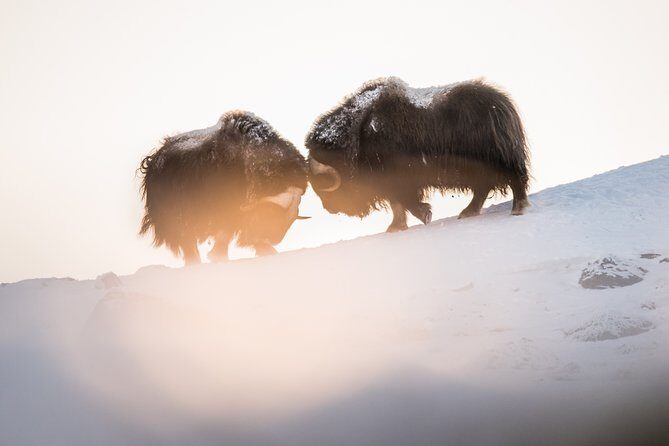
Musk ox on a Norwegian trail beats a zoo. This guided musk ox safari in Dovrefjell National Park has you hiking out in the wild with a local guide, then trying for the big moment when the herd shows up.
I love two things most: first, the guide’s focus on respectful distance viewing, so you watch without crowding the animals. Second, the walk is paired with practical nature spotting and plain-language talk about what you’re seeing, from plants to animal behavior.
One drawback to plan for: this is a hike in real weather. If it’s raining or muddy (and it can be), you’ll need good layers, solid boots, and a packed lunch, and your sighting distance can vary.
In This Review
- Key highlights worth knowing before you go
- Dovrefjell musk ox safari: why this hike feels so different
- Meeting at Oppdal Safari: easy start, clear rhythm
- The hike pacing: what 7 hours feels like in practice
- Stop in the Dovre-Sunndalsfjella National Park area: tracking on open ground
- Stop in the Oppdal Safari area: another chance at the herd
- Getting the sighting right: distance, calm, and a telescope moment
- What you learn on the trail: plants, animal behavior, and local context
- Breaks and snacks: plan for a full hike day
- Value for money: is $85.57 worth it?
- Who this tour suits best (and who should think twice)
- Should you book Oppdal Safari’s musk ox hike?
- FAQ
- What are the start time and meeting point?
- How long is the musk ox safari?
- Is food included?
- Do I need to bring my own transportation?
- What’s the minimum age for children?
- Does it run in bad weather?
- Final call: who should book and what to pack
Key highlights worth knowing before you go
- Small group size (max 20) means you’re not just part of a moving crowd.
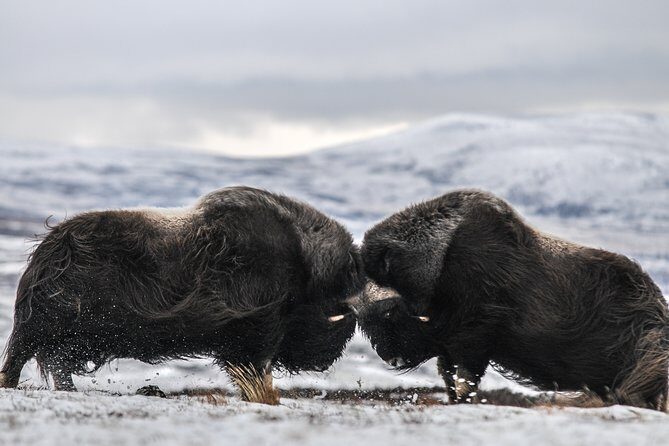
- Distance-first viewing helps keep the animals calm and improves your photo ethics.
- Coffee and/or tea included, often paired with a warm break.
- You may use a telescope when the oxen are spotted at farther range.
- Reindeer and mountain grouse are on the radar, so the hike stays interesting even before the musk ox appear.
- All-weather operation means you dress for Norway, not for your phone’s weather app.
Dovrefjell musk ox safari: why this hike feels so different
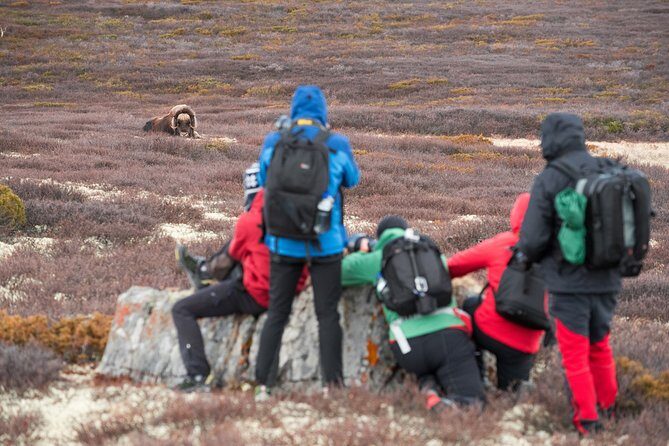
If your idea of wildlife is a ticket line and a fence, this is a nice reality check. A musk ox safari in Dovrefjell is about being out where the animals actually live, not just passing by them. The park is the draw, but the guide is what turns the day from waiting into active spotting.
What makes this trip stand out is the pacing. You’re not racing uphill for photos. You’re walking, scanning, and learning how to read the land. That helps you notice smaller signs too: how birds act when something is near, how vegetation changes with elevation, and why the guide chooses certain spots for watching.
And yes, you still wait for the musk ox. That’s the nature of it. But the day doesn’t stall because the guide keeps the hike meaningful—so even a slow start still feels like you’re doing something.
You can also read our reviews of more tours and experiences in Central Norway.
Meeting at Oppdal Safari: easy start, clear rhythm
The tour begins at the Oppdal Safari Meeting Point in Grønbakken, Oppdal, with a 9:30 am start. It ends back at the same meeting point, so you’re not dealing with a complicated return plan.
A small detail that matters: because you’ll hike for hours, the timing isn’t just trivia. Starting in the morning usually gives you better light and more consistent trail conditions than later in the day. Also, a 9:30 start means you can treat this like a full “day out” without needing a second plan for the evening.
This is an English-offered experience, and you’ll get a mobile ticket. So you can keep things simple—no paper hunt, no last-minute confusion.
The hike pacing: what 7 hours feels like in practice
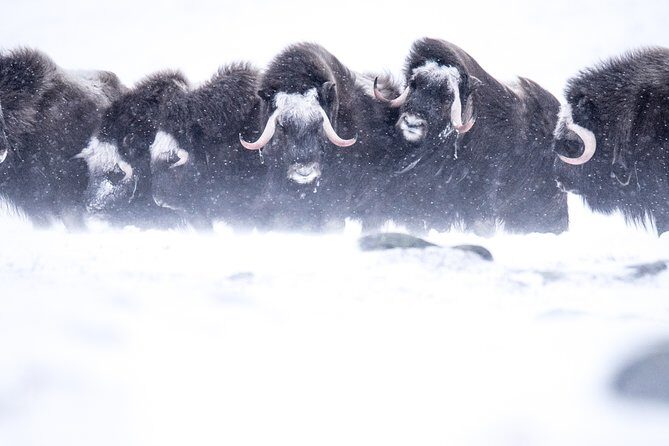
Expect roughly 7 hours outdoors. You should have moderate physical fitness, and the tour is set up for a hiking day rather than a casual stroll. The good news is that the guides manage the group thoughtfully, especially when weather shifts.
From what I’ve seen described by others in the mix of trips, the guides often build in moments to adjust to the conditions—think changing layers when clouds roll in or snow lingers in early season. Some groups are even split into smaller clusters when the day calls for it, which can make it easier to stay together and keep the viewing organized.
The big thing to plan mentally: musk ox sightings depend on where the herd is moving. Your hike route and the time spent watching can shift with that reality. So you’ll want to treat this like a hike with an animal-focused mission, not a guaranteed close-up.
Stop in the Dovre-Sunndalsfjella National Park area: tracking on open ground
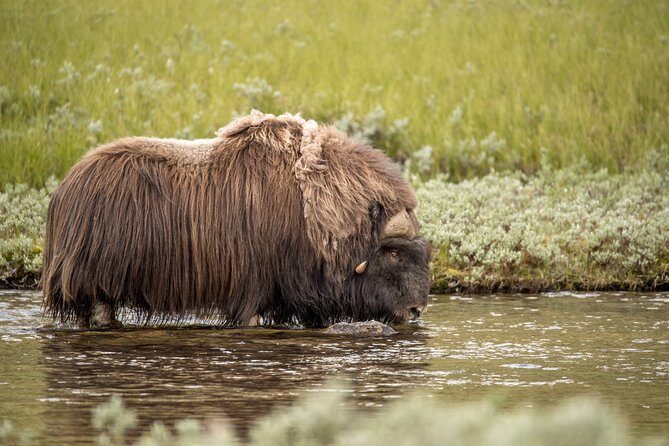
One half of your day is spent hiking in the Dovre-Sunndalsfjella National Park area, scanning the mountains with the goal of finding musk ox. This is where the experience leans into “read the land” skills.
Here’s why that matters for you: on open terrain, it’s easy to spot movement—but it’s also easy to miss the small cues that tell you where the animals might be. A good guide helps you avoid the classic mistake of staring straight ahead the whole time. Instead, you learn to scan with purpose: where the herd might shelter, where walking patterns often show up, and when it’s worth stopping and watching for longer.
This is also a great place for the “bonus wildlife” effect. The hike keeps an eye out for reindeer and mountain grouse, so if the musk ox are slow to appear, you’re still looking for real things, not just practicing patience.
Potential consideration: open ground can mean wind exposure. If you’re someone who runs cold, dress like you expect cool air and quick changes. The tour runs in all weather, and that’s not marketing fluff—it’s how the day works.
Stop in the Oppdal Safari area: another chance at the herd
The second half of the hunt happens back in the Oppdal Safari setting, with more hiking through mountain terrain to look for musk ox again. Think of it as a second phase: one more go at different viewing angles and animal patterns.
This matters because musk ox can show up, move, and disappear without much notice. A second area helps the day stay flexible. It’s also a practical way to manage group energy: you move, watch, and continue, rather than being stuck only on one spot for the entire time.
If you’re hoping for photos, this is also where you’ll appreciate how the guide manages distance. Some days you might get a closer observation. Other days the viewing spot is farther out, and that’s still valid wildlife watching—it just changes your photo settings and patience level.
Getting the sighting right: distance, calm, and a telescope moment
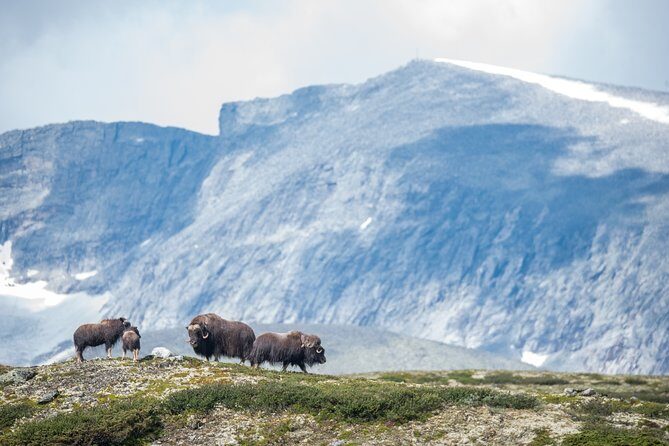
Musk ox are big animals, which is exactly why distance-first viewing matters. The guides help you keep the right space so the animals can keep doing their animal job, not your photo session.
In several reported experiences, guides have helped groups find a suitable spot and then watched calmly from there. Some groups also had help from a telescope for spotting details when the herd was farther out. That’s a simple upgrade that can make a real difference—especially if you’re trying to see facial features or smaller movements in the group.
One practical note for you: don’t expect the herd to pose. Musk ox are curious but not performing. Your best results come from staying still, letting the guide position you well, and using your camera patiently once you’re settled.
Also: respect the idea that “closer” isn’t always “better.” The best moments tend to be the calm ones—the ones where you can watch behavior without feeling like the animals are reacting to you.
What you learn on the trail: plants, animal behavior, and local context
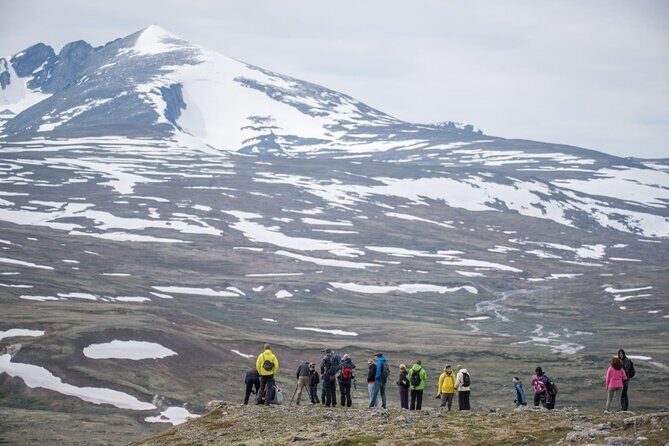
The best wildlife hikes teach you how to look. Here, the guide’s talk is tied directly to what’s around you: plants, local fauna, and how animals use the terrain.
You might hear explanations that connect the animals to the environment—why certain spots make sense for feeding, how weather affects behavior, and what you’re likely to notice if you keep watching instead of rushing. Some groups also describe additional cultural context, including references to Viking culture, mixed in light-footed ways while you’re walking.
If you get a guide such as Kaspar, Casper, Emily, Ida, Hannes/Johannes, or Stina/Stine (names that show up among guides reported on these trips), you can reasonably expect the day to feel personal and interactive. Even if your Norwegian is zero, the guides’ explanations are the kind you can follow without needing a textbook.
And yes—some hikes include fun touches at breaks. People talk about warm drinks and sometimes cinnamon buns, which is a small comfort when the mountain weather does its unpredictable thing.
Breaks and snacks: plan for a full hike day
The tour includes coffee and/or tea, which is a big help for morale if your legs are doing the negotiating. But food is not included.
Bring a packed lunch and something to drink. And if you’re the type who gets cranky when you’re hungry (no judgment), pack like you mean it. The day is long enough that lunch can’t be an afterthought.
I’d also suggest packing extra layers beyond what you think you need. People have mentioned quick weather shifts and stopping so participants can change clothes. So even in summer months, treat it like mountain weather: fast changes, cool wind, and the occasional surprise.
One more practical tip from seasonal experience: mosquitoes can show up quickly in warmer months. If your trip overlaps that season, bring repellent and consider long sleeves or light pants. It’s easier than swatting your way to a musk ox sighting.
Value for money: is $85.57 worth it?
At about $85.57 per person, you’re paying for three things: a professional guide, time in a real national park environment, and the structure that boosts your chances of a good musk ox encounter.
You’re not paying for a private car or an all-inclusive meal. Transportation and food are on you. But the guide and the coffee/tea included are meaningful, especially because wildlife spotting isn’t something you can replicate well with luck alone. A local guide can help you choose moments to stop, watch, and keep distance—skills that turn “I saw something maybe” into “I actually understood what I was looking at.”
Also, the max group size of 20 helps keep the experience from feeling like a long line. When the guide can manage the group, viewing quality tends to improve.
So for value: if you want a guided hike with real wildlife focus and you’re okay packing your own lunch, this price feels fair.
Who this tour suits best (and who should think twice)
This is ideal if you:
- Like wildlife but prefer ethical distance over crowding.
- Enjoy hiking at a steady pace for several hours.
- Want a guide to explain what you’re seeing, not just point and shrug.
It may be less ideal if:
- You only want a short walk or hate muddy, wet trails.
- You’re expecting the musk ox to be extremely close every time.
- You don’t like weather being part of the plan. This runs in all weather, so you’re out there with it.
The lower age limit is 7 years old, and the tour expects moderate physical fitness. So it can work for families with kids who can handle a real hike—just plan snacks, layers, and shoe comfort.
Should you book Oppdal Safari’s musk ox hike?
Book it if you want a guided day in Dovrefjell that focuses on real wildlife behavior, not just a ticketed checklist. The small group size, the guide-led watching, and the included coffee/tea make the day feel put together. Even when the herd isn’t right around the corner, the trail still gives you a reason to stay engaged—plants, bird watching, and the chance to see other mountain wildlife.
Skip it (or consider another option) if you need a guaranteed close sighting or you’re not comfortable hiking in changing mountain weather. In this kind of safari, the best experiences happen when you show up ready to walk, watch, and accept that wildlife sets the schedule.
FAQ
What are the start time and meeting point?
The tour starts at 9:30 am at the Oppdal Safari Meeting Point, Grønbakken, Oppdal, Norway.
How long is the musk ox safari?
It runs for about 7 hours.
Is food included?
No. You’ll need to bring a packed lunch and something to drink. Coffee and/or tea are included.
Do I need to bring my own transportation?
Yes. Transportation is not included.
What’s the minimum age for children?
The lower age limit is 7 years old.
Does it run in bad weather?
Yes. It operates in all weather conditions, so dress appropriately for mountain conditions.
Final call: who should book and what to pack
If you like hiking and you want a guided shot at seeing musk ox in the wild, this is a strong fit. Pack sturdy boots, rain-ready layers, and your lunch. Add mosquito repellent if you’re traveling in warmer months. And bring patience: the best viewing moments come when you let the herd set the pace.