REVIEW · SVOLVAER
Lofoten: Traditional Fishing Trip
Book on GetYourGuide →Operated by XXLofoten · Bookable on GetYourGuide
Line-wheel fishing turns a boat ride into work. On Lofoten’s MS Symra, you’ll learn how a traditional fishery works and actually cast a line from a real fishing vessel. What I love most is the hands-on catching and the chance to see fish handling up close with filleting on board.
There’s one key consideration: success depends on the season and what the water is giving you that day. If the bite is slow—or you only land certain species—you’ll still come away with the experience, but it may not feel like a guaranteed “big haul” trip.
In This Review
- Key things to know before you go on MS Symra
- Lofoten line-wheel fishing on MS Symra: what makes it feel traditional
- The 4-hour flow: tools, fishing stations, and filleting your catch
- How the crew guidance changes everything (and what to expect if the catch is slow)
- Species you might catch in Lofoten—and why season matters
- Filleting on board: the practical skill you’ll actually use back home
- Boots, warm layers, and rain-or-shine reality on the water
- Price and value at $146: what you’re paying for
- Who this traditional Lofoten fishing trip is best for
- Should you book Lofoten’s traditional fishing trip on MS Symra?
- FAQ
- Where does the Lofoten fishing trip take place?
- How long is the trip?
- What fish might I catch on this traditional fishing trip?
- Do I need fishing experience?
- What’s included in the price?
- What’s not included?
- What language is the instructor/crew?
- What group size is it?
- Are pets allowed?
- Is it okay to cancel last minute?
Key things to know before you go on MS Symra
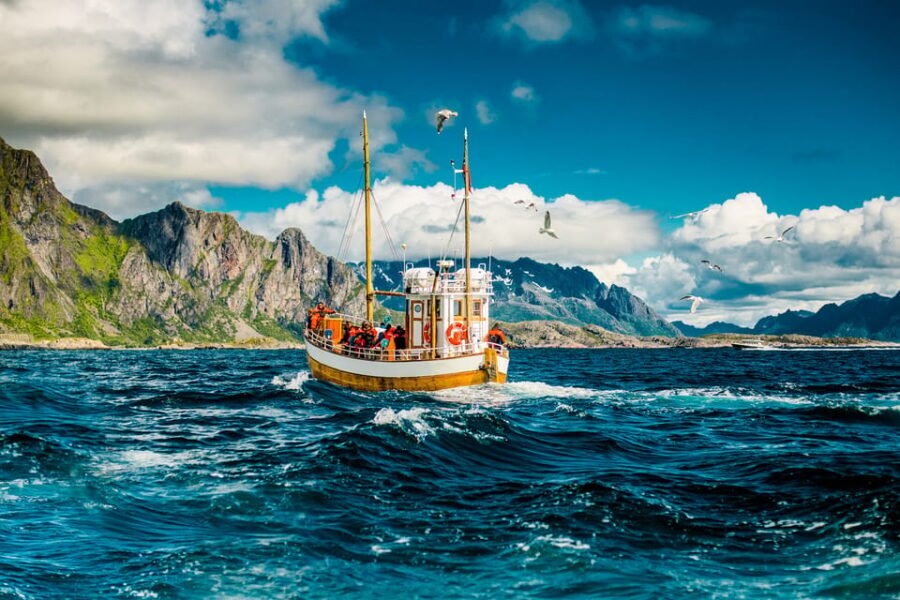
- You catch your own fish using a traditional line-wheel setup, with crew guidance throughout.
- Small group, small space: limited to 10 participants and 10 fishing stations on the boat.
- Season decides the species: skrei is possible in season, plus mackerel, coalfish, haddock, and coastal cod.
- You’ll fillet on board after your fishing is done, and you can take your catch home if you wish.
- Warm clothing is not optional because the trip runs rain or shine (weather can still affect it).
Lofoten line-wheel fishing on MS Symra: what makes it feel traditional
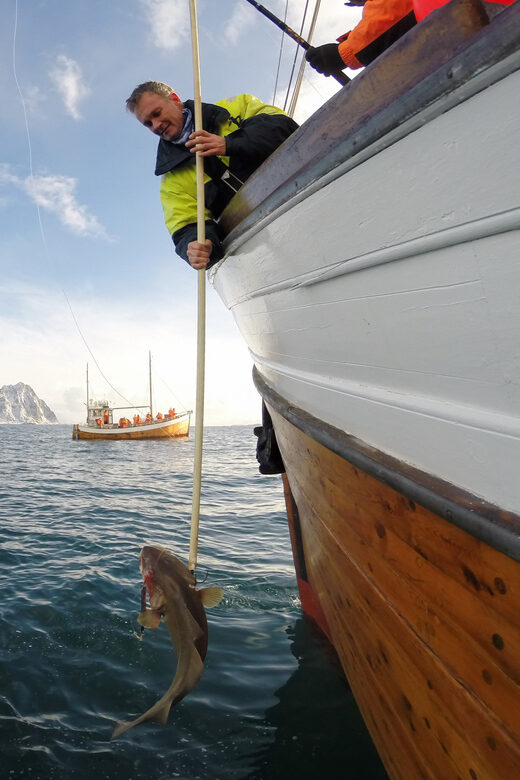
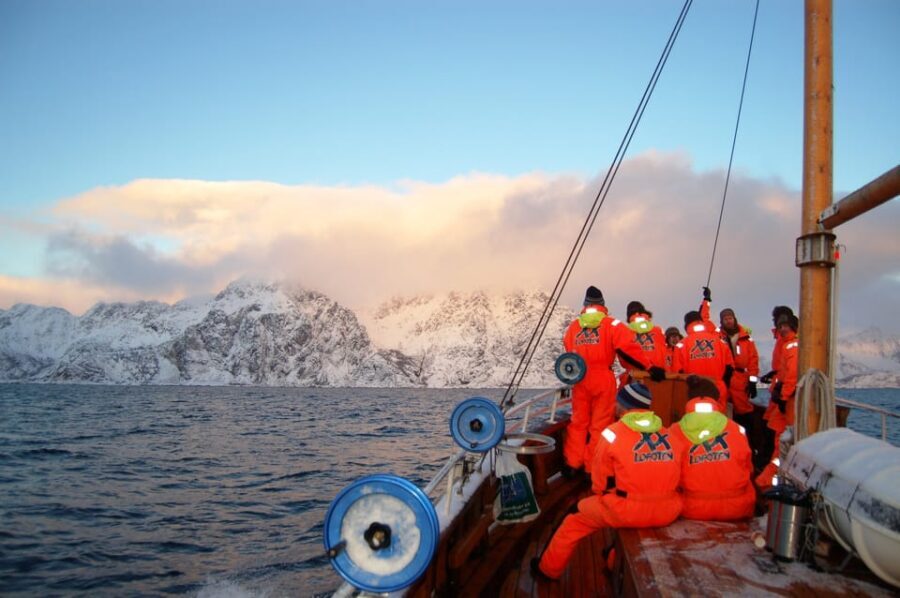
This isn’t a “watch someone fish” kind of activity. You’re on the boat to do the fishing, using a line-wheel system from a traditional vessel in Nordland County, Norway. That matters because it changes the whole tone of the day: you’re learning by doing, not just standing by.
The MS Symra setup also creates a very practical rhythm. There are 10 fishing stations onboard, so you get hands-on time without needing to share space with a huge crowd. And because the crew is there to coach you, you’re not stuck guessing your way through gear and technique.
One more detail I appreciate is that the trip aims to explain more than mechanics. You get stories and anecdotes about life in Lofotfisket, so the fishing isn’t treated like a stunt. It’s treated like work people have done here for generations—just scaled to a 4-hour experience for visitors.
A few more Svolvaer tours and experiences worth a look
The 4-hour flow: tools, fishing stations, and filleting your catch
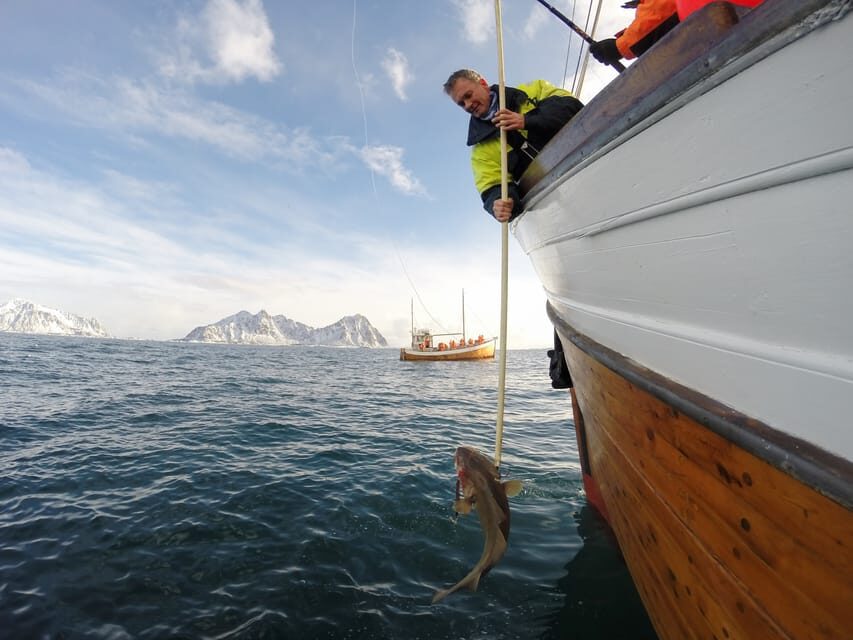
This trip is built as a short sequence of clear stages, which is great when you want an authentic activity without losing an entire day.
First, you start with a brief introduction to the fishing tools and equipment used on the vessel. Expect the crew to show you what each part does, then get you into position at your station so you can fish with confidence.
Next comes the core of it: fishing. Depending on the season, you could catch skrei (often associated with traditional winter fisheries), or other options like mackerel, coalfish, haddock, and coastal cod. You’re helped along if you’re new, because no fishing experience is required, and the crew provides professional guidance during the trip.
After you’ve caught your fish, the trip shifts to what happens next on a working boat. You’ll learn how to fillet the fish on board, which is both useful and surprisingly satisfying. Even if you only catch one or two fish, filleting is a real skill, and it gives you a deeper connection to what you’re taking home.
Finally, you’re welcome to take your catch home if you wish. That can be a real value add here, since the price isn’t just for the time on the water—it’s also for the hands-on processing lesson.
How the crew guidance changes everything (and what to expect if the catch is slow)
With fishing, your day has two variables: technique and luck. The technique part is covered. You’ll get guidance from the crew, and the activity is designed for beginners, so you won’t be dropped at a station with a line and a shrug.
The luck part is the one you should plan for. In Norway, you can do everything right and still have a slow bite. One person’s trip might produce several varieties, while another might end up with fewer species. I’d treat the species list as “possible options” rather than a guarantee of a mixed harvest.
That also ties into how you’ll enjoy the day. If you’re mainly chasing the trophy catch, you might feel frustrated if the fish aren’t plentiful. If you’re there for the process—learning a traditional method, asking questions, and taking part in the steps from catch to fillet—you’ll likely get more out of the experience even when the tally is modest.
Also note the station format. Since there are 10 fishing stations onboard and you’ll share a station setup with another person, the crew’s attention will be balanced across the group. It’s not a private charter, but it’s a small-group experience that keeps you active.
Species you might catch in Lofoten—and why season matters
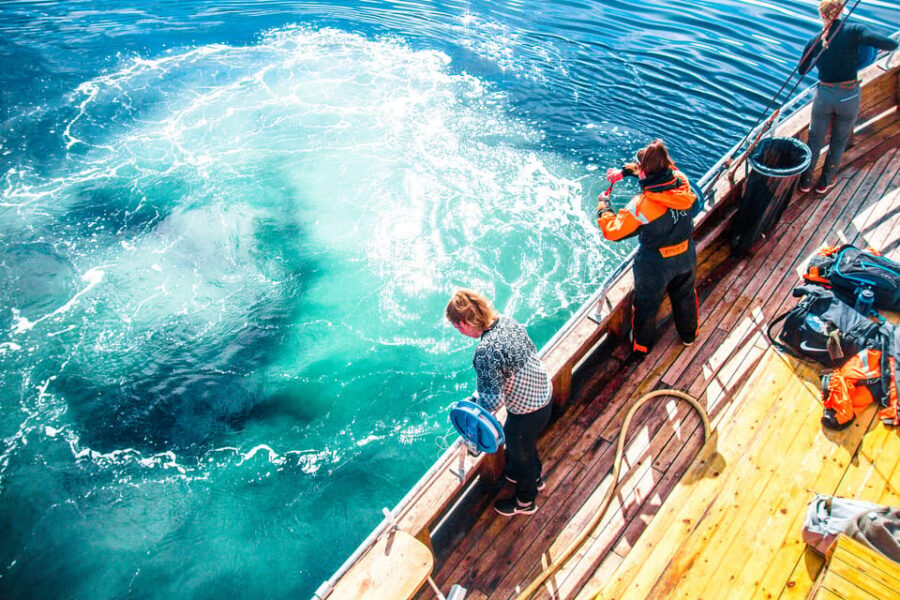
The tour describes different fish options depending on the season, and that’s the big takeaway. You could be fishing for skrei, mackerel, coalfish, haddock, or coastal cod, but the actual mix depends on what’s available when you go.
Here’s how I’d think about it as a planning tool:
- If you’re visiting during a period associated with skrei, you may have a better shot at that traditional catch.
- If you’re going at another time, you might land other species listed for the season.
So instead of picturing a single “menu” of fish, go in expecting a weather-and-season reality check. The fun is still real: you’re learning the line-wheel method and living through the working rhythm of a fishing trip. Even one species can be enough to make the filleting lesson worthwhile.
Filleting on board: the practical skill you’ll actually use back home
One of the strongest parts of this activity is that it doesn’t stop at catching. You learn how to fillet the fish on board after fishing is done. That’s the kind of hands-on payoff that turns a short excursion into a transferable experience.
Why it’s valuable: filleting teaches you how the fish is prepared in the real world, not just how it looks on a restaurant plate. You’ll also get a clear sense of what kind of fish you caught, because different types can require slightly different handling.
Another practical benefit is logistics. Since you’re allowed to take your catch home if you wish, the trip is closer to a full cycle: fish comes in, you learn processing, and you have an option to bring it with you. Food isn’t included, so having fish you can use later can be a nice way to stretch the value of your day.

Boots, warm layers, and rain-or-shine reality on the water
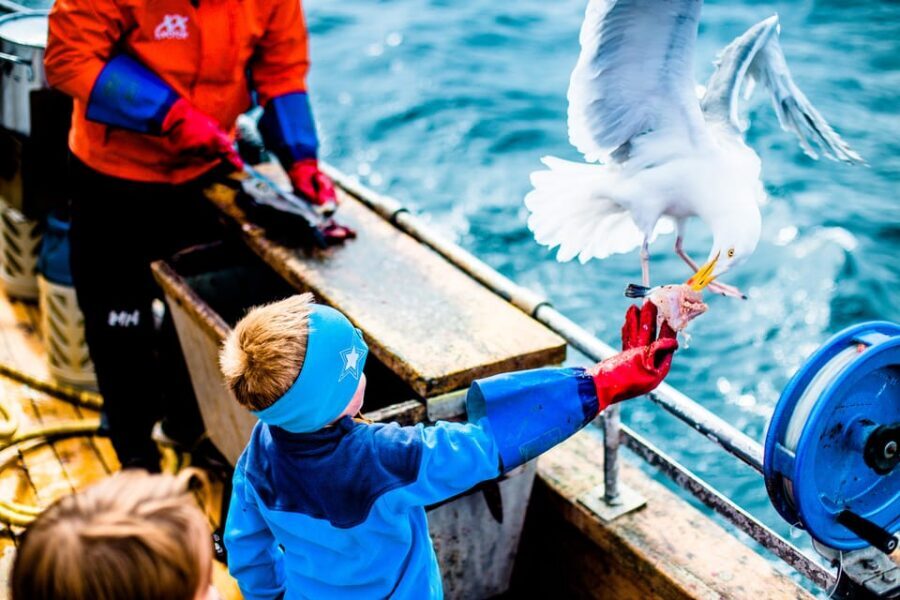
This is a boat trip in a northern coastal region. That means “comfortable” usually depends more on clothing than attitude.
The guidance is straightforward: wear warm clothing with thermal underlayers. The trip takes place rain or shine, though it can be subject to change or cancellation based on weather conditions. Translation: plan for damp wind and chilly deck time, not just a pretty cruise.
Boots aren’t included, but you can rent them on site. If you’d rather control your comfort level, consider bringing your own water-friendly boots or thermal socks. But either way, make sure your lower body is protected because standing and handling lines can keep you exposed longer than you’d expect.
Also, food is not included. You can bring your own food on the tour, which is a smart move. If you’re cold and out there for 4 hours, a simple snack can keep your energy up without turning the trip into a cafeteria run.
Price and value at $146: what you’re paying for
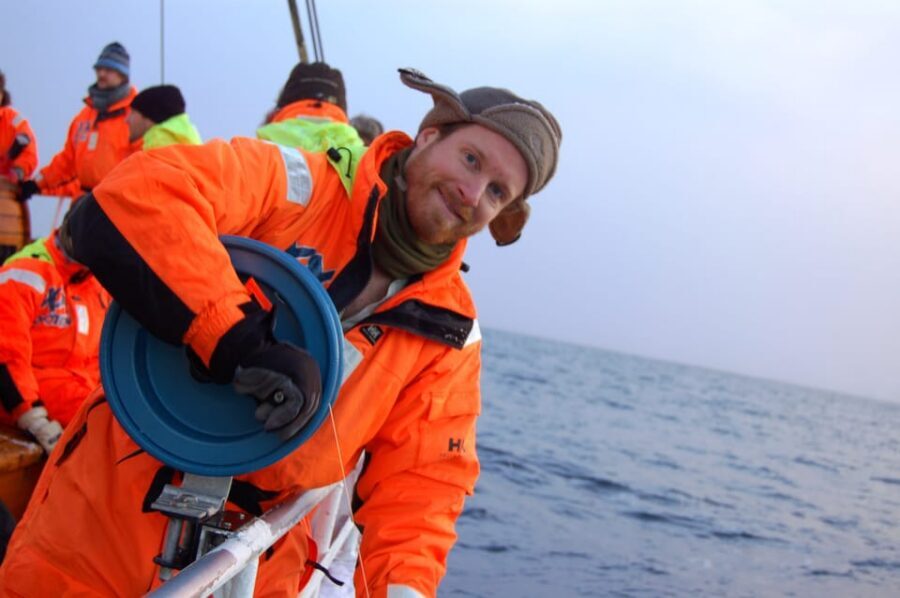
At $146 per person for a 4-hour trip, you’re paying for more than “being on a boat.” The price includes:
- Fishing kit
- Safety equipment
- Experienced crew
That’s meaningful in Norway, where gear and guided instruction can add up. Here, the kit and safety gear remove friction. You don’t have to show up knowing the right equipment or hunting down rentals for every piece.
You’re also paying for the structure: small group (limited to 10 participants), a crew that provides professional guidance, and a full cycle that includes filleting instruction. The ability to take your catch home if you wish can add extra value, too—assuming you plan to store and use fish responsibly after you return.
So the best value pitch isn’t that you’ll catch a specific kind of fish. It’s that you’ll get guided, hands-on fishing and real processing skill in a short, focused time window.
Who this traditional Lofoten fishing trip is best for
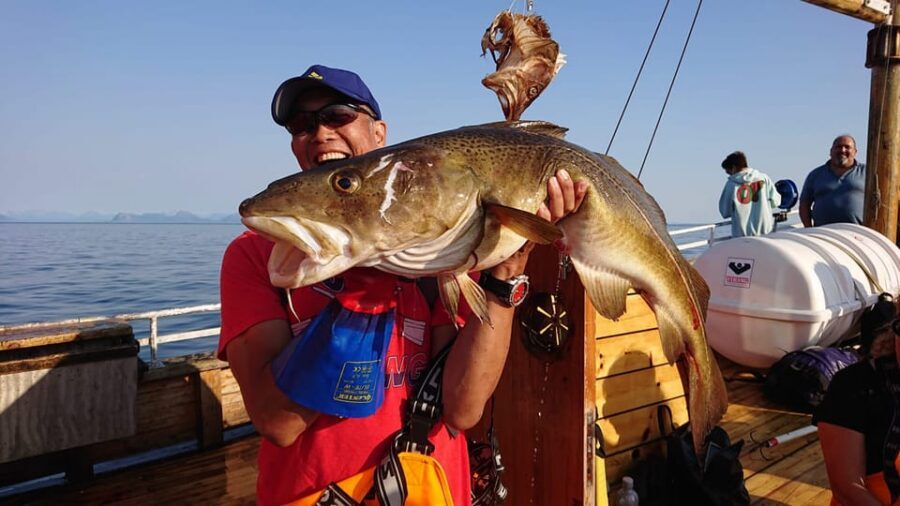
This activity is a great fit if you:
- Want a hands-on experience rather than a sightseeing-only day
- Prefer learning through doing (tools, fishing, then filleting)
- Like small-group activities where you’re not competing for attention
- Don’t mind the outdoors being cold and wet if it’s weather-related rain or wind
It’s also a good choice if you’re new to fishing. The tour explicitly states no fishing experience is required, and the crew provides guidance.
On the other hand, it’s not suitable for people with mobility impairments. And pets aren’t allowed on this tour (assistance dogs are allowed), so plan accordingly if you travel with an animal.
Should you book Lofoten’s traditional fishing trip on MS Symra?
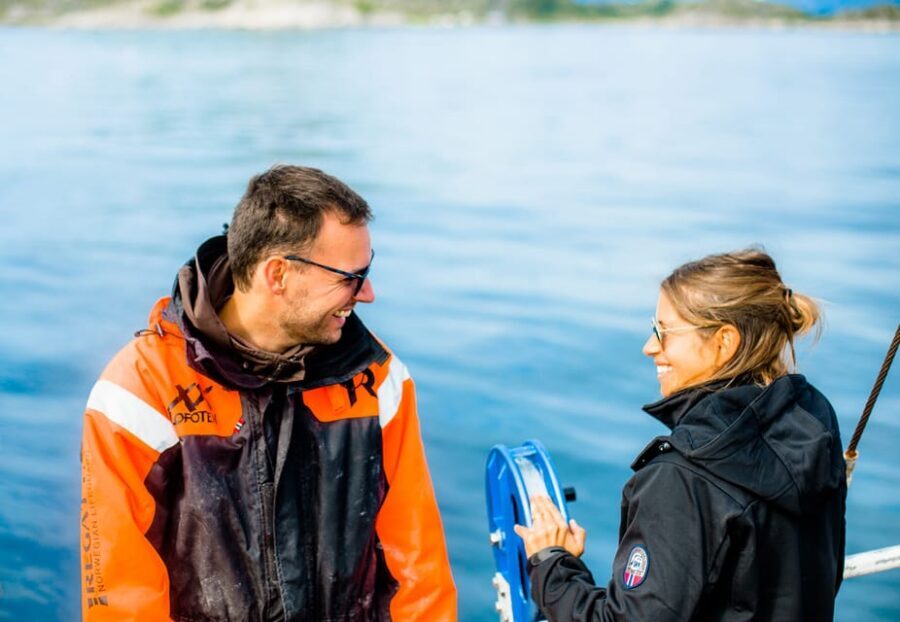
Book it if you want a genuine working-boat experience you can participate in. The combination of line-wheel fishing, onboard coaching, and filleting instruction is the main reason it’s worth your time and money. It’s the kind of activity that gives you a story you can actually tell because you were part of it, not just watching.
Pass or reconsider if you’re sensitive to cold, expect perfect fishing results, or really need a comfortable, low-exposure outing. The bite can vary with the season, and the boat is outdoors in real weather. If you’re good with that tradeoff, you’ll probably find the experience memorable for all the right reasons.
FAQ
Where does the Lofoten fishing trip take place?
It operates in Nordland County, Norway, in the Lofoten Islands region.
How long is the trip?
The duration is 4 hours.
What fish might I catch on this traditional fishing trip?
Depending on the season, you could catch skrei, mackerel, coalfish, haddock, and coastal cod.
Do I need fishing experience?
No fishing experience is required for this activity.
What’s included in the price?
The price includes the fishing kit, safety equipment, and an experienced crew.
What’s not included?
Boots are not included (they’re available for rental on-site), and food is not included.
What language is the instructor/crew?
The instructor is listed as English and Norwegian.
What group size is it?
It’s a small group, limited to 10 participants.
Are pets allowed?
Pets are not allowed, but assistance dogs are allowed.
Is it okay to cancel last minute?
Free cancellation is available up to 24 hours in advance for a full refund.