REVIEW · OSLO
2-Hour Oslo Fjord Sightseeing Cruise by Sailing Ship
Book on Viator →Operated by Båtservice Sightseeing A/S · Bookable on Viator
Crisp fjord air beats city streets. This 2-hour sailing-style cruise gives you real island views right from central Oslo, plus warm blankets for the windy parts. One thing to plan for: if you get a cold-weather departure, you’ll want serious layers and early seating, since the deck can feel exposed.
I also like how the route hits the stuff you’d miss on foot: the wooded hills, sheltered inlets, and the Opera House view from the water. The boat returns you to where you started, so the cruise works as a low-effort, high-reward break in any itinerary.
A good heads-up: the English commentary is sometimes easier to catch from certain spots on board, so don’t assume every seat will hear it equally well.
In This Review
- Key Highlights I’d Target on This Cruise
- Oslo Fjord From Rådhusbrygge: The Smoothest Part of Your Day
- What You Actually See in Two Hours: Islands, Inlets, and the Opera House
- Morning vs Afternoon Departures: How to Pick Your Best Light
- Onboard Comfort: Blankets, Seating, and the Stuff That Actually Matters
- How the English Narration Works (and When You Might Struggle)
- The Winter Twist: Bygdøy Museum Stop That Changes the Whole Day
- The Value Play: Why This Costs About $40 and What You Get for It
- Who Should Book This Cruise (and Who Might Skip It)
- Should You Book the 2-Hour Oslo Fjord Sailing Cruise?
- FAQ
- FAQ
- How long is the Oslo Fjord sightseeing cruise?
- Where does the tour depart from?
- Is there an English option for narration?
- What’s included in the price?
- Do I need to pay extra for food and drinks?
- What if I’m traveling during winter?
- What if the cruise is canceled due to weather?
- Are there restrooms on board?
- Can I cancel for a refund?
Key Highlights I’d Target on This Cruise
- Central start at Rådhusbrygge 3 (right by Oslo City Hall), so you’re not hunting for a pier on day one
- Old-style sailing ship feel, with blankets and a cozy onboard atmosphere
- English narration + an Oslo Fjord Guide app (13 languages) to keep your learning rolling
- Fjord photography angles: islands, inlets, and bays plus views of the Opera House
- Small enough for a group outing (maximum 80 travelers), but still social
Oslo Fjord From Rådhusbrygge: The Smoothest Part of Your Day
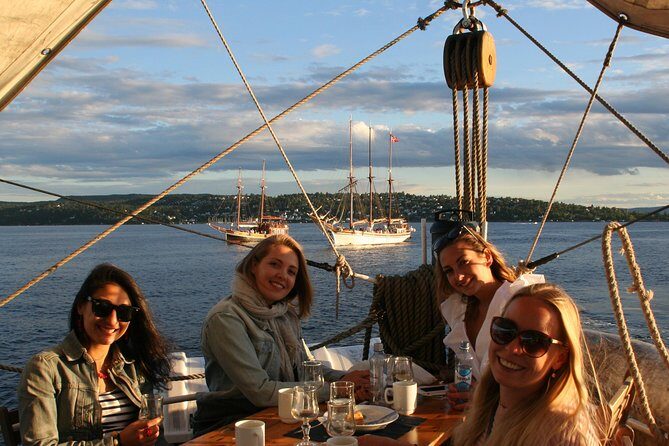
This cruise starts at Rådhusbrygge 3, opposite Oslo City Hall, and that matters more than it sounds. You can park yourself near one of Oslo’s main landmarks, grab coffee or a snack later on, and still feel like you left the city behind.
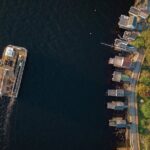
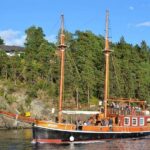
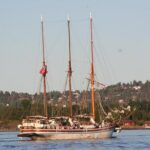
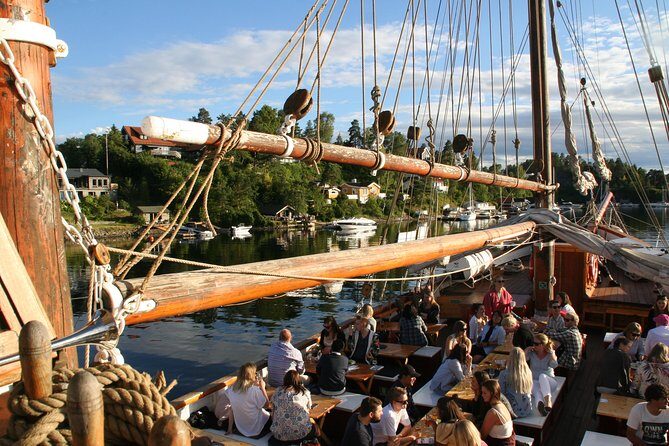
The ship itself is an authentic sailing-style vessel, not a modern ferry. Expect a bit of old-ship character, with lots of places to sit and watch the water change color as the shoreline slides past.
I like that the tour ends back at the same meeting point. That keeps your timing simple, and you don’t have to rebuild your plan after the cruise.
One more practical detail: the trip is designed for good weather, so if conditions are rough and it gets canceled, you’ll be offered a different date or a full refund. In Oslo, that’s usually a wise trade: the fjord looks best when you can actually enjoy it.
You can also read our reviews of more boat tours in Oslo
What You Actually See in Two Hours: Islands, Inlets, and the Opera House
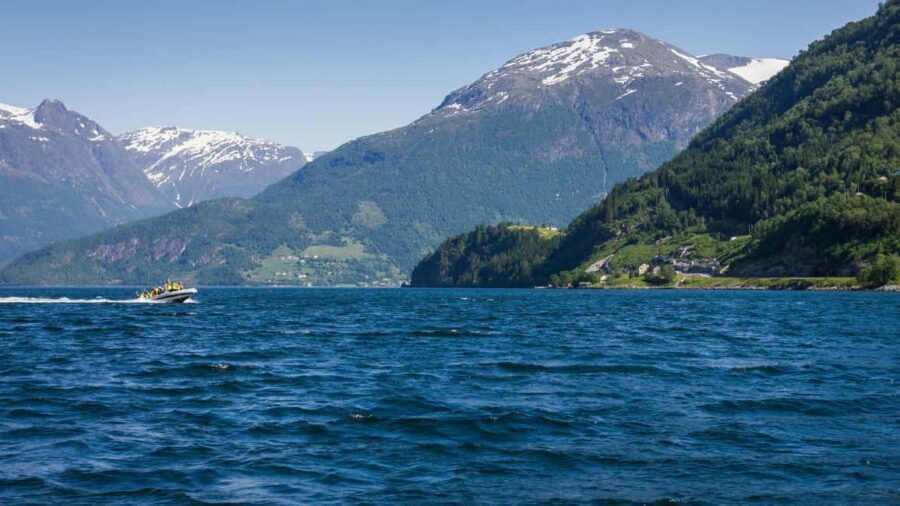
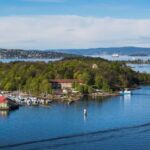
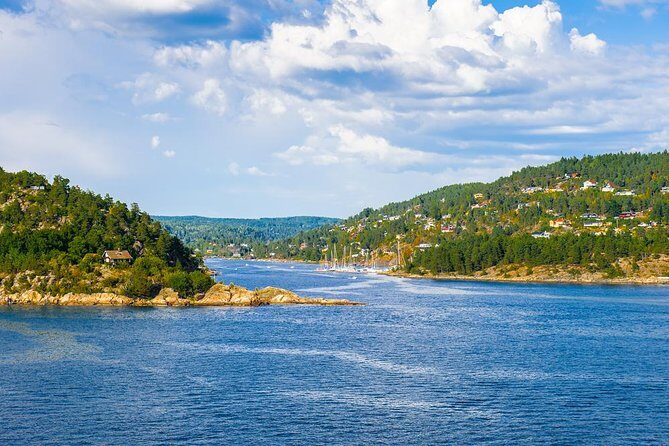
You’re on Oslo Fjord—Oslofjorden—with scenery that mixes forested hills and urban Oslo in the same frame. The cruise goes past islands such as Hovedøya and toward the Dyna Lighthouse, with sheltered water that feels calmer than open harbor cruising.
This is the “slow sightseeing” style: you’re not trying to check boxes every five minutes. Instead, you get repeated chances to look up, look back, and photograph the city from angles that walking tours don’t offer.
A big moment is the view of the Oslo Opera House. Even if you’re not a hardcore architecture fan, seeing it from the water helps it click as a real piece of city design, not just a landmark on a map. The Opera House is linked to Kirsten Flagstad’s Place and designed by Snøhetta AS, after their 2000 architectural competition win.
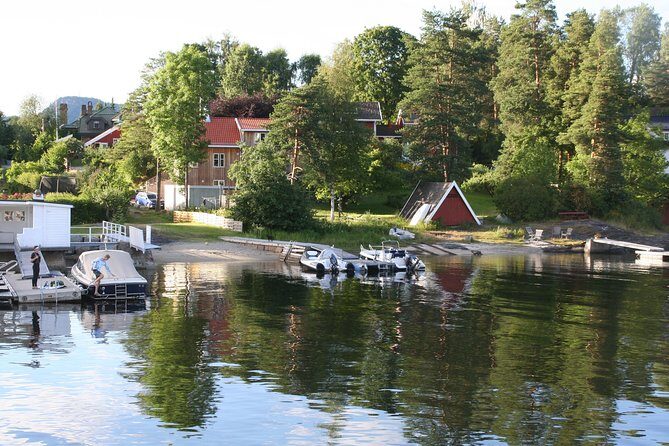
Between the Opera House and the islands, you’ll pass through narrow inlets and sheltered bays. That’s where the fjord feels most “Norway” and less like a city swimming pool—wooded shorelines, summer cabins dotted on the islands, and small turns that keep your views changing.
Morning vs Afternoon Departures: How to Pick Your Best Light
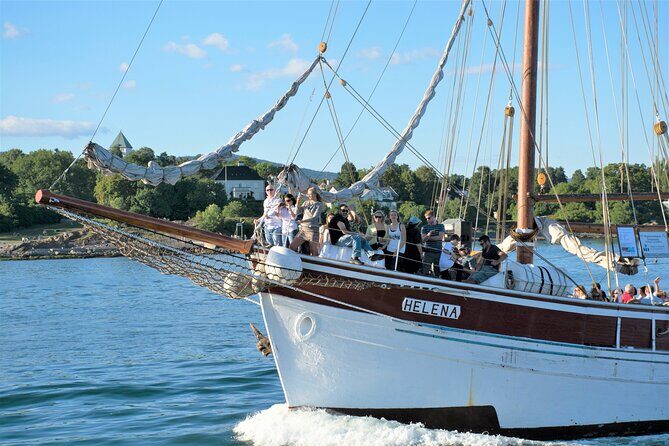
You get a choice of multiple departure times, including morning and afternoon options. That flexibility is genuinely useful in Oslo because weather and daylight can swing your whole mood.
If you’re aiming for photos, morning can feel crisp and clear, while later departures often give you softer light. The catch is the wind: on water, even mild temperatures can feel sharper once you’re moving and exposed.
If you’re traveling in winter, the schedule shifts because daylight comes and goes fast. Some times are only offered when there’s enough light, and the timetable is designed around that reality. Plan for earlier sunsets, and don’t assume you’ll get the same lighting you’d see in summer.
Onboard Comfort: Blankets, Seating, and the Stuff That Actually Matters
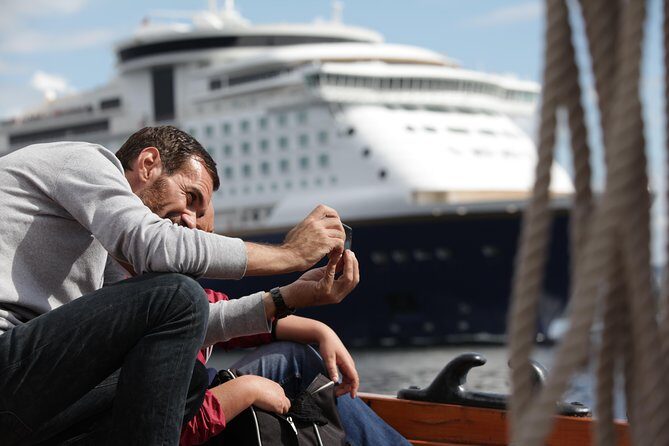
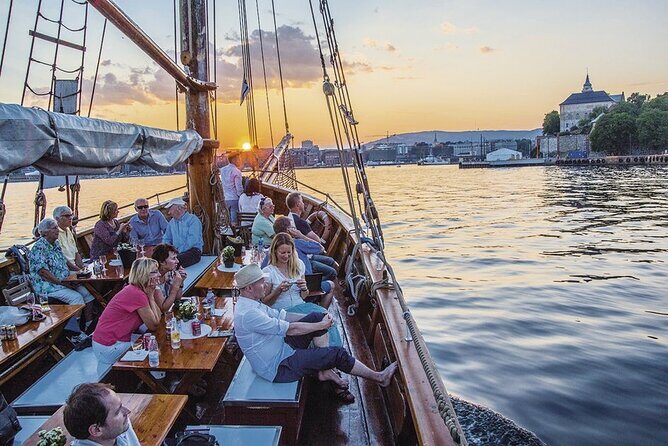
This cruise is built to keep you comfortable. You’ll find warm blankets onboard, plus a bar where you can buy drinks and snacks like beer, wine, cocktails, soft drinks, and food.
One of the most praised parts of the trip is the staff’s friendliness and the fact that they help you settle in. That’s not a small thing when you’re cold and wondering if the boat will feel like an icebox. The overall vibe is relaxed, and people tend to stay seated to watch the fjord rather than rush around for photos.
Seating is also part of the strategy. In winter, seating isn’t guaranteed, even though there’s free seating once you’re on board—so arrive early if you want a good spot. In practice, that means you should treat this as a “get there a little early” situation, not a “show up right at departure” situation.
Weather still plays a role. Even with blankets, the deck can feel chilly, especially on return. If you’re sensitive to cold, bring a jacket you trust and layers you can adjust.
Also watch for a small comfort detail: some older ships have seen better days. I’ve seen comments about chair conditions and deck litter, which is the kind of thing that can quietly ruin the vibe. Most of the time, the blankets and staff help balance it out, but it’s worth keeping in mind if comfort is your number-one priority.
How the English Narration Works (and When You Might Struggle)
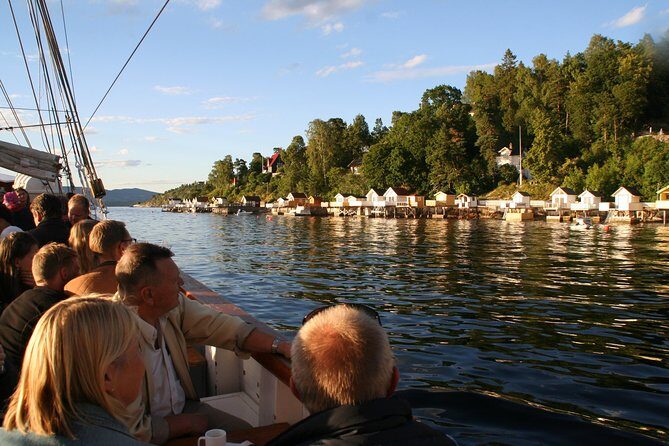
This tour includes an audio guide on speakers in English. There’s also an app—Oslo Fjord Guide—that you can download for free and that supports 13 languages, which is a nice backup if you’re sitting somewhere the audio doesn’t carry well.
In real life, audio clarity can depend on wind, where you’re seated, and how busy the boat feels. Some people love the narration, while others say it can be hard to hear at certain moments. My practical take: aim for a spot where you can hear clearly without standing in people’s way. If you’re far back or tucked behind windbreaks, turn your head often and don’t assume one perfect viewpoint exists for the entire trip.
The content itself is the reason this cruise feels more than just a scenic ride. You’ll get history and geography in context—why the fjord looks the way it does, how Oslo sits at the water’s edge, and what you’re seeing as the boat turns toward islands and inlets.
The overall effect is a calm mix of learning and sightseeing. You don’t feel like you’re in a classroom, but you’re also not staring out at water with zero clue what the shoreline is telling you.
You can also read our reviews of more sailing experiences in Oslo

The Winter Twist: Bygdøy Museum Stop That Changes the Whole Day
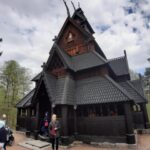
If you’re visiting in winter, some departures include a longer day plan linked to Bygdøynes, the museum peninsula area. The schedule works like this: you first join the 2-hour fjord sightseeing leaving 10:30, then there’s a stop at 12:20 on Bygdøynes for about 2.5 hours to visit museums. After that, the boat departs 14:50 and arrives at City Hall at 15:00.
There’s also a mention of a 15:30 departure only when there’s daylight, which is a smart detail for winter planning. In short: some departures turn your fjord cruise into a half museum day with a clear travel flow.
If you take this option, use the timing to your advantage. The museum break is long enough to choose one or two places you’re excited about, rather than doing museum speed-running.
One more useful inclusion here: you get a free ferry ticket to the Museum Peninsula (Bygdøy). That can be valuable even if you’re not using the winter combo perfectly, since Bygdøy is where Oslo’s museum cluster really comes to life.
If the fjord is frozen in winter, the cruise can be canceled free of charge. That’s the reality of a water-based experience in cold months—and it’s good that they plan for it instead of pretending it’s just a light inconvenience.
The Value Play: Why This Costs About $40 and What You Get for It
At about $40.16 per person for roughly two hours, this cruise is priced like a mid-range sightseeing activity. The value isn’t only the views. It’s the package of: central location, onboard comfort, narration, and the fact that you’re getting a different perspective on Oslo without needing a car or extra transit.
If you compare it to walking-only sightseeing, this is a trade-off that saves energy. Oslo is very walkable, but it’s also hilly in spots and can wear you down. This cruise gives you a scenic break where you can sit, warm up, and still feel like you’re seeing the real Oslo waterfront story.
It’s also a good “first-day” tool. From the fjord, you understand where Oslo’s landmarks sit relative to each other. That makes later exploring on foot feel more organized.
For families and mixed-age groups, it’s an easy sell: two hours, calm pacing, and clear sightlines. For couples, it’s the kind of activity that feels romantic because the scenery does the heavy lifting.
The main value risk is if you expect constant, high-volume commentary and lots of stops. This is a cruise. You’re sailing and looking. If you’re hoping for a tour that gets out and explores multiple sites, you’ll likely want to pair it with other Oslo plans.
Who Should Book This Cruise (and Who Might Skip It)
I’d steer you toward this if you want:
- A relaxed way to see Oslo Fjord without complicated planning
- Great views of islands and shoreline scenery, plus a water view of the Opera House
- A comfy option for chilly weather thanks to blankets and onboard shelter
- English support via audio and the app, so you’re not guessing what you’re looking at
I’d be more cautious if:
- You need frequent stops or lots of walking as part of the fun
- You’re very sensitive to cold and hate wind exposure, even with blankets
- You’re picky about older-ship upkeep and seating conditions
Should You Book the 2-Hour Oslo Fjord Sailing Cruise?
Yes, you should—if you want a simple, central, scenic outing that shows Oslo from the water in a short time. This tour’s strongest wins are the friendly crew, the cozy blankets, and the fact that you get an educational narration without turning it into a lecture.
Before you go, do two things and you’ll enjoy it more: dress in layers for wind, and arrive a little early for a better seat—especially in winter. If you’re the type who can appreciate islands and shoreline rhythms more than “one big photo spot,” this cruise fits your style perfectly.
FAQ
FAQ
How long is the Oslo Fjord sightseeing cruise?
It lasts about 2 hours.
Where does the tour depart from?
The meeting point is Rådhusbrygge 3, Oslo, Norway.
Is there an English option for narration?
Yes. The tour includes audio guidance in English, and the Fjord sightseeing app is available in 13 languages.
What’s included in the price?
The tour includes the Fjord sightseeing app (free download as Oslo Fjord Guide), a free ferry ticket to the Museum Peninsula (Bygdøy), onboard bar (drinks/snacks are for purchase), onboard toilet, audio guidance in English, and blankets and sailing-style experience elements.
Do I need to pay extra for food and drinks?
You can buy drinks and snacks onboard, but no food is included unless specifically stated.
What if I’m traveling during winter?
During winter, some departures include a Bygdøynes museum stop for about 2.5 hours, with the rest of the day returning to the City Hall area. Also, if the fjord is frozen, the tour can be canceled free of charge.
What if the cruise is canceled due to weather?
This experience requires good weather. If it’s canceled due to poor weather, you’ll be offered a different date or a full refund.
Are there restrooms on board?
Yes, there is a toilet onboard.
Can I cancel for a refund?
Yes. You can cancel up to 24 hours in advance for a full refund.