REVIEW · OSLO
Oslo Island Walks: Island Hopping Tour
Book on GetYourGuide →Operated by Just guide · Bookable on GetYourGuide
Oslo’s coast feels different when you walk it. This island-hopping tour mixes ferry time, history on the water, and short scenic walks without turning your day into a slog. I like the way it hits three islands with a clear rhythm, so you’re not guessing where to go or how long to stay.
Two things I especially love: you get Hovedøya’s 12th-century monastery ruins with real context for how Oslo moved from Viking roots into Christian Europe, and you also get the lighter side of the fjord with summer-cabin islands, viewpoints, and a built-in moment for a picnic. One drawback to plan around: this is a walking tour on gravel, dirt paths, and stones, so you’ll want solid shoes and realistic expectations for how much distance you’ll cover in 4 hours.
In This Review
- Key things I’d bet on
- Why this island walk beats a city-only day in Oslo
- Meeting at Aker Brygge, finding the blue vest, and catching the ferries
- Hovedøya: monks, abbey ruins, fortifications, and shoreline viewpoints
- The monastery story that actually clicks
- Then the Napoleonic-era turn on the same coast
- The main thing to watch
- Gressholmen: a calmer island break with easy trails and quiet inlets
- A small planning tip
- Lindøya: cottage islands, scenic lookouts, and the picnic moment
- Picnic time is yours to manage
- The swim option (and how to prep)
- How long it really feels, and what to pack for 4 hours
- What to bring
- Who this tour is best for
- Price and value: is $59 per person worth it
- Guides: what the best departures are like
- Should you book Oslo Island Walks: Island Hopping Tour?
- FAQ
- What is the meeting point for the tour?
- What time does the tour start and when do we depart?
- Which islands are visited during the tour?
- Is lunch included?
- What should I bring for the tour?
- Is this tour suitable for children or people with mobility impairments?
Key things I’d bet on
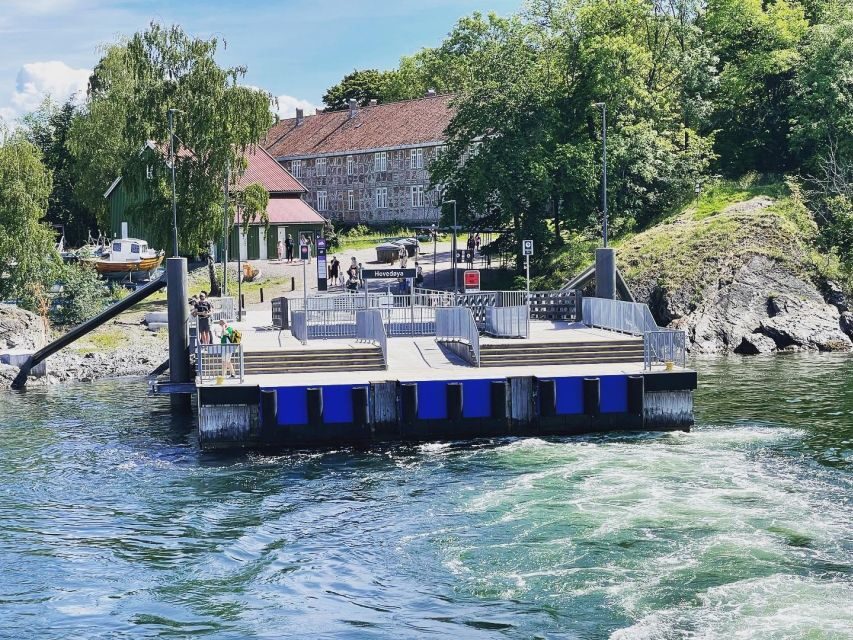
- Three islands, one tight plan: Hovedøya, Gressholmen, and Lindøya each get the right amount of time.
- Ferries are part of the experience: the water ride gives you views without extra effort.
- History you can picture: monks, monastery spaces, and old fortifications are explained in plain terms.
- Nature pacing: easy trails and open-air breaks, not “earn-your-sandals” hiking.
- Picnic-friendly rhythm: you’ll have time to eat on the islands, with options to buy snacks or ice cream.
- Great guide energy: Em and Evan are frequently praised, with Roy showing up for some departures.
Why this island walk beats a city-only day in Oslo
Oslo is easy to love for its museums and design. But if you want to understand the city, you need the water next to it. This tour does that fast, using the Oslofjord as your map. You start in the harbor, then hop from island to island like locals do in summer—without having to plan ferry schedules.
What makes this one work is the balance. You get history at Hovedøya, quieter nature on Gressholmen, and then the mood shift to cottage islands on Lindøya. It’s not just scenic. It’s also story-driven, with explanations tied to what you’re actually seeing in front of you.
And you don’t have to be an outdoors person to enjoy it. The walking is described as moderate, and the guide keeps the schedule moving. You’ll still feel like you got out of the city, which is the whole point of an island day.
You can also read our reviews of more tours and experiences in Oslo.


Meeting at Aker Brygge, finding the blue vest, and catching the ferries
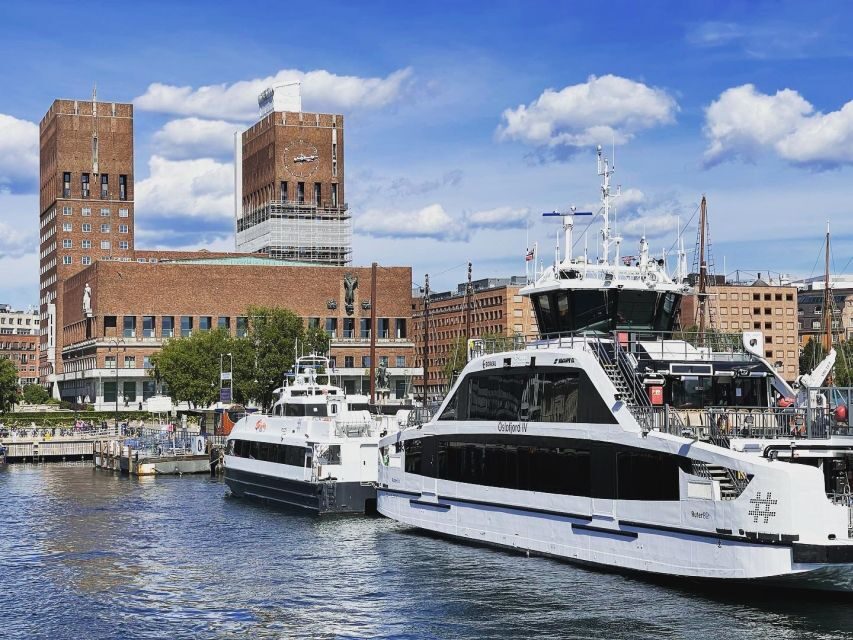
You meet at the tram stop Aker Brygge, next to the National Museum. Show up early—15 to 20 minutes before the tour start—because the day runs on ferry timing. The meeting time is 10:15 AM, and the group departs 10:25 AM.
Look for your guide with the Just Guide sign and a blue vest. It sounds small, but it makes a difference. On harbor days, everyone looks the same, and you don’t want to waste the first 10 minutes figuring out who you’re waiting for.
Once you’re on the water, you’ll quickly see why the tour is structured around ferry hops. You get sea views as travel time, and you arrive at each island already in the right “frame of mind.” This is also a bonus for anyone who doesn’t want to keep checking transit apps all morning.
Hovedøya: monks, abbey ruins, fortifications, and shoreline viewpoints
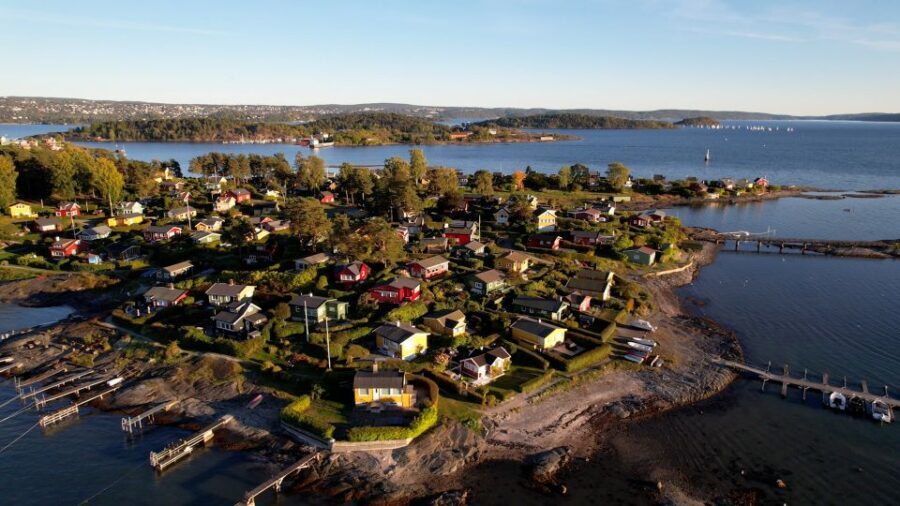
Hovedøya is the anchor of the tour. This is where you slow down and start noticing details—stonework, terrain, and the way the shoreline cuts into the sea. You’ll spend about 1 hour here, with guided time plus a walk through the ruins and surrounding paths.
The monastery story that actually clicks
The guided portion focuses on how English monks arrived after the Viking Age to help Christianize Oslo, then established a powerful monastery on the island nearly 1,000 years ago. The guide’s job is to make the timeline feel real, not like memorizing dates.
In practical terms, you’ll be able to wander among impressive ruins and imagine daily life using the spaces the monks once used. You’ll also hear how Norway’s shift from Norse culture into Christian Europe connects to what you see on the ground now.
Then the Napoleonic-era turn on the same coast
After the monastery theme, the tour continues through pastures and birch forests, leading you toward older fortifications and cannons from the Napoleonic Wars in the 1800s. That’s a neat trick for your brain: the island isn’t one era frozen in time. It’s layered.
You follow trails along a rugged coastline, stopping at beaches and viewpoints. This gives you a real sense of what “living with the fjord” means—wind, rock, and open water all around you.


The main thing to watch
This part is fascinating, but it can also be the easiest place to feel rushed if you’re the type who likes to linger. The schedule is tight by design, so if you’re hoping for a long, slow museum-style exploration, you’ll need to accept that this tour is time-managed.
Gressholmen: a calmer island break with easy trails and quiet inlets
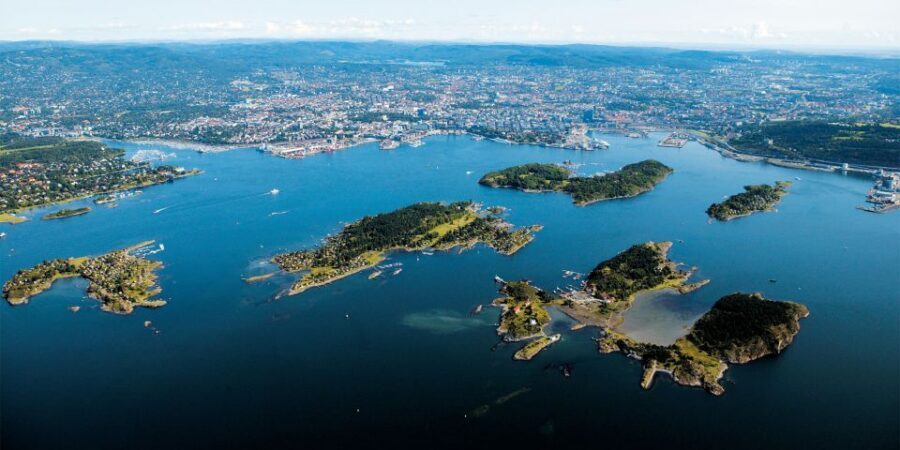
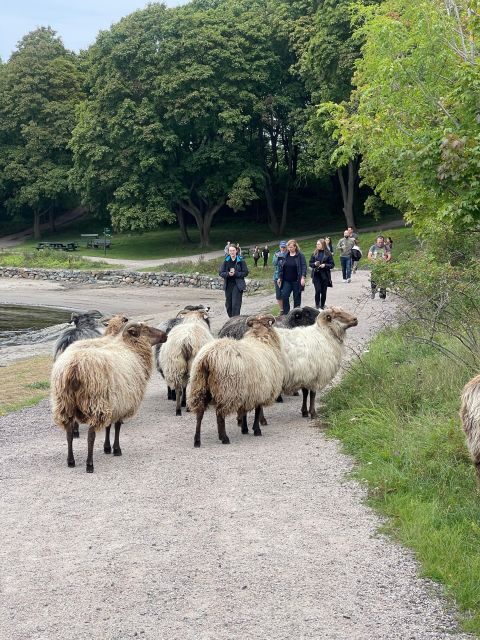
Next comes Gressholmen, a laid-back island where the vibe shifts. You’ll have about 35 minutes here. It’s less about big ruins and more about breathing room.
The tour description emphasizes open fields, forest paths, and quiet inlets. That matters because you’re coming from Hovedøya’s history-heavy stop, then you get a breather that feels like a nature walk. It’s a good reset for your legs and your attention.
On Gressholmen, your guide leads you along easy trails and explains things while you walk. The best part of a stop like this is how it reorients you. You start looking at the water again—smaller coves, calmer corners, and the natural “rooms” the island forms around people and boats.
A small planning tip
Bring water and keep an eye on your timing here. This island stop is shorter, so you want to take photos, stop for a moment, and keep moving so you don’t cut into Lindøya time later.
Lindøya: cottage islands, scenic lookouts, and the picnic moment
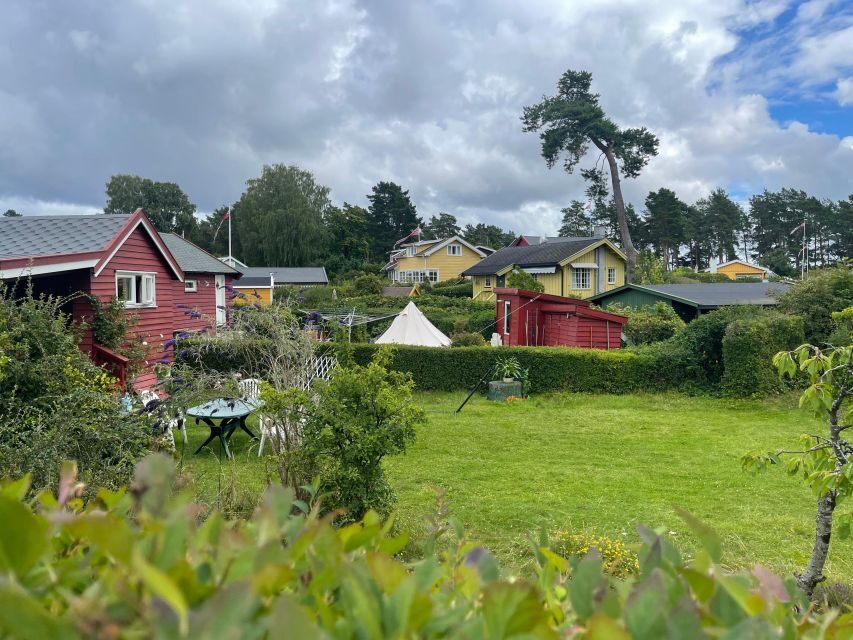
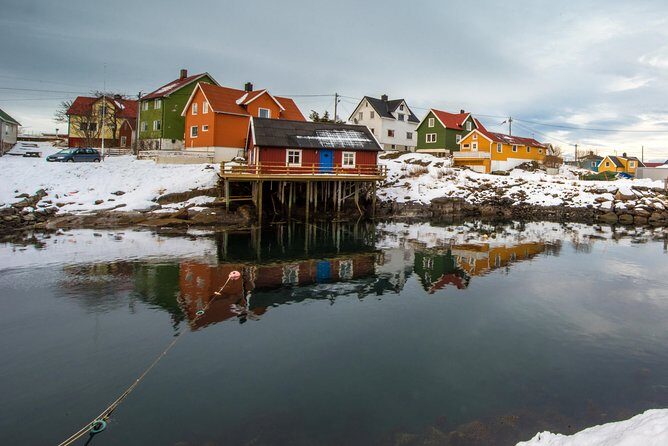
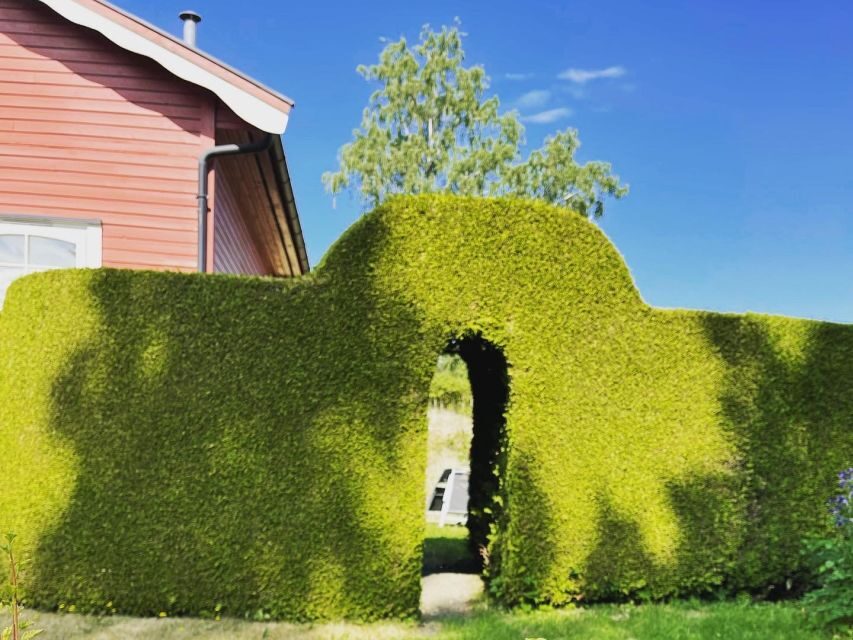
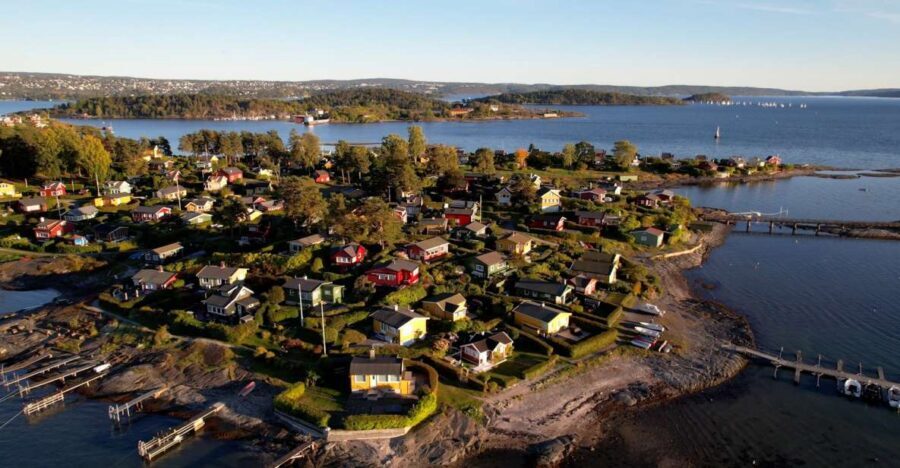
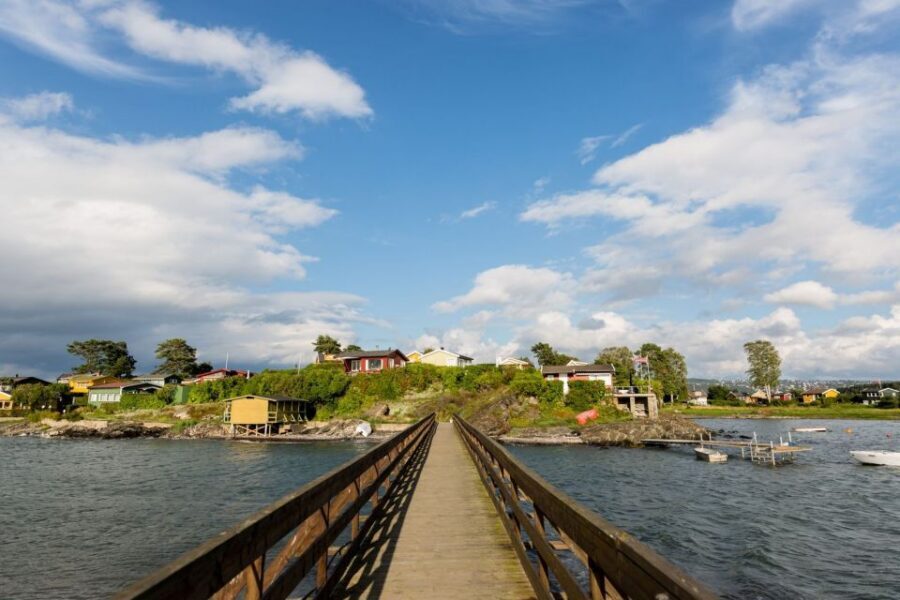
Lindøya is where the fjord starts to feel like a summer postcard—wooden houses, flower-filled gardens, and scenic lookout points. You’ll spend about 1 hour here, with guided time plus time to wander.
This is also the stop that tends to delight people who love the idea of Oslo beyond the city center. The island feels like a place locals escape to, and the contrast is part of the charm: wooden cabins and gardens set against open water and rocky edges.
Picnic time is yours to manage
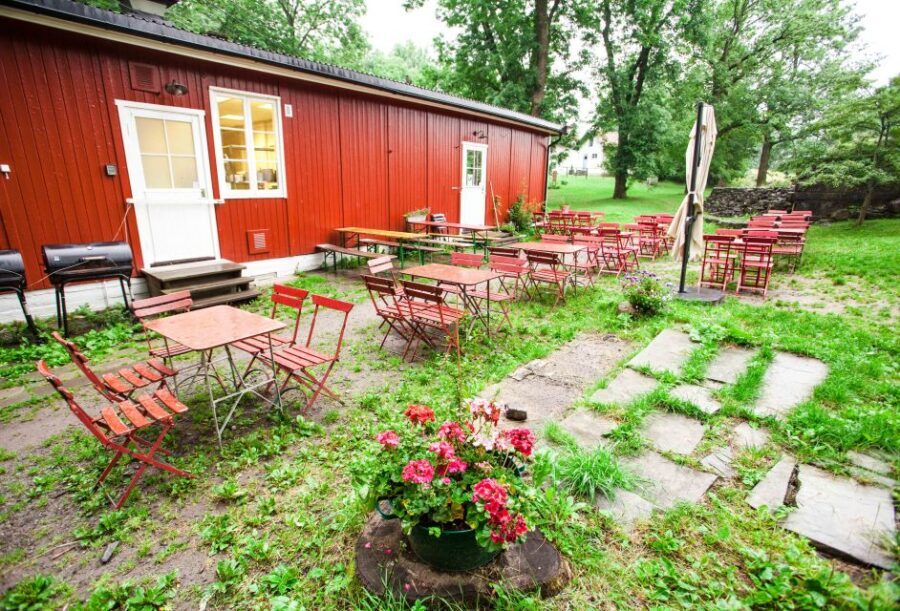
Lunch on this tour is not treated like a formal event. You’ll have time to enjoy your picnic whenever you feel like it. The guidance strongly suggests bringing your lunch, and it’s easy to see why: you’ll want food close to scenic spots rather than searching when hunger hits.
There’s also the option to stop by a local shop for snacks or ice cream if you want to top up. Even if you plan to pack your own lunch, I like having that backup.
The swim option (and how to prep)
One of the most practical details from the experience is that you may get a chance to swim on the third island. The tour encourages you to carry a backpack for swimwear, a towel, water, and food. If you think you might swim, you’ll be glad you planned for it.
How long it really feels, and what to pack for 4 hours
The tour is listed as 4 hours, but it doesn’t feel like a long slog because it breaks naturally into segments: city-to-ferry-to-island-to-walk-to-next-ferry. Short hops keep the pace lively.
You should be ready for walking on gravel, dirt paths, and stones. If your shoes are more fashion than traction, you’ll notice. Good shoes aren’t optional here.
What to bring
I’d pack like this:
- Comfortable shoes with grip
- Water
- Weather-appropriate layers
- Swimwear and a towel if you want the option
- A small backpack for lunch (and snacks)
Also, check the weather. Coastal Oslo can shift quickly with wind and cloud cover, and the islands feel cooler when you’re exposed.
Who this tour is best for
This tour is great for:
- Adults who want a fjord intro without a full-day hike
- People who enjoy history, but also want time outdoors
- Anyone who likes ferries and wants the views to do some of the work
It’s not a fit for children under 9, and it isn’t suitable for people with mobility impairments or wheelchair users. The walking surface and island routes are the issue, not the guide’s attitude.
Price and value: is $59 per person worth it
At $59 per person for 4 hours, the value depends on what you want out of the day. If you only care about photos, you could technically figure out ferry routes and do it on your own. But this tour sells something you can’t replicate easily: a guided link between the scenery and the story.
You’re paying for:
- Guided history and context at Hovedøya (monastery + later fortifications)
- A structured route across islands that makes timing painless
- Ferry rides treated as part of the experience, not just transport
- The pacing that helps you enjoy each stop without losing the group
There’s also a major value booster: you receive a public transportation ticket that can be used for up to 20 hours after the tour. That means the money can stretch further if you want to revisit the harbor area, take another ferry, or keep exploring Oslo’s waterways after the tour wraps.
This is why I see it as a strong first-or-second day activity in Oslo. It gives you bearings fast, and it makes the city’s coastal geography feel obvious.
Guides: what the best departures are like
The guiding team is a big part of the tour’s popularity. I keep seeing the same names: Em and Evan get top marks, and some departures include Roy. The common thread is how the guides combine clear explanation with real enthusiasm.
In plain terms, they do two jobs well:
- They keep the schedule moving without feeling like a drill.
- They answer questions and add color when the group is curious.
If you’re the type who asks why something is here or what you’re looking at, you’ll likely appreciate that style.
Should you book Oslo Island Walks: Island Hopping Tour?
Book it if you want a structured, scenic Oslofjord day that covers history and nature in just a few hours. It’s especially worth it if you’re short on time or you don’t want to fuss with ferry logistics yourself.
I’d skip it if you want a long, slow island exploration, or if walking on uneven surfaces is a no-go for you. And if you’re expecting a deep hiking expedition, this one is more about short walks and viewpoints than big trail mileage.
If you land in that sweet spot—comfortable walking, curious about Oslo’s coastal story, and eager to ride ferries for the views—this tour is a smart way to turn the harbor into a highlight.
FAQ
What is the meeting point for the tour?
You meet at the tram stop Aker Brygge, next to the National Museum. Plan to arrive 15 to 20 minutes early.
What time does the tour start and when do we depart?
Meeting time is 10:15 AM, with departure at 10:25 AM. The ferry departs at 10:30 AM.
Which islands are visited during the tour?
The tour visits three islands: Hovedøya, Gressholmen, and Lindøya.
Is lunch included?
No formal lunch is listed as included. You’ll have time to enjoy a picnic lunch, and it’s recommended to bring your own. There may also be a chance to stop by a local shop for snacks or ice cream.
What should I bring for the tour?
Wear comfortable shoes and bring water. Bring weather-appropriate clothing, and consider a backpack for lunch and, if you want to swim, swimwear and a towel.
Is this tour suitable for children or people with mobility impairments?
The tour is not suitable for children under 9. It’s also not suitable for wheelchair users or people with mobility impairments.