REVIEW · OSLO
Oslo: Scenic Fjord Cruise with Audio Guide Commentary
Book on GetYourGuide →Operated by The Fjords DA · Bookable on GetYourGuide
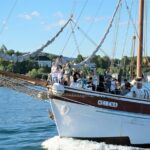
A quiet electric boat makes Oslofjord sightseeing feel easy. This 1.5-hour cruise lets you enjoy inner Oslofjord views without engine noise, plus the onboard layout makes it simple to switch between sheltered comfort and open-air deck time. I especially like the big panoramic windows for photos and the calm pace that lets the scenery register. The only watch-out: you’ll want to bring headphones, and windy weather can make the outdoor deck a bit chilly.
The route is short but smart, running past major Oslo waterfront sights and out among the nearby islands. Still, one consideration is that it stays close to the city—so if you’re expecting dramatic high-cliff fjords like western Norway, you may leave wanting more scope.
In This Review
- Key things I’d note before you go
- Electric Oslofjord Cruise: why this feels calmer than other boats
- Getting to Oslo Fjordhage: board near the Opera House
- The 90-minute loop: what each pass is really for
- Oslo Fjordhage: the easy starting point
- Passing Akershus Fortress: old stone, sea-level perspective
- Aker Brygge: the modern harbor feel
- Bygdøy Peninsula: where nature and city share the same view
- Gressholmen: small island views that make the fjord feel close
- Hovedøya Island: a quieter, more island-like stretch
- Sørenga: the waterfront you might recognize from the city side
- Oslo Opera House: the iconic finish that wraps the story
- Using the Voice of Norway app: good learning, easy setup
- Warm inside or breeze outside: how to dress and where to stand
- Getting value from the bar and drinks (without paying extra for lunch)
- Who this cruise is perfect for
- Practical tips that make the cruise smoother
- Should you book this Oslofjord cruise?
- FAQ
- How long is the Oslofjord cruise?
- What languages are available for the audio guide?
- Do I need headphones for the audio guide?
- Where do I meet for the cruise?
- Is Wi‑Fi included during the cruise?
- Is the boat wheelchair accessible?
- Are food and drinks included in the ticket price?
- Is the audio guide app included, and where do I download it?
Key things I’d note before you go
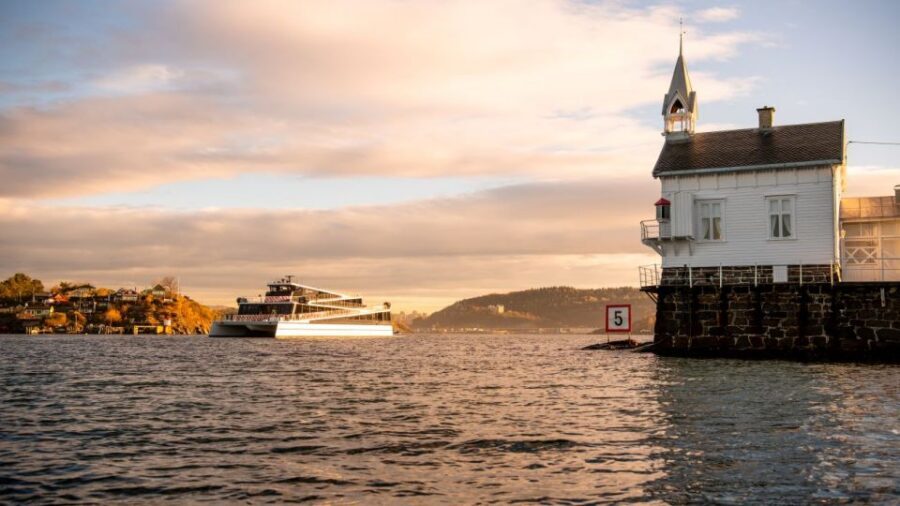
- Electric, silent-style cruising: less roar, more “just listen to the water” calm
- Voice of Norway audio in 6 languages: learn as you pass Akershus Fortress, islands, and the waterfront
- Fully accessible deck and spacious interior: easy to move around and find a good viewing angle
- Wi‑Fi onboard: handy for your phone during the trip
- Onboard bar and snacks (food not included): you can warm up or sip something while you watch
- Wind planning matters: people note it can get breezy outside, even in winter
Electric Oslofjord Cruise: why this feels calmer than other boats
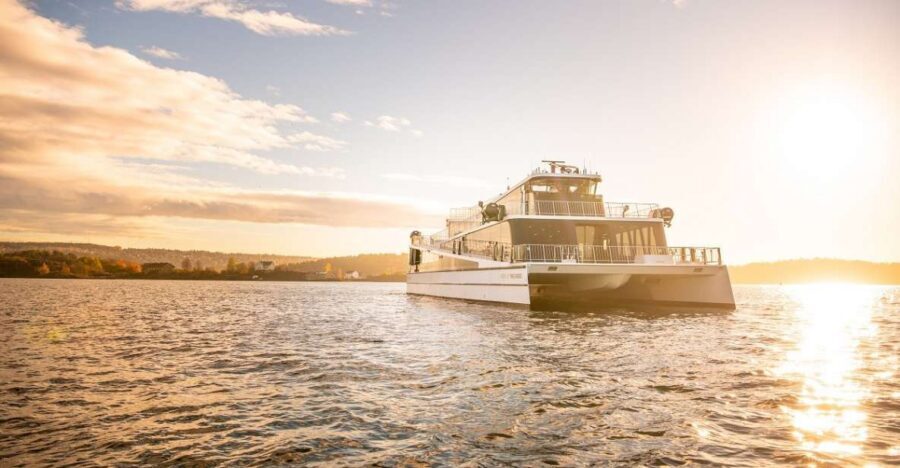
Oslo does water right, and this cruise is a friendly way to see why. You’re moving through the inner Oslofjord—close enough to the city that landmarks make sense, but far enough that islands and shoreline show you a different side of Oslo than the streets do.
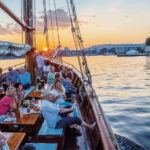
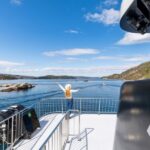
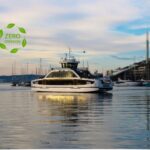
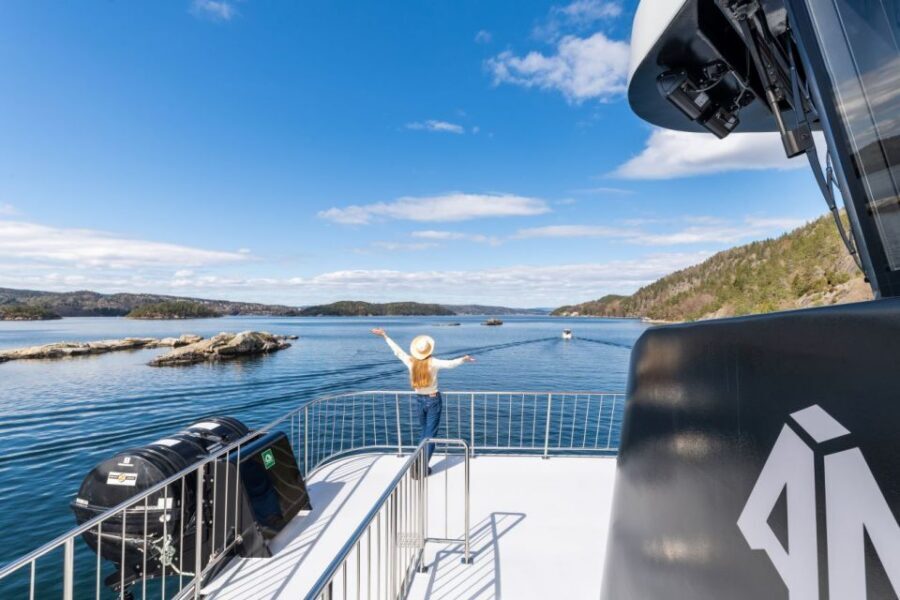
What makes it work is the electric boat itself. It feels smoother and quieter than the typical motorboat experience, so your attention stays on views rather than sound. You also get a good mix of settings: warm interior viewing with large windows, plus an outdoor deck where you can actually feel the wind if the weather cooperates.
The best part for value is that you get the full cruise experience plus an audio guide app for learning. At about $44 for 1.5 hours, it’s a practical add-on in a city where boat tours can add up fast. You’re not just buying movement—you’re buying a guided loop with time to look up, photograph, and actually take it in.
You can also read our reviews of more boat tours in Oslo
Getting to Oslo Fjordhage: board near the Opera House
You’ll meet opposite the Oslo Opera House, a few minutes’ walk from Oslo Central Station. That’s a big deal because you don’t need extra transit planning. You can pair it with a stroll around the Opera House area first, then walk straight to the meeting point when you’re ready.
From there, the cruise starts at Oslo Fjordhage. In plain terms: you can make this part of a half-day rhythm without feeling like you’re commuting across the city. And since you’re starting right by the iconic waterfront buildings, the first stretch of the ride immediately gives you context for what you’re seeing later.
If you’re bringing headphones, I’d pack them early in the day. Headphones are not included, and once you’re on the boat you’ll want your phone set up so you don’t spend the quiet moments fiddling.
The 90-minute loop: what each pass is really for
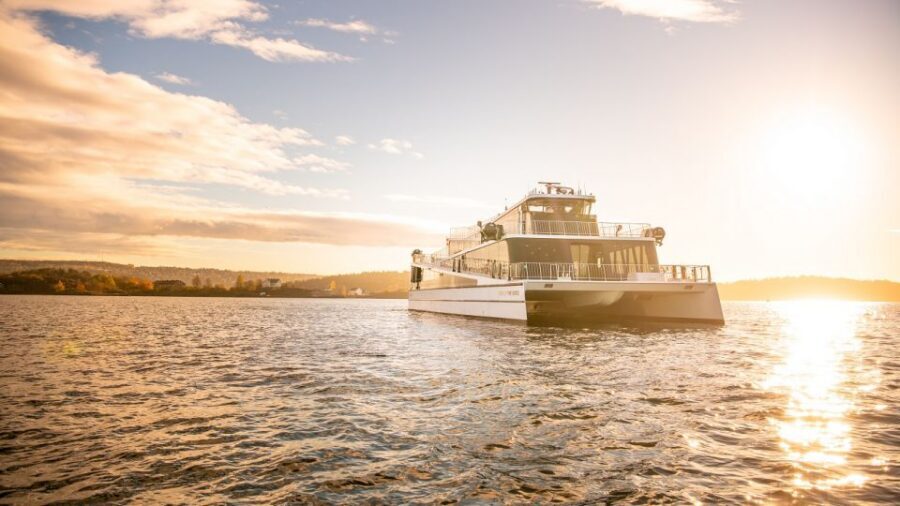
This cruise is designed as a loop. You start at Oslo Fjordhage and spend the bulk of your time cruising along the shoreline and among the nearby islands of the inner Oslofjord. Along the way, you pass several key sights that help you understand Oslo as a “city built on water,” not just a city next to it.
Oslo Fjordhage: the easy starting point
Oslo Fjordhage is all about convenience. The area gets you into the right mindset fast: you’re on water quickly, and you’re not stuck with a long travel segment before the views begin. It’s also helpful for timing—this is a short cruise, so every minute counts.
Passing Akershus Fortress: old stone, sea-level perspective
Akershus Fortress shows up early in the route. From the water, you get a clearer sense of how Oslo’s defenses and waterfront history relate to the harbor. You’ll likely spot it as a grounded, solid shape against the water, which is a different visual than seeing it from a street viewpoint.
Tip: if you’re serious about photos, be ready as you approach. Fortress walls and waterfront angles don’t stay in frame for very long on a moving boat, especially if you prefer clear shots without people in the foreground.
You can also read our reviews of more guided tours in Oslo


Aker Brygge: the modern harbor feel
Aker Brygge is the place where the cruise starts to feel like real Oslo life—waterfront buildings, city activity, and the idea of a harbor that’s used daily. Seeing it from the sea helps you connect what you might have walked past on land with how the whole area functions.
If you like design and waterfront architecture, this section gives you that “oh, that’s what that area looks like from here” moment.
Bygdøy Peninsula: where nature and city share the same view
Bygdøy Peninsula is a strong reminder that Oslo doesn’t need to travel far to find shoreline character. It’s less about big dramatic cliffs and more about the way islands, peninsulas, and buildings coexist.
This is also a nice segment for audio listening. The boat is moving at a steady, unhurried pace, which makes it easier to match what you hear in the app with what you’re seeing outside.
Gressholmen: small island views that make the fjord feel close
Gressholmen is one of the islands that helps you understand the geography of the inner Oslofjord. It’s not about scale the way some fjord cruises in other parts of Norway can be. Instead, it’s about how close nature is to the city’s edges.
You’ll probably enjoy this stop most if you like island shapes, shoreline details, and the little shifts in light when the boat angle changes.
Hovedøya Island: a quieter, more island-like stretch
Hovedøya Island adds more of that island atmosphere—again, close to Oslo rather than remote. You’ll likely feel the change as the water and shoreline become less urban and more “island day” feeling.
This portion works well for anyone who wants a calm cruise without having to leave the city behind. If you’re sensitive to motion, the steady electric style also makes it easier to relax.
Sørenga: the waterfront you might recognize from the city side
Sørenga is another pass that connects land and water. From the boat, you can better understand why this area feels like a living waterfront—part recreation, part harbor environment.
If you like to get oriented fast in a new city, this is a useful viewing section. It helps you “map” neighborhoods in your mind using the sea as your compass.
Oslo Opera House: the iconic finish that wraps the story
You’ll pass the Oslo Opera House again as you head back. This is a satisfying ending because it returns you to the landmark that anchored the start. You can look back and see the Opera House’s waterfront relationship from a viewpoint you didn’t have on land.
It’s also practical: once you arrive back at Oslo Fjordhage, you’re still in the same general zone, ready to continue your day without a big regroup.
Using the Voice of Norway app: good learning, easy setup
The cruise includes an audio guide in six languages: English, French, German, Italian, Norwegian, Spanish, and Chinese. You access it through the Voice of Norway app, and the operator provides Wi‑Fi onboard, which helps if you need to get online.
You’ll get more out of the cruise if you treat the audio like a soundtrack that guides your eyes. When you notice the boat approaching a landmark, you can time your listening so the explanation matches what you’re looking at. That makes the route feel less like a random scenic ride and more like a guided walk—just from the water.
One practical caution from real-world experience: audio controls can be a bit clunky on a phone, and outside deck listening may be harder if you’re in wind or noise. If the sound feels thin outside, I’d do this: use the outdoor deck for the views, then step inside for the clearest listening moments.
Also, keep in mind that headphones aren’t included. Bring wired headphones or a Bluetooth pair you’re confident with. If you show up with no headphones, you’ll lose part of the experience.
Warm inside or breeze outside: how to dress and where to stand
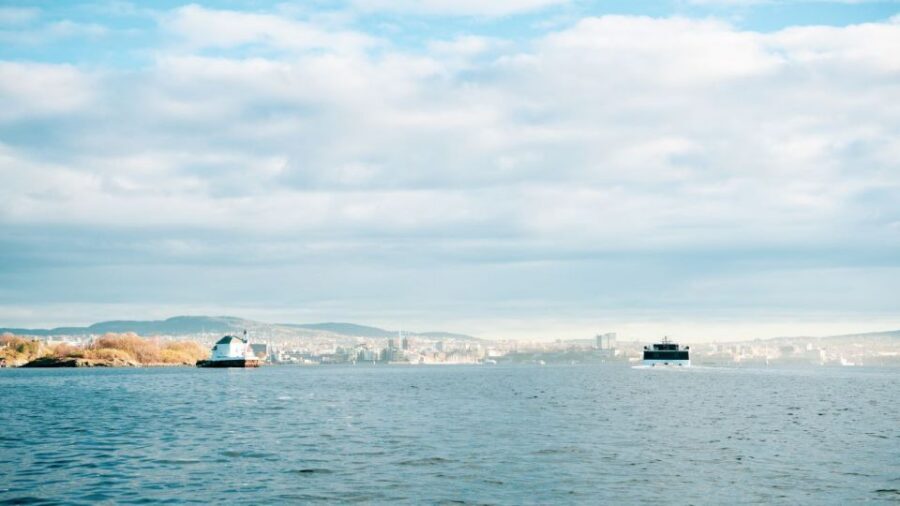
This is a cruise where you can choose your comfort level minute by minute. People like the warm, comfortable interior, but they also want outdoor air for photos and the feeling of being on the water. That choice is exactly why the boat layout works well.
If you go in winter, plan for wind. Even when the interior is warm, the outdoor deck can feel sharp because the boat is moving and the fjord can funnel breeze. In cold weather, wear layers and bring something that blocks wind at least a bit—your hoodie is only half the job.
Where to stand:
- If you care about listening and clarity, hang near panoramic windows inside.
- If you care about photos and want wind-in-your-face views, pick spots on the outdoor deck but be ready to duck inside when the breeze cuts.
And yes, it’s an electric cruise, so movement is generally smooth. If you get nervous about boats, this is still one of the calmer options for staying relaxed on the water.
Getting value from the bar and drinks (without paying extra for lunch)
The cruise includes the boat and audio guide, but food and drinks are not included. That said, the onboard bar lets you purchase coffee, hot beverages, snacks, and alcohol if you want it.
This matters for value because it lets you shape the trip. If you want a simple sightseeing hour and a half, you can skip spending after you pay for the ticket. If you’re going during a cold month or you just want to make the experience feel more like a mini outing, buying a drink is an easy add-on.
A nice bonus: the overall boat facilities are modern and clean, with plenty of space to move. It’s the kind of ride where you don’t feel trapped in one corner.
Who this cruise is perfect for
I think this tour fits best when you want one thing: a low-effort, high-view experience with good orientation.
You’ll likely love it if:
- You’re short on time and want a fast Oslofjord orientation in 90 minutes
- You want to learn as you look, using the audio guide in multiple languages
- You prefer calm sightseeing over rushing between stops
- You’re traveling in any season and want an option with warm interior seating
It’s also a solid choice if you need wheelchair accessibility. The deck is described as fully accessible, and that makes it easier for everyone to enjoy the ride without awkward constraints.
On the other hand, if your dream is massive fjord drama with towering cliffs far from the city, this route stays more “inner fjord” than “far-fjord epic.” You’ll still get gorgeous water-and-islands scenery, but it’s a different kind of Norway than the western highlights.
Practical tips that make the cruise smoother
Here are a few things I’d do to make this feel effortless:
- Bring headphones before you go. You can’t assume you’ll borrow or buy them onboard.
- Download and test the Voice of Norway app ahead of time when you can. If you’re setting up on the boat, do it early so you’re ready when the first landmarks arrive.
- Choose your viewpoint strategically: inside for audio comfort, outside for the full wind-and-water feel.
- Dress for wind on the outdoor deck, especially in colder months.
- Keep expectations realistic about the route: it’s a close-in fjord cruise focused on Oslo’s waterfront and nearby islands.
Should you book this Oslofjord cruise?
I’d book it if you want an easy, scenic water loop that also teaches you what you’re seeing. For most people, it’s the kind of activity that improves your whole Oslo visit because it gives you perspective—literally—on where the city’s waterfront landmarks sit and how quickly nature shows up around the edges.
Skip it only if you’re seeking a long remote fjord journey far from the city, or if you’re arriving without headphones and you don’t want to spend extra money on that missing piece.
If you do book, plan your day so you arrive with enough time to get your phone ready, then settle in. Once you’re underway, this cruise is exactly what it promises: a quiet, electric ride with great views and an audio guide that turns passing landmarks into real understanding.
FAQ
How long is the Oslofjord cruise?
It runs for 1.5 hours.
What languages are available for the audio guide?
The audio guide is available in English, French, German, Italian, Norwegian, Spanish, and Chinese.
Do I need headphones for the audio guide?
Yes. Headphones are not included, so you should bring your own.
Where do I meet for the cruise?
Meet opposite the Oslo Operahouse, a few minutes’ walk from Oslo Central Station.
Is Wi‑Fi included during the cruise?
Yes. Wi‑Fi is included onboard.
Is the boat wheelchair accessible?
Yes. The cruise is wheelchair accessible, and the deck is described as fully accessible.
Are food and drinks included in the ticket price?
No. Food and drinks are not included, but you can purchase them onboard.
Is the audio guide app included, and where do I download it?
The audio guide comes through the free Voice of Norway app, and you can download it using the provided link: https://explore.voiceofnorway.no/route/2410