REVIEW · OSLO
The Grand Oslo Ride: E-bike Experience
Book on GetYourGuide →Operated by The Oslo Tour · Bookable on GetYourGuide
Oslo by e-bike feels like cheating. You zip through Vigeland Sculpture Park and ride along the Akerselva River with way less effort than you’d expect. One catch: if it’s pouring, Vigeland’s outdoor sculptures and slick paths can feel like a wet test of your optimism.
I like that the route hits top-name sights fast, then slows down where it counts. The Royal Palace area (Slottsplassen 1) is close enough to glance and appreciate without turning your day into a time sink. The ride is built for relaxed sightseeing, but it still means you’re sharing streets and crossings with real Oslo traffic and pedestrians.
The vibe is practical and guided: you get a safety briefing, an English-speaking guide, and a modern e-bike that makes hills manageable. It’s also small—up to 10 people—so you’re not trapped in a giant group shuffle. Still, you’ll need basic bike comfort, and the weather will matter more than on a bus tour.
In This Review
- Key points worth knowing before you go
- Why Oslo works so well on an e-bike loop
- Price and value: what $57 buys you (and what it doesn’t)
- Meeting at The Battery Oslo and getting oriented quickly
- The Royal Palace and Slottsplassen: the fast introduction that works
- Vigeland Sculpture Park: the stop that most people remember
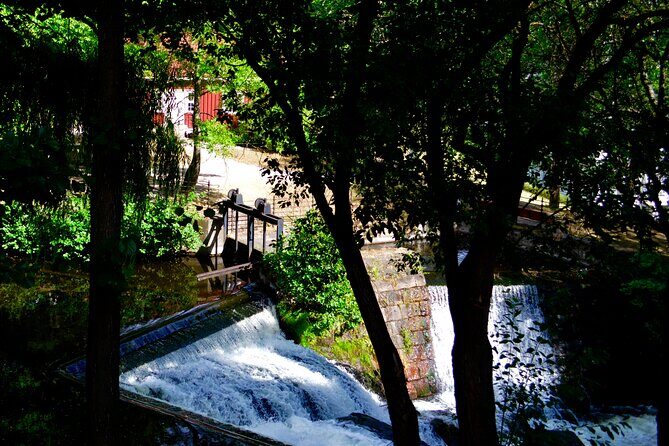
- Akerselva River ride: how Oslo’s geography clicks into place
- Grønland and the city’s everyday streets
- Oslo Opera House and Nobel Peace Center: icons plus meaning
- Sentrum and Karl Johans Street: the classic stroll, minus the walking
- Akershus Fortress at the end: finishing with a view of the whole picture
- How hard is it, really: e-bike assist, pacing, and real-world traffic
- Guides make the difference: Lisa, Alex, Casper, Kevin, and the rest of the crew
- Who this e-bike tour suits best
- Classic April–October vs Cozy Winter: what changes when snow shows up
- What to bring (and what to leave at home)
- Should you book The Grand Oslo Ride? My decision guide
- FAQ
- Where is the tour start point?
- How long is the tour?
- What is included in the price?
- Do I need to bring my own water or snacks?
- Is a helmet required?
- Are winter tours different from the classic tour?
- Who should not join this e-bike tour?
Key points worth knowing before you go
- Vigeland Sculpture Park time is short but focused so you still have energy for the rest of the loop
- Akerselva River is a signature ride that helps you understand Oslo’s geography fast
- You’ll see major landmarks plus local streets without feeling like you’re speed-running
- Guides like Lisa, Alex, Casper, and Kevin set the tone with clear pacing and frequent check-ins
- E-bike assist helps on inclines but you still control effort by changing assistance levels
- Rain and traffic are the real variables so bring the right attitude (and shoes)
Why Oslo works so well on an e-bike loop
Oslo is a city of layers: grand buildings downtown, neighborhoods that feel lived-in, and waterfronts that connect everything. On foot, you’d spend half your time just moving between points. On a bike with pedal assist, you get to actually look up, read the streets, and notice details without arriving exhausted.
This tour does a smart thing: it uses e-bike power to buy time. You cover a lot of ground in about 3 hours, yet you still get moments to stop and take photos. That balance matters, because Oslo’s best impressions come from both the obvious sights and the smaller visual cues—how people move, where the bike lanes run, and how the river cuts through the city.
The other big win is the variety. You’re not only doing monuments. You’re doing a real slice of city motion, with the Akerselva River ride acting like a natural thread through the day. It’s the kind of route that helps you understand Oslo without needing a textbook.
You can also read our reviews of more cycling tours in Oslo
Price and value: what $57 buys you (and what it doesn’t)
At about $57 per person for a 3-hour guided e-bike tour, this sits in the “good value if you’re short on time” category. You’re paying for three things you’d otherwise have to stitch together yourself:
- An e-bike (not just a bike—this is the assist that makes the hills workable)
- An English-speaking guide to connect what you’re seeing to what it means
- A planned route that mixes famous landmarks with practical shortcuts
What you’re not paying for is the stuff that people often assume is included: food and drinks and water. You’ll want to bring water and a snack plan, especially because you’ll be riding continuously between stops.
Is it expensive compared with a self-guided bike rental? Maybe. But for solo visitors, couples, and small groups, the guide route is what turns the day from logistics into sightseeing. When you only have a limited number of hours in Oslo, paying for that direction is usually worth it.
Meeting at The Battery Oslo and getting oriented quickly
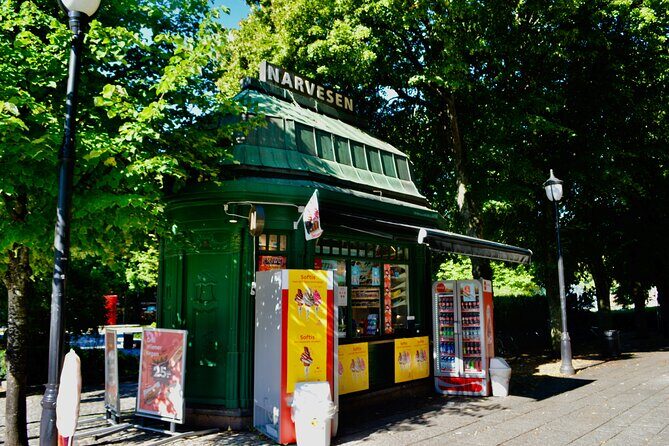
Your starting point is The Battery Oslo – Resource Center for NGOs. Plan to arrive early because you’ll do a short safety briefing (about 10 minutes) before you roll.
The company also mentions a newer office at Fredensborgveien 22F, with a bell labeled The Oslo Tour. In practice, this kind of setup can be easy to miss if you arrive right at the minute. If you can, build in buffer time. Oslo days run smoothly when you’re not sprinting to find the exact door, especially with gear, shoes, and an e-bike involved.
Tip that comes straight from experience-style reality: find the office, confirm your bike, and do a quick comfort check before everyone mounts up. It saves stress later.
The Royal Palace and Slottsplassen: the fast introduction that works
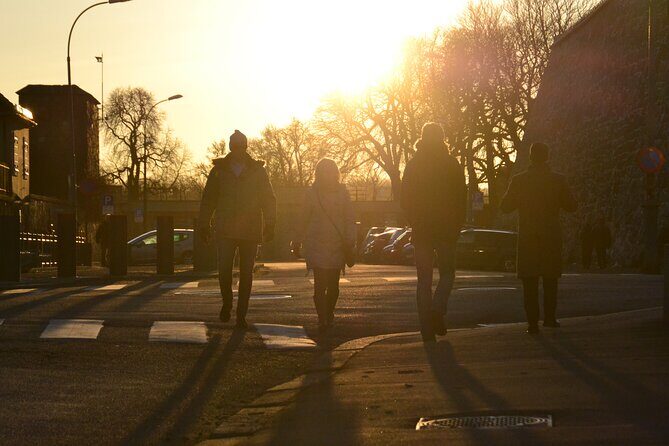
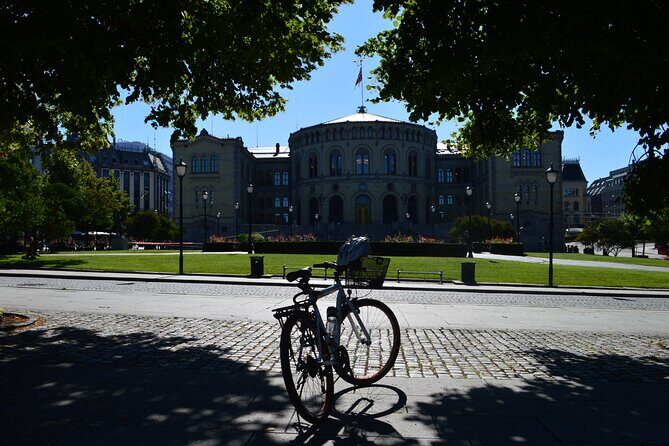
You get a brief moment at the Royal Palace on Slottsplassen 1, 0010 Oslo. Five minutes doesn’t sound like much, but it’s enough for the right purpose: orientation. This is where Oslo’s ceremonial center tells you what kind of city you’re dealing with.
Standing here (and then riding onward) helps you understand distances and sight lines. You’ll feel how the “palace axis” connects to the rest of the downtown sightseeing. If your time is limited, this kind of quick anchor stop is exactly what you want.
Also, it’s an easy win for photos. The palace area is central, so you’re not losing time on transit to start your day.
Vigeland Sculpture Park: the stop that most people remember
Vigeland Sculpture Park is one of those places where the sculptures do the talking. Your visit is about 20 minutes, which is short enough to keep the day moving, but long enough to walk the highlights and get the emotional punch.
There’s a practical note to take seriously: the park is outdoors. If it’s raining hard, the experience changes. Wet ground means slower footwork, and you’ll probably feel like you’re thinking about umbrellas more than art. That said, even in bad weather, being able to combine Vigeland with the rest of the city by bike is the advantage—your day doesn’t collapse when clouds show up.
I also like that the tour doesn’t try to turn Vigeland into a long academic lecture. You’re there to see, feel, and move on.
A few more Oslo tours and experiences worth a look
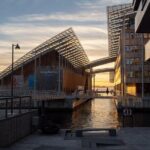
Akerselva River ride: how Oslo’s geography clicks into place
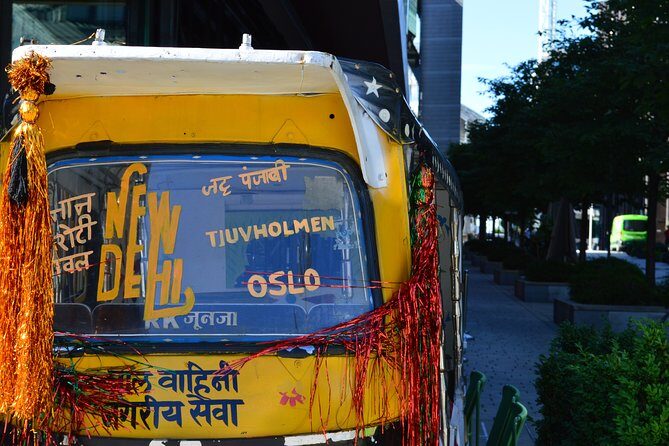
The Akerselva River segment is about 15 minutes of electric bike riding. This is not just scenic. It’s structural. The river is a spine that helps you visualize how Oslo flows: neighborhoods, bridges, and changing surroundings.
Riding here is the kind of “wait, that’s Oslo?” moment that makes guided biking worth it. On a map, the river looks like a line. On the ground, with your bike rolling beside it, it becomes a route you can understand.
This also tends to be where the ride feels most distinctly Oslo—less generic than postcard landmarks. If you want one signature memory from the tour, make it the river stretch.
Grønland and the city’s everyday streets
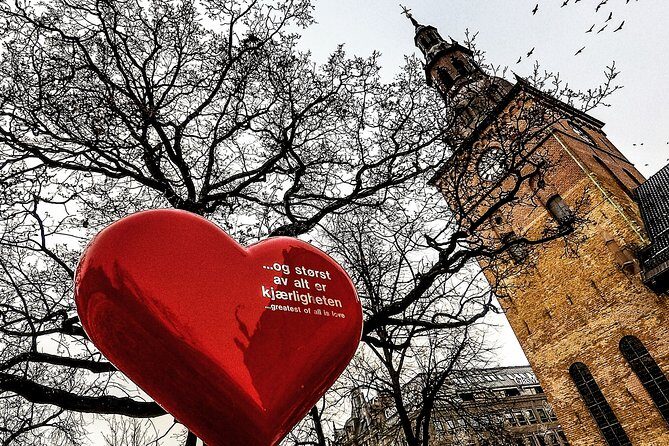
You pass through Grønland during the ride (two segments of about 15 minutes each). This part of the route is useful because it shows you Oslo beyond the postcard zone.
Grønland is where the city feels more lived-in, and it’s a reminder that you’re not only visiting sights—you’re moving through a real neighborhood. It can also be a mental reset after the big landmark intensity. You’ll see how the bike lanes and road design shape daily movement.
And then there’s a bonus sight listed in the highlights: Hønse-Lovisas Hus (Sandakerveien 2). It’s close to the action where you’d likely notice it while riding through the broader area. When you catch a building like that on the way, it makes the day feel more like exploration and less like a checklist.
Oslo Opera House and Nobel Peace Center: icons plus meaning
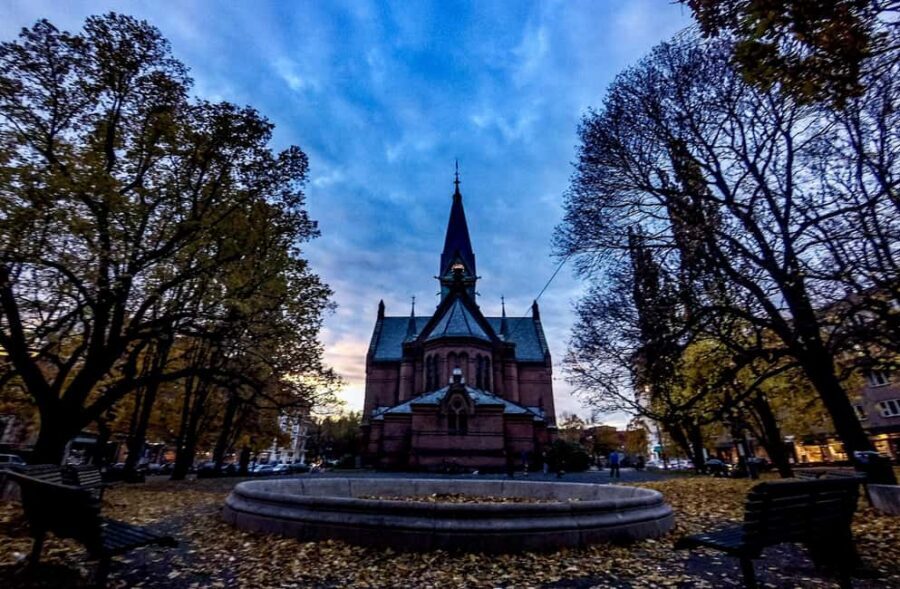
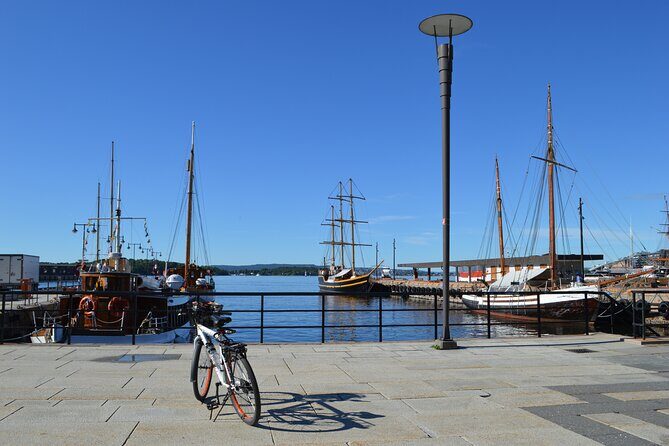
The route includes a stop by the Oslo Opera House for about 15 minutes. Even without deep commentary, the Opera House area helps you place Oslo’s modern identity. It also gives you a change of pace: big architecture, open sight lines, and lots of photo opportunities.
Then you hit the Nobel Peace Center. Your time here includes a break. That matters because it’s not only about seeing; it’s about resetting your legs, your posture, and your attention. If you want to look around without feeling rushed, the break helps.
One more practical point: this part of the city can be busy. In the reviews, people note that traffic, crossings, and lights are real factors. So treat this like biking with focus, not biking while daydreaming.
Sentrum and Karl Johans Street: the classic stroll, minus the walking
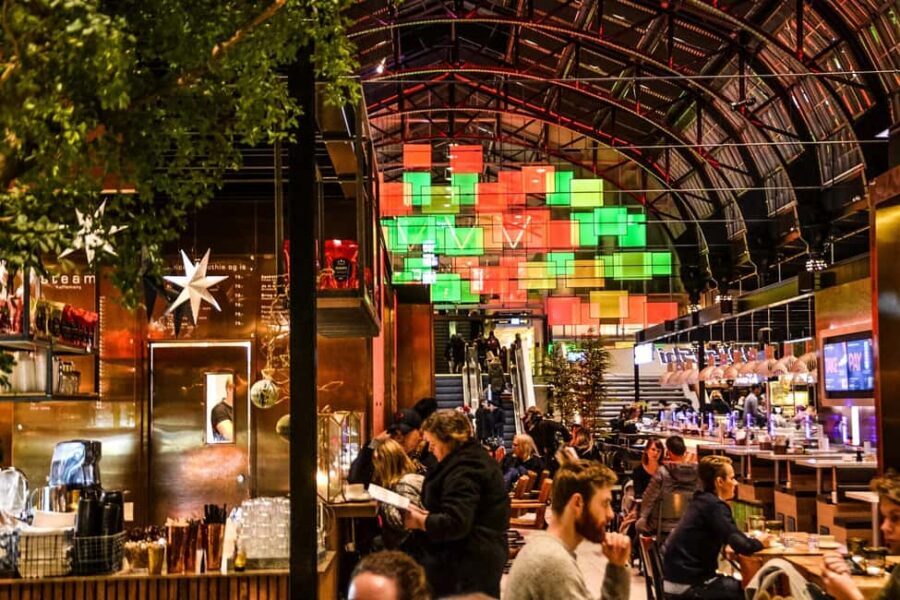
After the Nobel Peace Center area, the tour moves through Sentrum and rides along Karl Johans Street (with multiple electric bike segments). This is the heart-of-town route that you’d normally reach by walking.
The value here is time. You get the boulevard experience—without the sore legs that usually come with trying to see the whole strip on foot. You also get the guide’s context as you move, which helps turn familiar streets into something you can interpret.
If you only have a few hours and you want the downtown feel, this section delivers what it promises.
Akershus Fortress at the end: finishing with a view of the whole picture
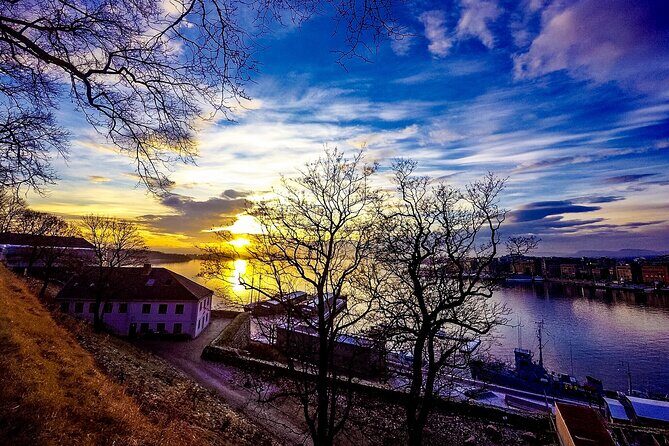
The tour ends with a ride to Akershus Fortress, another part of Oslo that instantly makes the city look bigger than it is. It’s a strong closing move because it gives you perspective: you can feel where the waterfront and city core connect.
Coming in at the end also helps you avoid the common problem with tours: saving the best viewpoint for last but then running out of energy. Here, you still have time to enjoy the moment.
How hard is it, really: e-bike assist, pacing, and real-world traffic
This is an easy-medium ride for people who can ride a bike. The e-bikes are designed to make hills feel manageable, and the assist means you can keep moving without burning out.
That said, you still need to ride with awareness. Even on an e-bike, you’re dealing with pedestrian crossings, traffic lights, and bike-lane merges. One helpful review-style takeaway to remember: you need your wits, because you’re not always riding right next to the guide.
Also learn your settings. Reviews mention adjusting the level of assistance when you need it, especially on climbs. Don’t just leave the assist at one level all day. If you feel like you’re working too hard, change it. If you’re coasting too easily, downshift. Your comfort level should guide your settings.
Guides make the difference: Lisa, Alex, Casper, Kevin, and the rest of the crew
What stands out most is how guides handle the human side of a bike tour: pacing, safety checks, and explanation timing. Names that pop up include Lisa, Alex, Casper, Kevin, Carlos, Manuel, and Martin.
The common thread across guides is clear communication. People repeatedly describe guides stopping to explain what you’re seeing and checking that everyone is okay. That’s not fluff. On a city bike route, those mini-cues prevent confusion and keep the group together.
If a bike hiccups, the better guides keep things moving. One example described a guide giving up their own bike and switching to another mode to avoid stopping the tour. That’s the kind of competence you hope for when you’re paying for a timed, multi-stop experience.
Who this e-bike tour suits best
This tour fits you if you:
- Can ride a bike at a basic level
- Want to cover a lot of Oslo in about 3 hours
- Like a guided route that includes both famous sights and everyday streets
It’s also a good option for people who don’t want the workout of a full-on pedal-only ride. The assist handles the hills, and the pace is designed to leave room for photos and short stops.
It may not fit you if you have mobility or health constraints listed by the operator, including back problems, heart problems, respiratory issues, or if you use a wheelchair. It’s also not for people under certain height and age limits, including children under 11 and riders under 160 cm (5 ft 2 in).
One more note: if you’re nervous around traffic, take that seriously. This isn’t a quiet path-only ride. It’s a guided city ride.
Classic April–October vs Cozy Winter: what changes when snow shows up
If you’re traveling outside summer, pay attention to the seasonal format.
- Classic Grand Tour (April–October): about 2.5 to 3 hours, designed around longer daylight and warmer conditions.
- Cozy Winter Tour (November–March): shorter, about 1.5 to 2 hours, with extra winter safety.
Winter riders get studded winter tires for grip on snow and ice. That’s a big deal in a city where icy surfaces can make cycling feel sketchy quickly.
Winter also comes with an important caveat: some sight spots might be cut off if conditions are difficult or there are special events. That’s not a failure; it’s route safety and timing.
If your goal is to see the most possible sights, choose Classic. If your goal is to see Oslo in a colder, quieter mood without freezing through it, choose the Cozy Winter version.
What to bring (and what to leave at home)
The operator gives clear guidance, and you should follow it. Bring:
- Comfortable shoes and sports shoes
- Comfortable clothes
- Water
- A backpack is recommended, or you can leave your stuff at the office
Helmet is listed as optional, but you’ll likely feel safer if you use one anyway, especially if you’re not used to biking in traffic.
You should also be prepared for weather. A rain poncho is not included, so if rain is common in your travel window, pack one. One reason: Oslo can go from drizzle to full-on wet quickly.
Should you book The Grand Oslo Ride? My decision guide
Book it if you want a smart, efficient Oslo day without spending half your time figuring out transport. The big reason to choose this tour is that it pairs iconic Oslo (Royal Palace, Opera, Nobel Peace Center) with a route that teaches you the city (especially the river ride). For a first-time visit or a short stay, it’s a strong use of time.
Skip it if you:
- Don’t feel comfortable riding in city traffic conditions
- Are looking for a long museum-style pacing
- Need a fully weatherproof plan
If you’re within the ride requirements and you enjoy moving through a city, you’ll likely find this is one of the easier ways to get a real sense of Oslo fast.
FAQ
Where is the tour start point?
The tour starts at The Battery Oslo – Resource Center for NGOs.
How long is the tour?
The classic option runs about 3 hours, with a 2.5 to 3-hour range depending on group size. The winter option is about 1.5 to 2 hours.
What is included in the price?
You get an e-bike and an English-speaking guide.
Do I need to bring my own water or snacks?
Food and drinks are not included, and water is not included either, so bring water and plan your own snack.
Is a helmet required?
A helmet is listed as optional.
Are winter tours different from the classic tour?
Yes. Winter tours use studded winter tires for grip on snow and ice and run for a shorter time. Some sight spots may be skipped due to conditions or special events.
Who should not join this e-bike tour?
It’s not suitable for people who can’t ride a bike, wheelchair users, riders under 160 cm, and it lists health-related limitations including back problems, heart problems, and respiratory issues. Children under 11 are also not included.