REVIEW · OSLO
Oslofjord Sightseeing
Book on Viator →Operated by Trollcruise AS · Bookable on Viator
Oslo looks different from the fjord. I like that this is a short, easy cruise that still hits big landmarks like Akershus Fortress, and I also like the flexible Bygdøy stop, so you can time your return. The main drawback to plan around is that it can feel slow at points, and on breezy days the narration can be harder to hear from farther back.
You’ll also be outside long enough to feel the wind, so pack for cold—even if the boat is heated. One more thing I’d keep in mind: it’s a family-friendly cruise, which can mean noise if you land near a group of kids.
In This Review
- Key things I’d watch for before you go
- Why this Oslofjord cruise is such an easy win
- The route: Oslo’s waterfront landmarks, lighthouses, and fortress views
- Getting the audio guide working for you (and when it’s tricky)
- Bygdøy at the end: why this stop is a smart payoff
- Onboard comfort: windows, heating, WiFi, blankets, and restrooms
- Snacks and drinks: what’s included vs what you should budget
- Timing, pace, and crowd reality on a 2-hour cruise
- Price and value: is $48.22 a good deal?
- Who should book, and who might prefer something else
- Tips I’d follow to make your cruise smoother
- Should you book the Oslofjord Sightseeing cruise?
- FAQ
- How long is the Oslofjord sightseeing cruise?
- Where does the cruise depart from?
- What sights do you see during the cruise?
- Is there an audio guide on board?
- Are snacks and drinks included?
- What happens if weather affects the cruise?
Key things I’d watch for before you go
- Electric boat + panoramic windows for wide-open sightlines without climbing around
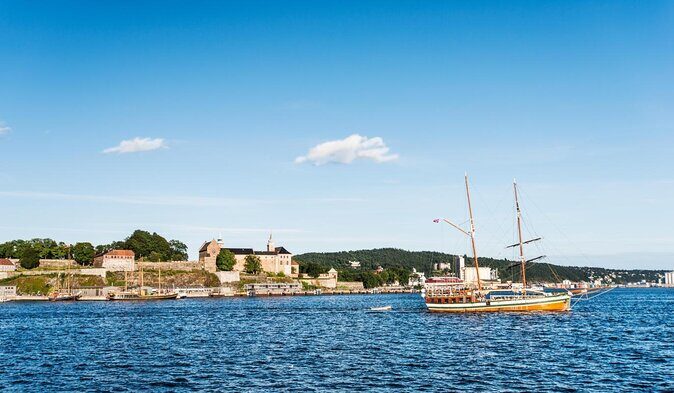
- Akershus Fortress and the Opera/Munch area early in the route, when the light is usually best
- Onboard audio via intercom and an audio system that adds context to what you’re seeing
- Heated cabin and free blankets, useful when you’re taking photos from the deck
- Stop near Bygdøy (Fram area) where you choose when and how you return
- Cold-weather reality check: the fjord wind chill is real, even in winter-safe Norway
Why this Oslofjord cruise is such an easy win
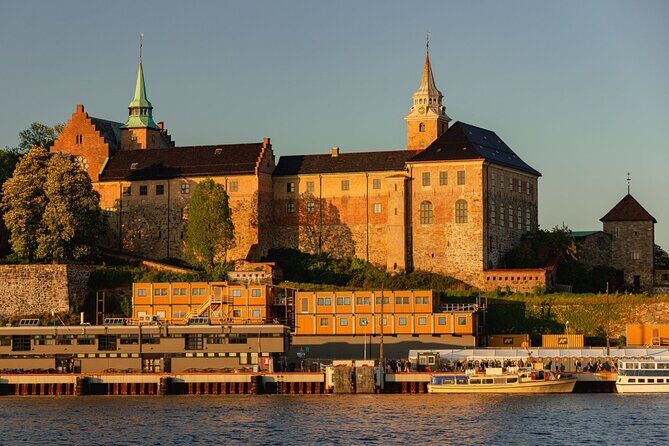
If Oslo is on your list and you want water views without spending half your day commuting, this cruise is a strong move. It’s only around two hours, it runs from the City Hall pier area, and it takes you along the shoreline where the city’s “big stuff” sits right by the water.
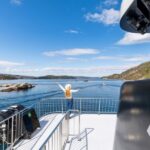
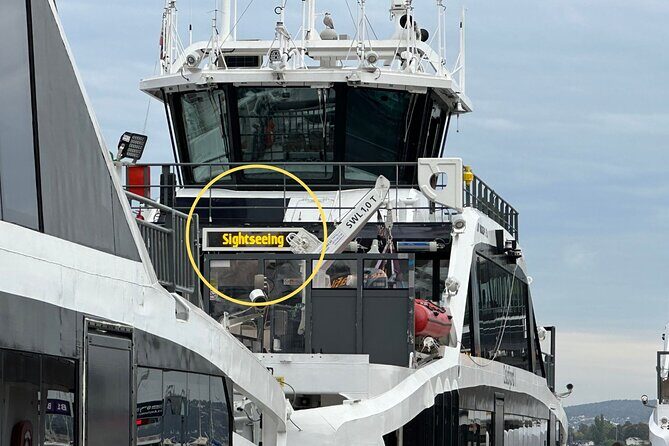
What makes it especially practical is the mix of sightseeing plus comfort. You get panoramic windows inside, you can step out onto spacious outside decks for photos, and the boat is designed to keep the experience moving even though it’s not a speedboat rollercoaster. You’ll also have restrooms onboard, plus WiFi and blankets to help you stay out there long enough to actually enjoy the fjord views.
The vibe is also flexible. You’re not stuck with a rigid bus-style stop-and-go schedule. The end is near Bygdøy, and you can choose when and how you return, which can save time if you’re trying to stack museum visits or just wander at your own pace.
You can also read our reviews of more tours and experiences in Oslo.

The route: Oslo’s waterfront landmarks, lighthouses, and fortress views
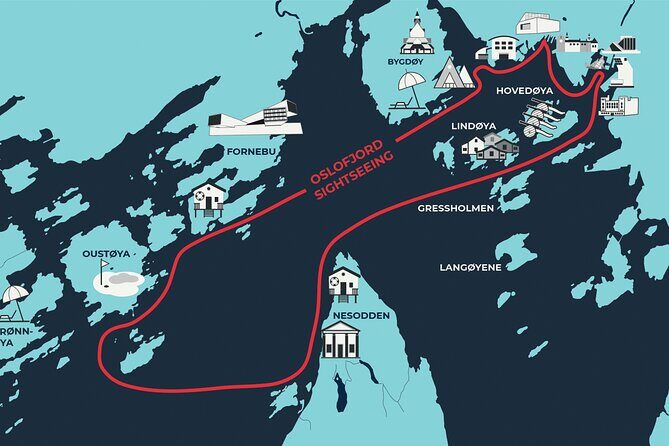
The cruise starts at Oslo City Hall pier area (City Hall pier 4), and the first stretch is all about the skyline hugging the water. As you leave, you’ll get great shoreline views of landmarks like Akershus Fortress, the Opera House, and the Munch Museum. These are the kinds of places you can read instantly from the fjord—architecture that looks different from the water, and easier to place in your mind than when you’re walking street blocks away.
As the boat moves along, you pass islands and historic points that give the fjord a lived-in feel. There’s Hoveøya, noted for cannons facing across the water. That’s not just trivia—it’s a good reminder that this water isn’t a postcard background. It’s part of Norway’s defense history and maritime geography.
Then you shift into that classic Oslofjord “islets and inlets” rhythm. You’ll pass Bygdøy, where the Fram Museum sits, and you’ll glide by Dyna Lighthouse, a recognizable landmark that makes it feel like more than a quick harbor hop. If you like seeing how hills and coastlines shape the city, this portion delivers. Oslo’s hills rise around the fjord, and from the water you can see how the city grew into that terrain.
One small thing to be aware of: it’s a waterfront cruise, not a deep-wild fjord expedition. You’ll see plenty of water and islands, but it’s mainly the Oslo shoreline story—excellent if you want city-and-coast, less so if you were hoping for remote, dramatic fjord walls.
Getting the audio guide working for you (and when it’s tricky)
The cruise includes an audio component—both onboard commentary and an audio system that supports what you’re seeing. This matters because the views come fast. The audio helps you connect names to real geography, so you’re not just looking at random shoreline shapes.
I like that the experience is designed for more than one style of traveler. If you want facts, the narration gives you history and geography. If you’re more “photo-first,” you can still let the audio fill in the blanks while you frame shots.
That said, one real-world consideration shows up in experiences: the narration can be hard to hear at times. Wind noise and deck crowding can mess with sound. If you care about the commentary, choose seating that isn’t directly in the loudest airflow path, and don’t expect every spoken detail to land perfectly if you’re standing far from speakers.
Also, some people reported using an audio app that plays information when you approach landmarks. If that’s available on your sailing, it’s worth checking—because it turns the cruise into a moving guidebook instead of a one-time talk track.
Bygdøy at the end: why this stop is a smart payoff
The end of the cruise lands near Bygdøy in the Fram museum area zone, and you can choose when and how you return after you disembark. This is a big part of the tour’s value: it lets you turn the boat ride into part of a longer museum or waterfront walk day.
Practically, Bygdøy is the kind of place where you might want to extend your time without backtracking. If you’re planning to go to museums on the peninsula, arriving by boat can feel like a warm-up. You’ve already seen the area from the water, and now you can step into it.
The vibe here is also calmer than the immediate city center. It’s a good option for travelers who want “one structured activity” plus “room to roam” afterward. If you’re planning your day tightly around specific museums, this flexible return timing is the sort of detail that keeps your schedule from collapsing.
One downside to keep in mind: because your return is partly up to you, you’ll want to be clear about how you’ll get back to your next stop. If your next plan requires tight timing, give yourself some buffer so you’re not sprinting in cold weather.
Onboard comfort: windows, heating, WiFi, blankets, and restrooms
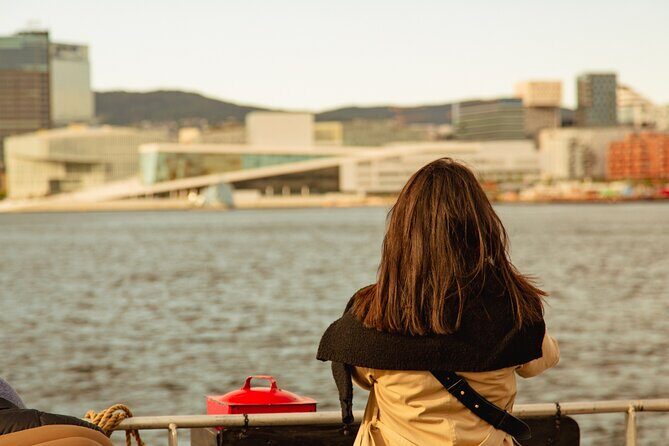
This boat is built for sightseeing, and you feel it in the layout. Outside decks are designed to be walkable, and there are lots of views through panoramic windows inside. That matters when weather turns, because you can still get good photos and good sightlines without spending the whole time exposed.
Comfort is a strong point here. You’ll have a climate system/heating inside, and you’ll get blankets. In winter, that combination is the difference between enjoying the deck time and feeling like you’ve been personally challenged by the wind. Reviews from January-style conditions also point out that it can be bitter, and the wind chill really bites.
If you’re worried about cold in shoulder seasons, plan like this: go out on deck briefly for your photos, then return inside to warm up and reset. The tour length is short enough that you won’t feel trapped in weather misery.
You’ll also have restrooms onboard, plus WiFi. That’s surprisingly helpful when you’re taking photos and want to quickly look up something you’re seeing—without needing to save your battery for later.
One more comfort note: the boat is electric and tends to feel smooth. Motion sickness is often a concern for fjord activities. One account highlighted that the ride felt stable with no wave discomfort, which is a good sign if you’re sensitive to movement.

Snacks and drinks: what’s included vs what you should budget
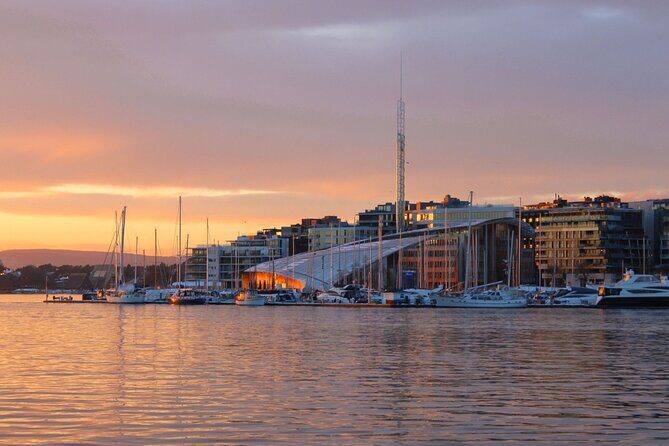
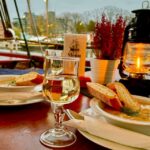
Here’s the practical truth: the cruise provides comfort basics, but snacks and drinks aren’t necessarily included for free. Blankets and amenities are included, while snacks and refreshments are available to buy.
So if you’re hungry, I’d plan to either bring your own light snack or be ready to purchase onboard. Some people described drinks and snacks being offered, and others specifically noted that drinks were available to buy and that they wanted coffee or refreshments beyond what was offered.
This matters for value. The ticket price covers the boat ride, audio guidance, and onboard comfort features. It doesn’t turn the experience into a full meal. If you’re the kind of traveler who gets grumpy without a hot beverage, bring a plan—water, tea, or a snack from before you board—so you’re not depending on purchases for basic needs.
Timing, pace, and crowd reality on a 2-hour cruise
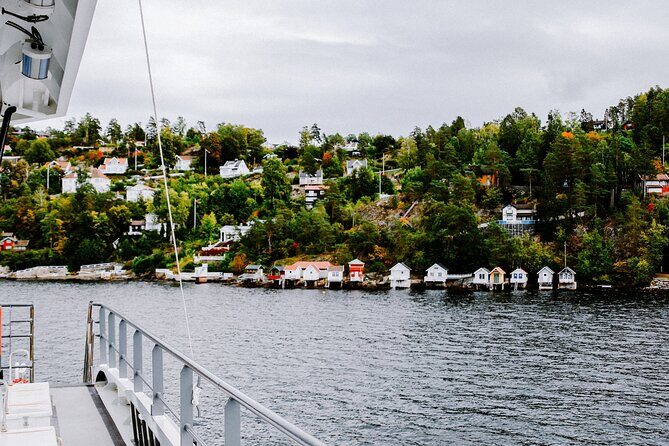
Two hours sounds simple. It is simple. But it’s also long enough to feel the pace when you’re sightseeing. Some people felt the tour was slow at moments, which can happen when the boat is taking time near landmarks or adjusting for conditions.
The good news: at the end, you’re not just dropped back off with nothing to do. The Bygdøy landing is an actual payoff, especially if you’re heading to museums in that area.
Crowd levels also matter. The max capacity is listed as up to 300 travelers, and the tour is sold in multiple time slots. In practice, you’ll want to be strategic about where you stand when the boat approaches big sights. If you want unobstructed photos, move early or pick a spot that gives you a clear line over the water.
Family-friendly amenities also mean it’s not an adults-only quiet boat. If you’re trying to enjoy narration, consider sitting where you can hear it clearly. If you’re traveling with kids, this is a positive—life jackets and safety instructions are part of the setup.
Price and value: is $48.22 a good deal?
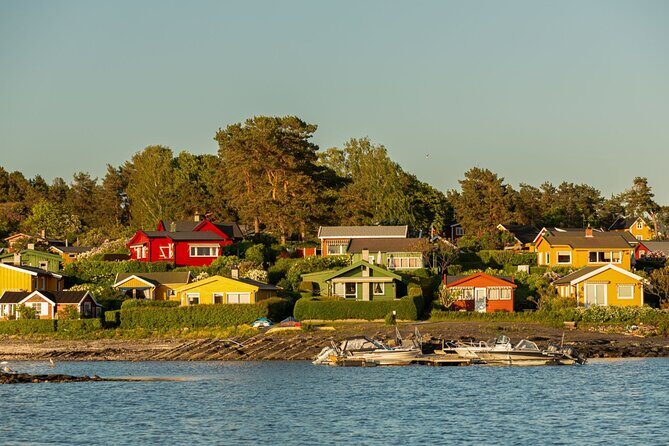
At about $48.22 per person for around two hours, the value depends on what you would otherwise do with that time. If you’re visiting Oslo for a short stay, this is an efficient way to see multiple major waterfront landmarks without coordinating separate transport.
What you’re getting for the ticket price is more than just a ride. You get:
- Audio guidance that adds meaning to what you see
- Panoramic windows and deck access for views
- WiFi, blankets, and restrooms
- Safety gear like life jackets and safety instructions
- A vehicle designed as electric transport in the heart of the city
Snacks and drinks are the main add-on cost, but that’s normal for short sightseeing tours. The overall price makes more sense if you treat this as your “fjord views plus city context” activity—especially if you can roll the Bygdøy stop into nearby museum time.
If you’re already doing long museum days, a two-hour cruise can feel like a mental reset. The water gives you variety fast, and the audio keeps it from turning into a passive sightseeing blur.
Who should book, and who might prefer something else
This tour is ideal if you:
- Want a first-time Oslo view from the water
- Prefer a short activity that doesn’t swallow your whole day
- Like mixing city sights with nature and maritime details
- Want an onboard guide style experience without buying into a larger multi-stop excursion
It may be less ideal if you’re chasing:
- Deep, remote fjord wilderness rather than the Oslo waterfront
- Quiet, adults-only serenity—because family-friendly tours can include kids and noise
- An experience where you’ll hear every word perfectly, no matter where you sit
If you’re traveling in winter, you’ll especially appreciate the heated cabin and blankets. If you’re traveling in summer, this becomes a breezy, scenic reset with the option to enjoy deck time longer.
Tips I’d follow to make your cruise smoother
Bring a warm layer and plan for wind. Even with heating inside, the deck is where the fjord air hits. In winter months, gloves and a real jacket make a difference in comfort and photo quality.
Give yourself a bit of time to locate the departure spot. The cruise departs from City Hall pier 4, and there isn’t much of a “office” experience near the dock. Some people found the exact dock confusing at first, so I’d arrive early, confirm the pier, and then just wait near the water.
If you care about the narration, position yourself with sound in mind. Wind noise can drown out commentary, so don’t rely on perfect audio from the farthest edges of the deck.
Finally, think about the end plan. Bygdøy is where you can turn your ride into more time. If you have museum reservations or a specific next stop, build a small buffer for cold weather and crowd movement.
Should you book the Oslofjord Sightseeing cruise?
Yes, I’d book it if you want an efficient, comfortable way to see Oslo from the water, especially on a day when you don’t want to over-plan. The combination of panoramic windows, heated comfort with blankets, and audio guidance makes it feel more informative than a generic harbor ride.
I’d hesitate only if you’re extremely sensitive to noise, need flawless audio from any seat, or you’re expecting a full-on remote fjord adventure rather than the Oslo waterfront story. If your goal is great views, names you can place, and an easy connection to the Bygdøy area, this cruise fits that bill.
FAQ
How long is the Oslofjord sightseeing cruise?
The cruise runs for about 2 hours.
Where does the cruise depart from?
It departs from City Hall pier 4 in Oslo.
What sights do you see during the cruise?
You sail along Oslo’s shoreline with views including Akershus Fortress, the Opera House, and the Munch Museum, plus you pass places like Hoveøya and Dyna Lighthouse. The route also goes by Bygdøy near the Fram Museum area.
Is there an audio guide on board?
Yes. The experience includes audio guidance for a more in-depth experience.
Are snacks and drinks included?
Snacks and refreshments are not listed as included. Snacks and drinks are available onboard for purchase, while blankets and other amenities are included.
What happens if weather affects the cruise?
The experience requires good weather. If it’s canceled due to poor weather, you’ll be offered a different date or a full refund.