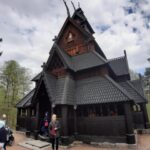
REVIEW · OSLO
Oslo Nature Walks: Island Hopping Tour
Book on GetYourGuide →Operated by Viking Biking & Hiking · Bookable on GetYourGuide
Oslo’s fjord islands feel like a reset button. In just a few ferry hops you trade city streets for sea air, sheep paths, old fortifications, and Hovedøya’s near-1,000-year-old abbey ruins. I like that the tour is built around real island walking, not just quick photo stops.
Two things I really like: first, the way the guide turns the abbey walk into a story about Norway shifting from Viking life into Christian Europe, with English monks tied to what happened on these shores. Second, the later cabin-island stretch adds the soft side of Oslo’s coast: wooden homes, flower gardens, and lookout points where you can actually slow down and take in the water.
One consideration: this is proper walking. You’ll cover about 7 km (around 10,000 steps) on gravel, dirt paths, and stones, and it’s not for kids under 9 or wheelchair users. If you’re sensitive to cold or slippery winter footing, come prepared.
In This Review
- Key points you’ll care about
- Why Oslo fjord islands feel so close, yet so far
- Getting started at Rådhusbrygge and why the ferry sets the mood
- Hovedøya: the abbey ruins that date back almost a thousand years
- The Hovedøya trade-off
- Gressholmen: nature reserve calm and the remnants of Oslo’s first airport
- What to watch for on Gressholmen
- Lindøya cabin island: wooden homes, flower paths, and a real picnic moment
- Picnic hack I’d use
- What the walking is really like (and what shoes fix)
- Guides and pacing: what makes the experience feel worth $69
- Season choices: 4–4.5 hours with 3 islands vs a shorter 2-island version
- Who should book this Oslo island hopping tour
- Should you book?
- FAQ
- How long is the Oslo Nature Walks island hopping tour?
- How many islands do you visit?
- Where do I meet the tour guide?
- What’s included in the $69 price?
- Do I need to bring my own lunch?
- What should I bring or wear?
Key points you’ll care about
- Ferry-first island hopping: short public ferry rides connect the sights fast
- Hovedøya abbey ruins: see chambers and rooms tied to post-Viking Christianization
- Napoleonic-era leftovers: walk past ramparts and cannons from the 19th century
- Gressholmen old airport sites: explore buildings and remnants of Oslo’s first airport
- Lindøya cabin island break: traditional homes, flower gardens, plus a picnic moment
- Seasonal version of the tour: 3 islands in Apr–Aug, 2 islands in Sep–Mar
Why Oslo fjord islands feel so close, yet so far
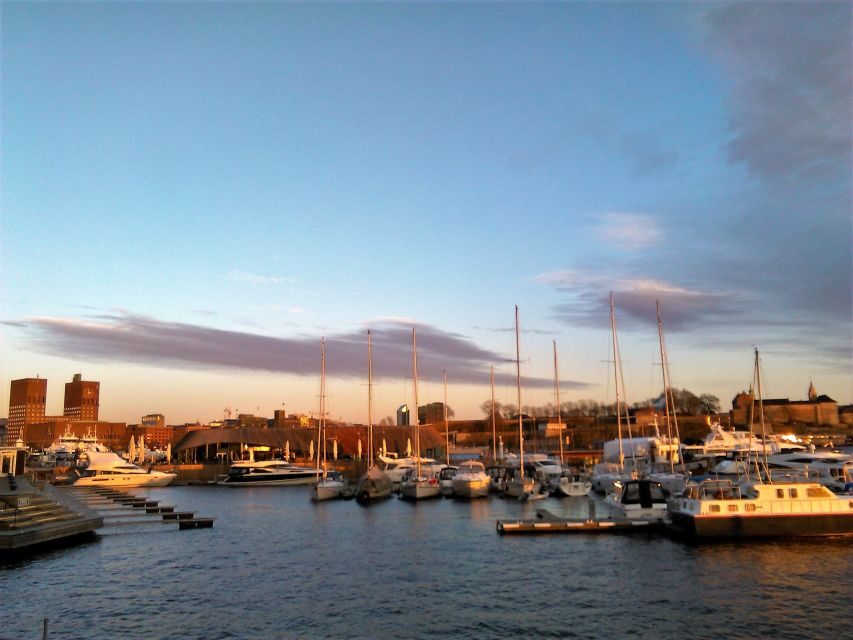
Oslo’s biggest trick is how quickly it gets you out of the city. In a matter of hours, you’re on islands where the rhythm is slower, the air smells salt-and-pine, and the trails go where you actually want to walk.
This tour is a smart way to do that because it’s not only scenic. You get coastal nature, yes, but also layers of human history: a medieval abbey, wartime fortifications, and even remnants linked to aviation. And you do it with a guide who can connect the dots instead of leaving you to guess what you’re looking at.
You can also read our reviews of more tours and experiences in Oslo.



Getting started at Rådhusbrygge and why the ferry sets the mood
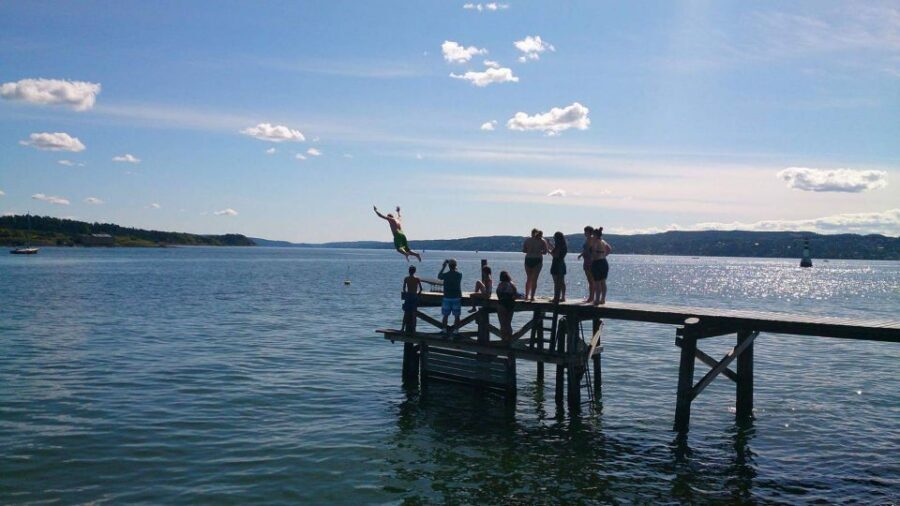
You meet at Rådhusbrygge 4, near the public ferry area at Platform E by the restaurant Fisketorget. The start is timed so you can step onto a public ferry right away, which is a big part of the fun. It feels like a local trip, not a staged shuttle.
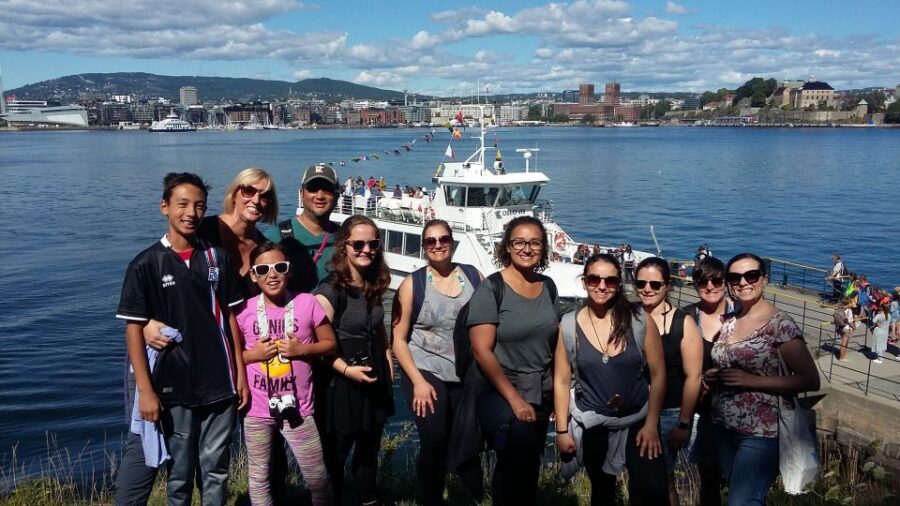
Between stops, the boat hops are short, so you don’t spend the whole afternoon just traveling. After each walk segment, you’re back on the water quickly, which keeps the pace from dragging. It also means you get that classic Oslo port feeling at the end when you return and pass iconic spots like Akershus Festning, City Hall, and Aker Brygge.
Hovedøya: the abbey ruins that date back almost a thousand years
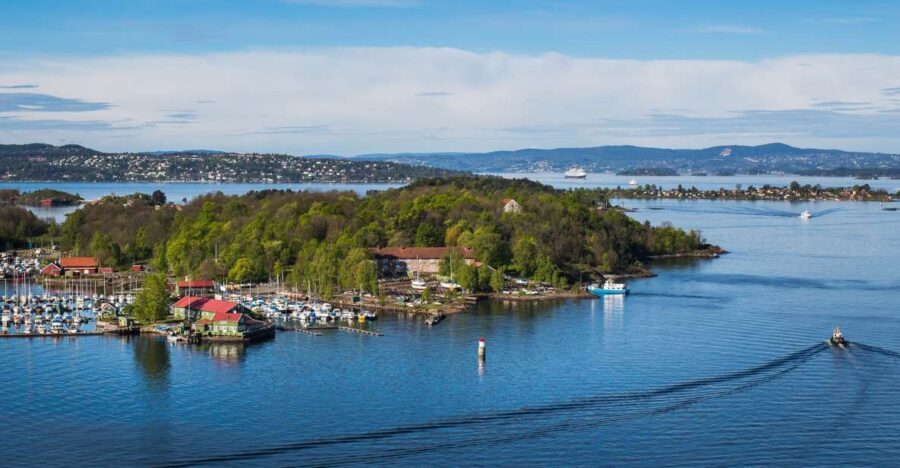
Hovedøya is the centerpiece for a reason. When you land on the main island, you’re guided through the story of how English monks helped Christianize post-Viking Oslo and established an abbey on these islands nearly 1,000 years ago.
Walking among the abbey ruins is the best part here: you can see preserved remains spread across chambers and rooms, and your guide can put them into context. It’s one thing to read about medieval Norway. It’s another to stand where people lived and worshiped, then look out over the rugged coastline.
Then the route shifts from medieval walls to working land and defense. You’ll move through sheep pastures and birch forests, and eventually reach old ramparts and cannons tied to 19th-century Napoleonic Wars. That contrast is satisfying: church to countryside to military history, all in the same outing.
The Hovedøya trade-off
You’re walking on gravel and stones, and you’ll be outdoors for long stretches. In winter, that means footing matters and weather can change fast. Pack for the conditions, not the forecast you hope for.
Gressholmen: nature reserve calm and the remnants of Oslo’s first airport
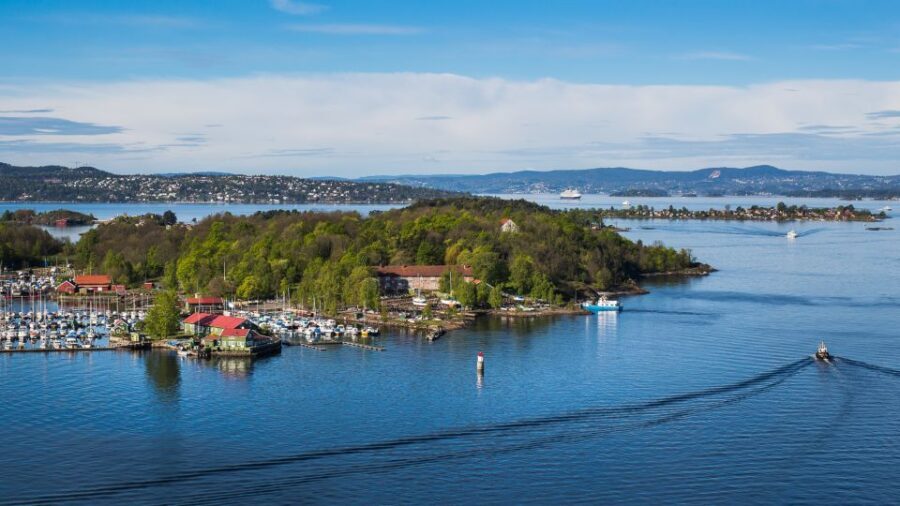
Next you head to Gressholmen, where the vibe turns quieter. This island has a nature reserve feel, with space to slow down after Hovedøya’s ruins-and-ramparts combo.
The history here is different, and that’s why it works. You’ll visit remnants connected to what was Oslo’s first airport, plus several buildings and sites tied to that story. It’s a good reminder that “modern” Oslo has long roots on the water’s edge, not just in the center city.
On this section, the walking tends to feel more about wandering than strict landmarks. You’ll still get guided stops, but it’s easier to just absorb the coastline, the open views, and the sense that these islands served multiple roles over time.



What to watch for on Gressholmen
Trails are still trails, not boardwalks. If you’re hoping for a mostly flat walk, be realistic. You’ll do enough hiking to earn that sea view, but the pace is set so you can enjoy it rather than rush through it.
Lindøya cabin island: wooden homes, flower paths, and a real picnic moment
If you’re traveling in Apr–Aug, the tour usually continues to the cabin island stretch at Lindøya. This part feels like a summer postcard, except you’re actually walking the paths.
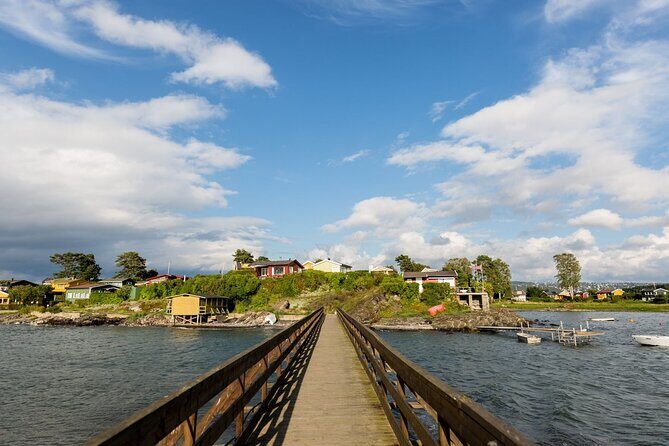
You’ll see traditional wooden homes and garden areas with flowers that contrast nicely with the surrounding fjord. Then you get lookout points around the island, where the payoff is simple: wide water views and the kind of stillness that makes you forget you’re only minutes from central Oslo by ferry.
This is also the section where the tour turns practical. You’ll work up an appetite for a picnic break. If you’re on the April–September version, the plan is to bring your own lunch (warm drinks aren’t part of the included package during warmer months). If you’re on the October–March version, the tour is shorter and warm drinks are provided by the guide.
Picnic hack I’d use
Bring a backpack you can actually manage. Oslo weather changes quickly, and having water and a towel (for potential beach time) makes the day feel easier. The tour encourages carrying swimwear, a towel, water, and picnic food, and that’s exactly the mindset that helps you enjoy it.
What the walking is really like (and what shoes fix)

The tour covers about 7 km (roughly 10,000 steps) in total, using gravel, dirt paths, and stones. That’s not “try this if you’re athletic” walking. It’s “try this if you’re steady on your feet and comfortable outside” walking.
So: bring comfortable trail shoes. If you’ve only got sneakers with slick soles, you might find the ground annoying, especially in shoulder season or winter conditions.
Also, don’t count on rain gear being provided. The tour setup won’t give you a rain shell, so pack layers and a plan for wet weather if it comes.
Guides and pacing: what makes the experience feel worth $69
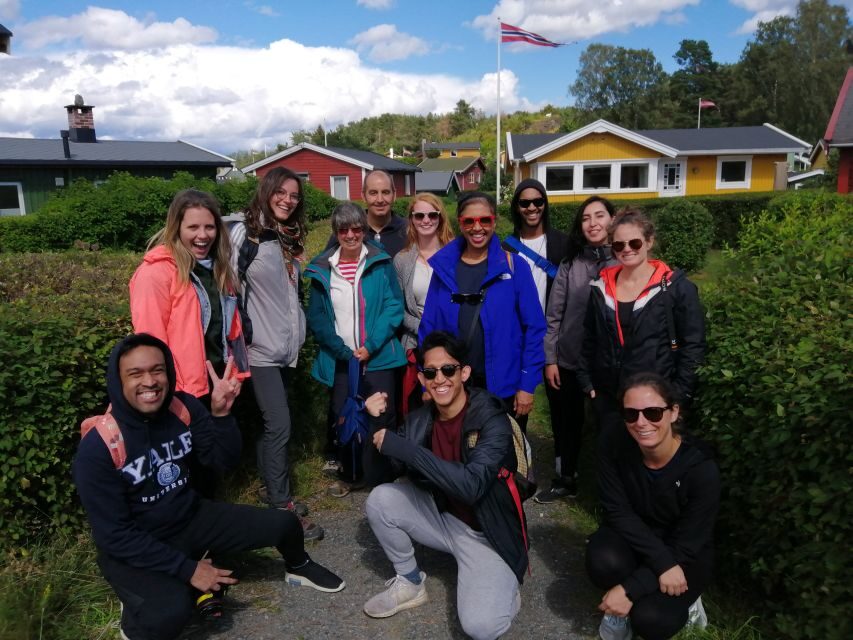
At $69 per person, you’re not just paying for a ferry and a walk. You’re paying for a guided explanation that connects what you see to what it meant in Norway’s story.
The price includes:
- the guided tour
- public ferry tickets
- warm drinks during October–March
And the quality of the guiding shows up in how people describe the experience: guides like Patrick and Shaf are praised for mixing history with good energy, plus helpful suggestions for what to do next in Oslo. Giovanni, Neil, and Laura also come up often in descriptions tied to friendliness, clear explanations, and thoughtful attention to the group.
That matters, because islands like these can look “pretty” even when you don’t know what you’re seeing. With a strong guide, the abbey ruins, ramparts, and even the old-airport remnants start to click into place.
Season choices: 4–4.5 hours with 3 islands vs a shorter 2-island version
The tour changes with the calendar:
- Apr–Aug: about 4 to 4.5 hours, usually 3 islands
- Sep–Mar: about 3.5 hours, 2 islands and warm drinks included
I like that structure. In summer you can fit the full story arc: abbey ruins, old airport sites, and cabin-island gardens. In colder months you still get out for the fjord experience without freezing your day away trying to squeeze in everything.
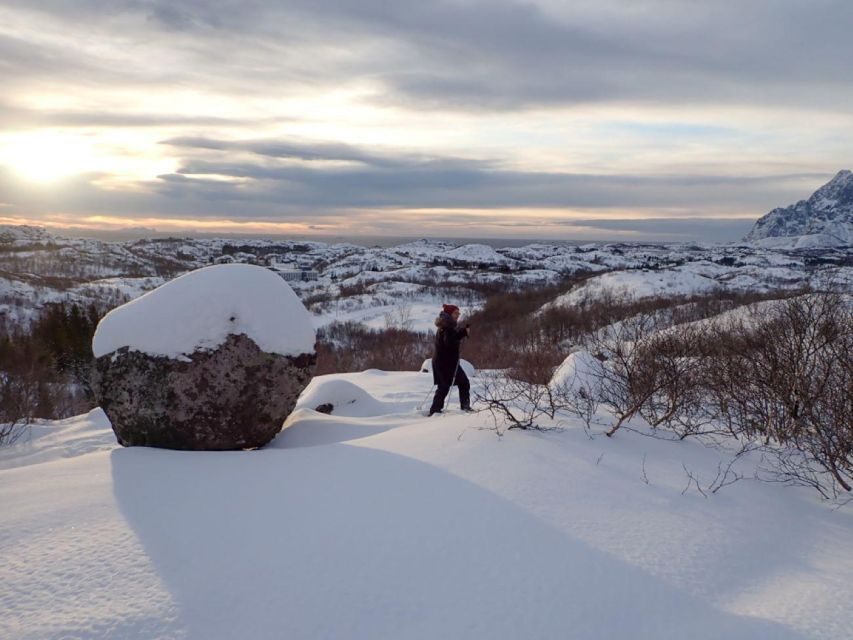
Winter versions can feel almost magical in a quiet way, and people repeatedly note how the cold weather didn’t stop the experience from being enjoyable. Still, your clothing choices matter more when temps drop.
Who should book this Oslo island hopping tour

This is a great fit if you want:
- island scenery with a guided history thread
- a mix of ruins, countryside trails, and coastal viewpoints
- an easy-to-follow day that starts on the ferry and ends near central Oslo sights
It’s probably not your best match if:
- you need step-free routes (wheelchair access isn’t listed as suitable)
- you’re traveling with kids under 9
Should you book?
Yes, if you want the most efficient way to get out onto Oslo’s islands and understand what you’re looking at along the way. I’d book it for Hovedøya’s abbey ruins alone, then stay for the variety: Napoleonic-era remnants, Gressholmen’s old-airport chapter, and (in warmer months) Lindøya’s cabin island gardens and picnic views.
If your top goal is pure relaxation with minimal walking, you might feel the distance more than you want. But if you can handle about 7 km outdoors, this feels like strong value: guided ferries, real sites, and a day that ends back with views over the port.
FAQ
How long is the Oslo Nature Walks island hopping tour?
From April to August, it runs about 4 to 4.5 hours. From September to March, it’s about 3.5 hours.
How many islands do you visit?
From April to August, you visit 3 islands. From September to March, you visit 2 islands.
Where do I meet the tour guide?
Meet near the public ferry departure area at Platform E next to the restaurant Fisketorget, at Rådhusbrygge 4. Arrive about 10 minutes early.
What’s included in the $69 price?
The tour includes a guided tour, public ferry tickets, and warm drinks during October to March.
Do I need to bring my own lunch?
In April to September, the tour recommends bringing your own lunch for the picnic break. In October to March, the tour is shorter and warm drinks are provided by the guide.
What should I bring or wear?
Wear comfortable shoes suitable for walking about 7 km on gravel, dirt paths, and stones. Bring a backpack if you want swimwear, a towel, water, and picnic items. Rain gear is not included.