REVIEW · OSLO
Oslo: City Sightseeing Hop-On Hop-Off Bus Tour
Book on GetYourGuide →Operated by City Sightseeing Europe · Bookable on GetYourGuide
Oslo’s best views come with an on-off ticket. This hop-on hop-off bus wraps the city’s big hitters into one simple plan: open-top panoramas, onboard audio in 8 languages, and frequent stops so you can build your own itinerary. Two things I really like are the electric buses (cleaner city vibe) and the way the pass is made for time-poor trips, including cruise days.
The one drawback to think about is that the headset experience can be hit-or-miss—on some rides you may find connections or volume aren’t perfect—so I suggest having a backup plan for learning (like using your phone for map reading and quick searches while you’re stopped).
In This Review
- Key takeaways before you ride
- Oslo from the top deck: why this bus works
- Price and value: what $46 buys you (and what it doesn’t)
- How to ride it: timing, route rhythm, and your best strategy
- The stops that shape your itinerary
- Nationaltheatret to Karl Johans Gate: palace views and the city core
- Frogner Park and Vigeland: where sculpture becomes a full-time hobby
- Cultural history and heritage: stepping into how Oslo thinks
- Viking ships and maritime legends: museum time that actually fits the loop
- Kon-Tiki and FRAM: exploration you can pair with waterfront views
- Cruise-terminal stops and the Akershus zone: how the route helps ship days
- Opera House and MUNCH Museum: modern Oslo, easy to time
- Audio guide, Wi‑Fi, and the headset reality
- Small comfort tips: seats, weather, and making it smooth
- Discounts on attractions: how to use them without guessing
- Who this Oslo bus tour suits best
- Should you book this City Sightseeing hop-on hop-off in Oslo?
- FAQ
- How long is the bus tour?
- How often do the buses run?
- How long is my ticket valid?
- Where is the first bus stop?
- What are the operating hours for boarding at Stop 1?
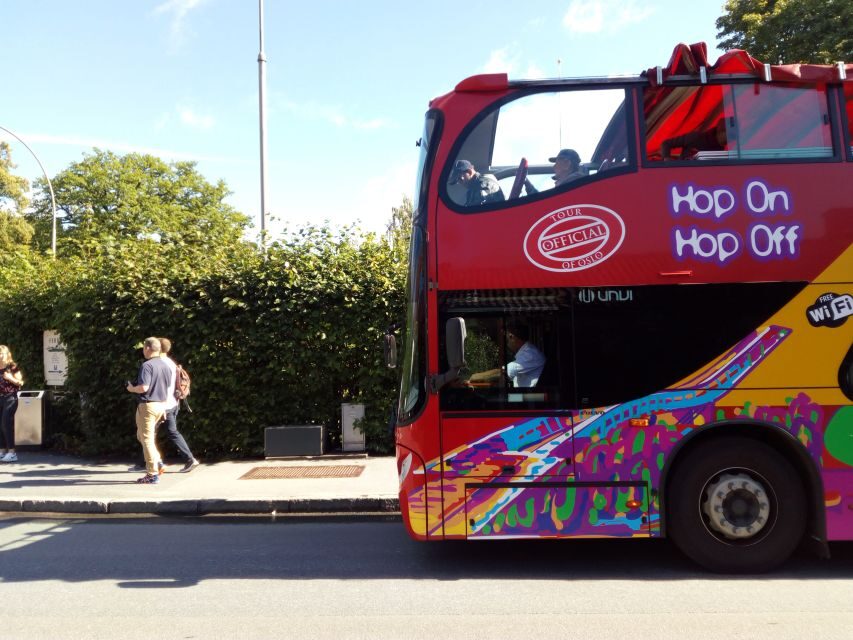
- Is Wi‑Fi included on the bus?
- Are attraction entry tickets included?
Key takeaways before you ride
- 24 or 48-hour flexibility means you can spread Oslo sightseeing across a full day or two
- Open-top 360-degree views help you orient fast, especially if it’s your first time in the city
- Frequent departures every 30 minutes make hopping off and getting back on feel doable
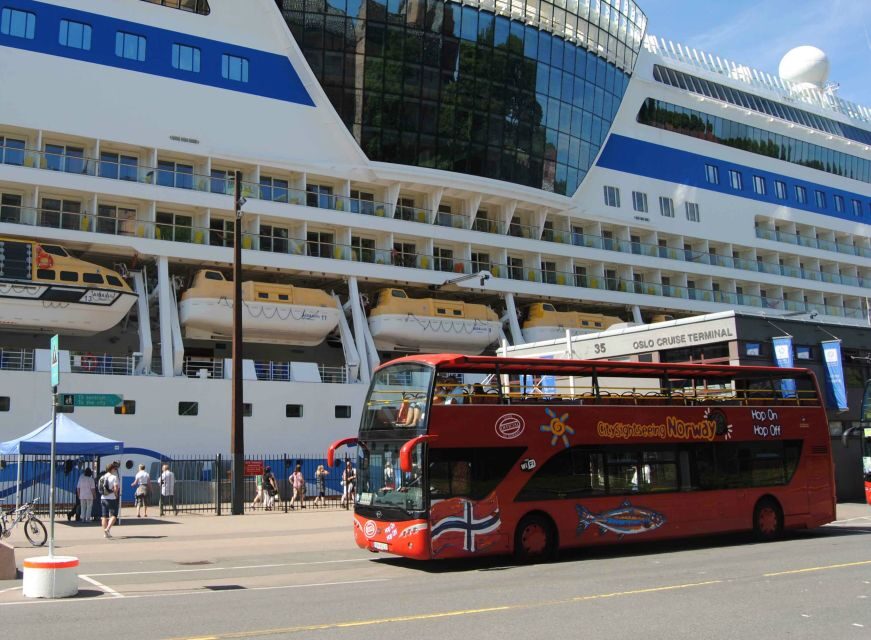
- Cruise-friendly stops put you near terminals and key waterfront areas
- Audio guides in 8 languages plus onboard Wi‑Fi help you stay informed without slowing down
Oslo from the top deck: why this bus works

Oslo is a “look around” city. It’s compact enough to manage, but spread out enough that walking every museum and monument can eat your day. The double-decker loop solves that by doing the hard part for you: it carries you between major sights while you get wide-angle views you simply can’t recreate from street level.
And because the buses are open-top, you get the kind of skyline and fjord-edge sightlines that make Oslo feel special. Even when the weather is gloomy, you can still keep the city in your frame—then step off for indoor stops when you need shelter.
There’s also a smart practical layer: this pass doesn’t just get you from A to B. It lets you choose what you want to linger on. That matters because Oslo’s best experiences vary a lot—some days you’ll want sculptures and waterfront light, and other days you’ll want museums packed with real artifacts.
You can also read our reviews of more city tours in Oslo



Price and value: what $46 buys you (and what it doesn’t)
At around $46 per person, this is a “pay once, move a lot” kind of deal. The key value isn’t that it’s cheap—it’s that it’s time-efficient.
Here’s the reality check:
- You’re paying for transport + audio guidance, not attraction entry.
- You get 24 or 48 hours of hop-on hop-off freedom.
- You also get discounts on attractions, which can help if you plan to enter more than one museum.
If you’re in Oslo for a short window—especially if you’re on a cruise—this kind of ticket can be the difference between seeing a few highlights and seeing your must-dos without panic timing. The loop runs about 90 minutes and buses come about every 30 minutes, so you can hop off, do a focused visit, and still have multiple chances to catch the next bus.
How to ride it: timing, route rhythm, and your best strategy
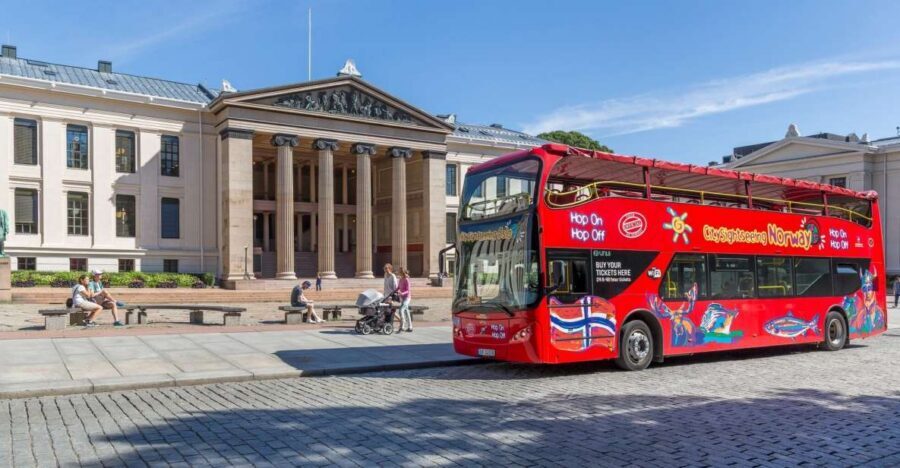
The route centers on Nationaltheatret on Karl Johans Gate (this is the first stop). From there, you’re set up to build a full itinerary without transferring.
A few operational details that shape your day:
- First departure from Stop 1 is 10:00 am
- Last departure from Stop 1 is 4:00 pm
- The loop takes about 90 minutes
- Buses run every 30 minutes
- The ticket is valid for a full 24 or 48 hours
My practical advice is simple: if you want the most comfortable start, begin at the first stop. You’ll have the best chance at a seat, which matters because you’ll likely be hopping off and back on more than once.
Also, don’t try to “do everything in one loop.” Instead, use the bus to decide what your day wants next. Oslo rewards that flexible approach.
The stops that shape your itinerary
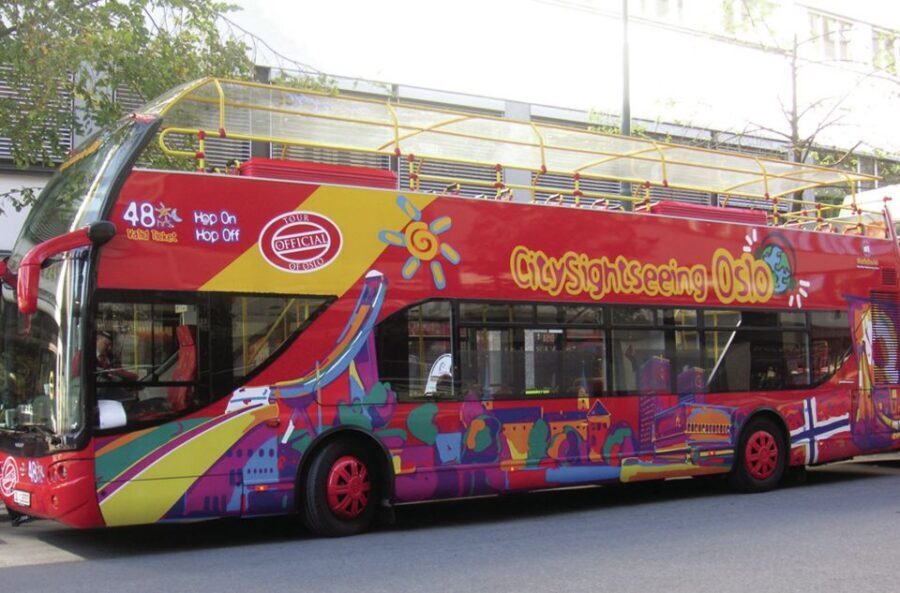
This is where the tour becomes useful for real planning. The stops are concentrated around Oslo’s core museum cluster, palace area, and cruise/waterfront zones—so you can stitch together a day that matches your interests.
Along the way, you’ll pass or connect near:
- The National Theatre / Royal Palace / Karl Johans Gate stretch (major city center views)
- Vigeland Sculpture Park and the Oslo Museum area
- Norwegian Museum of Cultural History
- Viking Ship Museum and the Norwegian Maritime Museum
- Kon-Tiki Museum / FRAM / maritime-adjacent sites
- Cruise terminals including Color Line Terminal Hjortnes and Filipstad Cruise Terminal
- Tjuvholmen as an alternative stop area
- Oslo Cruise Ship Terminal / Akershus Fortress area
- Oslo Ferry Port
- Langkaia
- Opera House / MUNCH Museum
- Oslo Central Station
- Back to Nationaltheatret
There’s also an important practical detail: you can board at multiple locations, not just Stop 1. That helps if your hotel is closer to a different pickup point or if you’re arriving via ship.
Nationaltheatret to Karl Johans Gate: palace views and the city core
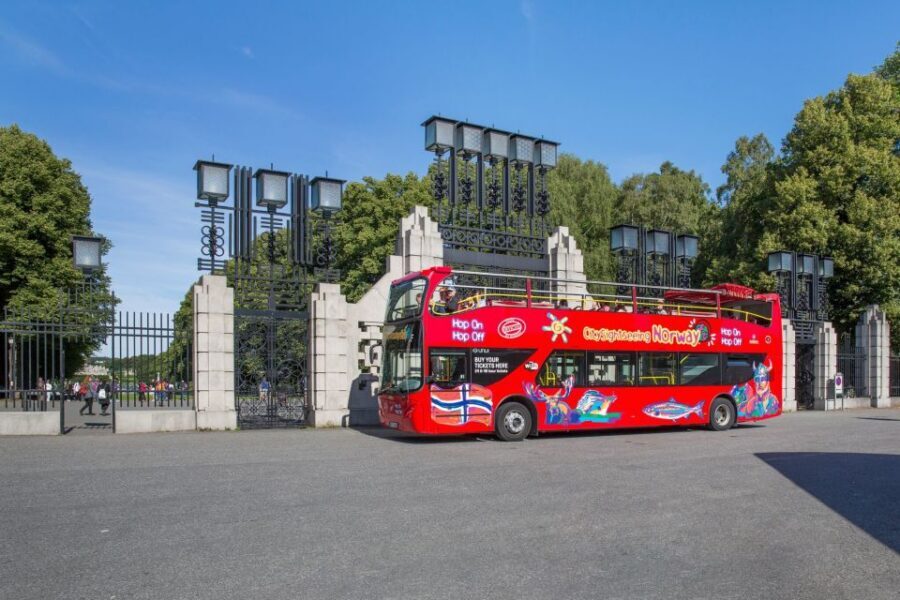
The tour’s anchor is Nationaltheatret on Karl Johans Gate, which is exactly the kind of “start me here” location you want. This area is ideal for orientation. From the upper deck, you can quickly map where major streets and landmarks sit relative to the water and the museum districts.
This stretch is also the gateway to:
- the Royal Palace (listed as a hop-off option)
- Karl Johans Gate (the main pedestrian-friendly artery in central Oslo)
- the big “city center” views that help you decide where to hop later
If you’re trying to choose a first stop for your day, do it here. It’s a fast way to understand the city’s geography without guessing.






Frogner Park and Vigeland: where sculpture becomes a full-time hobby
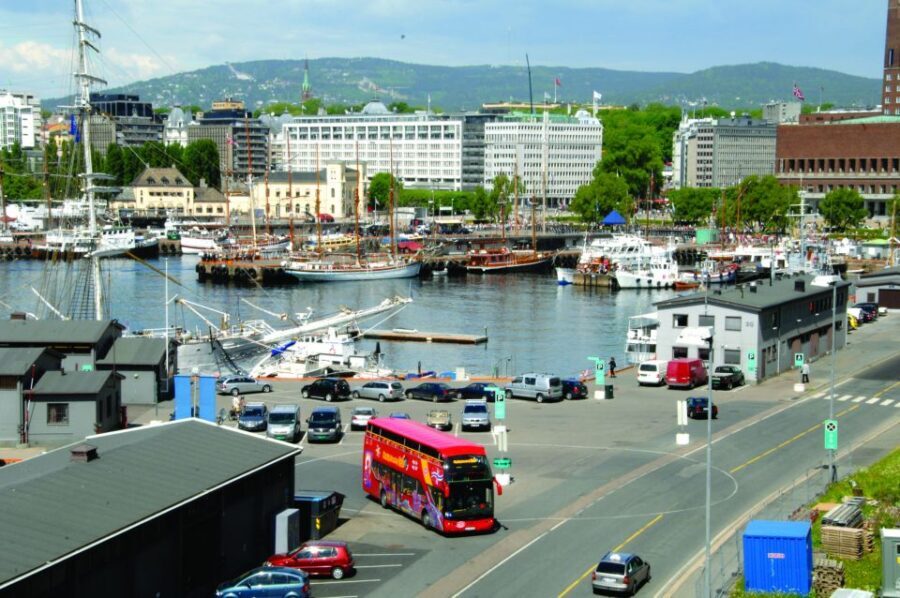
If you love art you can walk through without buying a ticket to an exhibit, Frogner Park and Vigeland Sculpture Park are exactly that kind of stop.
This is one of those places where “I’ll just take a quick look” can turn into time lost—in the best way. The park area gives you open-air breathing room and a clear, walkable layout once you’re there.
The bus makes it easy because it gives you the chance to:
- hop off and spend longer than you originally planned
- then hop back on when you’re ready to move toward museums or the waterfront
A practical note for photos: if it’s raining or windy, you may want to keep the upper-deck cover setup as intended for visibility. Some riders find certain window covers reduce photo clarity, so adjust if you can.
Cultural history and heritage: stepping into how Oslo thinks
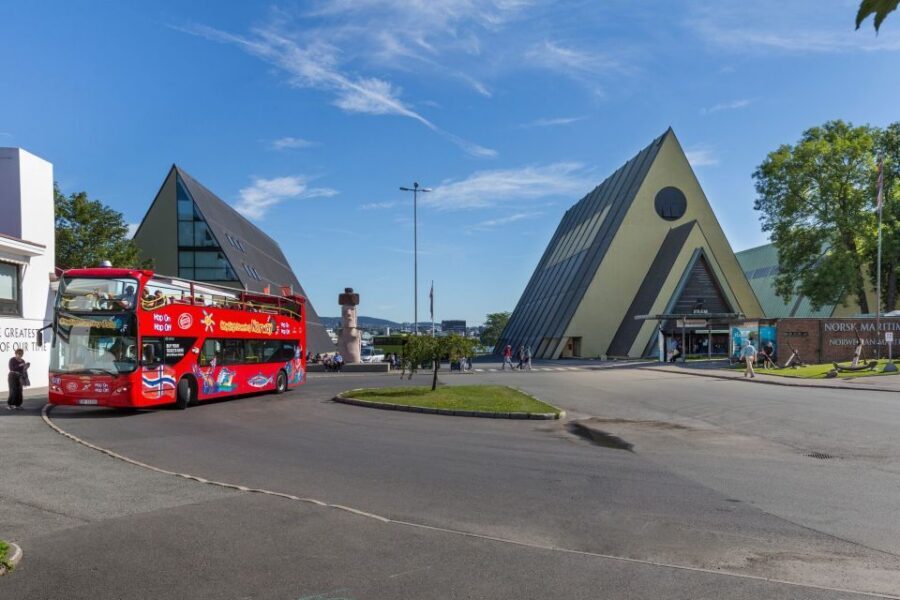
The Norwegian Museum of Cultural History (and the related cultural-history stops on the loop) is a strong mid-day pick if you want context beyond monuments.
The advantage of doing it via a hop-on bus is timing. You can:
- visit in the afternoon when your energy is lower
- use the bus ride before or after as a “reset” between indoor time blocks
This stop set also pairs well with the other “artifact-heavy” museums later on, so you can build a coherent theme: Norway’s past, exploration, and maritime life.
Viking ships and maritime legends: museum time that actually fits the loop
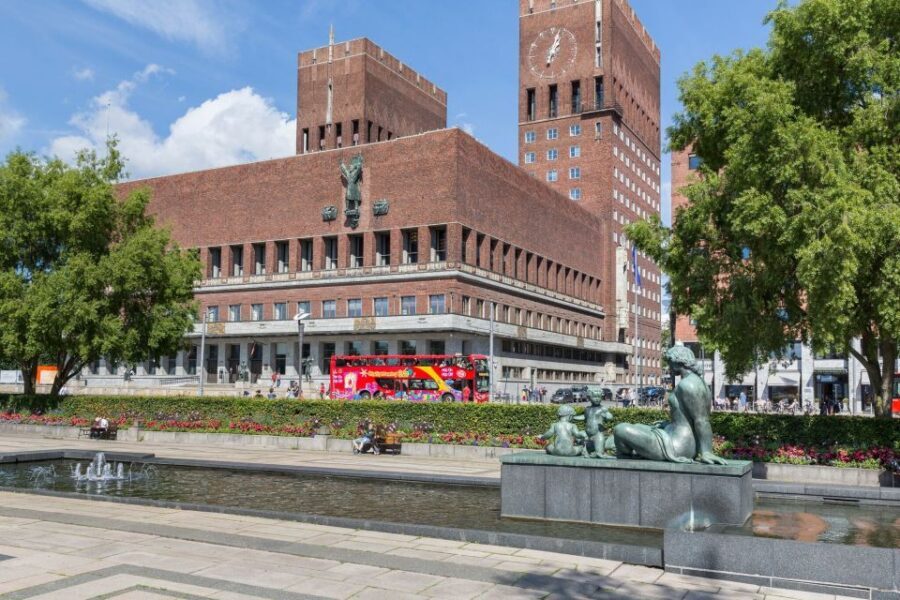
Some Oslo museums feel like they deserve more than one visit. The bus helps you reach them without turning your day into a logistics project.
You’ll encounter major anchors like:
- Viking Ship Museum (a top hop-off)
- Norwegian Maritime Museum
- the Viking/maritime cluster that repeats within the loop pattern, which helps if you want to return for a second round or you miss a timing window
Why this matters: the bus loop structure means you don’t have to get every decision right on the first try. If you spend too long at one museum, you can still catch the next bus—because departures are frequent.
Also, if you’re traveling with people who have different museum interests, this is a good zone. One person can focus on ships; another can focus on maritime artifacts. You can regroup at a nearby stop.
Kon-Tiki and FRAM: exploration you can pair with waterfront views
If you’re into polar exploration and real-world adventure stories, the Kon-Tiki and FRAM areas are the kind of stops that reward curiosity.
Even if museums aren’t always your thing, this cluster tends to break the “all indoor, no contrast” problem because Oslo’s waterfront and harbor settings make the outdoor-to-indoor rhythm feel natural. You can ride the upper deck toward the museums, then step off and spend your time indoors with the stories and artifacts.
This is also where the hop-on structure shines: it’s easy to time your visit without burning hours on transit.
Cruise-terminal stops and the Akershus zone: how the route helps ship days
A big reason people like hop-on hop-off buses in Oslo is how they handle the “we dock at X, we must do stuff fast” reality.
This tour includes stops near cruise infrastructure such as:
- Color Line Terminal Hjortnes
- Filipstad Cruise Terminal
- Oslo Cruise Ship Terminal
- Oslo Ferry Port
- Langkaia
- and an Akershus Fortress-adjacent stop area
That matters because Oslo’s waterfront areas are where you’ll often want to be right after landing or right before departing. The bus gives you that option without you needing to plan transit from scratch.
If you’re doing a cruise day plus a second day in Oslo, this is also a smart way to split time: first day for overview and getting oriented, second day for deeper museum visits.
Opera House and MUNCH Museum: modern Oslo, easy to time
The Opera House / MUNCH Museum area is one of the best places to aim for on your last loop, mostly because it’s visually impressive from the road. Even if you don’t enter immediately, you can enjoy the architecture and the harbor-near atmosphere from the upper deck.
MUNCH Museum is explicitly part of the hop-off options, so you can plan around the art you came for. And if you’ve already spent the day in museums like Viking and maritime collections, this stop gives you a different mood—more contemporary energy.
Audio guide, Wi‑Fi, and the headset reality
The tour is built around audio guide commentary in 8 languages (English, Spanish, German, French, Italian, Dutch, Chinese, Japanese). You can use headphones provided and the audio guide is also available on your own device.
That’s excellent on a moving route because you don’t have to stop reading a map or guess what you’re seeing. It also helps when the city’s street design is unfamiliar.
That said, the one recurring practical issue to keep in mind is headset reliability. Some riders report problems with headset ports, and others note the narration can be hard to hear. So here’s what I recommend:
- wait until you’ve confirmed the audio is actually playing before you settle into your seat
- if the sound is weak, don’t just assume; ask for help right away
- keep your expectations realistic: the bus is moving, so you’ll still want to look out the windows as the narration points things out
On the plus side, there’s also free Wi‑Fi onboard, which can help you verify opening hours, look up quick details, or simply keep your group on the same page.
Small comfort tips: seats, weather, and making it smooth
A hop-on hop-off bus sounds simple. It is. But small choices affect the day.
From what I’ve learned about how these runs typically go, a few habits help:
- Try to start at the first stop to maximize your chance of a good seat.
- If weather hits, the bus becomes your shelter. The ability to keep moving and still see major sights is a real advantage.
- If you’re photo-heavy, pay attention to how window covers affect clarity on the upper deck.
Also, city traffic can slow the center area at times. That’s normal in any capital, and it’s one reason the flexible ticket matters: you aren’t stuck walking a long distance to “catch up.”
Discounts on attractions: how to use them without guessing
The ticket includes discounts on attractions, but the exact savings depend on what you plan to enter. So I’d use the bus as your selector tool.
Practical way to do it:
- ride the loop once for orientation
- decide which museums truly match your interests (for example, Viking and maritime, or polar exploration, or Vigeland)
- then treat the discounted entries as your “upgrade choices”
This approach keeps your spending tied to what you actually want to see, rather than buying entry tickets you’ll regret later.
Who this Oslo bus tour suits best
This is a strong fit for:
- first-time Oslo visitors who want quick orientation
- cruise passengers who need a practical plan around limited time
- museum lovers who prefer to stack stops efficiently in a themed way
- groups with mixed interests (someone can do sculptures while someone else chooses indoor exhibits)
It may be less ideal if:
- you need top-tier narration quality and depend on it for every detail
- your day is tightly planned to the minute and you don’t want any uncertainty from traffic or wait time at stops
Should you book this City Sightseeing hop-on hop-off in Oslo?
I’d book it if you want a no-stress way to cover Oslo’s essentials with a bit of flexibility. For the money, you’re buying a day of transport freedom, plus audio guidance, plus onboard Wi‑Fi—then using that to pick which museums deserve your best energy.
I wouldn’t rely on the headset experience as your only source of learning. Treat the audio as helpful background, not your sole knowledge. If you go in with that mindset, the bus does what it’s supposed to do: it helps you see a lot, decide what matters, and keep your Oslo day moving.
FAQ
How long is the bus tour?
The tour takes about 90 minutes per loop.
How often do the buses run?
Buses run about every 30 minutes.
How long is my ticket valid?
Your pass is valid for either 24 or 48 hours.
Where is the first bus stop?
The first stop is at the National Theatre on Karl Johans Gate.
What are the operating hours for boarding at Stop 1?
The first departure from Stop 1 is 10:00 am, and the last departure is 4:00 pm.
Is Wi‑Fi included on the bus?
Yes, there is free Wi‑Fi on board.
Are attraction entry tickets included?
No. Entry to attractions is not included, though the tour offers discounts on certain attractions.