REVIEW · OSLO
Guided Sightseeing Cruise on Oslofjord by Premium Silent Boat
Book on Viator →Operated by Brim Explorer · Bookable on Viator
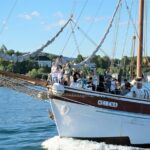
Oslo’s fjord looks good from shore, but it hits different from water. This silent electric boat glides past top sights and islands with floor-to-ceiling views, plus narration in English for a smooth 2-hour loop on the water.
What I like most is how cozy it feels inside while you still get full sightlines. I also appreciate the range of viewpoints—stay warm inside when it’s cold, then step onto the outside deck when you want those crisp photo angles. Kids and adults both tend to enjoy it because the pace is relaxed and the scenery is constant.
One thing to consider: like many water tours, technical issues can sometimes mean a boat change. If you’re picky about having the exact boat you booked, keep that in mind—some days the swap can affect comfort and crowding.
In This Review
- Key Points You’ll Care About on This Oslofjord Cruise
- Why This Oslofjord Cruise Feels Different on a Silent Electric Boat
- Price, Time, and Group Size: When $52.90 Makes Sense
- Before You Go: Meeting at Brim Explorer and Dressing for the Water
- Onboard Comfort: Panoramic Windows, Warm Indoors, and Deck Views
- The Route in Order: From Akershus Fortress to Museum Island
- Akershus Fortress: Oslo’s waterfront starting point
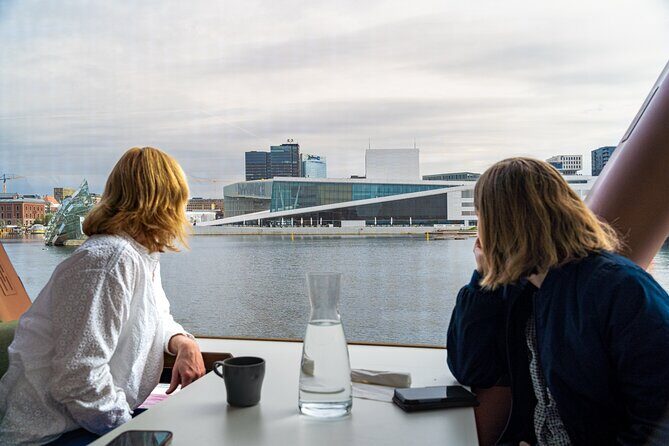
- The Oslo Opera House: the city’s signature building
- A best-known island segment: islands as part of everyday life
- Green islands and wildlife: what the fjord supports
- Lighthouses and the character of fjord rocks
- Nesodden bathing houses: Norway’s seaside tradition
- The narrow fjord stretch: holiday homes and slow turns
- Dyna Fyr: lighthouse turned church turned restaurant
- Bygdøy Island: Museum Island and the big names
- Guide Style and How the Narration Works
- Food and Drinks on Board for Cold Days
- Who This Cruise Fits Best (Families, Couples, Solo Travelers)
- Common Snags to Plan Around
- Should You Book This Oslofjord Cruise?
- FAQ
- What is the duration of the Oslofjord guided sightseeing cruise?
- How much does the tour cost?
- What language is the tour offered in?
- Where does the cruise start, and where does it end?
- Is there a mobile ticket?
- How many people are on the tour at most?
- Is the tour suitable for families or children?
- What happens if the weather is poor?
- Can I bring a service animal?
- What is the cancellation cutoff for a full refund?
Key Points You’ll Care About on This Oslofjord Cruise
- Silent electric ride means fewer fumes and a calmer feel than typical motorboats
- Panoramic, floor-length windows make it easy to enjoy cold-weather views without bundling up for every minute
- Onboard hosts include names like Alecia, Alisha, Suzi, and Frederik, with lively, easy narration
- Deck photo time is real—you can move around and capture sights even on overcast days
- You’ll see signature Oslo waterfront stops, from Akershus Fortress to the Opera House and Museum Island
- Weather matters for comfort, since windy days can feel a bit choppy on the water
Why This Oslofjord Cruise Feels Different on a Silent Electric Boat
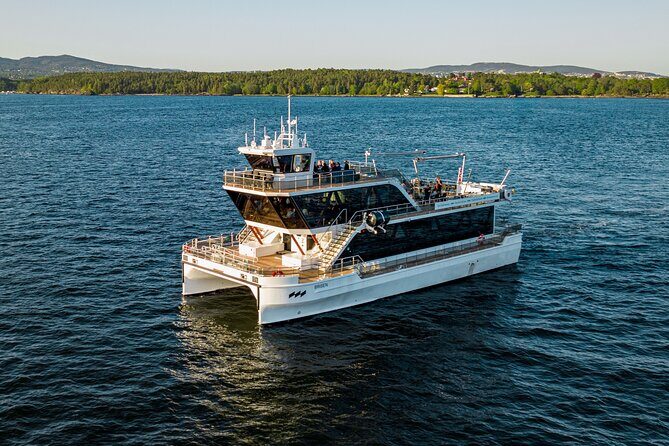
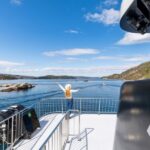
This cruise is built around one simple idea: make the water part of your experience feel calm. The electric motor keeps the trip noticeably quieter, and that changes how you experience the fjord. You can actually hear the host’s commentary without fighting engine noise.
The boat’s layout also helps. Instead of sitting in a dark cabin, you’re surrounded by big windows when you want to stay inside. That matters in Oslo because your best photos happen when you can keep your eyes on the water, not when you’re busy managing wind, cold, and rain.
And yes, it’s still fun to go outside. Even on a winter day, stepping out onto the deck for a few minutes turns the “nice view” into the “okay, wow” moment—especially near the Opera House and the closer island segments.
You can also read our reviews of more boat tours in Oslo


Price, Time, and Group Size: When $52.90 Makes Sense
At about $52.90 per person for roughly 2 hours, this isn’t a bargain cruise. It’s priced more like a premium sightseeing service, and the value comes from a few concrete things:
- You’re paying for a guided experience with English commentary.
- You’re paying for a boat experience that’s warm, clean, and quiet on the water.
- You get a loop through the most photographed Oslofjord sights rather than a single straight pass.
If your Oslo itinerary already includes museums and city walks, this cruise becomes a “reset” block. It’s also one of the better options when the weather turns gray, since the windows keep you comfortable and the fjord still looks dramatic even under clouds.
The tour runs with a maximum of 120 travelers, and many experiences feel comfortably paced rather than chaotic. If you like having room to wander and take photos, this works well.
Before You Go: Meeting at Brim Explorer and Dressing for the Water
The meeting point is Brim Explorer Oslo, at Rådhusbrygge 2, 0160 Oslo. The tour ends back at the same place.
One practical tip: arrive a little early and give yourself time to get your bearings. Some visitors found the start spot confusing at first, so I’d treat this like any dock meeting—show up early, read signage carefully, and plan a short walk if you need it. The dock area near Akershus Fortress is the right zone to orient yourself in.
What about clothing? You’ll be warm inside, but the outside deck is where the best wind-in-your-face photos happen. The most common advice from people who’ve done it: dress for the weather. On colder or windy days, “light layers” can turn into “why did I do this?” fast.
And if you’re prone to motion sickness, consider the water conditions. A few reviewers noted windy days can feel a bit rocky, so you’ll be happier if you check the forecast and prepare accordingly.
Onboard Comfort: Panoramic Windows, Warm Indoors, and Deck Views
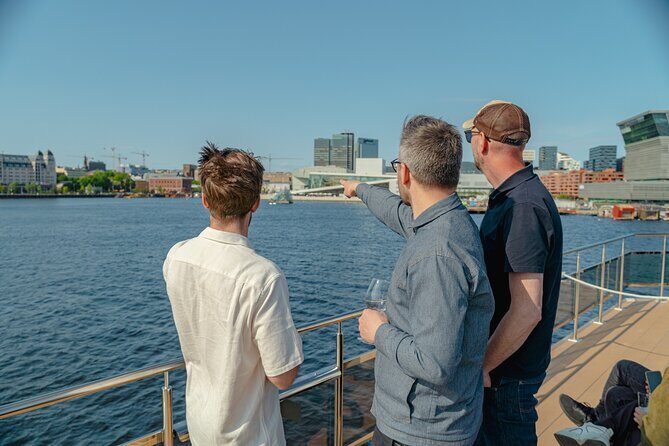
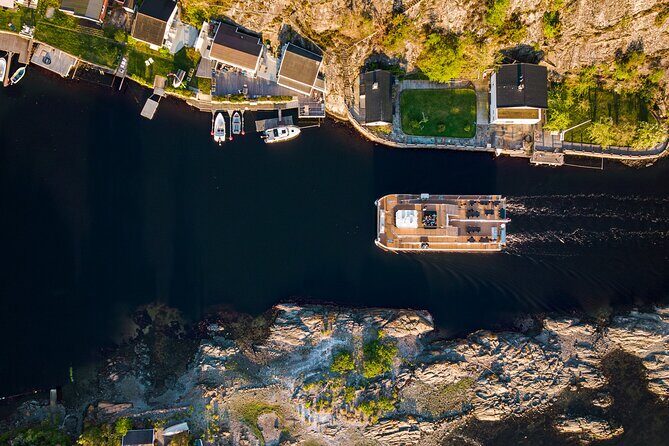
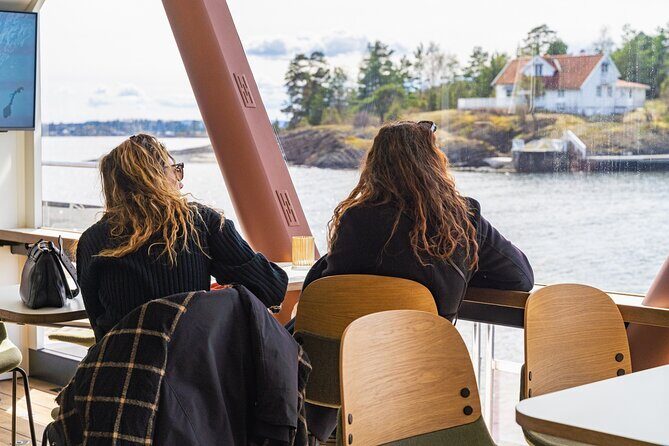
The boat’s big selling point is the panoramic feel. When you’re inside, you get broad floor-length windows, so you don’t feel like you’re watching the fjord through a narrow opening. This is one of the easiest sightseeing formats for visitors who don’t want to spend two hours juggling layers and standing outside the whole time.
Inside is also genuinely comfortable on cold days. People describe the cabin as warm and cozy, with chances to warm up mid-cruise if it’s chilly outside. Some even mention warm drinks and snacks, which you’ll usually want when the wind picks up.
On the outside deck, you get the classic fjord perspective. You’ll have space to move around for photos, and you can follow the sights as the boat turns. One small heads-up from a review: the outdoor deck speakers can be quiet, so if you care a lot about hearing every word, staying inside can help during the quieter audio moments.
If you want to maximize sightlines for narration-heavy segments, there’s a helpful suggestion: choose the side of the boat that matches what you’ll be viewing most often. One reviewer recommended sitting on the right side because much of the guided viewing matched that side’s perspective.
The Route in Order: From Akershus Fortress to Museum Island
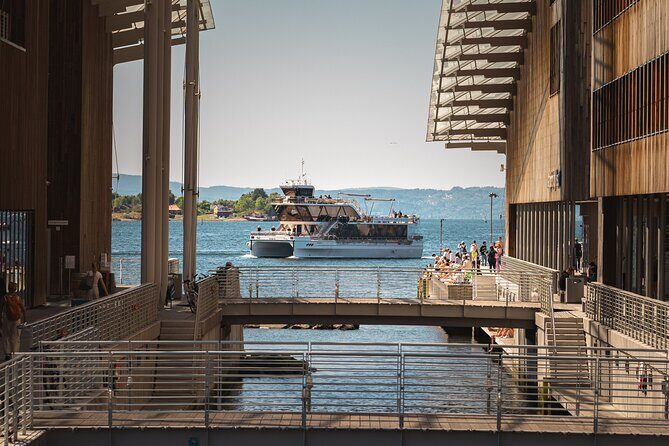
This cruise is designed like a moving postcard. You’ll pass a sequence of Oslo highlights, then move outward toward islands and lighthouses, and finally loop back toward the museum district.
You can also read our reviews of more guided tours in Oslo



Akershus Fortress: Oslo’s waterfront starting point
The trip begins with passing Akershus Fortress, with views across the Oslofjord. This is a good opener because you get context fast: a historic fortress on the water’s edge, city buildings behind it, and the fjord opening out ahead.
If you like stories tied to location, this first segment sets the stage for everything that follows. It’s also a calm, easy way to start without needing to sprint to a viewpoint on land.
The Oslo Opera House: the city’s signature building
Next, you sail past the Oslo Opera House. You’ll get the famous “sitting on the building” concept from a fresh angle—seeing the architecture where water meets the city.
This stop is often where people feel the cruise “click,” because the Opera House is distinctive even from the water. If the weather is clear, it looks crisp. If it’s overcast, the shape still reads well and reflections can be nice too.
A best-known island segment: islands as part of everyday life
Then you move out into the island rhythm of the Oslofjord. One stop references the best-known island in the fjord area, which is a clue that the tour isn’t just aiming for remote wilderness vibes—it’s showing the fjord as an everyday playground for Oslo residents.
You’ll likely appreciate this part most if you enjoy nature that’s still close to a city. It’s not a far-off expedition; it’s the fjord living right next to homes.
Green islands and wildlife: what the fjord supports
Another segment focuses on green dotted islands, with mention of wildlife flourishing onshore and underwater. That’s a nice reminder: the fjord isn’t only scenery. It’s an ecosystem, and these islands help explain why the water region matters beyond the photos.
Even if you can’t identify every bird or fish, the narration helps you connect what you’re seeing with why it’s there.
Lighthouses and the character of fjord rocks
You’ll pass one of two picturesque lighthouses in the Oslofjord, then later focus on another major one: Dyna Fyr. Lighthouses add texture because they sit on specific rocks and points, so you can see how sailors navigated these waters.
This is a strong section for anyone who enjoys structure in the scenery—small landmarks that help you orient yourself as the boat changes direction.
Nesodden bathing houses: Norway’s seaside tradition
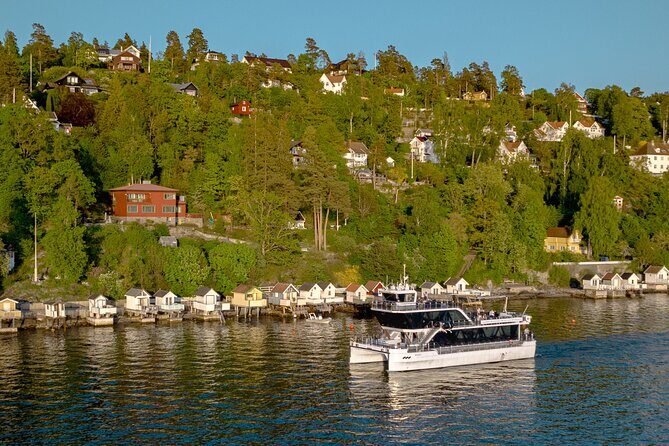
A stop passes the historic bathing houses at Nesodden. This is one of those Oslofjord details that feels very Scandinavian and very practical: people using the shoreline and water year-round.
It’s also a good reminder that fjords here are not just for tourists. You’re seeing a lived-in coastline.
The narrow fjord stretch: holiday homes and slow turns
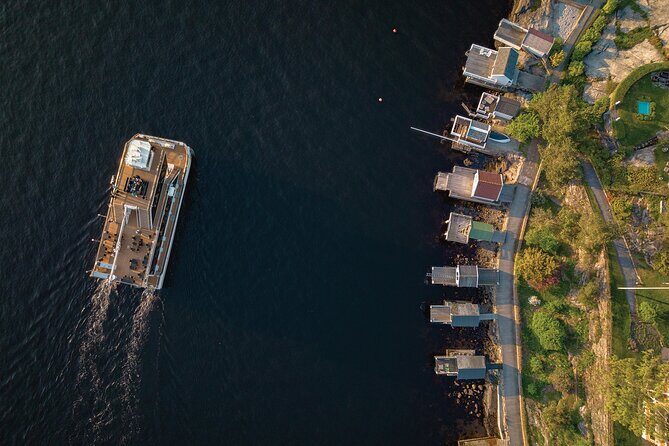
You then sail through a narrow part of the Oslofjord surrounded by holiday homes. This is where the boat’s slower movement and gentle turns make sense—you’re not just traveling, you’re touring.
Drawback to consider: narrow fjord sections can mean you’re not always looking at the broad open water. If your priority is epic wide views, spend extra time on the outside deck when the boat opens up for longer sightlines.
Dyna Fyr: lighthouse turned church turned restaurant
A highlight is Dyna Fyr, described as a recognizable icon whose function changed over time—lighthouse turned church turned restaurant. That combination is wild in a good way because it turns a utility structure into something social and even culinary.
Even if the narration doesn’t cover every historical detail in your language preference (it’s in English), the visual alone is memorable: a compact place on rock that keeps making smart use of limited space.
Bygdøy Island: Museum Island and the big names
Finally, you reach Bygdøy Island, known as Museum Island, home to the FRAM, Kon-Tiki, and Viking museum area. This end segment is a strong fit if you’re planning museum time after the cruise.
One practical bonus: people mention you may have the option to get off at the Fram Museum. That can turn a cruise into a flexible half-day, especially if you like to stack activities without rushing.
Guide Style and How the Narration Works
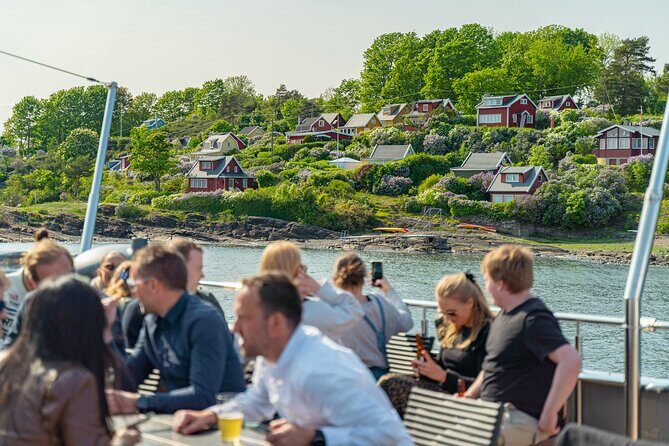
This isn’t a “sit and zone out” boat trip. The hosts do a balancing act: enough story to make the scenery meaningful, without drowning you in facts.
You’ll see guide names like Alecia and Alisha pop up frequently, plus Suzi and Frederik. Different guides have different rhythms, but the common theme is a friendly, light tone with useful details called out as you approach each landmark.
If you want to get the most out of the commentary, I’d recommend two habits:
- Stay near the viewing windows for the main segments, since the sights and narration match up.
- Step outside during the long view moments, then come back in when the wind gets annoying.
And if you have kids, this format usually works because the scenery is easy to describe and the boat ride naturally holds attention.
Food and Drinks on Board for Cold Days
There’s a cafe on board with drink and snack options. Some visitors specifically mention a microbrewery beer option, plus other onboard choices.
This matters because it turns a cold day into a comfortable break. Even if you don’t go full “snack and sip,” having the option to buy something warm or comforting can help you enjoy the cruise instead of thinking about what’s happening outside the cabin.
Bathrooms are also available onboard, and reviews describe them as clean, which is the kind of detail you’ll appreciate once you’ve been on a boat in chilly weather.
Who This Cruise Fits Best (Families, Couples, Solo Travelers)
This is one of the easier Oslo activities to recommend across different travel styles.
- Families with kids: The pace is relaxed, the fjord scenery is constant, and the boat feels safe and comfortable for a group outing. It’s also an easy way to show kids Norway without needing long walks.
- Couples: It’s scenic without being strenuous. You can move between indoor warmth and outside deck views, and the quiet electric motor makes it feel more intimate than busier city cruises.
- Solo travelers: The boat setup makes it simple to enjoy the scenery without worrying about keeping up with a group walking schedule. And having narration in English helps you connect the dots fast.
One more point: people describe it as a solid “recovery” activity—perfect after museums, long city days, or travel days when you want to sit back and watch.
Common Snags to Plan Around
No tour is perfect, but you can avoid the most common headaches.
Boat changes due to technical issues: A small number of experiences mention the original boat not being available and then being moved to another cruiser. If you strongly care about roominess and the exact premium setup, plan a little mental flexibility.
Finding the meeting dock: A few visitors were thrown off by nearby dock locations. Give yourself buffer time and use landmarks like Akershus Fortress to orient yourself.
Wind and choppiness: On windy days, the ride can feel a bit rough. If you’re sensitive to motion, take precautions and consider staying inside more often when the water looks unsettled.
Audio on decks: Some notes say outdoor audio can be quiet. If you want every word, the inside seating is the safer bet.
Should You Book This Oslofjord Cruise?
I think you should book this cruise if you want an Oslofjord experience that’s comfortable, scenic, and genuinely different from a typical “engine-noise tour bus on water” format. The combo of silent electric power, big panoramic windows, and a guided route through landmarks like Akershus Fortress, the Opera House, and Museum Island is strong value for the time.
Skip it or go in with expectations if you’re only chasing the most dramatic, far-remote fjord vistas from your favorite photo stereotypes. This route is very much Oslo-centered—fjord living close to the city—which some people love and others find less epic than they expected.
If your goal is a calm, family-friendly, high-comfort sightseeing block that works in gray weather, this is an excellent pick.
FAQ
What is the duration of the Oslofjord guided sightseeing cruise?
The cruise lasts about 2 hours.
How much does the tour cost?
The price is listed as $52.90 per person.
What language is the tour offered in?
The tour is offered in English.
Where does the cruise start, and where does it end?
It starts at Brim Explorer Oslo on Rådhusbrygge 2, 0160 Oslo, and ends back at the same meeting point.
Is there a mobile ticket?
Yes, a mobile ticket is provided.
How many people are on the tour at most?
The tour has a maximum of 120 travelers.
Is the tour suitable for families or children?
Yes, it’s described as suitable for all ages and especially interesting for children.
What happens if the weather is poor?
The experience requires good weather. If it’s canceled due to poor weather, you’ll be offered a different date or a full refund.
Can I bring a service animal?
Yes, service animals are allowed.
What is the cancellation cutoff for a full refund?
You can cancel up to 24 hours in advance for a full refund.