REVIEW · OSLO
Best of Oslo: Walking Tour with a local guide
Book on GetYourGuide →Operated by Oslo Private Guide · Bookable on GetYourGuide
Oslo’s landmarks come together on foot. This Best of Oslo walking tour gives you a guided loop through the city’s best-known sights and the “how it really works” side of Norway, including daily life and food traditions.
I like that it’s run by an authorised local guide who can explain what you’re seeing, not just point it out. And I like the mix of places, from government-and-palace Oslo to the waterfront by Aker Brygge and Bjørvika.
One possible drawback: you’ll cover a lot of central ground in just 3–4 hours, so it’s best if you’re comfortable walking and staying on your feet.
In This Review
- Key points before you go
- Meeting at the Nobel Prize Centre area and starting with real orientation
- City Hall, the Royal Palace, and National Theatre: the government-and-monuments part
- Akershus Castle and Fortress plus Oslo Cathedral: medieval Oslo without the confusion
- The museums stop: National Museum and Nobel Peace Centre in the same loop
- Opera House, Munch Museum, and Oslo’s “newer” cultural face
- Fjord walk section: Aker Brygge and Bjørvika for a modern Oslo view
- Hidden gems and the guide’s favourites: what you actually take with you
- What the $409 group price means for you (and when it’s a steal)
- Practical expectations: what’s included, what’s not, and the rules
- Who should book this Best of Oslo walking tour?
- Should you book this tour?
- FAQ
- How long is the Best of Oslo walking tour?
- Where do we meet for the tour?
- What is included in the price?
- Are food and drinks included?
- Is the tour guide English-speaking?
- Is the tour wheelchair accessible?
- Is free cancellation available?
Key points before you go
- Local authorised guide with English live commentary and local context
- Big-photo overview of Oslo main landmarks plus the guide’s favourite spots
- City Hall, Royal Palace, Akershus Fortress and major museums in one walking flow
- Fjord areas including Aker Brygge and Bjørvika for a modern Oslo feel
- Tips on Norway’s style of life and food traditions, plus where to try them
- Wheelchair accessible, with private or small-group options available
Meeting at the Nobel Prize Centre area and starting with real orientation
This tour is designed to help you get oriented fast. You meet in central Oslo at the Nobel Prize Centre reception, using the Reception (sign) meeting point. That’s a smart start: you’re already in the part of the city where a lot of the “official Oslo” vibe lives.
From the first minutes, the guide sets the tone. You’re not only marching between famous spots. You’re also learning the background that makes the architecture and institutions make sense. That’s what turns a list of sights into a sense of place—you know what you’re looking at, and why it matters.
Also, because the tour is private or small groups available, it tends to feel easier to ask questions. If you want to know the difference between how Norwegians eat at home versus what you’ll find on a menu, this is the kind of tour where the guide can answer in plain language.
You can also read our reviews of more walking tours in Oslo
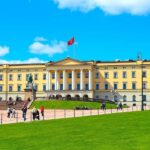


City Hall, the Royal Palace, and National Theatre: the government-and-monuments part
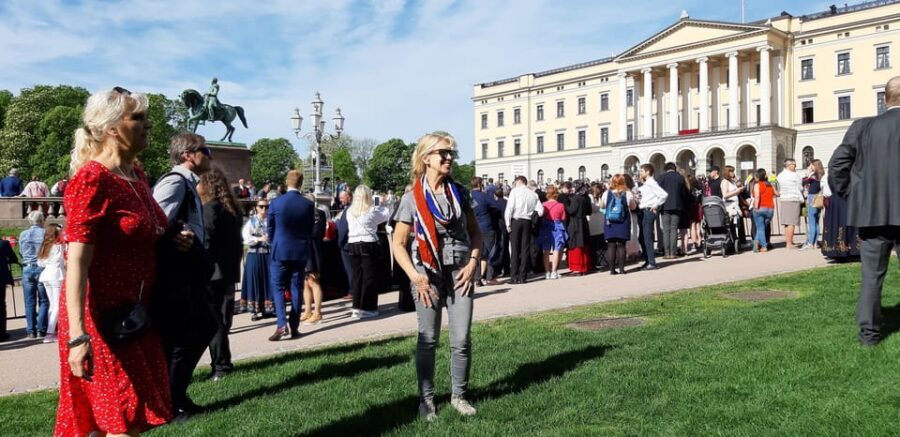
You’ll walk through several of Oslo’s most recognisable landmarks, starting with Oslo City Hall and moving toward the Royal Palace area, then onward toward the National Theatre. These buildings can look impressive, but without context they can also blend together.
This is where the guide’s storytelling matters. The tour is set up so the stops aren’t just photo ops. You learn what each site represents—how Oslo organizes public life, what these institutions symbolize, and what’s distinctive about how the city shows authority and culture.
The National Theatre stop is especially useful if you’re the type who likes to know what a place does, not just what it looks like. Even if you don’t plan to attend a performance, you’ll come away with better context for the role arts and public spaces play in Norwegian life.
Practical note: since the tour is walking-based and lasts 3–4 hours, expect frequent “stop, look, listen” moments and then walking again. It’s paced for a guided stroll, not for an extended museum day.
Akershus Castle and Fortress plus Oslo Cathedral: medieval Oslo without the confusion
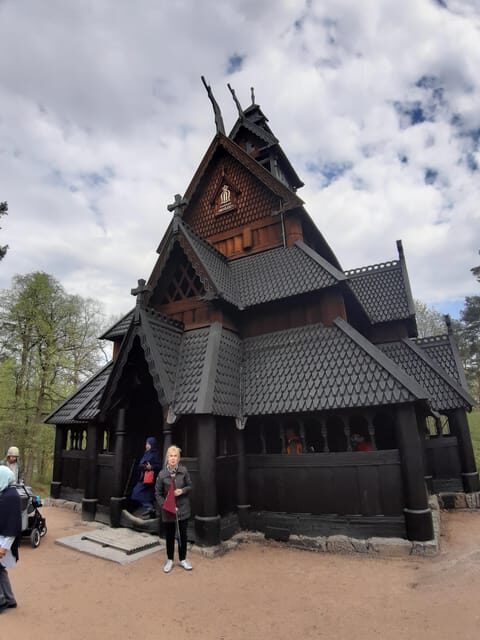
Next comes one of the most satisfying segments: Akershus Castle and Fortress and then Oslo Cathedral. These sites help you see how Oslo’s story changed from older stronghold-era power to today’s capital identity.
Akershus is the kind of stop that helps you understand the city’s geography. Fortress walls and the surrounding setting give you a clear sense of where Oslo has guarded itself over time—and why this area has stayed important. And because you’re walking through it with a guide, you’re not left trying to decode everything from signage.
Then Oslo Cathedral adds a different mood. It’s more about the religious and civic center of the city—another thread in how Oslo developed. Again, the value here is the explanation. The guide connects what you’re seeing with what it means in everyday terms.
Here’s the main consideration: if you’re hoping to spend long minutes inside buildings, this tour is likely not the best fit. The focus is on walking and overview. You’ll get a strong sense of the landmarks, but you may not have time for deep interior time at every stop.
The museums stop: National Museum and Nobel Peace Centre in the same loop
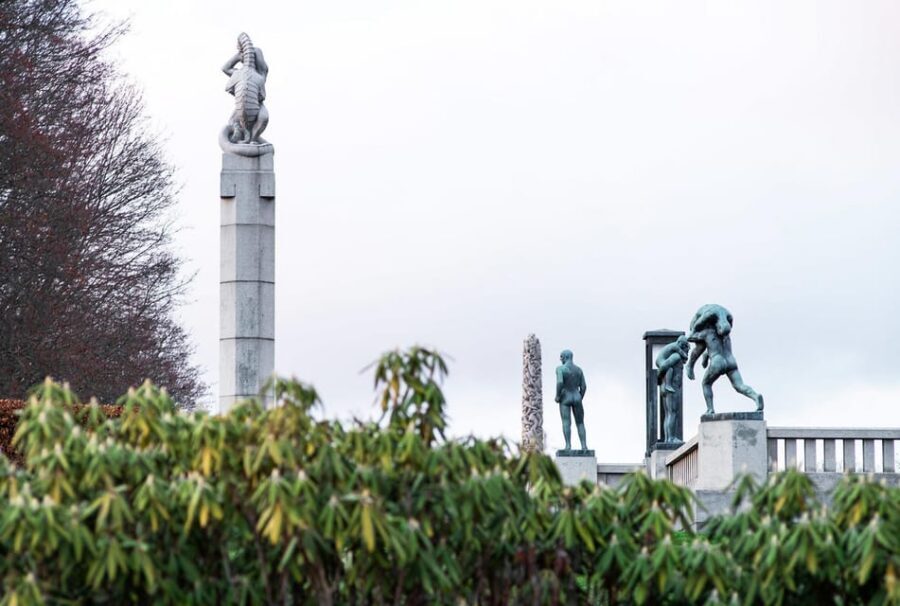
Oslo doesn’t just do monuments. It also does museums and global-world symbolism, and this tour threads both themes together.
You’ll pass the National Museum and spend time around the Nobel Peace Centre. That pairing is a great example of what this tour aims for: you get culture and you get global relevance, without needing separate days or complicated routing.
The guide also shares knowledge about Norway beyond the sights—our style of life and what’s special about Oslo. That matters at museum stops because it helps you interpret what you see. Instead of treating museums like storage rooms of facts, you start thinking in terms of why a country highlights certain narratives and achievements.
If you’re curious about how Norway turns ideas like peace and society into public-facing spaces, the Nobel Peace Centre area can be a turning point. Even if you don’t go inside for exhibits during the walk, the tour context helps you understand the setting and themes.
Opera House, Munch Museum, and Oslo’s “newer” cultural face
One of the best things about a walking route in Oslo is that it lets you feel the city transition. You move from older stronghold and civic buildings into the cultural-modern zone, including the Opera House and the Munch Museum.
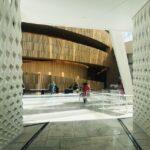
The Opera House stop gives you that visual contrast: sleek, contemporary design right next to the water influence. It’s a reminder that Oslo isn’t just a museum city—it’s a working capital with arts as part of everyday public life.
Then you’ll reach the Munch Museum, which helps anchor the cultural conversation. If you’ve heard of Edvard Munch before, this stop is the practical “OK, here’s where that story lives” moment. If you haven’t, you’ll still leave with a clearer sense of why Oslo leans into art as an identity.
Also on your path: you’ll pass our new library, which is one of those stops that can surprise you. Libraries are not always treated as sightseeing, but in a place like Oslo they represent public access to learning and community life—another part of the Norway you don’t get from postcards.
You can also read our reviews of more guided tours in Oslo






Fjord walk section: Aker Brygge and Bjørvika for a modern Oslo view
This tour really shines when it reaches the Oslo Fjord areas—especially Aker Brygge and Bjørvika. This is where the city becomes less about individual landmark architecture and more about the overall experience of Oslo as a waterfront capital.
Aker Brygge gives you a more lively, promenade-style feel. Bjørvika shifts the mood slightly into a newer, more contemporary Oslo waterfront zone. If you want to understand the city’s balance—culture and design near the water—this part of the route is where it clicks.
You’ll also cover the main avenue, which helps connect different zones so you stop feeling like you’re hopping around randomly. After that, Oslo starts to feel navigable. You’re better able to spot where you are in relation to the harbor, the museum cluster, and the central civic area.
Good to know: the tour is not promising a full food crawl or paid stops. Food and drinks are not included, so don’t expect meals to be part of the walk. But the guide will point you toward places to try traditional Norwegian food and drinks afterward.
Hidden gems and the guide’s favourites: what you actually take with you
The best walking tours do more than show you where famous buildings are. This one includes hidden gems and the guide’s favourite places inside the central area.
That matters because these are the stops that help you move like a local after the tour. You’ll remember which direction things are, which streets feel calmer, and where it’s comfortable to pause. You’ll also pick up a sense of what locals treat as normal day-to-day life in Oslo, not just what’s designed for visitors.
One of the tour’s stronger themes is how the guide explains what is special about Oslo and why. The guide shares knowledge about Norway’s style of life and food traditions, plus where you can find traditional Norwegian food and drinks.
Since you’re getting those practical pointers, you can plan your next meal with confidence instead of guessing. That’s real value, because eating well is often the make-or-break part of any trip.
What the $409 group price means for you (and when it’s a steal)

The price is $409 per group, for up to 10 people, lasting 3–4 hours. That’s not “cheap,” but it can be good value depending on how you’re traveling.
- If you book as a small group of 2–4 people, you’ll effectively pay more per person than a big group.
- If you can fill the group closer to 10, it becomes much more reasonable per person.
The reason this can still be worth it is the format: you’re buying guided interpretation of major sights plus local context, all in English, for a few hours. If you’re the type who hates wasting time in transit or wandering without a plan, having a guide handle the flow saves effort and reduces second-guessing.
Also, because it’s a local authorised guide, you’re not just getting generic commentary. You’re getting explanations about Norway and Oslo’s “why,” including food tradition guidance and where to try typical Norwegian dishes and drinks.
Practical expectations: what’s included, what’s not, and the rules
Included is straightforward: guiding of Oslo by a local authorised guide. What’s not included: food/drinks and transport. So you should plan to cover your own transit if needed and plan your own meal stops outside the tour window.
The tour is English, with a live tour guide. It’s also marked wheelchair accessible, and private or small groups are available, which is helpful if you’re traveling with family or want a quieter pace.
There’s also a clear rule: alcohol and drugs are not allowed. That’s a good thing if you prefer tours that feel respectful and easygoing, without distractions.
Who should book this Best of Oslo walking tour?
This fits you if:
- You want a high-quality overview of central Oslo in a single, manageable walk
- You enjoy guides who explain context: how Norway lives, what’s special about Oslo, and how food traditions fit in
- You’d rather spend a few hours getting your bearings than planning multiple separate outings
- You’re traveling in a private or small group and want space for questions
It might not be ideal if:
- You want heavy museum time inside multiple buildings (this is not described as a deep entry-and-explore format)
- You don’t like walking for 3–4 hours through a concentration of landmarks
Should you book this tour?
I’d book it if you’re heading to Oslo for the first time and you want a guided route that connects major sights to real meaning. The strongest case is the blend: civic monuments, fortress-and-cathedral Oslo, museum-and-art Oslo, and then the waterfront with Aker Brygge and Bjørvika—all plus practical guidance on Norway, daily life, and food traditions.
Skip it only if you’re mainly after long indoor time, or if your group won’t benefit much from a guided explanation (for example, if you already know Oslo extremely well and want total independence with no storytelling).
If you want an efficient, local-led way to understand Oslo instead of just collecting photos, this one earns a spot on your plan.
FAQ
How long is the Best of Oslo walking tour?
The tour lasts about 3 to 4 hours.
Where do we meet for the tour?
You meet at the reception area in central Oslo at the Nobel Prize Centre, using the Reception (sign) meeting point.
What is included in the price?
The price includes guiding of Oslo by a local authorised guide.
Are food and drinks included?
No. Food and drinks are not included.
Is the tour guide English-speaking?
Yes. The tour is guided in English by a live tour guide.
Is the tour wheelchair accessible?
Yes, the tour is listed as wheelchair accessible.
Is free cancellation available?
Yes. You can cancel up to 24 hours in advance for a full refund.