REVIEW · OSLO
Oslo: Private water adventure and E-Foil rental
Book on GetYourGuide →Operated by Oslo Efoil & activities · Bookable on GetYourGuide
You don’t just watch Oslo Fjord—you glide over it on an e-foil. I like how the electric motor keeps things smooth and quiet, and how the shoreline views feel totally new when you’re hovering above the water. You’ll also get hands-on coaching with an instructor who’s patient and clear, which matters because e-foiling has a learning curve.
One thing to consider: this is not for everyone. The session isn’t suitable for kids under 14, people over 260 lbs (118 kg), or anyone with certain mobility or back issues, and you’ll need to be comfortable in cold water if the weather turns.
In my notes, the best ingredient is the instructor. People highlight Antoine’s calm teaching style and his ability to explain the basics in a way that makes a first ride feel doable—plus he gives a heads-up for cold days so you’re not caught off guard. And because the group is limited to just 3, you’re less likely to feel rushed while you learn.
In This Review
- Key things that make this e-foil rental special
- Flying on Oslo Fjord: the e-foil sensation in plain words
- The session style: private feel, group limit of 3, and Antoine’s teaching rhythm
- From the pier to your board: what happens on arrival
- Gear and safety: what’s included and why it’s worth it
- Getting your “first flight” without panicking
- How long is “1–2 hours,” and what you’ll likely do in that time
- Price and value: what $103 buys you in the real world
- Who this is best for (and who should skip it)
- Practical tips you’ll be glad you remember
- Should you book Oslo e-foil in Oslo Fjord?
- FAQ
- Where do I meet for the Oslo e-foil session?
- How long is the e-foil experience?
- What’s included with the rental?
- Is there an instructor, and what languages do they speak?
- What do I need to bring?
- Who is this not suitable for?
- Is free cancellation available?
Key things that make this e-foil rental special
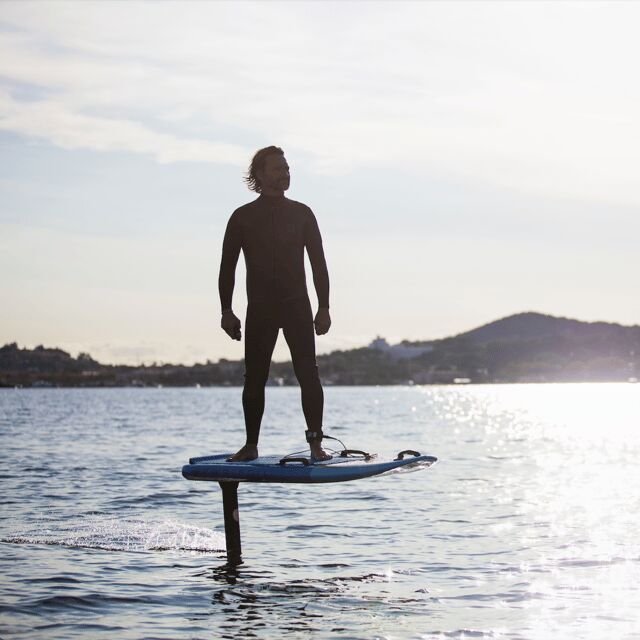
- Electric flying over Oslo Fjord: quiet power, less fuss, and big views from a floating perspective
- Small group coaching: limited to 3 participants, so you get real attention, not just a quick safety talk
- Antoine’s patient instruction: clear explanations and a teaching pace that helps beginners stick with it
- Full safety setup included: helmet, impact vest, wetsuit, and communication equipment
- Tracking built in: you use a performance tracking app during the session
- Plan for the cold: one first-timer mentioned freezing on a winter day, but appreciated the warning beforehand
Flying on Oslo Fjord: the e-foil sensation in plain words
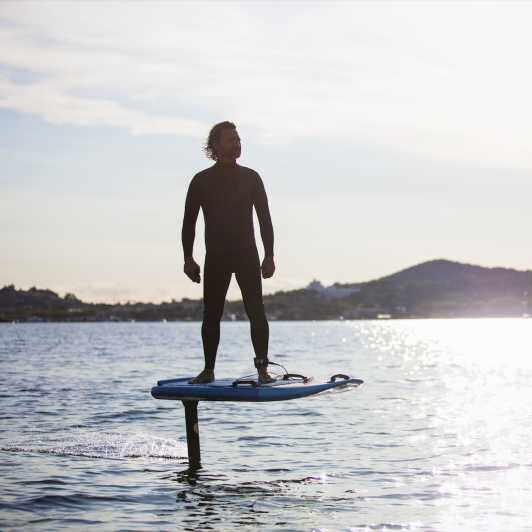
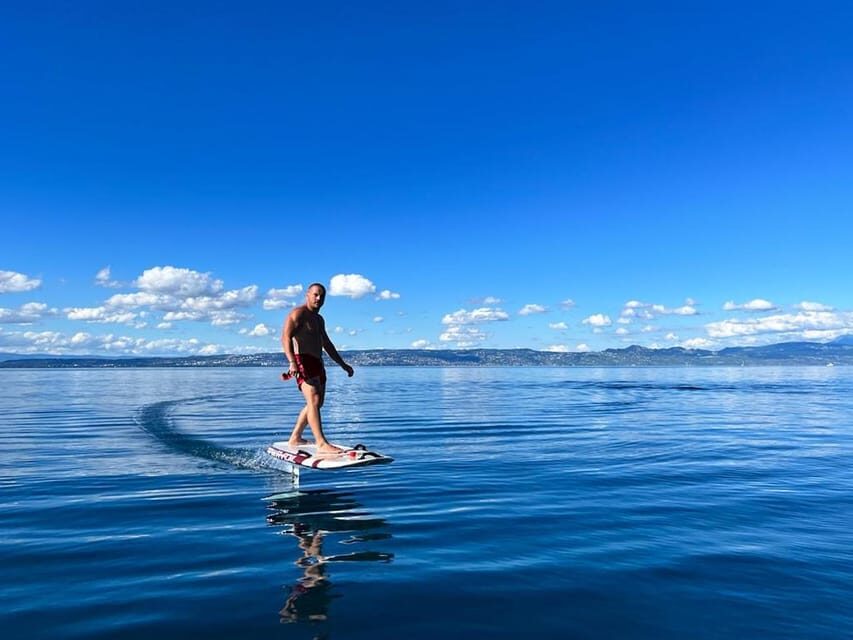
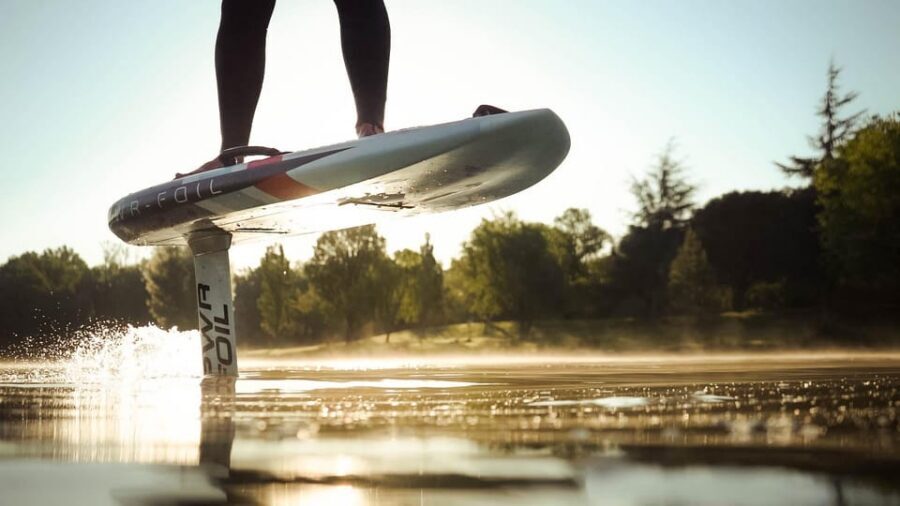
Oslo Fjord is gorgeous from shore, but e-foiling changes what your eyes get to do. Instead of standing at a railing and looking out, you travel across the water surface—then lift above it. That hover feeling is the whole point: the moment the board rises, you stop “riding” and start gliding.
The experience is powered by an electric motor, which helps in two ways. First, it’s eco-friendly compared to fuel-powered boating. Second, it tends to feel calmer. You’re not fighting loud engine noise or strong vibrations—you’re focused on balance, speed control, and where you want to go.
And the setting is perfect for this kind of activity. You’re on the fjord, so you get long sightlines, shoreline scenery, and that sense of open water around you. If you like nature breaks that feel more active than a simple walk, this is the kind of “new angle” outing that actually changes your day.
You can also read our reviews of more private tours in Oslo



The session style: private feel, group limit of 3, and Antoine’s teaching rhythm
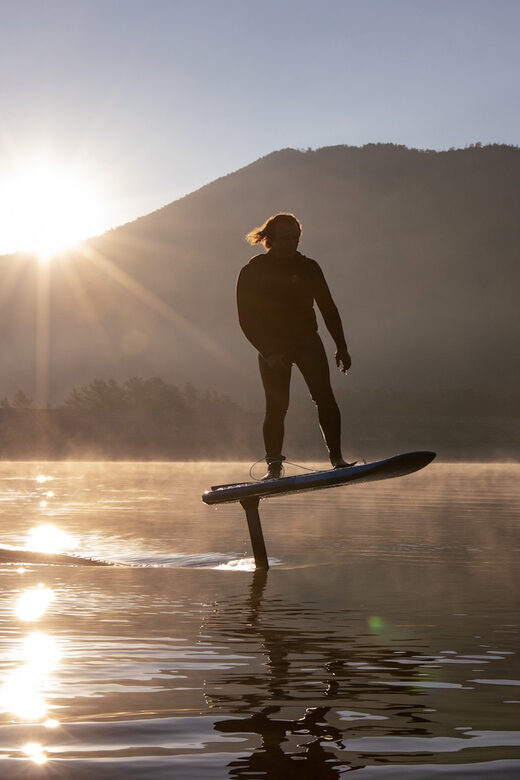
This is set up as a small group experience (max 3 participants), with an instructor who speaks English and French. That combo matters more than people think. In a sport like e-foiling, your progress depends on whether someone can watch your stance, help you fix the basics, and adjust the pace when you’re nervous.
The reviews put a strong spotlight on Antoine, and that’s not random. One rider praised how patient he was even though they weren’t good at it at first. Another called out how clearly he explained everything and made the session fun rather than intimidating. A third mentioned trying e-foiling for the first time and being impressed that he set expectations ahead of time, especially with cold weather.
So here’s what that means for you: if you’re a total beginner, you’re not being thrown into the deep end. You’re likely getting guided instruction in a way that builds confidence step by step. And if you’re returning and want to improve control, a small group also gives the instructor space to help with your technique rather than rushing everyone through.
From the pier to your board: what happens on arrival
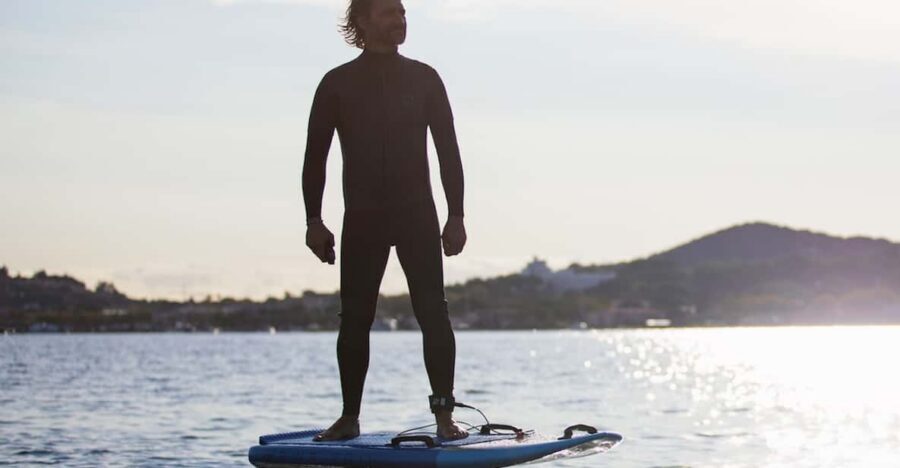
Your meeting point is straightforward: go to the pier at the beach and look for the Oslo Efoil beach flag. Expect the session to start with you getting checked in and getting set up. Since the board and engine are part of what’s provided, your main “arrival job” is showing up ready to gear up and listen closely at the start.
Then comes the safety and readiness phase. You’ll be given the equipment used for the session:
- Helmet
- Impact vest
- Wetsuit
You’ll also use communication equipment—handheld waterproof radios/handles—to stay connected with the instructor. That sounds technical, but it’s useful: it helps the instructor coordinate the group and keep you aware of what’s coming next.
After you’re suited up, you can expect the instructor to cover the essentials before you ride. For a first-timer, the critical part is usually getting comfortable with how the board responds to your body position and how the controls feel under your hands. The reviews underline that Antoine explains things clearly, so you’re not guessing.
Finally, you move from instruction into actual time on the water. The session is short by design—1 to 2 hours total—so the focus is on getting you into the experience without wasting time.
Gear and safety: what’s included and why it’s worth it
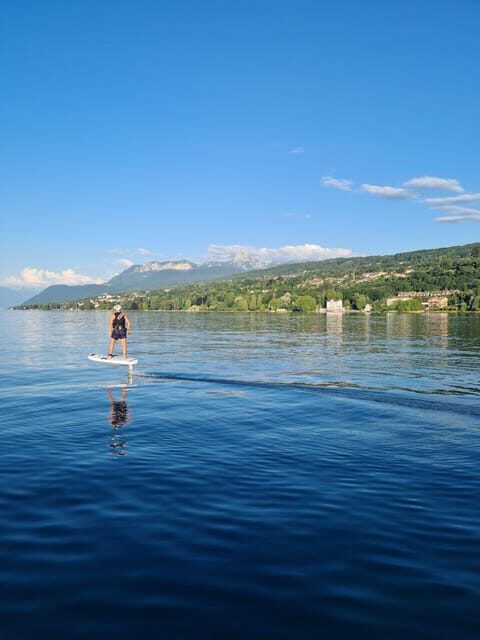
Safety here is not an add-on. It’s built into what you get.
You’re provided with:
- E-foil engine and board
- Controller
- Performance tracking app
- Safety gear: helmet, impact vest, wetsuit
- Communication equipment: waterproof handles talkie/communication radios
That list matters because e-foiling is a hydrofoil sport: you’re going above the water surface, which changes how you fall, how fast the board reacts, and how important protective gear becomes. A wetsuit also helps because you may be on the water longer than you think once you’re learning balance.
You also have clear rules about what not to do:
- no weapons or sharp objects
- no intoxication
- no alcohol or drugs
If you’re planning a “party day” in Oslo, this isn’t the activity to pair with it. E-foiling is a skills-first sport, and the safety boundaries keep the whole session smoother for everyone.
One more practical note from the reviews: cold weather is real. One first-time rider described a freezing day, but said Antoine had warned them beforehand so they were prepared. That’s the kind of lead-time you want—because the wetsuit helps, but your comfort still depends on layers, timing, and the day’s temperature.
Getting your “first flight” without panicking
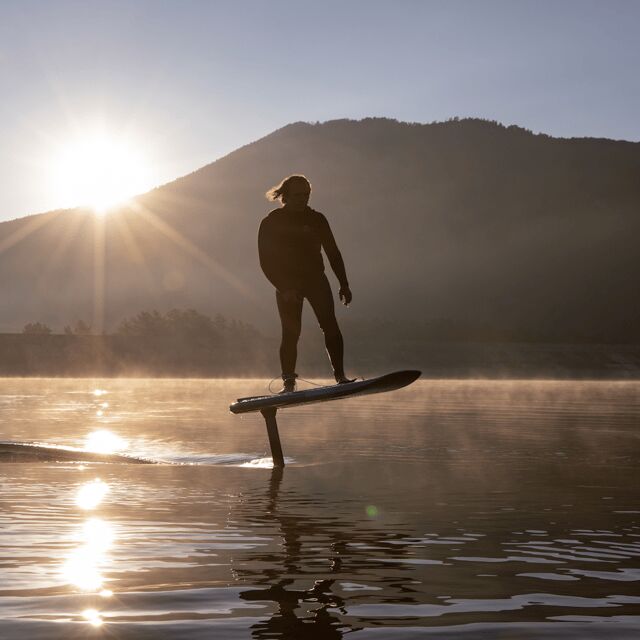
E-foiling has that signature moment when the board lifts. What makes it thrilling is also what can make people tense: you’re suddenly not just floating—you’re hovering.
Here’s what you can do to set yourself up for success:
- Listen early and ask questions during the briefing, not mid-ride.
- Stay focused on body position first, speed second. The board response depends heavily on your stance.
- Expect some learning friction. Even the review that praised Antoine for being patient still noted the rider wasn’t very good at it at first.
That’s why I like the small-group setup. With only up to 3 participants, you’re more likely to get corrective attention. And with a strong instructor, your first minutes don’t have to feel like trial and error.
Also, remember the goal isn’t to “dominate the fjord” in one go. The value is in learning the skill and experiencing that glide. If you finish feeling like you understand the basics, that’s a win.




How long is “1–2 hours,” and what you’ll likely do in that time
The session window is listed as 1–2 hours, and availability depends on starting times. In practice, a format like this usually means you’ll spend the bulk of your time on the water, with some time before that dedicated to getting geared up and learning the fundamentals.
Because the total time is relatively short, it’s best to treat this like a focused activity rather than a casual stroll. You’ll want enough mental energy to learn quickly, follow instructions, and adjust as your control improves.
If you’re choosing between shorter and longer slots, go longer if:
- you’re truly a beginner and want extra reps
- you want more time to feel confident and not rush your learning
Go with a shorter slot if:
- you’re experienced or comfortable balancing on boards
- you want a quick hit of e-foil thrill alongside other Oslo plans
Price and value: what $103 buys you in the real world
At $103 per person, you’re paying for more than “time on a board.” You’re buying a complete setup:
- board and electric foil power
- controller and a performance tracking app
- a wetsuit, helmet, and impact vest
- an instructor in English/French
- waterproof communication gear
- a small group format capped at 3
That’s the key value angle. Many activities add rentals, coaching, and safety gear on top. Here, it’s part of the package, which reduces surprises. You also don’t have to worry about figuring out how to operate a complicated piece of equipment on your own—learning is guided.
Also, the setting is a huge part of the worth. Oslo Fjord is scenic enough that even a brief session feels special. The e-foil turns that scenery into motion, and it’s hard to recreate that view from land.
Is it “cheap”? No. But it’s priced like an activity that’s equipment-heavy and instructor-supported, and that’s what keeps the experience from becoming frustrating for first-timers.
Who this is best for (and who should skip it)
This is ideal if you want:
- an active way to see Oslo Fjord from the water
- a skill-based experience with real instruction
- a modern, electric eco-friendly adventure rather than a traditional speedboat ride
It’s also great for travelers who like tight group sizes. Limited to 3 participants, you’re more likely to feel like you matter to the instructor.
But it’s not suitable for:
- children under 14
- pregnant women
- people with back problems
- people with mobility impairments
- wheelchair users
- people over 260 lbs (118 kg)
If any of those apply, don’t force it. This kind of sport depends on safety and control, and the rules are there for a reason.
Practical tips you’ll be glad you remember
Bring:
- a towel
- beachwear
Wear what helps you stay comfortable in water time, because you’re dealing with fjord conditions and a sport that keeps you outside for a chunk of your session. The review that mentioned a cold day is a good reminder: even with a wetsuit, weather affects how fun the day feels.
Plan to arrive on time at the pier with the Oslo Efoil beach flag. This is the kind of activity where delays can cut into your learning time.
And keep your day simple. No alcohol or drugs, and avoid adding chaotic plans right before. You’ll enjoy it more if you’re focused and ready to learn.
Should you book Oslo e-foil in Oslo Fjord?
If you’re looking for a memorable Oslo experience that isn’t just sightseeing, I’d say yes. The combination of electric flying, a small group, and clear coaching creates a real chance for first-timers to have fun without feeling lost. Antoine’s reputation for patience and explanations is a strong sign you’ll be guided properly.
I’d only hesitate if:
- you don’t meet the safety limits or your body situation makes you a bad fit
- cold water would genuinely ruin your day (and you haven’t handled cold temps well before)
- you want something purely relaxing with no learning component
If you can handle gear up, listen, and learn a new skill for 1–2 hours, this is exactly the kind of activity that makes Oslo feel fresh.
FAQ
Where do I meet for the Oslo e-foil session?
Meet at the pier at the beach. Look for the Oslo Efoil beach flag to find the correct location.
How long is the e-foil experience?
The duration is listed as 1 to 2 hours, depending on the starting time availability.
What’s included with the rental?
The package includes the e-foil engine and board, the controller, a performance tracking app, and safety equipment: helmet, impact vest, and a wetsuit. You also get waterproof communication equipment.
Is there an instructor, and what languages do they speak?
Yes. The instructor speaks English and French.
What do I need to bring?
Bring a towel and beachwear.
Who is this not suitable for?
It’s not suitable for children under 14, pregnant women, people with back problems, people with mobility impairments, wheelchair users, and people over 260 lbs (118 kg).
Is free cancellation available?
Yes. You can cancel up to 24 hours in advance for a full refund.