REVIEW · LONGYEARBYEN
Longyearbyen: Private Northern Lights Tour by Car
Book on GetYourGuide →Operated by Backyard Svalbard AS · Bookable on GetYourGuide
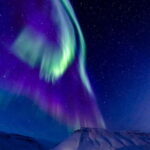
The sky puts on a show up here. This private car Northern Lights tour from Longyearbyen is built for comfort and clarity, with a guide steering you toward darker skies and stronger chances of seeing the Aurora Borealis. You’ll spend a winter night watching the lights move across the Arctic sky, with help that makes the whole thing easier than guessing on your own.
I especially love two parts: the guide uses live aurora forecasts to choose the best viewing stop, and you get real, practical photo guidance once you’re under the lights. The cozy bonus is the hot drinks and snacks while you wait, so you’re not doing the classic freeze-and-cope routine. One drawback to plan for: you still need to bring proper winter clothing, and the auroras depend on the weather and sky conditions, so there’s no absolute guarantee on every night.
In This Review
- Key Things I’d Put on Your Radar
- Why a 3-hour car chase beats waiting around
- Longyearbyen pickup and the warm-up before the lights
- How the guide finds darker skies using live forecasts
- Aurora watching from a scenic viewpoint (and when to step out)
- Photography help that actually matters in the cold
- What you learn when you look up: facts, myths, and Svalbard context
- Comfort details: drinks, snacks, and staying warm
- Price and value: what $225 per person buys
- Who should book this private Northern Lights car tour
- Should you book this tour or make other plans?
- FAQ
- How long is the private Northern Lights tour?
- Where do I get picked up, and is drop-off included?
- What language is the guide?
- What’s included for food and drinks?
- Do I need to bring winter clothing?
- Is alcohol allowed during the tour?
- Can I cancel and get a refund?
Key Things I’d Put on Your Radar
- Live aurora forecasting in the driver’s seat so you’re not staring at the same patch of sky all night
- A warm, private ride in a comfortable car or van with hotel pickup and drop-off
- Photography tips on location so you can actually get images, not just memories
- Coffee, tea, hot chocolate, and light Arctic snacks during the viewing stop
- Guide storytelling about aurora facts and myths, plus local Svalbard context
Why a 3-hour car chase beats waiting around
Northern Lights nights can be frustrating if you’re doing it the hard way: you spend hours in the cold hoping the sky cooperates, then end up with blurry photos and a tired group. This tour is smarter because it’s focused. In about 3 hours, you get transport, a local guide, and a plan to find the right dark-sky spot.
That time window also fits real life. Longyearbyen is far north, winter nights are long, and daylight isn’t doing you any favors—so moving efficiently matters. You’re not wandering around in the dark with a guess and a headlamp. You’re following a guide who knows where to go and how to watch, which is especially helpful if you’re short on nights or traveling with kids, older relatives, or anyone who hates prolonged cold.
Now, the honest part: even with great planning, the auroras can be shy. The tour is designed to maximize your odds through forecasts and careful location choice, not to promise a spectacle on command.
You can also read our reviews of more private tours in Longyearbyen
Longyearbyen pickup and the warm-up before the lights
You start with hotel pickup in Longyearbyen, and the guide meets you right at your door or just outside—so you don’t waste your first minutes fumbling gear in the snow. Your guide handles the night’s rhythm, which makes a big difference when it’s dark, cold, and you’re trying to look up every few seconds.
Before you settle into aurora mode, there’s a short, practical viewing-and-refuel stop. You’ll get coffee, tea, and local snacks at the first viewpoint, about 20 minutes. I like this structure because it gives you a calm moment to get oriented—where you are, how the sky looks from that spot, and what the lights might do as darkness deepens.
Also, you’ll want your camera ready during the early moments. Even if the brightest lights show up later, the sky can surprise you with quieter curtains or faint glow that’s still worth photographing.
How the guide finds darker skies using live forecasts
The heart of this experience is that you’re not relying on luck. The guide monitors live aurora forecasts and drives to carefully selected locations with minimal light pollution and conditions known for higher auroral activity.
In plain terms, that means you’re choosing the viewing conditions, not just reacting to them. Light pollution is the enemy of faint aurora color, so getting away from the brightest areas helps even when the aurora isn’t fully roaring. When the sky is active, being in the right spot can make the difference between a barely-there shimmer and something photo-worthy.
This is also where having a good guide pays off. Past guests have highlighted guides such as Emelie, Emily, Andreas, and Max for being both personable and genuinely skilled at locating the lights. One guest noted that Andreas knew the best spots and shared Svalbard info along the way, and another mentioned Max helping out even when they missed seeing the aurora—still turning the night into meaningful guidance rather than disappointment.
Aurora watching from a scenic viewpoint (and when to step out)
Once you reach the viewing area, you park at a scenic viewpoint surrounded by Arctic wilderness. The idea is simple: you can step outside to watch the lights in open air, or you can stay warm in the car if conditions feel too intense for your comfort level.
I like that flexibility because Northern Lights viewing can be physical. Sometimes the best lights hit fast, and sometimes they take their time. You don’t need to commit to nonstop standing outside if you’re bundled and still uncomfortable. You can step out, check the sky, then return to warmth without missing the whole experience.
Your guide is also scanning while you scan. You’re instructed to keep an eye on the sky, but the guide’s job is to help you interpret what you’re seeing—what’s likely aurora versus clouds, what kind of motion to watch for, and when the color might sharpen.
In good conditions, the auroras can move like a living curtain—though you’ll still want patience. In winter darkness, the sky can take minutes to show something real, then suddenly brighten, then fade. That rhythm is part of the magic.
Photography help that actually matters in the cold
If you care about getting photos, you’re in the right place. This tour includes photo assistance from your guide, aimed at helping you capture auroras more effectively.
Even if you’re an experienced photographer, cold conditions add problems: your battery drains faster, your hands get clumsy, and it’s easy to lose focus on manual settings. Having someone there to guide you through what to adjust—without you having to learn it from scratch in real time—saves a lot of frustration.
A practical tip: be ready to experiment. Aurora photography often comes down to small adjustments—exposure length, focus method, and where you frame the sky relative to the horizon. Your guide’s feedback helps you stop guessing and start iterating.
Also, keep expectations grounded. You’ll have the best chance if you’re at a dark-sky spot, staying steady while the camera does its work, and using the guidance provided. The goal here isn’t just a random snapshot; it’s helping you leave with images that show the aurora rather than a blurry dark rectangle.
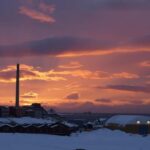
What you learn when you look up: facts, myths, and Svalbard context
The aurora itself is the headline, but the guide’s storytelling makes the night last longer in your memory. You’ll hear fascinating facts and myths about the Aurora Borealis, which helps you watch with better understanding. When you know what causes the light and what different aurora behavior might mean, the experience becomes more than a pretty light show.
You’ll also get local context. Some guides go beyond the aurora. One guest praised Andreas for sharing information about Svalbard and even pointing out what they should not miss on Spitzbergen (also called Spitsbergen). That kind of guidance is useful because it helps you plan the rest of your trip in a place where every day costs time and daylight.
If you’re the type who likes learning while you travel, this tour works well. If you’re only interested in the lights, you’ll still get plenty of sky time—the learning just keeps you engaged while you wait.
Comfort details: drinks, snacks, and staying warm
Waiting for the aurora is not a scenic stroll. It’s cold, dark, and sometimes slow. That’s why the included warmth matters.
You’ll have coffee, tea, and hot chocolate, plus light Arctic snacks, during the viewing portion of the trip. The drinks are simple but meaningful: they give you a reason to take your gloves off briefly (if you can), warm your fingers, and reset between watching moments.
I also like that this is planned as part of the experience, not an afterthought. It makes the night feel like an outing with care, rather than an icy bus ride where you hope someone hands you a thermos.
One note for planning: winter clothing is not included, so you need to bring your own layers. The tour provides warmth through drinks and a comfortable vehicle, but it can’t replace a good base layer, insulated outerwear, and warm boots.
Price and value: what $225 per person buys
At $225 per person for 3 hours, this tour is in the mid-to-premium range. The question is what you’re paying for, and in this case, you’re paying for efficiency and support.
Here’s what that price covers:
- Private transportation by comfortable car or van
- Hotel pickup and drop-off
- A local guide and driver
- Coffee, tea, hot chocolate, and light Arctic snacks
That’s a real value stack. You’re not coordinating your own driver, you’re not renting your own vehicle for a night mission, and you’re not spending time troubleshooting where to go. You’re buying decision-making support: where to drive, when to stop, and how to watch.
A private group also helps. It keeps the experience focused on your group’s pace, especially when everyone is trying to photograph the sky and keep warm at the same time. If you’re traveling with people who want a calm, well-timed experience rather than a crowded group tour, this model tends to fit.
If you already have winter gear, a camera, and a strong tolerance for uncertainty, you could theoretically DIY. But DIY usually costs you either time, comfort, or quality information—and those are exactly what this tour packages together.
Who should book this private Northern Lights car tour
This is best for:
- Couples or small groups who want a private, comfortable night out
- Anyone who wants help with aurora photography without a crash course
- First-timers to Longyearbyen who don’t want to spend their first evening figuring out driving and dark-sky options
- People who value a guide’s storytelling—facts, myths, and local Svalbard context
It might be less ideal for:
- You if you’re allergic to cold weather at all and can’t handle stepping outside at any point (you can stay in the vehicle, but the aurora is meant to be viewed outside)
- You if you expect the tour to include winter clothing or an on-site bonfire (neither is included)
- You if you want to bring alcohol—alcoholic drinks aren’t allowed in the vehicle
This is a smart pick when you want the night to feel organized, cozy, and guided, even if the auroras do their unpredictable thing.
Should you book this tour or make other plans?
If you want a well-run Northern Lights night with less stress and better odds, I’d book it. The mix of private transport, forecast-led viewing, and on-the-ground photo help makes the experience feel practical, not just romantic.
Do book it if you can bring warm clothing and you’re ready to spend a few hours paying attention to the sky. You’ll likely come away with more than lights—guide tips, local context, and a night that feels cared for from pickup to drop-off.
Skip it only if you’re looking for a long, multi-stop wilderness hike or if you need warmth and equipment handled entirely by the tour. This one is about smart viewing with comfort, not extreme adventure.
FAQ
How long is the private Northern Lights tour?
The tour duration is 3 hours.
Where do I get picked up, and is drop-off included?
Pickup and drop-off are included, and the guide meets you at your hotel door or just outside at the agreed time.
What language is the guide?
The tour guide speaks English.
What’s included for food and drinks?
Coffee, tea, hot chocolate, and light Arctic snacks are included.
Do I need to bring winter clothing?
Yes. Winter clothing is not included, so you should bring your own warm layers.
Is alcohol allowed during the tour?
No. Alcoholic drinks are not allowed in the vehicle.
Can I cancel and get a refund?
Yes. You can cancel up to 24 hours in advance for a full refund.