REVIEW · TROMSO
Tromsoe: Make your own silver ring in a goldsmith workshop
Book on GetYourGuide →Operated by Wabi Sabi AS · Bookable on GetYourGuide
A silver ring starts with fire and a philosophy. In this Tromsø workshop, you learn the Wabi Sabi idea of beauty in imperfection, then you actually shape and make your own Mingle ring. I love that it is hands-on all the way, not a sit-and-watch class, and I also love the clear, step-by-step guidance I’ve seen from instructors like Anna, Dagmar, and Christina.
One thing to consider: if you want a very thick, heavy band, you may feel a little constrained by the ring style and the amount of silver used for each person.
Key points to know before you go
- A working goldsmith studio: you’re in a real workshop, not a showroom
- You do almost everything: shaping and finishing are part of your job
- Wabi Sabi jewelry meets Tromsø: raw northern nature vs city contrast
- Small group size (up to six) means you get attention when you need it
- Take home one silver ring that is truly your own design
- One practical note: one guest wished for a bit more silver for a thicker look
In This Review
- Wabi Sabi Philosophy Meets Real Metal Work in Tromsø
- Where You Go: Wabi Sabi Workstudio at Mack Brewery’s Backyard
- What Happens in the First Minutes: Refreshments and a Quick Wabi Sabi Intro
- The Two-Hour Workshop Flow (and What You Actually Do)
- Shaping, Melting, and the “Neat Surprises” of Forging
- Your Ring: The One-of-a-Kind Mingle Design in Silver
- Small Group Size Means You Actually Get Help
- Price and Value: What You’re Really Paying For
- Who This Ring-Making Workshop Suits Best
- Quick Practical Tips Before You Book
- Should You Book This Tromsø Silver Ring Workshop?
- FAQ
- How long does the silver ring workshop take?
- What will I make during the workshop?
- How big is the group?
- What languages are used during the workshop?
- Is this workshop suitable for children?
- Can I cancel if my plans change?
Wabi Sabi Philosophy Meets Real Metal Work in Tromsø
Tromsø has that mix you can’t fake: northern light energy outside, and a proper city rhythm inside. This workshop takes that same idea and turns it into jewelry. The brand is built on Wabi Sabi, the Japanese philosophy that accepts beauty in imperfection. In their design thinking, metal and flames are the meeting point—kind of the opposite of polished “perfect” souvenirs.
What makes this experience interesting is that the philosophy is not just decoration. You’ll hear it up front, you’ll see it in the process, and you’ll end with something that looks alive. That matters because ring-making can easily become a craft demo where everyone leaves with the same object. Here, the whole point is that your ring ends up unique.
I also like the way the workshop is framed: it’s creative, but it still respects the craft. You’re shown what to do, you’re guided through production, and you still make the choices that affect the final shape and character.
And yes—there’s a little drama. Melting metal and working with heat is one of those things that feels more real than almost any other “creative activity” in town.
Where You Go: Wabi Sabi Workstudio at Mack Brewery’s Backyard
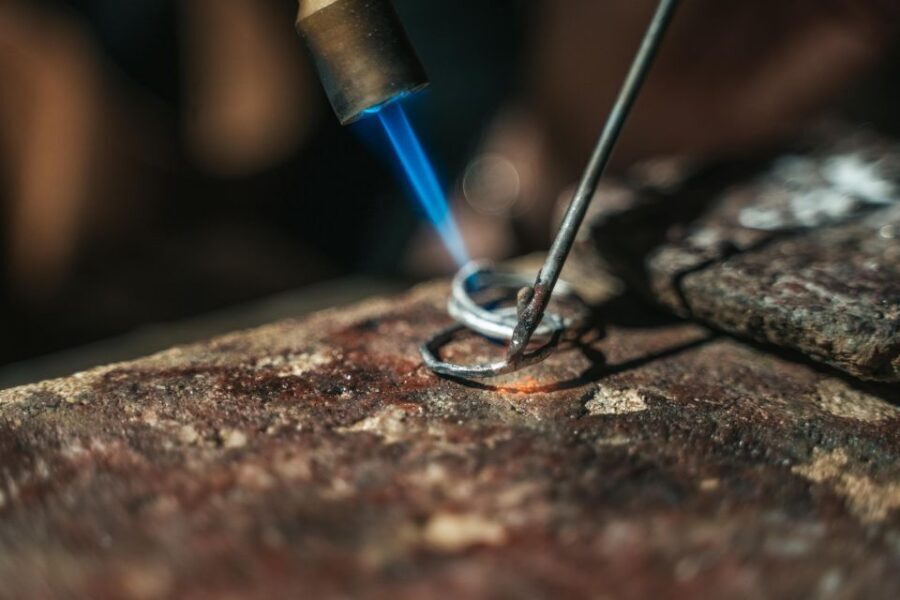
You meet in Wabi Sabi workstudio, at Peder Hansens gate 4 B. It’s in the backyard of Mack brewery. That’s helpful because it gives you a real landmark in a city that can feel spread out depending on your hotel.
Plan to treat the start like an appointment. You’ll show up, you’ll check in, and then the team gets you ready before you jump into the making.
The setting is set up for actual work. That shows in the way guests describe the studio as clean and the team as friendly. You’re not wandering through a cluttered craft room hoping someone notices you. It’s organized, and the vibe is calm.
A few more Tromso tours and experiences worth a look



What Happens in the First Minutes: Refreshments and a Quick Wabi Sabi Intro
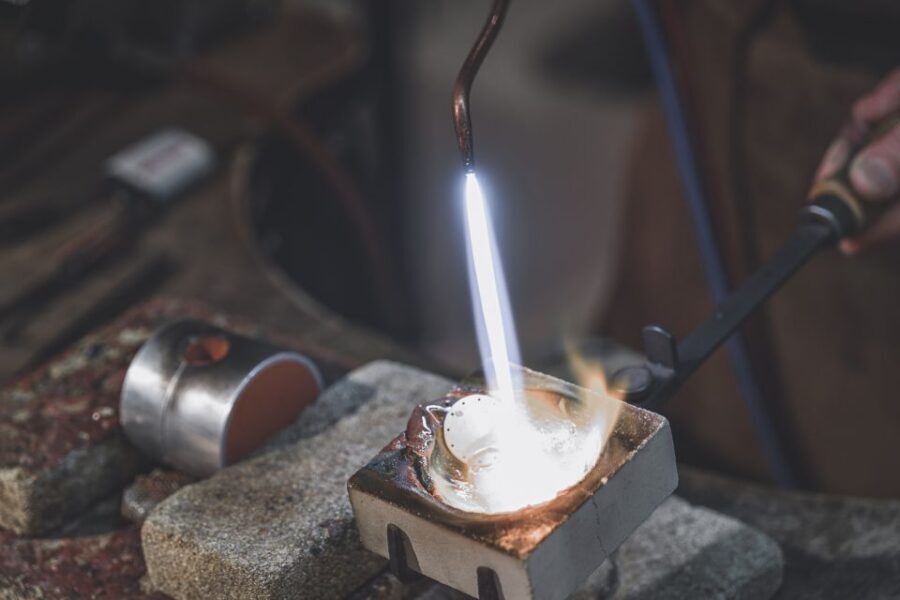
Before you start metalwork, you’re served light refreshments and given a short presentation about their Wabi Sabi approach. This is not just “story time.” It sets expectations for what you’ll see later—ways imperfections show up as part of the beauty.
You’ll also learn what the workshop experience is aiming for: a hands-on process where you do almost everything yourself, while the goldsmith guides you through safe, correct steps.
If you enjoy the “why” behind a craft, you’ll get that here. It’s an easy way to get more out of the class than just the end result. If you don’t care about philosophy, you can still enjoy the practical part. You just won’t be as mentally invested while you’re waiting for your turn at the tools.
The Two-Hour Workshop Flow (and What You Actually Do)
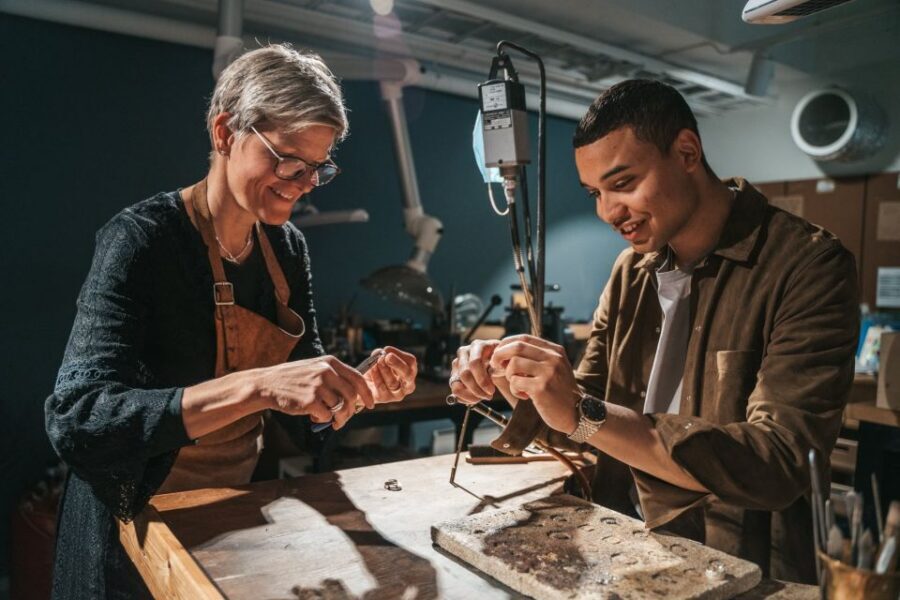
This experience is planned for about 2 hours, and they say you should calculate around 1.5–2 hours for the full session. That timing is realistic for a hands-on craft class: enough time to shape and work the ring, without turning it into a half-day project.
You’ll be guided through the entire production process. The workshop language highlights several stages, including shaping, melting, regulation, and renovation. Not all stages will feel like “melting and magic.” Some parts are quieter, more precise. That variety is good because it keeps the class from becoming repetitive.
Here’s the practical way to think about your time:
- You start with basics and get clear instructions for each step.
- You move into the main making work with close guidance.
- You finish with your ring in a state that you can wear later as your own souvenir.
And the big theme: you’ll do almost everything yourself. That line matters because the best ring-making workshops don’t just hand you a tool. They let you make choices and learn the craft through repetition and correction.
Shaping, Melting, and the “Neat Surprises” of Forging
One consistent theme from guests is that the process includes surprises. That’s the fun part—things can go a bit differently than what you imagine when you see a ring already finished.
During the workshop, you’ll be working inside the goldsmiths world. You’ll hear explanations for what you’re doing and why. In practice, that means you’re not just copying a motion. You’re learning how the material behaves and how finishing choices affect the look.
The studio is also described as a place where the guide explains every process well. In multiple sessions, goldsmiths like Dagmar, Anna, and Christina are singled out for being welcoming, patient, and clear. That’s a big deal for value, because you’ll avoid frustration when something feels tricky.
If you like being hands-on, you’ll likely enjoy this more than you expect. Ring-making sounds like “craft,” but it’s also problem-solving with your hands.
Your Ring: The One-of-a-Kind Mingle Design in Silver
When you leave, you’ve made a unique Mingle ring in silver. The workshop is built around that one take-home item, and the price includes one Mingle ring in silver per person.
That “one ring each” detail is important. It keeps the workshop focused and makes it feel personal. You’re not waiting around while someone else makes your ring. You’re working on your own piece, then taking it home.
Wabi Sabi jewelry is supposed to celebrate imperfection. So your ring might have small irregularities that don’t look like mistakes. Instead, they look like the fingerprint of the process—like your work left a mark. That’s exactly the kind of souvenir that doesn’t end up in a drawer.
One practical consideration: a guest noted that they could have used a bit more silver to increase thickness for the male rings. So if you’re picky about weight, thickness, or a very chunky look, it’s worth thinking about what style you want before you start.






Small Group Size Means You Actually Get Help
This is limited to groups of up to six people. That small number changes everything. In a bigger class, you wait. You watch. You hope someone notices you. Here, you can get help when you need it.
Guests frequently describe the experience as intimate and not rushed. That matters because metalwork is exacting. If you’re learning, a quick shove toward the next step can turn “fun craft” into “stress craft.” The workshop flow seems designed to avoid that.
For couples, this also hits well. You’re both making something you can keep. You’re not stuck doing separate activities in different corners of a store. Instead, you share the same process energy and then leave with two distinct rings.
For solo travelers, it’s also solid. You can focus on your ring and still talk with the instructor and the other participants.
Price and Value: What You’re Really Paying For
The price is NOK 1,950 per person, listed as about $215 per person. You get one silver ring included, made during the workshop.
That matters for value. You’re not paying for a ticket where the “real” product is something you didn’t make. You’re paying for:
- time from a goldsmith/instructor
- guided access to the tools and techniques
- your own hands-on work through the full process
- a real silver ring as the final output
In most travel cities, souvenirs priced like this are often either decorative items made elsewhere, or experiences where the finished product is minimal. Here, your result is a wearable metal piece with your own contribution.
Could it feel pricey if you only want a quick craft? Sure. If you’re looking for a simple activity with zero learning and no real work, this may not feel worth it. But if you want an authentic workshop and a meaningful keepsake, it’s a strong deal.
Who This Ring-Making Workshop Suits Best
I think this fits best if you fall into one (or more) of these groups:
- You like making things with your hands and you want guidance, not just freedom.
- You want a Tromsø souvenir that is personal and genuinely one-of-a-kind.
- You’re into art and philosophy and like the idea of Wabi Sabi being connected to the real craft.
- You’re traveling with a partner and want an activity that creates shared memories plus a physical keepsake.
It’s also a good choice if you want something different from the usual city checklist. Tromsø can be about views, museums, and tours. This is about texture, heat, and making.
Two limits to note:
- It’s not suitable for children under 12
- The workshop is designed for small groups, so it won’t feel like a casual “walk in and do it anytime” experience.
Quick Practical Tips Before You Book
Based on how the session is described, here are the small things that help your experience go smoothly:
- If you care about the ring look, go in knowing you’ll end with the Mingle style. You can shape your own ring choices, but you’re still working within their design process.
- Plan for a focused 1.5–2 hour session. Don’t stack tight transfers right after.
- Show up ready to participate. This is not passive. You’ll be doing almost everything yourself.
- If you have questions about the process, bring them. The guides are known for explaining steps clearly and taking time to help the group.
And if you’re nervous about doing “real work,” don’t be. The whole point is that you’re guided through each production step, and guests mention patient instruction.
Should You Book This Tromsø Silver Ring Workshop?
Yes, you should book it if you want a memorable, hands-on craft that ends with something you can wear. The workshop’s strengths are consistent: a real goldsmith process, strong instruction from guides like Anna, Dagmar, and Christina, and the chance to take home a unique silver ring that matches the Wabi Sabi message.
Skip it if you’re mainly shopping for a quick souvenir and you don’t care about learning the process. Also reconsider if you want a very thick, heavy band, since one guest wanted more silver for thickness on the male rings.
If you’re on the fence, I’d make it your “creative anchor” in Tromsø. Everything else can be optional. But this is the kind of activity that gives you a story you’ll still tell at home—especially because you made it with your own hands.
FAQ
How long does the silver ring workshop take?
You should plan for about 2 hours. The session is typically calculated around 1.5–2 hours total.
What will I make during the workshop?
You’ll make your own Mingle ring in silver, and it’s included in the price.
How big is the group?
The workshop is limited to a small group of up to six participants.
What languages are used during the workshop?
The instructor provides instruction in English and Norwegian.
Is this workshop suitable for children?
It is not suitable for children under 12.
Can I cancel if my plans change?
Yes. You can cancel up to 24 hours in advance for a full refund. There is also a reserve now and pay later option.