REVIEW · TROMSO
Tromsø: Northern Lights Safari with Expert Guides and Photos
Book on GetYourGuide →Operated by Northern Lights Safari Tromsø · Bookable on GetYourGuide
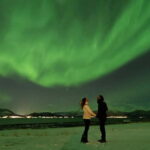
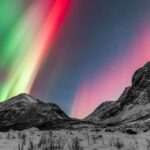
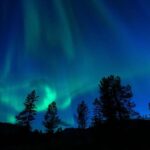
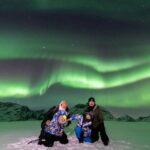
Green skies in the dark north.
This Tromsø Northern Lights Safari is built around real-time cloud tracking and trained Aurora guidance, so the night feels organized even though the aurora is never controlled. You start with a clear game plan, then your guide moves you to the best odds when conditions shift.
I especially like the warm Arctic camp setup (thermal suits, hot drinks, biscuits) paired with professional photo coverage when the lights show up. In past evenings, guides such as David, Claudia, Koren, Elo, Romeo, and Petter have led the science-and-stories side, while photographers help you get great portraits in the moment.
One thing to consider: there’s no light guarantee, and if the aurora doesn’t appear, refunds won’t be offered for that outcome. You’ll still spend hours outside and in the cold, so plan to dress properly and settle in for a true Arctic wait.
In This Review
- Key things that make this safari worth your time
- Entering The Arctic With a Real Aurora Plan
- Base Briefing: What You Hear Before You Ever Step Outside
- The Bus Ride Into Darker Skies (and the Toilet You’ll Thank Yourself For)
- Arctic Camp Break: Thermal Suits, Hot Drinks, and a Cozy Wait
- When the Lights Appear: How the Photos Work Without Ruining Your View
- Route Flexibility: Near Tromsø or Fjords and Border Skies
- What You’re Really Paying For at About $61
- Practical Tips So You Don’t Waste the Cold
- Who This Northern Lights Safari Fits Best
- Should You Book This Tromsø Aurora Safari?
- FAQ
- How long is the Tromsø Northern Lights Safari?
- What’s included with the professional photography?
- Do I need to bring winter boots, gloves, hats, or scarves?
- Is seeing the Northern Lights guaranteed?
- Is there a toilet on the bus?
- What languages are the guides?
- Is the tour suitable for young children?
Key things that make this safari worth your time
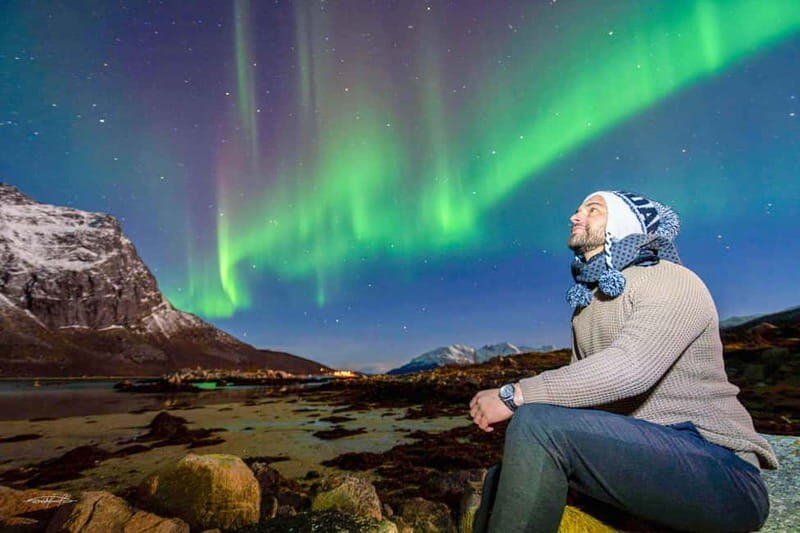
- Aurora-trained guides using real-time cloud data to choose where to aim
- Warm thermal suits + hot drinks at an Arctic camp, not just a quick stop in the snow
- Pro photo included, plus help for your own camera when the sky turns green
- Flexible driving distance: sometimes near Tromsø, sometimes farther into fjords, even across the border
- Toilet on board (available on bus/minibus options, not on the small-group variant)
Entering The Arctic With a Real Aurora Plan
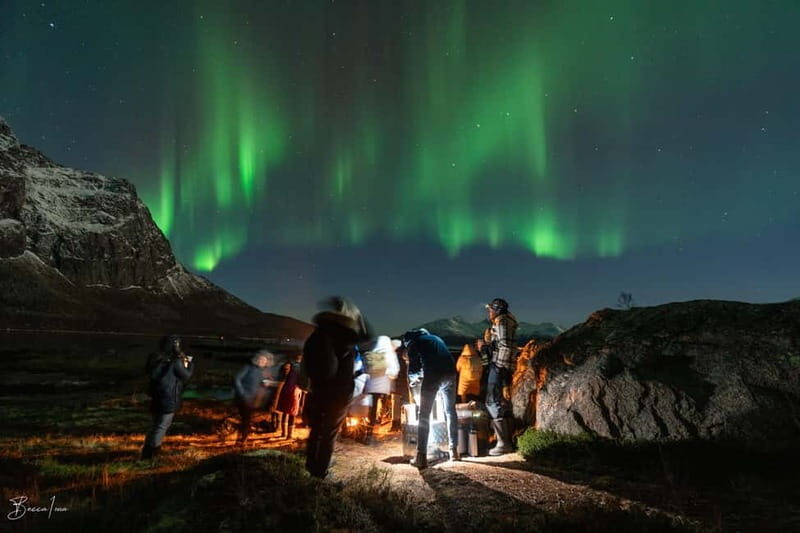
A good northern lights tour has two jobs: first, get you away from city lights; second, keep adjusting as weather changes. This one leans hard into the first part by chasing darkness and the second part by planning around clouds in real time.
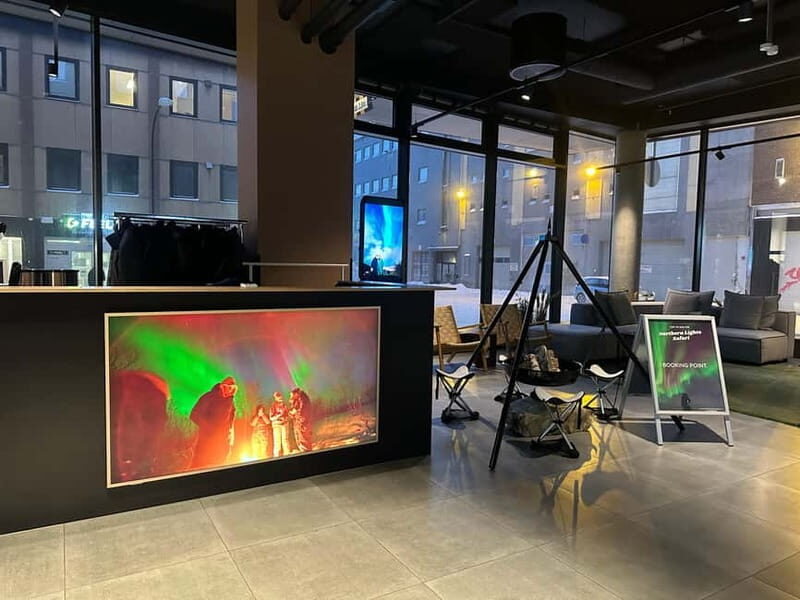
You’ll begin at the safari base, where your guide (trained through the Northern Lights Safari Aurora program) explains how the night works. They set expectations early: the aurora is a natural phenomenon, so they can’t promise a show on any specific schedule. What they can do is maximize odds using experience, weather knowledge, and smart positioning.
That matters, because the most frustrating aurora nights aren’t the cold ones. They’re the ones where people stand around with no plan, no updates, and no clue why you’re in that spot. Here, you get the “why” up front. It makes the waiting feel purposeful instead of random.
A few more Tromso tours and experiences worth a look
Base Briefing: What You Hear Before You Ever Step Outside
Before you chase anything, you get the plan. The guide starts at the base and walks you through how they’ll respond if skies don’t cooperate.
This is also when the tour becomes more than a sightseeing trip. Guides share aurora science in plain language—how it forms, how solar activity connects, and what to look for when your brain is tired and your eyes are freezing. You’ll also hear behind-the-scenes details tied to their upcoming Northern Lights TV series, which adds extra context for why they chase certain directions and why they sometimes move quickly.
In a couple of past nights, guides like David and Claudia emphasized managing behavior on the bus so boarding stays smooth and everyone gets settled before the drive. It’s a small thing, but it protects the experience. When people run around with coats half-on and bags in the aisles, you lose time that could be spent watching.
The Bus Ride Into Darker Skies (and the Toilet You’ll Thank Yourself For)
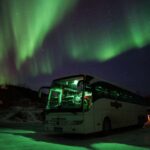
One of the smartest practical perks is the vehicle: you ride in a warm, modern bus or minibus, and many options include a toilet on board. That seems minor until you’re several hours into the Arctic night. Then it becomes your favorite feature.
You should also expect real driving time. Some evenings run with roughly a 90-minute drive each way, because the goal is darker skies outside Tromsø. You might stay closer if conditions are good near town, but you may also head into the fjords or even drive farther, depending on what cloud cover is doing.
From the road perspective, the driver’s job is serious. Arctic driving takes attention and patience. Several guide teams also keep things calm and safe, including returns to Tromsø around midnight on strong nights. When the group knows the basics—when you’ll stop, when you’ll reboard, what the guide is watching for—you can relax and just do the aurora thing.
Tip: if you’re offered a wristband for tour access, pick it up early to avoid getting stuck in a queue right before departure. It’s one of those small friction points that can steal your energy.
Arctic Camp Break: Thermal Suits, Hot Drinks, and a Cozy Wait
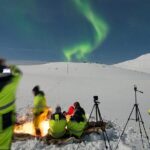
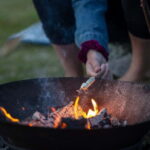
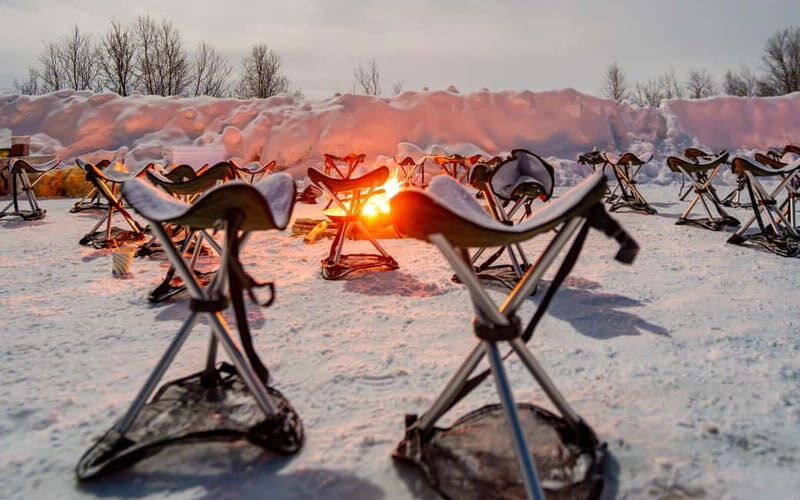
Once you reach the viewing area, you shift from bus life to camp life. The tour sets up a cozy Arctic camp with chairs, hot drinks like coffee, tea, and hot chocolate, and biscuits. On certain nights, you may even get a bonfire experience if conditions allow.
The thermal suits are a big deal. They don’t make you invincible, but they help you last longer outdoors, especially when the aurora is faint at first and you’re waiting for it to strengthen. Some people also end up reboarding early when temperatures bite, and on past nights the bus has stayed available so you can pop back in when you want to warm up.
While you wait, the guide keeps the night moving: stories, aurora science, and reminders about what to watch for. One advantage here is that the guide isn’t just pointing at the sky. They’re explaining what’s happening in the atmosphere so you can actually “see” the event evolve.
If you get lucky and the aurora starts immediately—green curtains from early on—you’ll think the camp is just a bonus. If the aurora is shy, the camp keeps the experience from turning into a stressful cold endurance test.
When the Lights Appear: How the Photos Work Without Ruining Your View
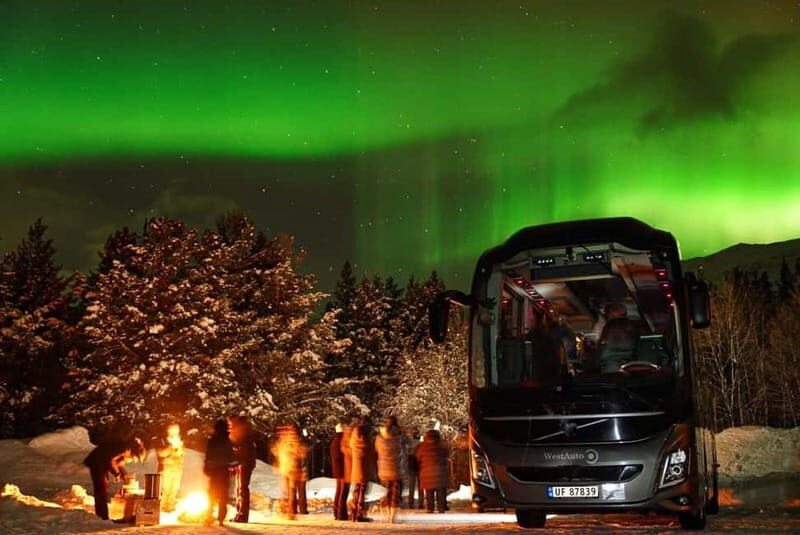
The best aurora moments happen when you’re not wrestling gear. This tour includes a photographer and a professional photo of your experience—and that changes the whole vibe.
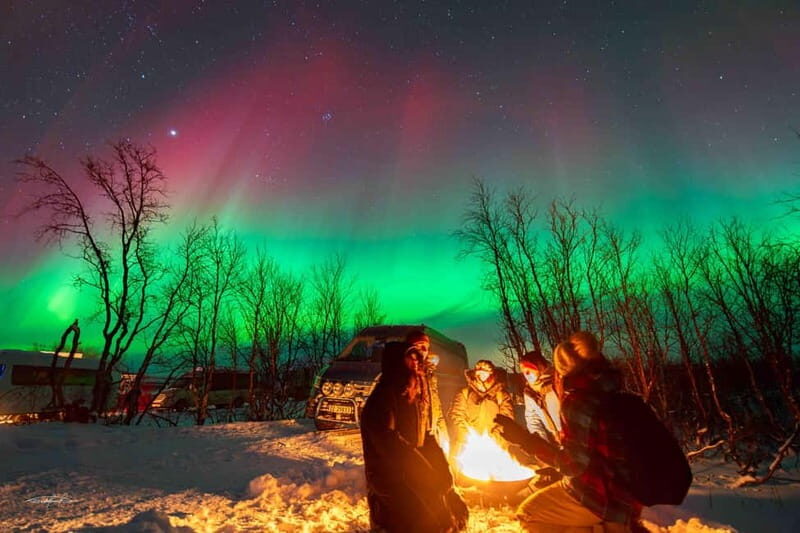
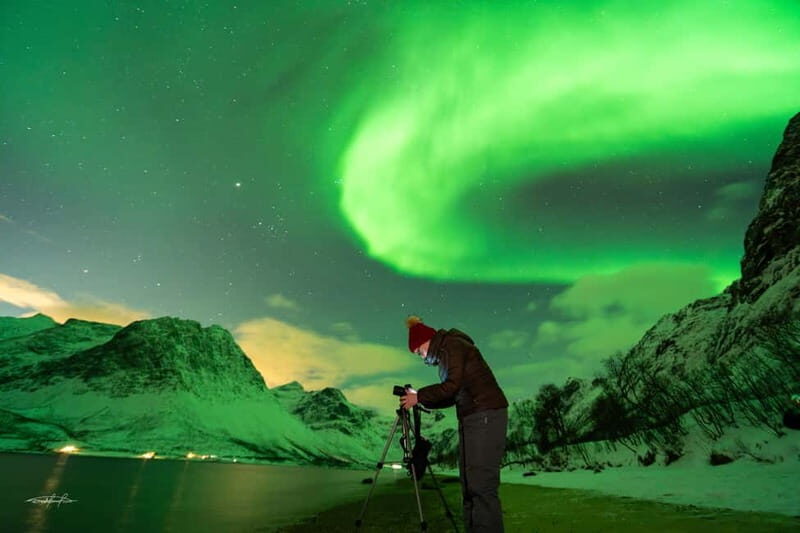
When the aurora shows up, your guide helps you enjoy it fully and captures images of you under the lights. At the same time, some photographers and guides assist with basic camera setup so you can try for your own shots without turning the night into a technical workshop.
From past experiences, you can also expect that you’ll get at least one standout image included per person, with additional photos possibly offered separately afterward. That’s useful if you’re traveling with a phone-only camera and want one clean, “I’m really there” souvenir.
A small but practical detail: the tour encourages flexibility. If lights fade or clouds move in, the team adjusts position. That’s not guaranteed, but it’s why a guided safari often beats a self-drive “hope for the best” plan.
You can also read our reviews of more photography tours in Tromso
Route Flexibility: Near Tromsø or Fjords and Border Skies
A common misconception is that all northern lights tours go to the same exact field. In reality, weather and cloud cover decide the route.
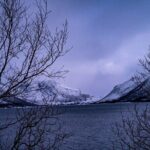
Sometimes the team stays close to Tromsø when skies look good. Other times, you’ll drive farther into darker areas—fjord regions, remote spots, and in some cases toward the Finland border. Past nights also mention viewing areas around places like the Lyngen Fjord near Skibotn, which makes sense: fjords often offer wide-open sight lines and less light pollution than the city.
This flexibility is one of the biggest reasons the tour feels “expert-led.” You’re not locked into a single viewpoint no matter what the sky does. The guide’s job is to shift with the conditions and keep the group positioned where the aurora is most visible.
Do keep one mindset: even with smart planning, you’re still at the mercy of clouds and timing. The guide can chase the best openings, but nature controls the final show.
What You’re Really Paying For at About $61
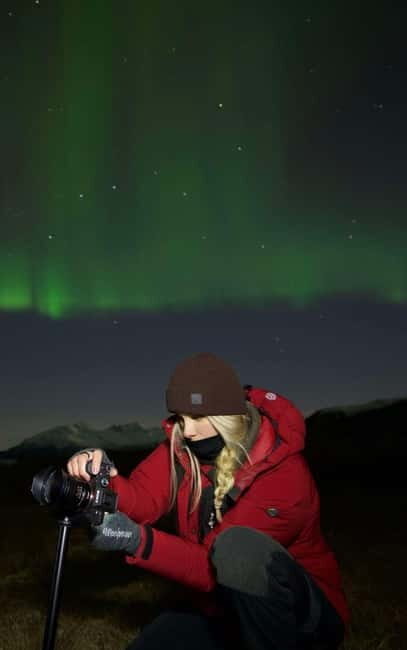
At around $61 per person for a 6–7 hour night, the value comes from bundles most people forget to price separately.
You’re paying for:
- trained guides using tracking and experience to pick your viewing spots
- thermal suits and warm camp drinks
- a photographer and professional photo coverage
- winter-ready logistics like chairs and a toilet onboard on many options
If you self-drive, you still have cold management and photo challenges—and you’ll need a car, gas, parking, and the right gear. Even if you rent a vehicle, you’re still spending hours guessing where to go and hoping skies line up.
So the fair way to judge the price is this: you’re buying time, planning, and comfort. On nights when the aurora is strong, the photo component alone can feel like the difference between a generic “we saw something” memory and a true postcard-worthy moment.
The tour also reports a strong track record—trusted by tens of thousands and rated about 4.6/5 with thousands of ratings—so the model seems to work for most people who show up ready to dress for the Arctic.
Practical Tips So You Don’t Waste the Cold
This safari rewards preparation. You’ll want to eat a proper meal before joining, because full meals aren’t included. You’ll also want to bring warm clothing—winter boots, gloves, hats, and scarves aren’t provided.
Your mission is simple: layer well so you can stand around without your attention dropping to discomfort. If you’ve ever had your hands go numb during a show, you already know how fast that ruins the whole “look up” habit.
Also, think about your camera reality:
- The tour includes professional photo help, so you don’t need to be a specialist.
- If you bring a camera, be ready for the guide or photographer to help with simple setup when the aurora starts.
One more tip: listen to the guide about timing and reboarding. Several past nights included moments where the lights were visible from the start or where they appeared and then faded. The team’s approach keeps you engaged even when the sky changes its mind.
Who This Northern Lights Safari Fits Best
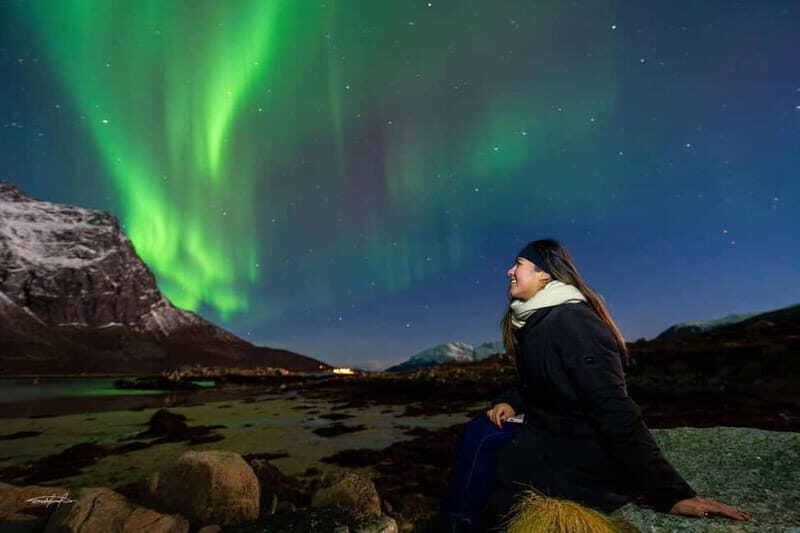
This is a strong choice if you want:
- a guided plan for chasing aurora conditions
- warm support while you wait (thermal suits, hot drinks, bonfire when possible)
- pro photo coverage without needing to learn astrophotography
It’s also ideal if you don’t want the stress of renting a car, driving in winter darkness, and trying to pick a viewpoint using incomplete information.
It’s not for everyone. The tour isn’t suitable for children under 5, and the long hours mean it works best when you’re comfortable being outside for stretches—just with the camp and vehicle comforts to reset.
If you’re traveling as a couple, the photo element can be especially satisfying. If you’re traveling solo, the guided explanations make it easier to focus on the sky instead of feeling lost in the dark.
Should You Book This Tromsø Aurora Safari?
If your priority is seeing the aurora with the best odds you can buy, this is a sensible booking. You’re paying for tracking, comfort, and photography support—not just transportation to a random field.
Book it if you:
- want an organized night plan with trained Aurora guides
- care about having professional photos of the moment
- want thermal suit comfort and hot drinks while you wait
Skip it if:
- you’re not willing to accept that there’s no guarantee of lights and refunds won’t cover that outcome
- you struggle with long cold hours outdoors
In short: this tour makes the waiting feel guided, the cold feel manageable, and the photo memory feel real. If the sky cooperates, you’ll likely leave Tromsø with the kind of northern lights images you can’t quite recreate at home.
FAQ
How long is the Tromsø Northern Lights Safari?
The tour lasts about 6–7 hours, and the exact time in the field can vary depending on when the aurora is found.
What’s included with the professional photography?
A professional photo of your experience is included, and you’ll also have a photographer with you during the lights so the team can capture you under the aurora.
Do I need to bring winter boots, gloves, hats, or scarves?
Yes. Winter boots, gloves, hats, and scarves are not included, so you’ll want warm layers and proper cold-weather accessories.
Is seeing the Northern Lights guaranteed?
No. The aurora is a natural phenomenon, so the tour can’t guarantee lights. The guide focuses on the best chance using expert knowledge and real-time cloud data.
Is there a toilet on the bus?
For bus or minibus options, a toilet is included, but it’s not available if you book the small group option.
What languages are the guides?
Live guides are available in English, German, French, Spanish, and Italian.
Is the tour suitable for young children?
No. The tour is not suitable for children under 5 years old.