REVIEW · TROMSO
Aurora Safari Minibus, private locations all around the region
Book on Viator →Operated by Best Arctic AS · Bookable on Viator
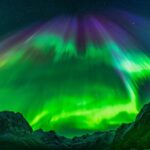
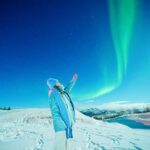
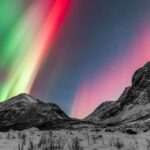
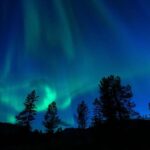
Chasing the aurora is half the fun. This Northern Lights safari uses a minibus to move you away from city light pollution and toward darker skies around Tromsø. I love the focus on actually hunting the lights by hopping between viewing points, and I love that you get photo support with tripods plus help with camera settings, not just a quick look and goodbye. One drawback to plan for: the sky decides the final story, so on cloudy or rainy nights you may spend more time warming up than scoring big green bursts.
I like that the tour keeps the group small (max about 15–16), so you’re not stuck behind ten strangers with the same shaky phone angle. Expect a 5 to 7 hour evening start (6:45 pm) and a return back to the same meeting point. Just don’t assume the cold-weather gear is complete: warm wintersuits help a lot, but you still need your own warm boots, gloves, hat, and scarf.
In This Review
- Key highlights worth marking on your Tromsø map
- Aurora Safari By Minibus in Tromsø: What You’re Actually Paying For
- Meeting Point and Timing: The 6:45 pm Start That Sets the Pace
- The Minibus Hunt: Why Private Camps and Dark Skies Improve Your Odds
- Stop by Stop: What the Night Looks Like on the Ground
- First stretch out of Tromsø (the main chase)
- Returning toward the city (with flex stops if the lights perk up)
- Warmth and Comfort: Wintersuits, Reflector Vests, and the Fire Pit Factor
- Aurora Photography Kit: Tripods, Tips, and Free Photos
- Guides and Real-World Variability: When the Sky Cooperates
- What Could Go Wrong (and How to Choose Better for Your Expectations)
- Value for the Price: Is $193.13 Worth It?
- Who This Tour Suits Best
- Should You Book Aurora Safari Minibus in Tromsø?
- FAQ
- How long is the Aurora Safari Minibus tour?
- Where do I meet in Tromsø?
- What time does the tour start?
- What’s included for Northern Lights viewing and photography?
- Do you use private locations away from light pollution?
- What happens if the weather is bad, or I need to cancel?
Key highlights worth marking on your Tromsø map
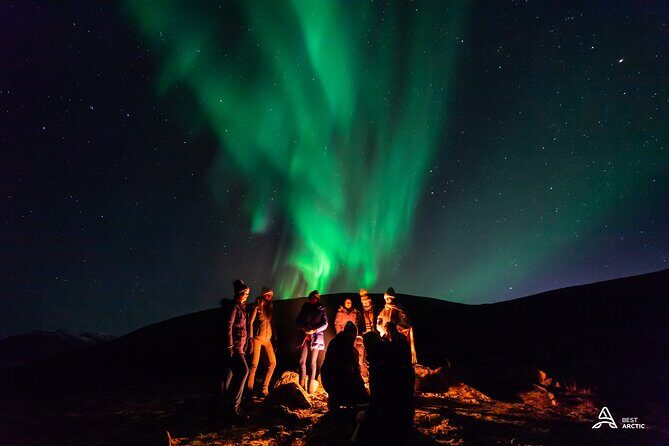
- Private viewing areas around Tromsø instead of only crowded public lots, sometimes with toilets on-site
- A real aurora chase: you change plans based on the forecast and what the sky is doing
- Aurora photo support included: tripods, guide tips, and free photos
- Warmth during the hunt: thermal winter suits, plus hot drinks and lefse
- Small group feel: limited to about 15 travelers, so stops feel more personal
Aurora Safari By Minibus in Tromsø: What You’re Actually Paying For
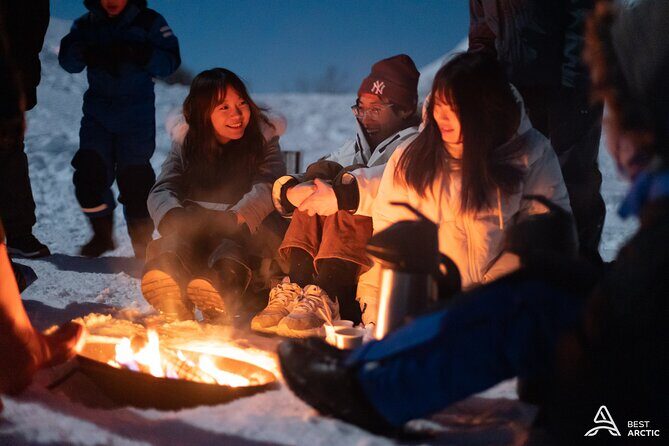
This isn’t a sit-and-wait bus tour. You’re paying for mobility, guidance, and time in the dark where the Northern Lights have a better chance of appearing clearly.
From the start, the vibe is practical: meet at the bus and harbor terminal, get sorted into warm layers, then head out. The route shifts by weather—sometimes toward the coast, sometimes inland—and the guide uses private camp locations around the region. That matters because light pollution is the enemy of faint aurora curtains. Even when the lights show up, the sky can be subtle at first. Moving to a darker spot buys you clarity.
The other big value is the photo side. You get tripods and advice on camera settings, plus free photos from the team. If you’ve ever tried to photograph the aurora and ended up with a blurry green smear, you already know why that’s a big deal.
You can also read our reviews of more private tours in Tromso
Meeting Point and Timing: The 6:45 pm Start That Sets the Pace
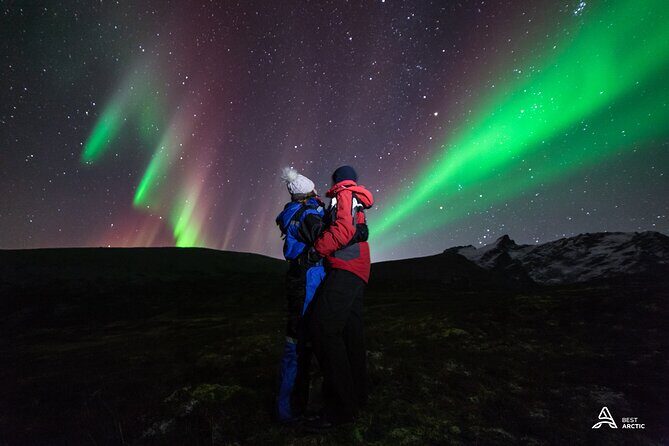
The tour meets at Prostneset Bus, Boat & Hurtigruten Terminal (Samuel Arnesens gate 5, Tromsø). Departure starts at 6:45 pm. From there, you’re in the field roughly 5 to 7 hours depending on conditions and how the night unfolds.
Here’s the practical part: you’re starting right as the evening is settling, before the sky has fully made up its mind. That gives the guide room to chase early activity, then adjust as the aurora strength changes. Many nights the lights don’t behave like a movie script. Sometimes they start fast. Sometimes they tease you. Sometimes they show up later than you hope.
Also, plan for a late return. On some nights the tour comes back early in the night; on others, it can feel like the whole town is asleep while you’re still outside chasing green light.
The Minibus Hunt: Why Private Camps and Dark Skies Improve Your Odds
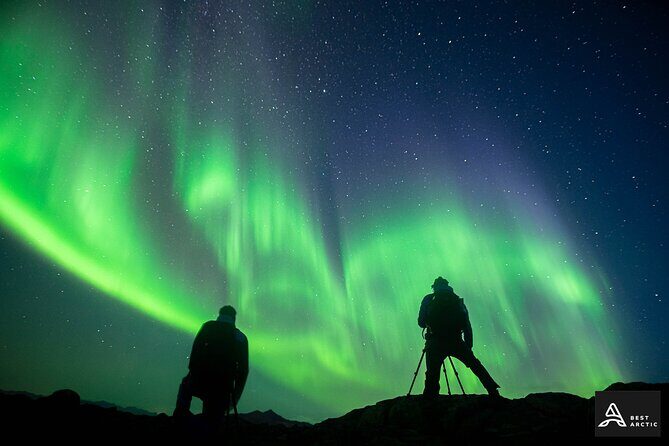
One of the best parts of this safari is how it handles the geography around Tromsø. The tour doesn’t treat the region as one generic viewing area. It treats it like options.
You can head into the Troms region, with private camp locations used across the area. On some evenings, you’ll stay closer to the coast. Other evenings, you’ll move toward inland. The goal is simple: chase better conditions and avoid staying stuck where too many other vehicles and buildings compete with the sky.
The private locations also bring a comfort upgrade that you’ll notice in the cold. Some camp setups include toilets, and you’re not confined to the limited facilities of shared parking lots. It’s a small detail, but when you’re outdoors for hours, “small detail” becomes “I’m really glad this exists.”
Stop by Stop: What the Night Looks Like on the Ground
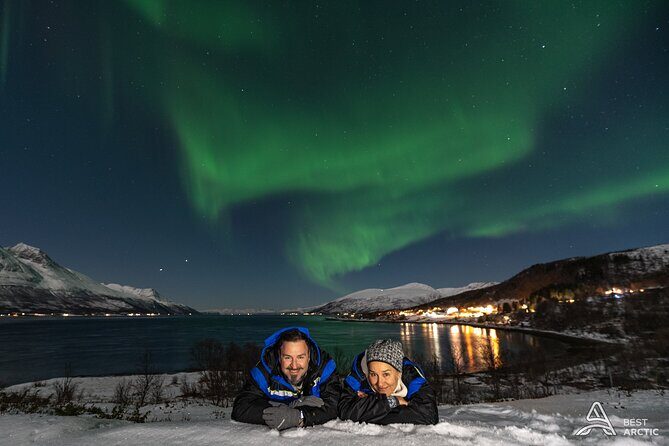
First stretch out of Tromsø (the main chase)
After you meet the guide and driver, the first phase is all about positioning. The guide meets you at the terminal, then you head into the Troms region depending on the forecast. This is where you’ll do most of your searching, often using private camp locations.
If the sky is cooperative, this phase is where the Northern Lights can build from faint glow to something you actually want to photograph for real. If the sky is stubborn—clouds, wind, or rain—you’ll still be moving, which is better than staying parked and hoping.
What you’ll like here: you’re not watching the sky from the edge of town. You’re getting time under darker Arctic darkness where the colors pop more.
Watch-outs: if conditions are poor, you may spend time at the fire or waiting through gaps. That’s not the company being lazy; it’s aurora reality. The lights are unpredictable.
A few more Tromso tours and experiences worth a look
Returning toward the city (with flex stops if the lights perk up)
At some point you’ll start returning back toward Tromsø. But this isn’t a drop-off and done scenario. You can still stop at locations on the way back, especially if the guide spots more activity.
This “return with flexibility” approach is smart. It prevents the common problem where a tour commits to going home at a fixed time even while the sky might be about to light up. It also means you can have a second chance if the lights show late.
Warmth and Comfort: Wintersuits, Reflector Vests, and the Fire Pit Factor
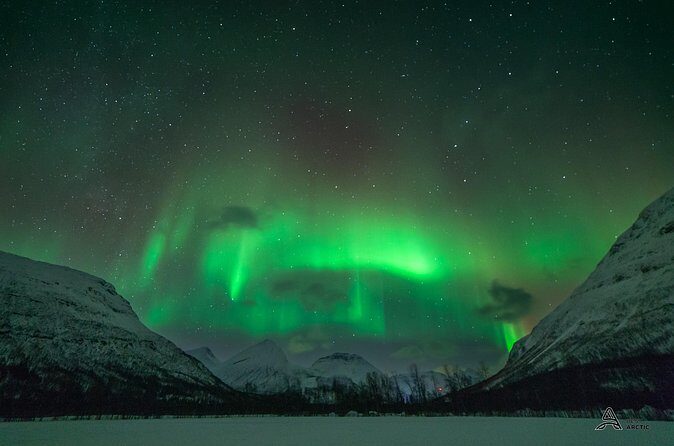
The tour gives you thermal winter suits and reflector vests. That’s a big help for staying outdoors without turning it into a suffering contest. On cold evenings, being able to warm up between photo attempts makes the whole experience more enjoyable, not just tolerable.
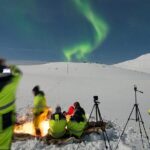
You may also sit around a cozy bonfire depending on weather conditions. The night typically includes hot drinks—hot chocolate, coffee, and tea—plus a sweet local cake called lefse. I like this setup because it keeps energy levels steady while you’re standing still waiting for your next aurora burst.
One more comfort note: the tour includes warm layering gear, but it does not include everything. Bring warm socks, waterproof winter boots, gloves, a hat, and a scarf. If your shoes are cold or your hands get numb, you’ll stop caring about photos and just start thinking about leaving.
Aurora Photography Kit: Tripods, Tips, and Free Photos
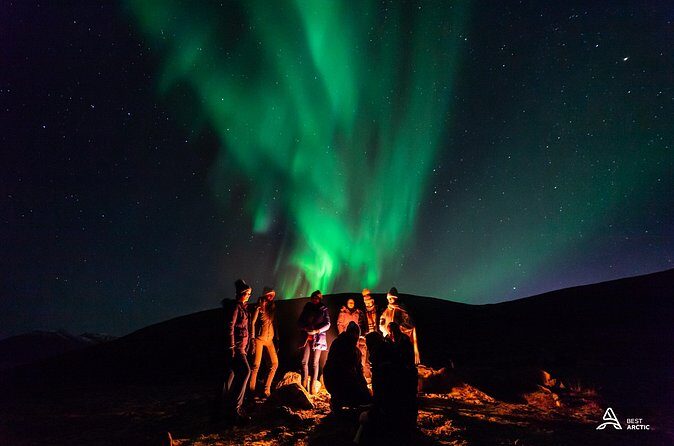
If you care about capturing the lights (or even just getting a sharp shot of them), this tour is built for that.
You’ll have access to tripods during the safari and you’ll get advice on camera settings and how to photograph aurora. That’s the difference between point-and-shoot frustration and at least having a plan for exposure and stability.
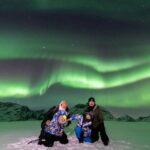
You also get free photos taken by the team. That’s great for two reasons: first, you can focus on experiencing the sky instead of constantly micromanaging the camera. Second, it gives you a backup in case your own shots are weaker.
A practical suggestion: when you’re given photo guidance, ask one clear question early (something like what to set first). Don’t wait until you’re already freezing with the camera up. The guide is there to help, and the best results usually come from doing it step by step.
Guides and Real-World Variability: When the Sky Cooperates
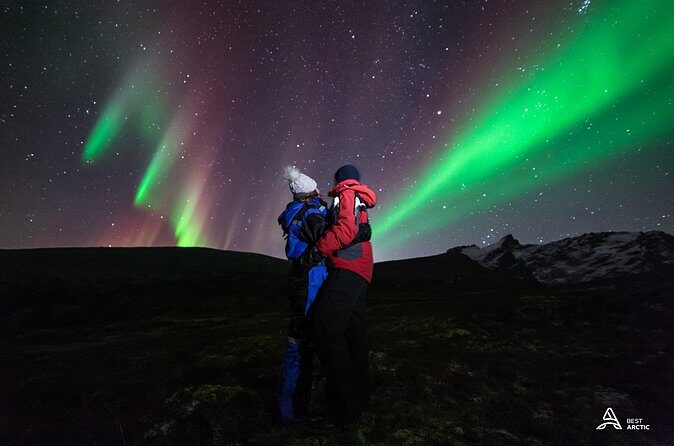
Northern Lights safaris live and die by weather. You can book a perfect night and still get clouds. Or you can book with a forecast that looks bleak and get lucky when the sky clears.
In the field, guides matter. Names that show up in past nights include Fabian, Sonia, Tomas, Siri, Sonja, and Jeanne. Across those examples, the common theme is effort: multiple stops, patience when visibility shifts, and coaching that helps you actually photograph what you’re seeing.
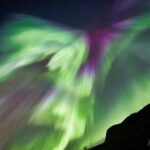
There’s also a reality check you should accept up front: you might not always get intense, dramatic displays. Sometimes you’ll get lights that are faint or more subtle than you expected. In those cases, the value shifts from spectacle to guidance and positioning—because the night can still be beautiful even if it doesn’t look like a postcard.
What Could Go Wrong (and How to Choose Better for Your Expectations)
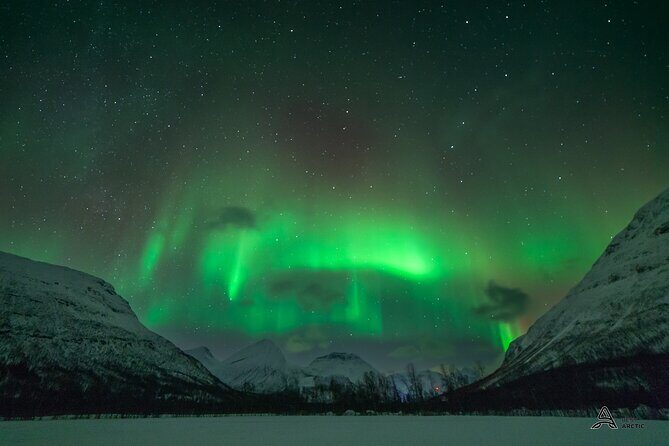
No tour can control aurora strength. Still, a few factors can affect how satisfying the experience feels.
1) Cold endurance and clothing fit
Even with wintersuits, you need warm boots, gloves, and head coverage. If you show up underdressed, the night gets shorter emotionally.
2) Time allocation when lights are minimal
If aurora activity is weak, you may spend longer at warming points while the guide waits for clearer skies. That can feel frustrating if you booked expecting constant action. The trade-off is that chasing requires patience.
3) Bus comfort
A minibus is cozy by nature, but seating can vary. If you hate being in the back seats or cramped areas, you’ll want to arrive early and position yourself well when boarding.
4) Photography support varies by night and guide approach
Most of the time, you’ll get helpful camera advice and tripods. But if your priority is very hands-on shooting (specific settings, troubleshooting, ongoing coaching), ask questions early and be ready to adjust fast when the guide calls a stop.
Value for the Price: Is $193.13 Worth It?
At about $193.13 per person, the value depends on what you want out of Tromsø in winter: seeing the lights, photographing them, or both.
This tour prices itself as more than transport. You get:
- a dedicated English-speaking guide
- minibus transport with a professional driver
- thermal winter suits and reflector vests
- tripods
- hot drinks and lefse
- camera help
- free photos
If you add up what it would cost to hire equipment, pay for separate photo coaching, and then solve the transport problem yourself, the package starts to make sense. You’re also buying the guide’s “where should we go right now?” decisions, and those decisions matter a lot when the sky is changeable.
So I’d call it good value if you want a guided chase with photo support and you don’t want to gamble on self-driving, light pollution, and timing alone.
Who This Tour Suits Best
This safari is a strong match for:
- First-timers in Tromsø who want the lights and don’t want to figure out the logistics
- People who care about aurora photography and want tripods plus practical guidance
- Small groups who want a more personal experience rather than a giant bus crowd
- Anyone who appreciates warmth breaks: hot drinks, lefse, and a fire pit when conditions allow
It might be less ideal if:
- You need a guaranteed show, no matter the weather (no Northern Lights tour can promise that)
- You’re very sensitive to late-night pacing and cold waiting, especially if activity is minimal
- You want constant short stops with no downtime—some nights are slower than others
Should You Book Aurora Safari Minibus in Tromsø?
Yes, if you’re trying to maximize your odds with a guided, mobile approach and you want photo help included. The combination of small-group size, private viewing options, warm suits, and tripods with camera advice makes this feel built for real-time aurora hunting, not just a sightseeing drive.
If you’re the type who gets annoyed by unpredictability, accept that you’re booking a natural phenomenon. But if you show up warm, ask questions early, and stay flexible when the sky shifts, this is the kind of evening that turns into a story you’ll remember even if it’s not a perfect aurora fireworks show every minute.
FAQ
How long is the Aurora Safari Minibus tour?
It runs about 5 to 7 hours depending on conditions and the timing of the chase.
Where do I meet in Tromsø?
You meet at Prostneset Bus, Boat & Hurtigruten Terminal, Samuel Arnesens gate 5, 9008 Tromsø.
What time does the tour start?
The tour starts at 6:45 pm.
What’s included for Northern Lights viewing and photography?
Included: an English-speaking Northern Lights guide, minibus transport, hot chocolate/coffee/tea and a sweet local cake (lefse), camera-setting advice, thermal winter suits and reflector vests, tripods, and free photos.
Do you use private locations away from light pollution?
Yes. The safari uses private camp locations around the Troms region, sometimes near the coast and sometimes inland, and these private locations can include toilets.
What happens if the weather is bad, or I need to cancel?
The experience requires good weather. If it’s cancelled due to poor weather, you’ll be offered a different date or a full refund. You can cancel up to 24 hours in advance for a full refund.