REVIEW · OSLO
Oslo: Private Walking Tour
Book on GetYourGuide →Operated by OURWAY Tours Oslo · Bookable on GetYourGuide
Oslo makes sense fast on foot. This private 2-hour walking tour turns big-name sights into a clear story of how the city was built, from the Nobel Peace Center area to the Oslo Opera House. I like that the guides bring the streets to life, and you’ll also get great architecture viewing points in a short time. The main downside is the price: at $461 per group (listed for up to 1 person), it’s not a budget walk.
Where it really works well is pacing. You start at the Nobel Peace Center, then shift from harbor views at Aker Brygge to Oslo’s power and culture zone—parliament, major squares, and royal landmarks—before finishing down near Langkaia. I also like the practical “what you’re looking at and why it matters” style, which helps if you only have an afternoon.
One consideration: most of the route is in the city center, where traffic noise is part of the experience. If you come in expecting a quiet stroll, manage your expectations and pack patience.
In This Review
- Key things you’ll notice
- Nobel Peace Center and Aker Brygge: Oslo’s harbor welcome
- City Hall and the Nobel Peace Prize context you can feel
- Karl Johans gate, Parliament, and University Square: the city center power walk
- Royal Palace and the National Theatre: culture plus authority
- Akershus Fortress: where the fjord view makes it all click
- Opera House area and the urban farming twist
- How the private format changes what you get in 2 hours
- Price and logistics: what $461 per group means for value
- Who should book this Oslo walking tour
- Should you book this private Oslo walk?
- FAQ
- Where does the tour start?
- How long is the private walking tour?
- Is this tour private or shared?
- Where does the tour finish?
- What landmarks are included on the walk?
- What languages are available?
- What should I wear or bring?
- Is the walking route mostly in the city center?
- Can I cancel for a refund?
- Do I have to pay right away?
Key things you’ll notice
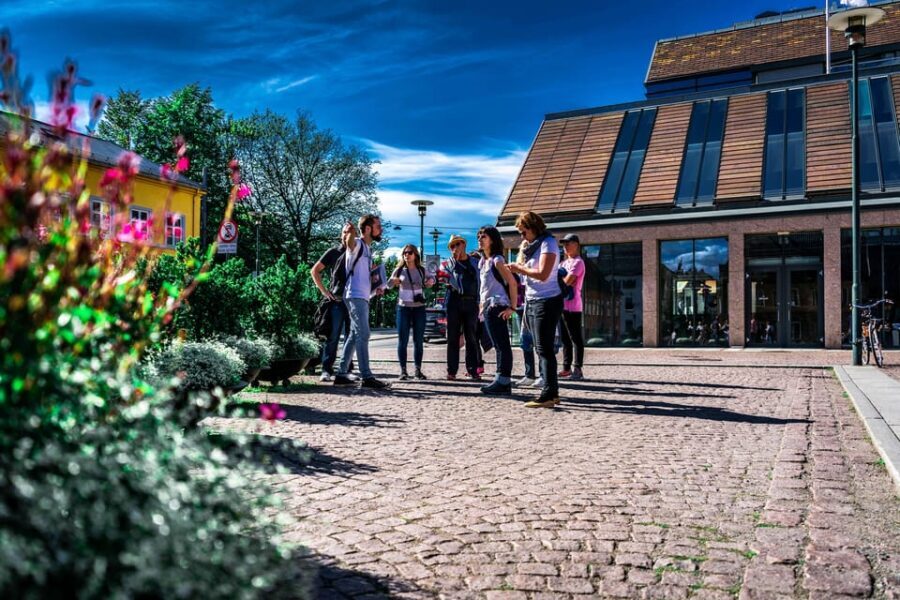
- Nobel Peace Center start with a quick sense of Oslo Harbour and the fjord
- City Hall + Nobel setting tied to the way Oslo celebrates the Nobel Peace Prize
- Karl Johans gate and major civic buildings in one efficient walk
- Royal Palace and Parliament area for real “center of decision-making” energy
- Akerhus Fortress views over the Oslo Fjord—easy payoff for the effort
- Opera House modern contrast, plus the area’s urban farming surprise
Nobel Peace Center and Aker Brygge: Oslo’s harbor welcome
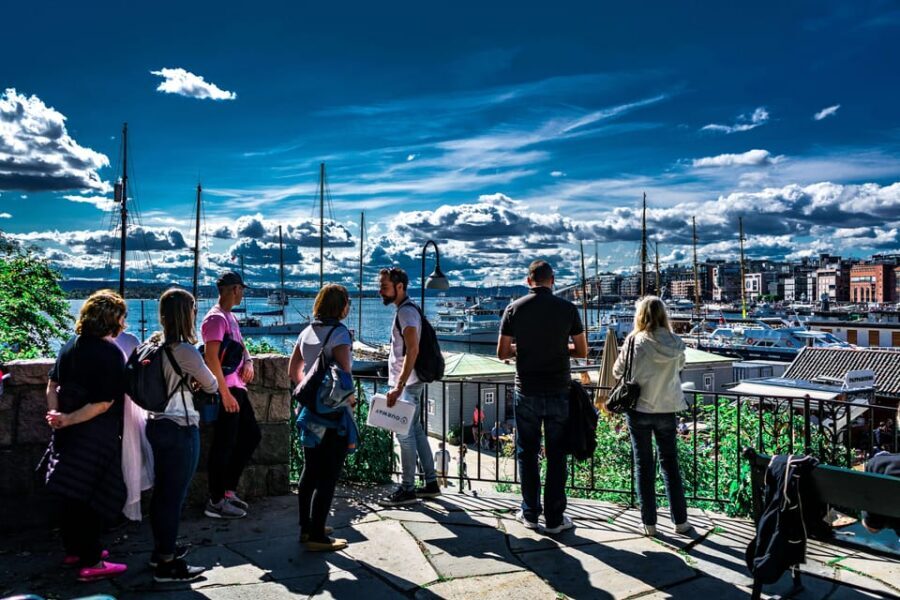
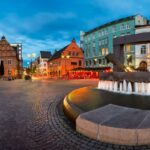
The tour starts outside the Nobel Peace Center at Brynjulf Bulls plass 1. From the beginning, you’re in the kind of location that makes Oslo feel both modern and maritime—right by the water, with views over Oslo Harbour and toward the fjord. It’s a good warm-up because it sets the theme: Oslo isn’t only “history in buildings.” It’s also a city shaped by geography and rebuilding.
If you like to orient yourself quickly, this start helps. You get a reference point for where the waterfront sits, where the city center begins, and how the big landmarks relate to one another. It also gives you a calm moment before the route threads into the busiest streets.
And yes, you’ll move from “views and atmosphere” into “big civic architecture” soon after, so wear shoes that can handle pavement and a steady walking tempo.
You can also read our reviews of more walking tours in Oslo

City Hall and the Nobel Peace Prize context you can feel
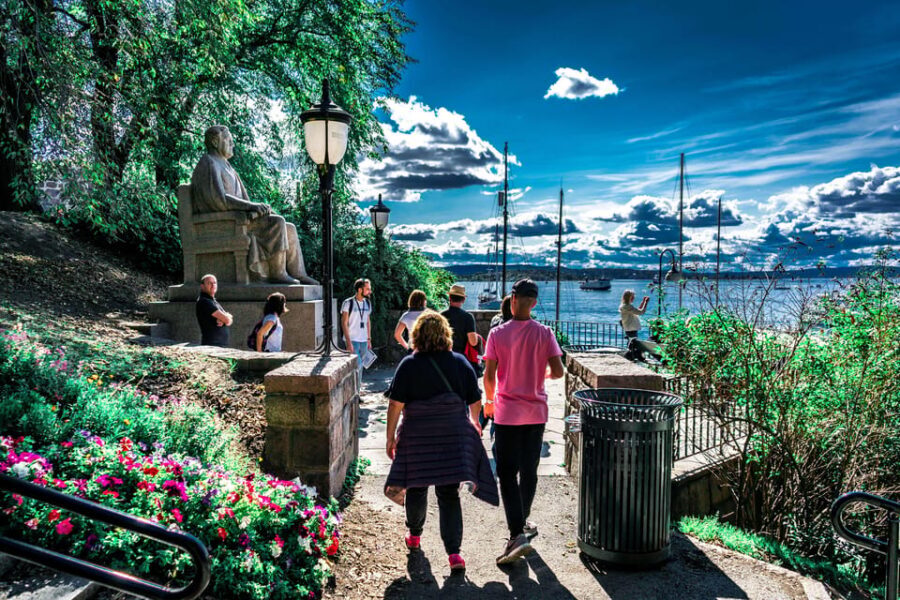
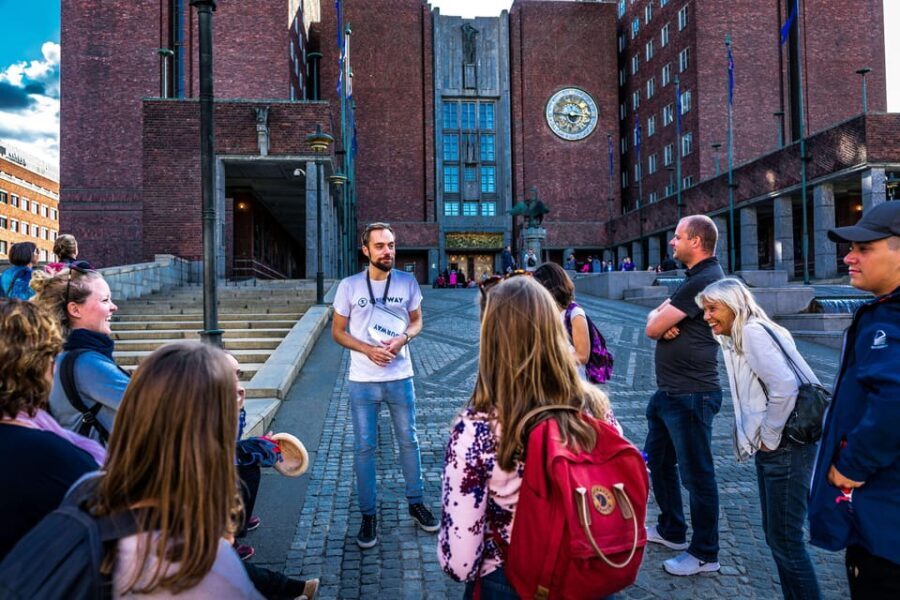
Next up is Oslo City Hall, a major stop on this walk for one reason: it’s tied to the Nobel Peace Prize ceremony. Even if you don’t plan to attend anything official, it helps to hear how the building fits into Oslo’s role on the world stage. The tour uses City Hall not just as a landmark, but as a symbol of what Oslo chooses to spotlight.
What I like about this kind of stop is that it gives you a lens. You’ll see the building and also understand why it’s so often associated with international attention. That matters in a city where many sights can look “just impressive” without context.
This is also where a strong guide earns their pay. Names that have led tours include Tine and Amanda, and they’re specifically praised for explaining details and answering questions without rushing. If you want your afternoon to feel guided, this is one of the best places to ask follow-ups.
Karl Johans gate, Parliament, and University Square: the city center power walk
From there, you head into the core of Oslo’s central district. You’ll pass University Square, Karl Johans gate (Oslo’s main shopping street), and the Norwegian Parliament area. This is the part of the walk where Oslo feels like a capital—less about single-photo monuments and more about how public life moves through the city.
Karl Johans gate is useful because it’s practical. You’re not just looking at grand buildings—you’re watching the rhythm of everyday Oslo: street energy, pedestrian flow, and the mix of civic importance with ordinary life. It’s also a great way to connect the “talking points” from earlier with what the city feels like in motion.
Then you reach the Parliament. This stop gives you that “center of governance” feeling that’s hard to recreate on your own unless you already know what to look for. If you enjoy architecture and want to understand why certain buildings dominate the streetscape, this segment is a win.
Royal Palace and the National Theatre: culture plus authority
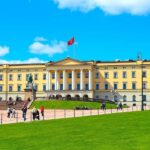
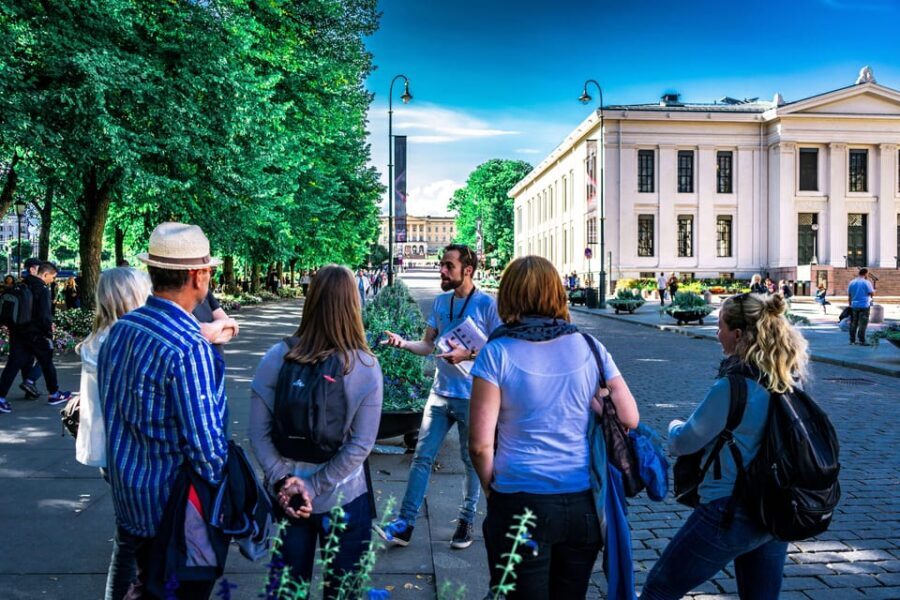
Two of the most photogenic and important landmarks on the walk are the Royal Palace and the Norwegian National Theatre. The Palace brings a clear sense of official power and tradition, while the National Theatre adds Oslo’s culture side—an anchor for how the city supports arts and public gatherings.
What’s valuable here is the contrast. You’re moving between buildings that represent different kinds of public identity: monarchy and national institutions on one end, performance and cultural life on the other. Together, they help you picture how Oslo thinks about itself.
This stretch also works well for first-timers. Even if you only have 2 hours, you’ll cover a lot of Oslo’s “most recognizable” civic landmarks without having to plan a route across multiple neighborhoods. For anyone traveling with kids, this can be especially helpful because the stops are visually distinct and easy to explain on the spot. One guide—Inger—has been highlighted for being attentive to a group that included children, which suggests the tone stays flexible.
Akershus Fortress: where the fjord view makes it all click
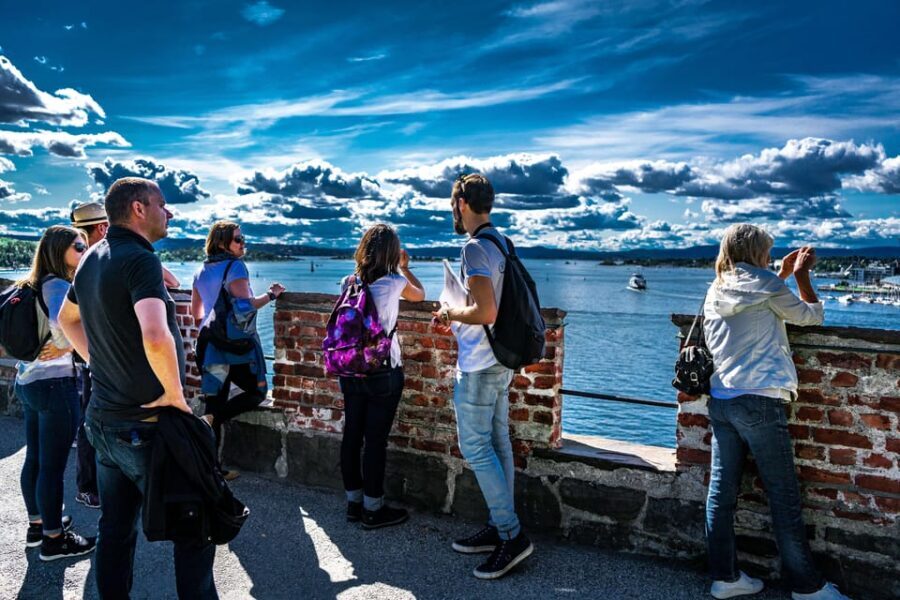
No Oslo introduction is complete without Akershus Fortress. This is one of the stops where the physical setting does half the work. The fortress sits overlooking the Oslo Fjord, so you get that feeling of strength paired with open air and water views.
This part is a strong payoff because it changes the mood. The city center is all streets, buildings, and institutions. Akershus adds perspective: you can see Oslo from a viewpoint that makes the coastline and the city’s edge feel real.
If you’re the type who likes architecture but also wants scenery, this is where you’ll feel the balance. Even if the walk is mostly urban, this stop gives you a clear “Oslo is on the water” reminder.
You can also read our reviews of more private tours in Oslo




Opera House area and the urban farming twist
Now for the modern turn: Oslo Opera House. The building is instantly recognizable for its bold contemporary design, and it’s a highlight because it signals how Oslo is reinventing itself in the present day. You’ll also pass through the newer-developed, city-front area, where modern architecture sits close to daily city life.
A fun detail built into this walk is the urban farming you’ll find just behind the Opera House. That small contrast—gardens in a cold-weather capital—helps you understand that Oslo’s creativity isn’t only cultural; it’s practical, too. It’s the kind of story that sticks because it’s surprising without being random.
And there’s one extra tip that matters: if you want the best views, climb to the top of the Opera House after the tour. The structure is designed for walking up, and that final vantage point can turn a good tour into a memorable one. If the weather is rough, you might still enjoy the area even from street level, but the top is where the “Oslo at once” feeling hits hardest.
The tour continues past nearby civic and financial squares such as Christiania Torv, the Bank Square, and the Oslo Stock Exchange, then ends in the Langkaia area near Langkaia 1, 0150 Oslo.
How the private format changes what you get in 2 hours
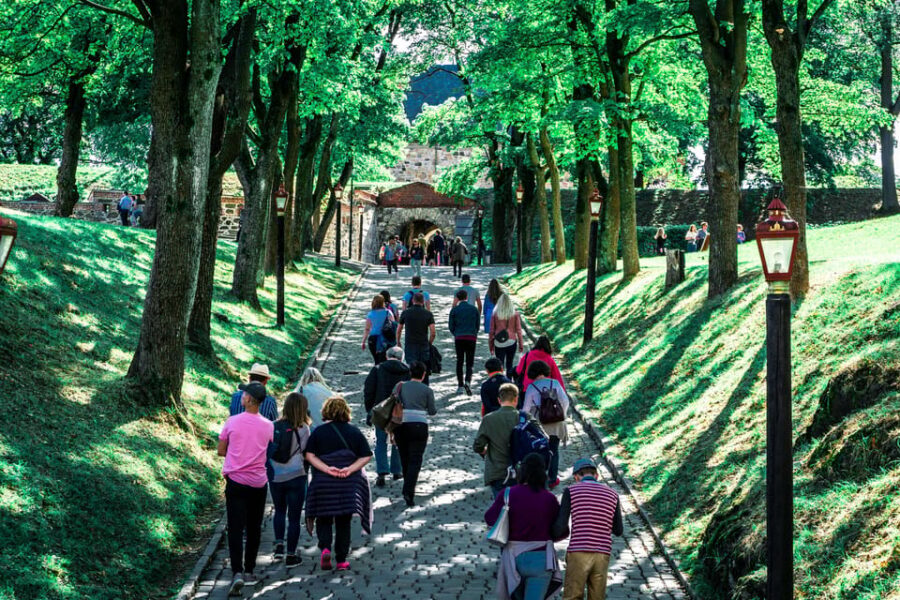
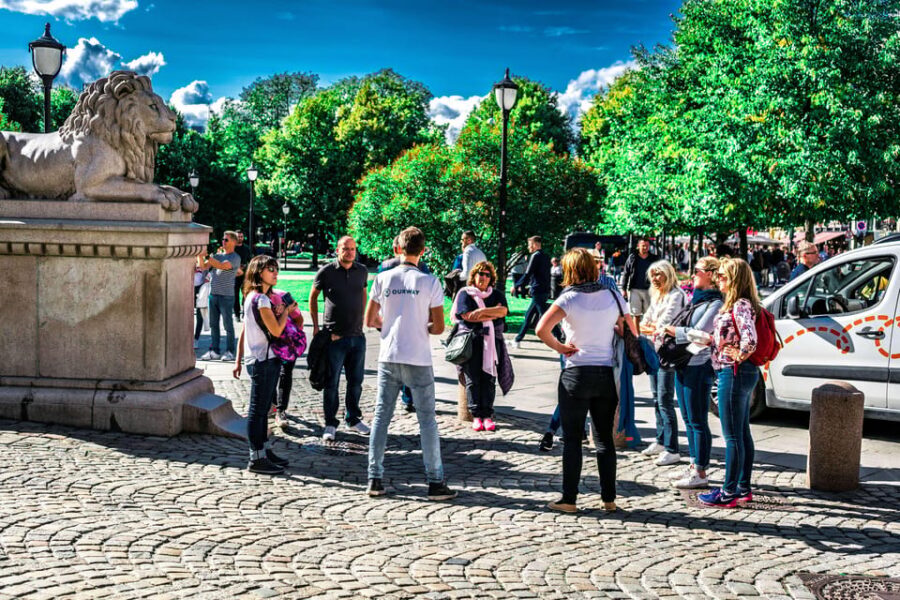
A private walking tour isn’t just “no crowd.” It’s time used differently. You can set your own focus—architecture, governance, cultural landmarks, or the way Oslo’s neighborhoods connect.
You’ll also likely benefit from a guide who answers questions in real time. Guides named Anya and Amanda have been praised for being friendly and for pacing information well, which matters because 2 hours goes quickly. In a group tour, you can miss what you really care about. Here, the guide can adjust and keep you on track.
This format is especially good if:
- you’re in Oslo for a short window and want the core landmarks tied into one coherent story
- you want more back-and-forth and less listening-from-a-distance
- you’re traveling with children who do better with frequent prompts and clear visual targets
Price and logistics: what $461 per group means for value
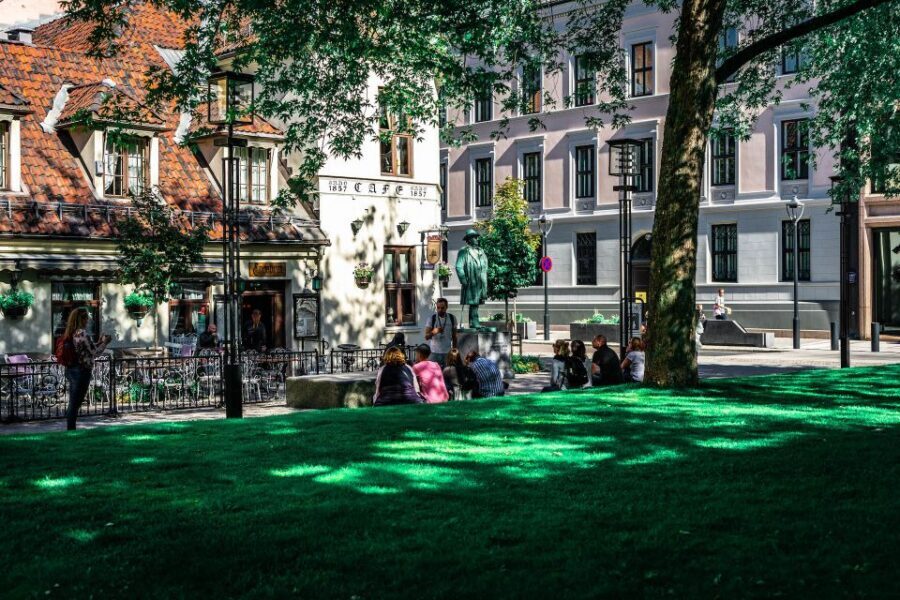
Let’s talk money clearly. The listed price is $461 per group up to 1 person for 2 hours. That’s a premium, and one reason is simple: you’re paying for a private guide. If you can split the cost with others, it’s easier to swallow. If you’re going solo, it’s still worth considering—but you need to be honest about your priorities.
Where I think it becomes good value:
- You want a guided “greatest hits” route with context, not just photos.
- You’re short on time and want to cover City Hall, Parliament, Royal Palace, National Theatre, Akershus Fortress, and the Opera House area without hopping around independently.
- You care about the stories behind what you see, like how City Hall relates to Nobel Peace Prize ceremonies.
Where it might feel expensive:
- If you already know Oslo well and only want quick exterior photos, you could self-walk and spend less.
- If you’re sensitive to traffic noise, the city-center walking sections might not feel like a calm experience.
For most first-time visitors, the value comes from time saved and the way a skilled guide makes the architecture and institutions understandable.
Who should book this Oslo walking tour
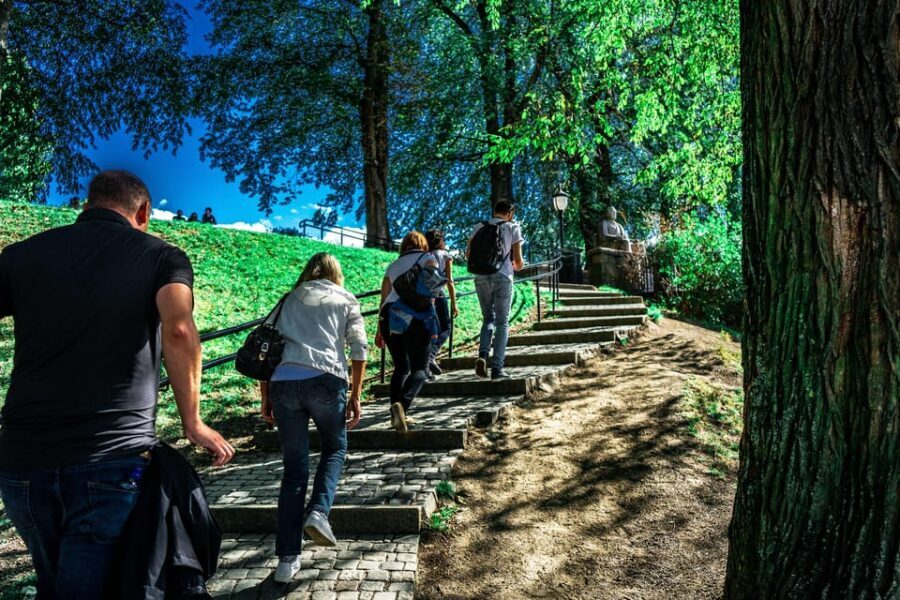
You should book if you:
- want an efficient Oslo introduction in 2 hours
- love walking through civic and cultural landmarks rather than just museums
- want a guide who can explain what you’re seeing in plain language
- appreciate a tour that can work for mixed ages, including families
You might skip it if you:
- only need a couple landmarks and prefer to DIY
- are looking for a quiet nature-focused outing (this route is city center-heavy)
- want lots of stops for long photo breaks; the pacing is set to fit the highlights
Should you book this private Oslo walk?
If you’re visiting Oslo for a first taste, this tour is a smart way to get oriented fast—harbor views at the Nobel Peace Center, the political spine around Parliament, major cultural buildings, then the fjord-focused mood shift at Akershus, capped with the modern drama of the Opera House. Paying $461 is steep, but you’re buying a private guide who can connect the dots in a short time.
My rule: book it when you want structure and context more than extra free time. Skip it when you’re perfectly happy wandering on your own and can read the city from guidebooks or maps.
FAQ
Where does the tour start?
The tour starts at the Nobel Peace Center, outside the entrance, at Brynjulf Bulls plass 1.
How long is the private walking tour?
It lasts 2 hours.
Is this tour private or shared?
It’s a private group tour.
Where does the tour finish?
It finishes at Langkaia 1, 0150 Oslo, Norway.
What landmarks are included on the walk?
You’ll pass the Royal Palace, the Parliament building, Oslo City Hall, the Norwegian National Theatre, Karl Johans gate, Akershus Fortress, Christiania Torv, the Bank Square, the Oslo Stock Exchange, and the Oslo Opera House area.
What languages are available?
The live guide is available in Spanish, English, French, German, Italian, and Norwegian.
What should I wear or bring?
Bring comfortable shoes and weather-appropriate clothing.
Is the walking route mostly in the city center?
Yes. Most of the tour takes place in the city centre, where traffic noise is unavoidable.
Can I cancel for a refund?
You can cancel up to 24 hours in advance for a full refund.
Do I have to pay right away?
You can reserve now and pay later, keeping your travel plans flexible.