REVIEW · OSLO
3-Hour Vattkørt Beginner Kayak Course on Oslo Fjord
Book on Viator →Operated by Mad Goats Norway · Bookable on Viator
First paddle lessons on Oslo Fjord feel doable. This beginner course is set up in central Bjørvika, and I like that the team supplies everything from wetsuit to spray skirt, so you just show up in swimwear.
I also like the way instructors coach safety and rescues, with English instruction and hands-on practice built around self-rescue and buddy rescue.
One consideration: it runs on good weather, and you should be ready to get wet and wear neoprene shoes even if your main goal is learning the basics.
In This Review
- Key highlights you’ll care about
- Why Bjørvika feels like a smart place to start kayaking
- The NPF våttkort: what you actually get at the end
- What’s included (and how it changes your cost and comfort)
- The “warm student” concept is not just a joke
- Your 3 hours on the fjord: how the learning usually flows
- First strokes: what to listen for when you learn technique
- The spray skirt and what it means for beginners
- Rescue training: why self and buddy skills are worth the time
- Gear fit tips: how to dress so the wetsuit feels like help
- Price and value: why $191.03 can actually be fair
- A quick reality check
- Who this course is best for (and who should think twice)
- Timing, weather, and why Oslo Fjord matters
- Should you book this course?
- FAQ
- What time does the 3-hour course start and where do I meet?
- Is the course offered in English?
- What gear is included in the price?
- What should I bring with me?
- Do I need waterproof storage for my phone or glasses?
- What happens if the weather isn’t good?
Key highlights you’ll care about
- NPF våttkort issued after the course so you can rent kayaks from the same provider and paddle on your own or with friends
- All equipment included: kayak, paddle, lifejacket, spray skirt, wetsuit, and neoprene paddling shoes
- Small group size (max 9) for more coaching time and faster feedback
- English-speaking certified instructors who focus on practical safety and technique
- Rescue training for both you and a buddy so you’re not just learning to paddle, you’re learning to respond
Why Bjørvika feels like a smart place to start kayaking
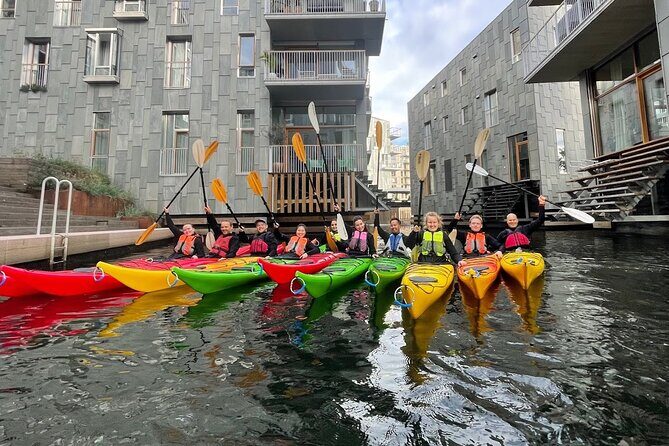
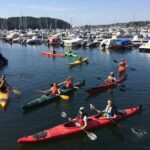
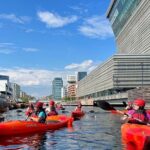
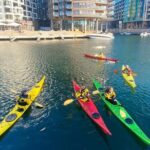
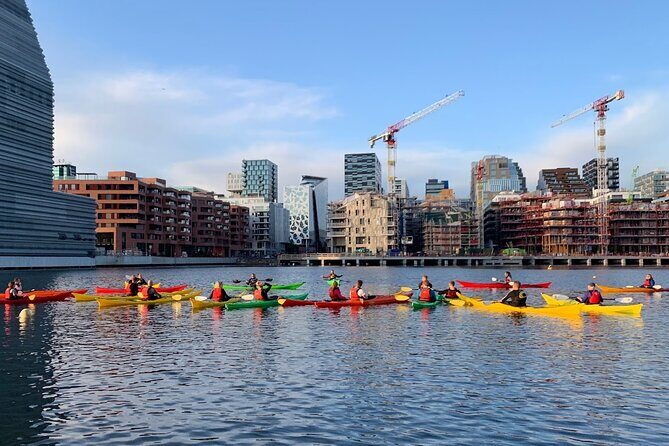
Oslo Fjord sea kayaking can sound intimidating, especially if you picture cold water and complicated maneuvers. This 3-hour beginner course in Bjørvika (meeting at Mad Goats, BjørvikaOperagata, 0194 Oslo) is designed to cut that anxiety down fast by keeping things controlled and coach-led.
The vibe matters. You’re starting in the city, not out in some remote spot where you spend your whole time just figuring out logistics. That makes the course feel practical: you can learn, get your certificate, and still enjoy Oslo afterward. Also, the group is kept small (up to 9), which usually means you get more direct attention when you mess up a stroke or forget a safety step.
For your first paddle, I think this matters more than people expect. When the pace is calm and the instruction is clear, you pick up basics quickly. And with the provided gear, you’re not wrestling with fit issues while trying to learn what a paddle does in water.
A few more Oslo tours and experiences worth a look
The NPF våttkort: what you actually get at the end
The course doesn’t stop at a “good job, you’re done” pat on the back. When you complete the training, you’re awarded the NPF våttkort. That’s a nationally recognized qualification, and it matters because it opens the door to renting kayaks from the same outfitter.
In other words, you’re not just buying 3 hours of fun. You’re buying a ticket to keep paddling afterward. If your goal is to become the kind of person who can plan a half-day on the fjord (with friends or solo, depending on local rules and your comfort level), this credential is the bridge between trying kayaking and doing kayaking.
I like that the course is explicitly built around real-world competence: safety on the water, proper paddling technique, and self and buddy rescue skills. That’s the difference between a “taste” and a foundation.
What’s included (and how it changes your cost and comfort)
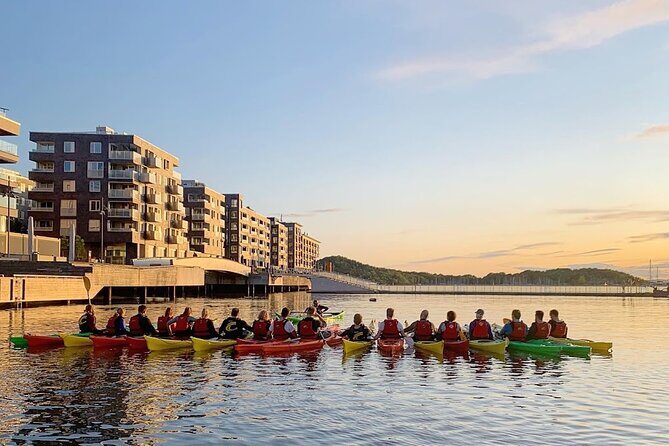
At $191.03 per person, the price may look steep at first glance—until you see what’s covered. This course includes your kayak setup and all the cold-water essentials: kayak, paddle, lifejacket, spray skirt, wetsuit, and neoprene paddling shoes. It also includes storage for your belongings at the start of the session.
That inclusion is a value win for two reasons:
- You avoid paying separately for rental gear, which can add up quickly in Norway.
- You get the right outfit for the water temperature, so you can focus on learning instead of overheating, getting chilled, or feeling uncomfortable.
They also note what isn’t included: waterproof storage bags, phone case, or glasses strap. This is worth planning for. If you carry a phone (and who doesn’t), you’ll want protection ready on your own. Even with storage, a spray skirt isn’t magic and fjord water doesn’t care about your wishful thinking.
The “warm student” concept is not just a joke
The course even leans on a simple idea: warm students learn better. You’ll get wetsuit gear intended for staying comfortable while you’re in and around the water. That makes practice easier because you’re less likely to rush or skip parts when your hands and legs start to feel numb.
Your 3 hours on the fjord: how the learning usually flows
You should expect a structured beginner introduction that moves from basics to confidence-building drills. The course runs about 3 hours, and it ends back at the meeting point.
Here’s the shape of the experience based on the course focus:
- Safety and water awareness
You’ll cover safety on the water with a certified instructor. This is where you learn the rules of what to do (and what not to do) before you spend real time practicing strokes.
- Paddling technique
Then you’ll work on the mechanics of paddling. For beginners, that usually means learning how to hold the paddle, how to rotate your torso, and how to keep the kayak moving efficiently without wasting power.
- Self-rescue and buddy-rescue skills
The course includes training on how to rescue yourself and how to help another paddler. That’s a big deal: the goal isn’t panic. It’s calm, step-by-step response.
Because you’re learning rescues, you’ll likely experience moments where you feel a little unsure. That’s normal. The instructors are there to keep it safe and controlled, not to test you for endurance.
One instructor named Filip is specifically mentioned in course feedback for making sure everyone felt safe and completing the exercises with the group. That detail lines up with what you want from a beginner class: clear guidance, not a vague “good luck.”
A few more Oslo tours and experiences worth a look




First strokes: what to listen for when you learn technique
When you’re new, paddling technique can feel like a set of instructions you’ll forget the instant you get cold. What helps is picking one or two cues your instructor repeats.
Even without getting too technical, the course is aimed at proper paddling technique, so you’re not just flailing at the water and hoping for the best. Expect coaching that brings your strokes into a smoother rhythm. The best part of a guided lesson is that you can compare your attempt to what “good” feels like right away, while the instructor watches and corrects.
Also, you’ll likely learn how to make your kayak go where you want instead of drifting in whichever direction the wind decides to take you. That sense of control is what turns kayaking from a novelty into something you can actually plan and repeat.
The spray skirt and what it means for beginners
The course gear includes a spray skirt, which is a key piece of beginner sea kayaking kit. It’s not there for style. It helps keep water out of the cockpit, which makes learning easier and reduces mess during drills. You’ll feel more confident because you’re not constantly fighting water inside the kayak while you practice strokes and rescues.
Rescue training: why self and buddy skills are worth the time
Most beginner activities stop at “how to paddle.” This one adds rescue, and I think that’s the smartest decision for anyone who wants real confidence on the fjord.
Self-rescue training matters because it tells you what to do if something goes wrong. It turns a frightening scenario into a procedure you can follow. Buddy-rescue training matters because kayaking is often done in pairs or groups. Knowing how to assist another paddler is the difference between being a helper and being another problem.
If you want a practical way to think about it, view rescue training as confidence insurance. It’s not about expecting mishaps. It’s about knowing your first response if something happens anyway.
And because the course is beginner-level and structured, rescue skills are taught in a way that aims to keep you safe, not overwhelmed. In the feedback, people specifically highlight learning essential paddling techniques and how to perform rescues for both self and buddy, which fits the course promise.
Gear fit tips: how to dress so the wetsuit feels like help
The course provides a wetsuit and neoprene paddling shoes, but you still need to show up prepared. They ask you to bring:
- sunscreen
- a towel
- swimwear
They also recommend a wool thermal layer under the wetsuit. That’s practical advice in Norway. Wool can add warmth without the “so thick and bulky it ruins movement” problem you can get with some synthetic layers.
If you’re planning ahead, I’d do this:
- Wear the swimwear that you can handle getting wet and staying wet for a while.
- Bring a towel that you don’t mind using immediately after getting out.
- If you hate cold, bring that wool thermal layer and treat it as part of your kit, not an optional extra.
Also, don’t count on waterproof storage for your phone or glasses. Since waterproof bags and phone cases aren’t included, plan to keep electronics protected or leave them at home.
Price and value: why $191.03 can actually be fair
Let’s talk money honestly. Three hours for $191.03 can feel pricey until you break down what you’re paying for.
Here’s what you’re getting that often costs extra elsewhere:
- a guided, certified beginner course focused on safety
- instruction in English
- complete kayak equipment and cold-water clothing (not just the kayak)
- training that includes self and buddy rescue skills
- issuance of the NPF våttkort, which supports future rentals
When gear is included, you avoid the common beginner trap: paying extra to rent equipment you might not even like using. And when you leave with a qualification, your course fee doesn’t just buy a single afternoon. It buys the start of continued paddling.
One more value point is the cap of 9 travelers. Smaller groups usually mean you get more hands-on attention and fewer long waits while the instructor deals with someone else’s questions.
A quick reality check
You are paying for instruction and competence, not just scenery. If your goal is mostly to take photos and drift, this might feel more like work than you planned. If your goal is to learn, even at a beginner pace, the price reads as more reasonable.
Who this course is best for (and who should think twice)
This course is a great fit if:
- you’re new to sea kayaking and want a controlled start
- you want a structured learning plan with safety and rescue included
- you like the idea of getting the NPF våttkort so you can rent kayaks afterward
- you want instruction in English and a small group setting
It’s also a good match for families and teens, based on one set of feedback describing a course taken with two teens, all leaving satisfied and safe.
A consideration: if you dislike the idea of wearing a wetsuit, getting wet, and practicing rescue drills (even in a beginner way), you might want a different kind of activity first. The course is designed for competence on the water, not comfort-first sightseeing.
Timing, weather, and why Oslo Fjord matters
This experience requires good weather. That doesn’t mean you should avoid booking. It means you should plan with some flexibility and understand that conditions on the fjord can change.
If weather is poor, you’ll be offered a different date or a full refund. In practical terms, this is common for water sports and it protects you from doing an uncomfortable or unsafe session.
If you’re in Oslo for a short trip, try to schedule the course early enough that you can adjust if your session shifts.
Also remember: even when the day looks pleasant, water can feel colder than you expect. Bring the wool layer recommendation seriously, and use sunscreen anyway, even if the air feels mild.
Should you book this course?
If you want to go from zero to a real beginner skill set in a short time, I’d book it. The biggest reasons are the NPF våttkort at the end and the fact that the training includes both paddling technique and rescue skills, not just a basic introduction. Add gear included, and you get a straightforward value package.
I’d think twice only if you strongly dislike getting wet, hate wearing a wetsuit, or are looking for a purely relaxed sightseeing outing. This is a learning course, and the payoff is confidence you can take onto the fjord later.
FAQ
What time does the 3-hour course start and where do I meet?
You meet at Mad Goats, BjørvikaOperagata, 0194 Oslo, Norway. The activity ends back at the meeting point.
Is the course offered in English?
Yes. The course is offered in English.
What gear is included in the price?
The course includes a kayak, paddle, lifejacket, spray skirt, wetsuit, and neoprene paddling shoes, plus storage for your belongings.
What should I bring with me?
Bring sunscreen, a towel, and swimwear. They also recommend bringing a wool thermal layer to wear under the wetsuit.
Do I need waterproof storage for my phone or glasses?
Waterproof storage bags, a phone case, and a glasses strap are not included, so you may want to bring your own if you plan to carry these items.
What happens if the weather isn’t good?
This experience requires good weather. If it’s canceled due to poor weather, you’ll be offered a different date or a full refund.