REVIEW · OSLO
Oslo Sea Kayak Tour: Explore The Incredible Oslofjord
Book on Viator →Operated by Mad Goats Norway · Bookable on Viator
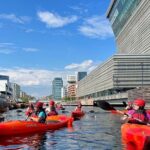
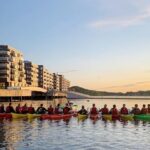
Oslofjord from a kayak changes how the city clicks. In Fjord City, you paddle a protected city route with a guide, slipping past major landmarks while you learn how to handle the kayak. You also get built-in safety support like life jackets and on-the-water coaching that keeps it friendly for first-timers.
What I like most is the easy logistics for a city outing: you start in central Tjuvholmen, with changing rooms and secure storage so you are not hauling stuff around. The second big win is the sightseeing value—this route is designed to move you past headline places like the Oslo Opera House and Akershus Castle area without turning it into a long walking day.
One consideration: conditions matter. Even on a harbor-focused paddle, wind and chop can make it feel more challenging, and in some cases the group may shorten the route to match safety and comfort.
In This Review
- Key things to know before you paddle
- Why kayaking Oslofjord feels like a cheat code for sightseeing
- Tjuvholmen meets the real city: where you start and why it matters
- What’s included in the price, and what you’ll still want to bring
- How hard is it really: fitness, swimming, and wind-proof expectations
- The Fjord City route: what you’ll see at each stop (and what to watch for)
- Stop 1: Oslo Opera House
- Stop 2: Aker Brygge
- Stop 3: Akershus Castle and Fortress
- Stop 4: Astrup Fearnley Museet
- Stop 5: Tjuvholmen Bystrand
- Stop 6: Munch
- Stop 7: Oslofjord
- Stop 8: Deichman Bjorvika
- Stop 9: Hovedoya
- Guides, instruction style, and the names you might get
- Price and value: does $117.86 really add up?
- Who should book this Oslofjord kayak tour (and who might not love it)
- Should you book the Oslo Sea Kayak Tour Fjord City?
- FAQ
- What is the duration of the Oslo Sea Kayak Tour Fjord City?
- How much does it cost per person?
- Where does the tour start?
- Do I need kayaking experience to join?
- What should I bring since some items aren’t included?
- Is swimming required?
- What is the minimum age for the tour?
- Are kids allowed on the tour?
- What equipment is included?
- What happens if weather is bad?
Key things to know before you paddle
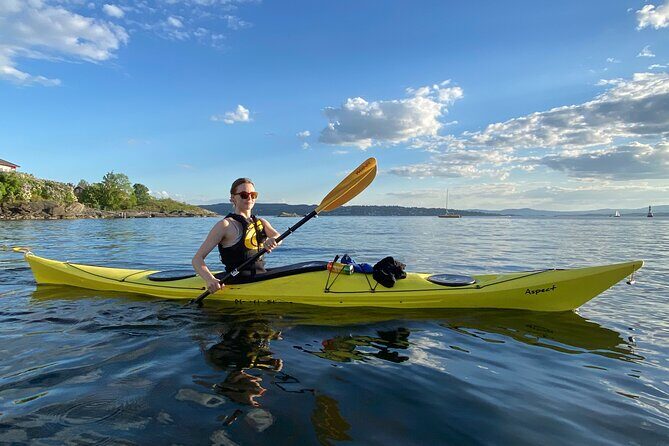
- Central start at Tjuvholmen: near public transit and a short walk from Oslo’s main station area
- Full gear plus guidance: kayak, paddle, life jacket, and instruction so you are not guessing
- Landmark route by water: Oslo Opera House, Aker Brygge, Akershus Fortress, and more
- Beginner-friendly, but swim-smart: no prior experience needed, yet you should know how to swim
- Small groups: maximum of 15 people means more attention from the guides
Why kayaking Oslofjord feels like a cheat code for sightseeing
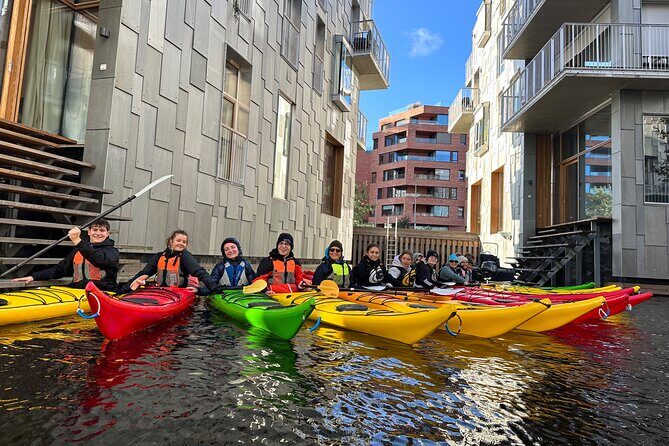
A kayak tour is not just transport. It is a slow-motion way to look at Oslo that you simply cannot get from a bus window or a quick photo stop. You see the city in layers—buildings, docks, and waterline detail—while your guide keeps you moving at a pace that feels doable.
This tour is built for that city-meets-water sweet spot. You are out on the water long enough to feel you escaped, but the start point is central enough that the whole morning still feels part of your trip instead of a half-day detour. And because the route follows the shoreline, you get repeated chances to notice things as you go.
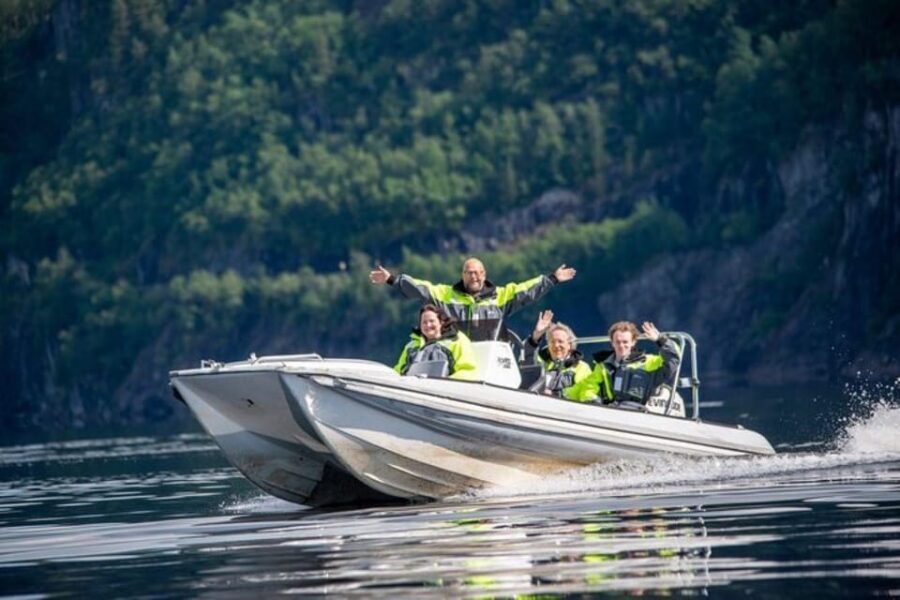
I also like that the tour leans into fun, not performance. The tone is playful (Mad Goats runs it), yet the safety basics are solid, with gear included and a guide who can coach you on how to row and steer when the water gets busy.
A few more Oslo tours and experiences worth a look
Tjuvholmen meets the real city: where you start and why it matters
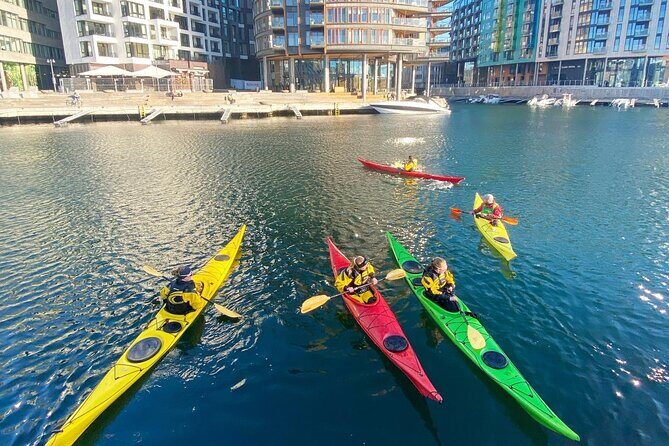
The meeting point is Mad Goats Tjuvholmen Strandpromenaden, 0252 Oslo. That location is one of the practical reasons this experience works well for visitors—you are not stuck on the edge of town hoping you timed the transfer.
From the water-adventure point of view, Tjuvholmen is also convenient because the tour includes a place to store belongings and change. That sounds minor until you remember you might arrive in normal clothes and then need to get ready for wet conditions. Having secure storage reduces the stress of leaving items behind, and the changing setup helps you look at the kayak instead of thinking about your phone in your pocket.
Another small detail that can matter: the tour is near public transportation. If your Oslo day plan is flexible—museum first, then lunch, then this—you can usually fit it without rebuilding your whole schedule around one awkward commute.
What’s included in the price, and what you’ll still want to bring
At $117.86 per person, you are paying for more than a seat on a boat. The essentials are included: kayak, paddle, and life jacket. You also get kayak instructions and professional guides, plus the practical comfort stuff like changing rooms and secure storage.
If you want extra convenience, there are waterproof bags you can borrow if desired. That is a smart add-on because Oslofjord water can be unpredictable, and you do not want your day’s photos ruined by one splash. Still, you should assume some spray is possible.
What is not included is also worth planning for:
- Bottled water
- Sunscreen and sunglasses
- Waterproof clothing or wet-weather gear
This is the part I would not ignore. You might be in motion for a couple of hours, and the difference between comfortable and miserable can come down to just a few layers. Dress for the day you get, not the weather you hoped for.
How hard is it really: fitness, swimming, and wind-proof expectations
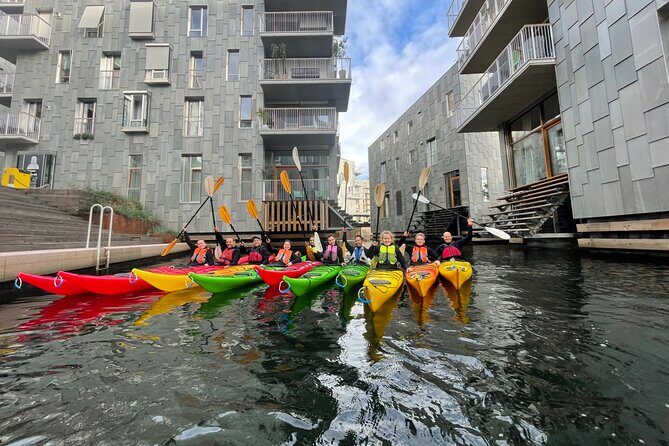
The tour is designed for people with no kayaking experience. You do not need prior training to join, but you do need a healthy sense of adventure and a willingness to learn.
For fitness, they recommend a moderate level. That usually means you are comfortable doing light-to-moderate paddling and staying engaged while the group follows the route. The kayak is not a gym workout, but it is still active.
The swim part is more important than it sounds. You are recommended to know how to swim, because taking a dip after the tour can be nice if conditions allow. Even if you personally skip the water, knowing you are within reach of safety instincts matters.
And here is the honest weather reality: the Oslofjord can be windy and choppy. In those conditions, a guide may adjust the plan to keep everyone safe and happy, including potentially shortening the time on the water. That flexibility is not a failure—it is how you end up with an experience instead of a stressful one.
The Fjord City route: what you’ll see at each stop (and what to watch for)
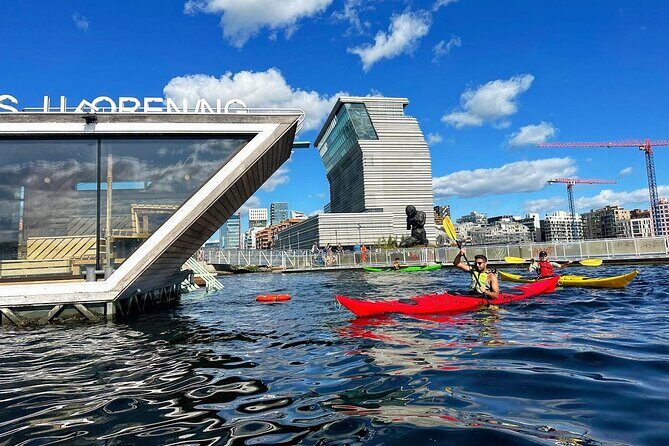
This is not a stop-and-stroll sightseeing walk. It is a paddle route with set points of interest, so you get movement between views and a guide to help you keep your bearings.


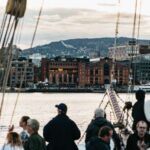
Stop 1: Oslo Opera House
You’ll paddle past the Oslo Opera House. This is a great early stop because it sets the tone fast—you go from city street to major landmark in minutes, and you can see how the water changes the scale.
A practical tip here: if you want skyline photos, get your shot early. Once you get deeper into the harbor rhythm, your arms and attention start syncing with paddling more than posing.
Stop 2: Aker Brygge
Next up is Aker Brygge. This stop works well because it is all about the waterfront feeling—boats, edges, and the city’s active water frontage. You also tend to get a better sense of spacing here, since the kayak route keeps you gliding near the shoreline rather than out in open water.
If you get even a light chop, it helps to focus on steady strokes instead of fighting the water.
Stop 3: Akershus Castle and Fortress
Akershus Castle and Fortress is a headline stop. Paddling by it adds a sense of place that is hard to replicate from land, especially when you are moving at a slow enough pace to notice details.
The “watch for” item is simple: keep your paddle strokes consistent. In tighter harbor sections, small course corrections matter.
Stop 4: Astrup Fearnley Museet
Astrup Fearnley Museet is another landmark on the waterline route. This stop gives you a mid-tour payoff—by now you have figured out the kayak basics and you can actually enjoy the views instead of concentrating on technique.
If you are traveling with kids, this is often the moment when you can tell whether they are leaning into the experience or waiting for it to end.
Stop 5: Tjuvholmen Bystrand
Tjuvholmen Bystrand brings you back into the area that feels like home base even though you are still actively paddling. This part of the route helps connect the route to the starting district, so it feels less like you disappeared and more like you traveled along a loop.
It is also a nice moment to check how everyone is doing—arms, balance, and confidence.
Stop 6: Munch
The Munch stop keeps the city-culture theme going. Paddling past it gives you that “I’m seeing it from the side people usually skip” effect, which is the whole point of doing Oslo by kayak.
For photos, remember your guide can usually help with timing—listen for instruction so you are ready when they say look.
Stop 7: Oslofjord
Then you are straight into the Oslofjord segment. This is where the trip stops feeling like a sheltered promenade and starts feeling more like real fjord water, even if you are still in a manageable zone.
This is also the point where wind becomes more noticeable. Keep your focus on controlled strokes and staying comfortable with the kayak position.
Stop 8: Deichman Bjorvika
Deichman Bjorvika is another landmark stop that keeps the route packed with reasons to point your paddle and look up. This section also tends to help first-timers relax because you can see familiar-looking city shapes around you.
If you are prone to motion discomfort, this is a good place to keep your eyes level and steady rather than looking around too much.
Stop 9: Hovedoya
Finally, Hovedoya closes the loop. This stop adds a little sense of getting “out there” without requiring a long expedition. You finish with a natural feeling of accomplishment, since you have covered a city-sized route and ended back at the starting point.
Overall route pacing: several people describe the real time on the water as around an hour and a half, which often feels about right for inexperienced kayakers and families.
Guides, instruction style, and the names you might get
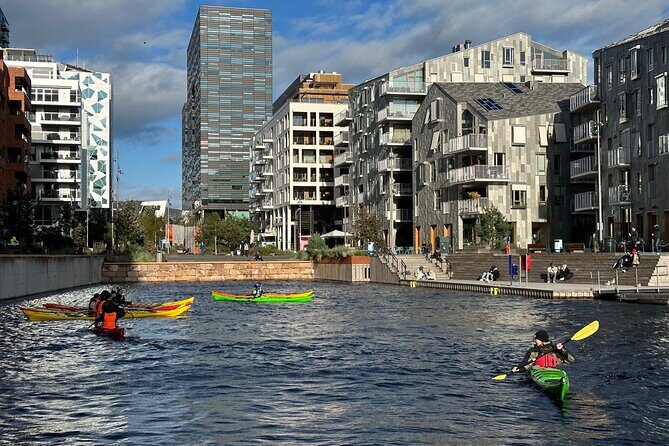
The tour runs with professional guides and includes kayak instructions. What you want from a guide on this kind of tour is not just safety talk—it is hands-on coaching that helps you steer, stop worrying, and start enjoying.
From the guide feedback shared, instructors like Christian, Chris, Olivia, Dean, and Melina show up in the experience. That tells you the training team is consistent: people are repeatedly praising clear instruction and a calm approach, even when conditions are choppy.
I also like that guides take time to teach the basics. One person noted a tutorial on how to row the kayaks, and that matches what you need early on: you cannot appreciate the views if you are constantly correcting your own technique.
A few extra touches show up too. Some groups mention the guide taking photos and sharing them without extra cost. Others mention adaptations in real time when weather turns rough, so everyone stays safe and still has a good time.
One practical note: if you want souvenir photos, ask at the start what the photo-sharing plan is. If they offer a quick transfer method, it is easy to miss if you are focused on instructions.
Price and value: does $117.86 really add up?
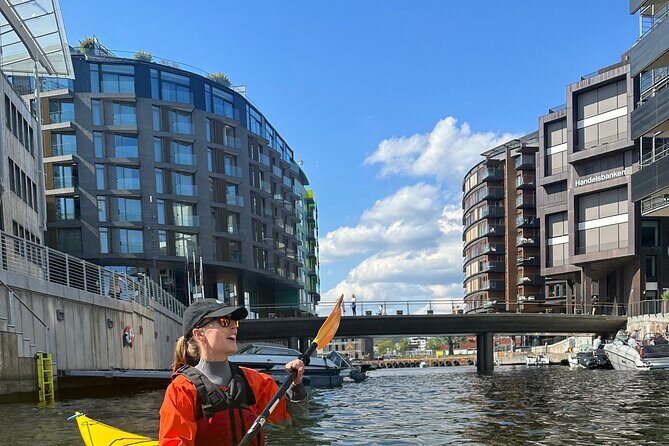
For this Oslo Sea Kayak Tour, the price can feel steep if you think of it as just a two-hour activity. But you are not paying for bare equipment rental. You are paying for a guided, safety-focused experience with kayak, paddle, and life jacket included, plus instruction and a small group size.
Add in the included changing rooms and secure storage, and the value shifts. Many outdoor activities charge extra for basics like gear and supervision. Here, those basics are bundled.
The other value angle is time quality. You get multiple top landmarks in one outing without walking for hours. If you already planned a museum day or a city day, this adds a different mode of seeing Oslo without stealing too much schedule.
What could make it feel less worth it is weather. If the day is windy and the guide shortens the route, you still get the core experience, but it can feel like you paid for a full-length paddle that you did not get. The good news is that adaptation is the safety system at work, and most people report it still stays fun.
Who should book this Oslofjord kayak tour (and who might not love it)
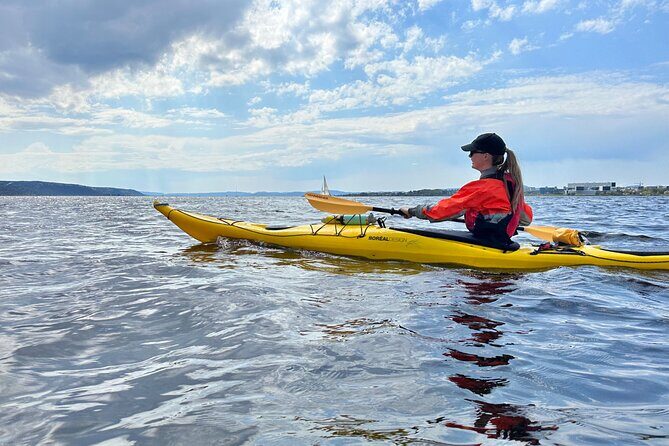
This tour fits a wide range of people because it does not require experience. You do need moderate fitness and a willingness to handle being on open water enough to feel like you are part of the fjord, not just watching from land.
Families often do well here. The tour is suitable for kids 5 years and up, but there is a specific rule: kids under 13 must ride in a double kayak with an adult. If you have mixed ages, plan your kayak setup early so you are not scrambling once you arrive.
For nervous beginners, the presence of step-by-step instruction helps. People who are anxious still tend to feel better once they get the kayak basics and see the route stays guided and managed.
If you dislike cold water or you are not comfortable knowing you might end up wet, you should take the clothing advice seriously. And if swimming is off the table for you, you should think hard about whether a taking-a-dip possibility is acceptable.
Service animals are allowed, and the tour is near public transportation, which is useful if you are navigating Oslo without a private car.
Should you book the Oslo Sea Kayak Tour Fjord City?
Book it if you want a city trip that still feels outdoors, with major Oslo waterfront landmarks seen from an actual seat on the water. I’d especially recommend it if you are short on time, curious about the Oslofjord, and want a guided experience that teaches you the basics instead of throwing you into chaos.
Skip or rethink if you know you hate choppy conditions, you are not comfortable with moderate physical effort, or you are not prepared with the right layers. Windy days happen in Oslofjord, and the route may adjust to keep everyone safe.
If you do book, go in with a simple plan: dress for the weather you get, bring sunscreen if you think you will need it, and listen closely during the early instruction period. After that, the whole point kicks in—you start enjoying the city the way water people do.
FAQ
What is the duration of the Oslo Sea Kayak Tour Fjord City?
The tour runs for about 2 hours, including the full start-to-finish experience.
How much does it cost per person?
The price is $117.86 per person.
Where does the tour start?
It starts at Mad Goats Tjuvholmen Strandpromenaden, 0252 Oslo, Norway. It ends back at the same meeting point.
Do I need kayaking experience to join?
No prior experience is required. You do need a healthy sense of adventure, and the guide provides instructions.
What should I bring since some items aren’t included?
Bring bottled water if you want it, plus sunscreen and sunglasses. Waterproof clothing or wet-weather gear is not included, so dress for the conditions.
Is swimming required?
You are recommended to know how to swim, since it can be nice to take a dip in the Oslofjord after the tour.
What is the minimum age for the tour?
The minimum age is 4. Ages 4 to 12 must ride in a double kayak with an adult.
Are kids allowed on the tour?
Yes, it’s suitable for kids 5 years and up. Kids under 13 must go in a double kayak.
What equipment is included?
The tour includes kayaks, paddles, and life jackets. The guides also provide changing rooms and a secure place to store belongings.
What happens if weather is bad?
The experience requires good weather. If it’s canceled due to poor weather, you’ll be offered a different date or a full refund.