REVIEW · TROMSO
Tromsø: Whale Watching on hybrid boat with scenic bustrip
Book on GetYourGuide →Operated by Brim Explorer · Bookable on GetYourGuide
Quiet engines help big whales come closer. This Tromsø day trip pairs hybrid-electric whale watching with a scenic transfer to Skjervøy, so you get serious Arctic time without feeling trapped in the cold. I love the moment the crew switches to an electric, silent engine once whales are spotted, and I love the panoramic heated lounges for viewing. The main catch: whale sightings are never 100% guaranteed, and winter seas can mean motion sickness for some people.
You’ll either start with a boat ride from Tromsø or start by bus and then board the boat at Skjervøy. In both cases, you spend about 1.5 hours searching for whales outside Skjervøy and observing from large windows. Guides are English-speaking, and they help you read whale behavior fast.
The day runs about 9 hours, and it’s cold outside even with heated cabins. If you hate wind-chill exposure or you’re very prone to seasickness, plan carefully before you commit.
In This Review
- Key Things That Make This Whale Tour Worth Your Time
- Why Skjervøy Makes Sense for Tromsø Whale Watching
- Hybrid-Electric Boat: The Quiet Part That Helps You See More
- The 9-Hour Flow: Boat-First vs Bus-First Day
- Boat-first: faster water time, then a scenic return
- Bus-first: more overland views, then a focused sea session
- If the group is small, the plan may shift
- Whale Watching Time: How Your 1.5 Hours Actually Plays Out
- Comfort on the Sea: Warm Clothes, Heated Lounges, and Choppy Water Reality
- The Guides: More Than Spotting, Reading the Water
- Views From Land and Sea: The Lyngen Alps Bus Leg
- Food and Drinks: Plan to Buy Onboard
- Price and Value: Is $208 Fair for This Day?
- Who Should Book This Tour (and Who Should Skip)
- Should You Book Tromsø Whale Watching With Hybrid Boat and Scenic Bus?
- FAQ
- How long is the whale watching part?
- What whales does this tour look for?
- Are whale sightings guaranteed?
- Do you always travel by boat?
- Is the tour in English?
- What’s included in the price?
- Do I need to bring warm clothing?
- Is the tour wheelchair accessible?
- Can I cancel and get a full refund?
Key Things That Make This Whale Tour Worth Your Time
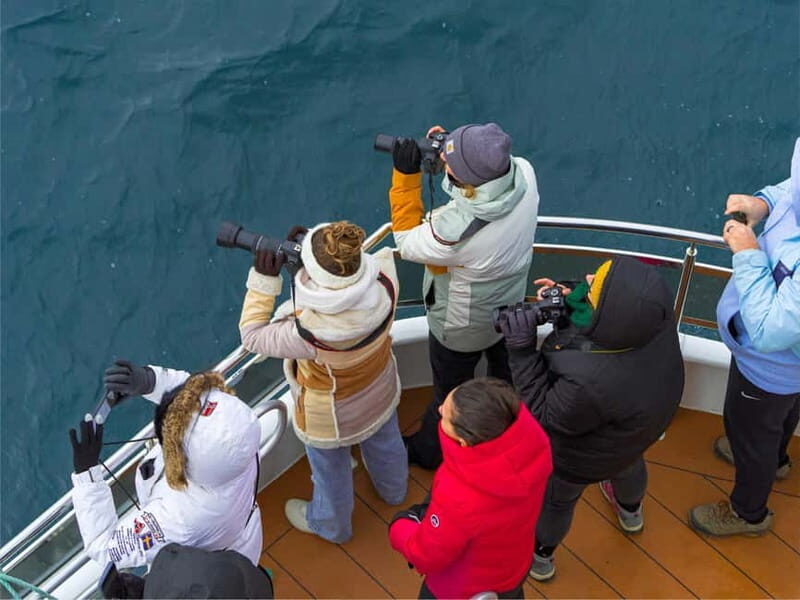
- Hybrid-electric quiet mode: the crew switches to an electric engine to reduce disturbance once whales are found
- Panoramic heated viewing: large windows plus warm saloons help when it’s freezing out on deck
- High odds for multiple species: humpbacks, fin whales, sperm whales, and/or orcas with a 95%+ success rate claim
- Real searching time: about 1.5 hours actually dedicated to finding and watching whales near feeding areas
- Two scenery modes in one day: sea views plus a bus leg past the Lyngen Alps
- Flexible format: if group size is too small, they may run it boat-only and you could get up to 2 extra hours with whales
Why Skjervøy Makes Sense for Tromsø Whale Watching
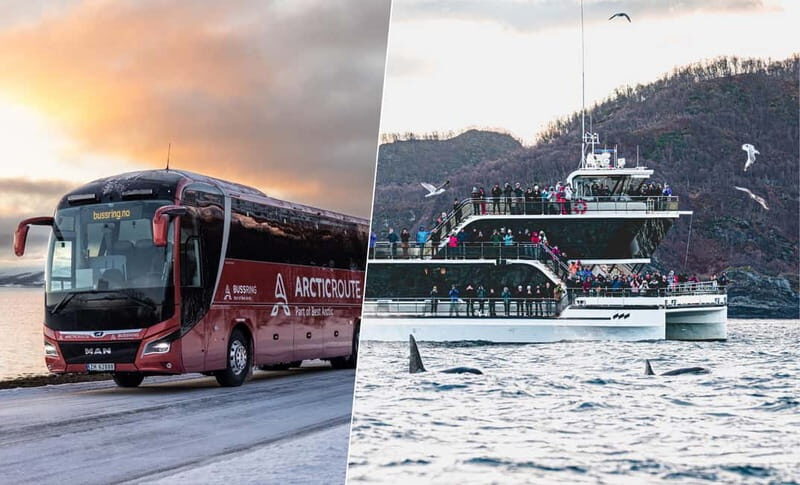
Tromsø is the dramatic gateway, but Skjervøy is where the whale action tends to cluster. This tour is built around getting you to the right water fast, then giving you enough time on location to do actual whale-spotting—not just a quick look and back.
The “feeding grounds” focus matters. Whales are most watchable when they’re actively feeding, and that’s the whole point of the approach here: search outside of Skjervøy, then watch behavior rather than just chase a distant speck.
One more thing I appreciate: even with a strong success-rate goal, the day doesn’t pretend that nature is predictable. The tour is honest that sightings aren’t guaranteed, which is exactly how you want it when you’re paying for a one-day Arctic experience.
You can also read our reviews of more boat tours in Tromso

Hybrid-Electric Boat: The Quiet Part That Helps You See More
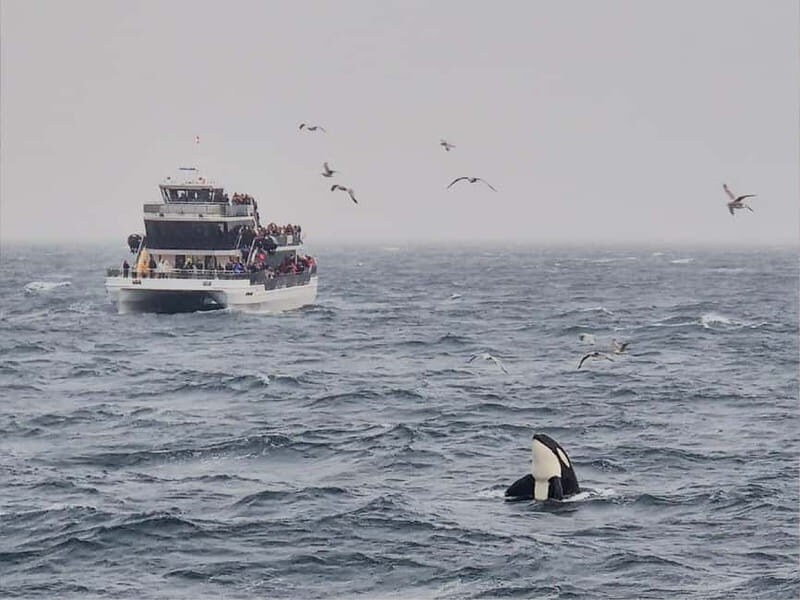
This isn’t just a boat with windows. It’s specifically set up for whale viewing in a way that can make a noticeable difference.
Here’s the key detail: during whale watching, the crew switches to an electric engine to observe the whales. Electric propulsion is typically quieter than combustion, which helps you watch without the constant noise and vibration that can push animals away.
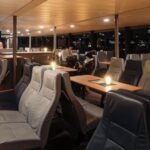
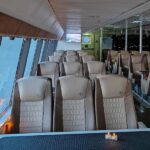
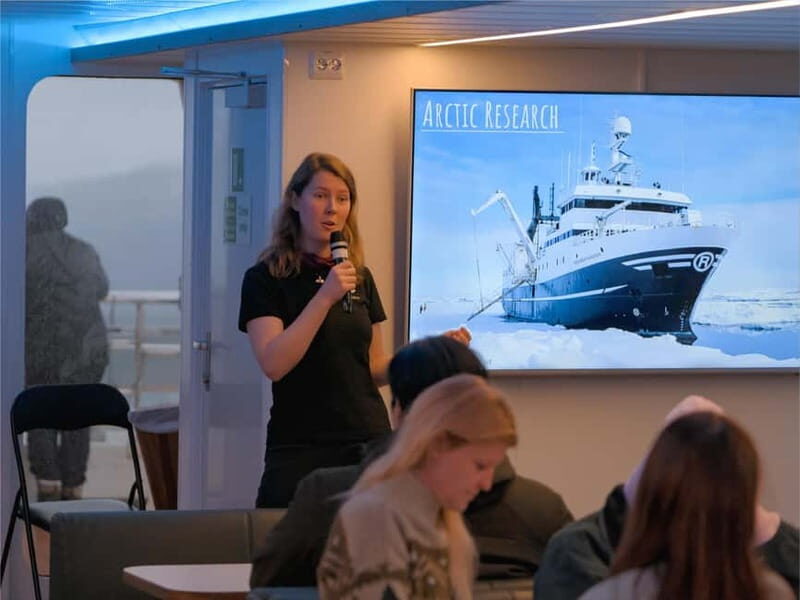
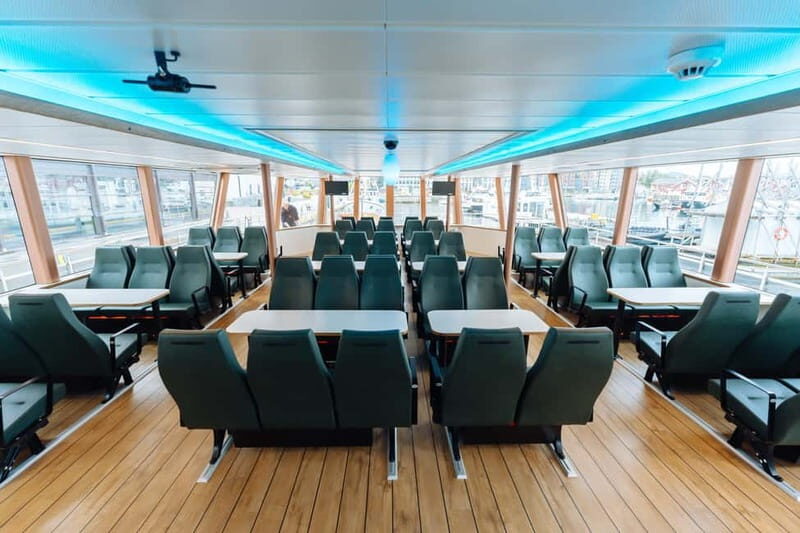
Inside, you’ll have panoramic lounges with big windows. Those windows are the practical win on cold winter days. You can keep your viewpoint steady while staying warm in the heated saloons, and then you step out only when you want a shot that needs open-air angles.
One of the best parts of the experience, according to people who’ve taken it, is the overall professionalism of the crew and guides. They also monitor conditions from the captain’s side, which matters when visibility drops or the sea state gets choppy.
The 9-Hour Flow: Boat-First vs Bus-First Day
Your tour can start either way—boat from Tromsø first, or bus to Skjervøy first—depending on how you’re assigned at the meeting point.
Boat-first: faster water time, then a scenic return
If you start by boat, you depart Tromsø and travel through Arctic waters to Skjervøy for about 2.5 hours. That’s a long enough stretch to settle in, scan the waterline, and enjoy the change in scenery as you move away from the city.
Once you reach Skjervøy, you spend around 1.5 hours searching and observing whales. After that, you dock and take a bus back to Tromsø. This return leg runs past the Lyngen Alps, which gives you a second kind of “wow” when you’re done focusing on the horizon.
Bus-first: more overland views, then a focused sea session
If you start by bus, you drive from Tromsø to Skjervøy through backcountry routes around the fjords and the Lyngen Alps. This is where you get the land-based version of the Arctic drama before you even board.
Then you step onto the hybrid-electric boat and sail outside Skjervøy to the feeding area. You’ll spend about 1.5 hours searching and watching, and then you head back to Tromsø by boat.
You can also read our reviews of more whale watching tours in Tromso

If the group is small, the plan may shift
The operator reserves the right to change the journey to be solely by boat if there aren’t enough guests to fill both bus and boat. If that happens, you’ll spend up to 2 hours with the whales. That’s not only more viewing time—it also means fewer transfers, which some people will find easier.
Whale Watching Time: How Your 1.5 Hours Actually Plays Out
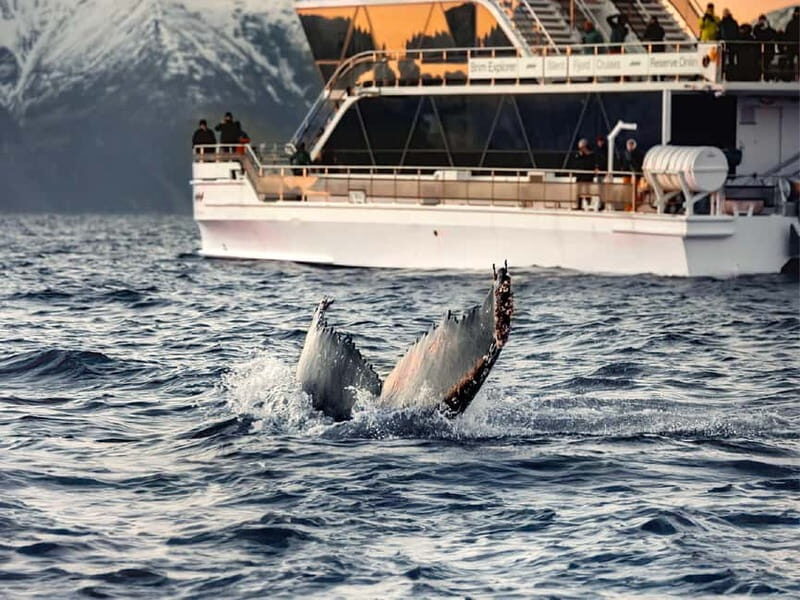
The whale-watching portion is about 1.5 hours, and that’s long enough to move from “hope” to “pattern spotting” if conditions cooperate.
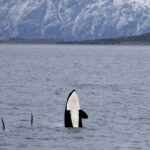
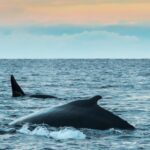
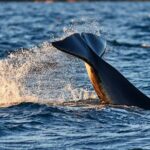
This tour targets multiple species, including humpback whales, fin whales, sperm whales, and/or orcas. The success rate is advertised as over 95%, but you still should treat sightings as nature-dependent. In real terms, that means you go with a positive expectation, and you accept the day might be quieter on the wildlife front.
When whales are spotted, you’ll switch to the electric engine. That’s when the viewing gets most satisfying, because it’s when you can watch without the boat feeling like it’s pushing through the whales’ space.
One thing I’d take seriously: the weather and season can affect visibility and whale behavior. People on winter trips have noted that conditions near the end of the season can reduce how well they see whales. In other words, even with good odds, your “viewing quality” can vary.
Also watch your surroundings, not just your focus. Even if a whale doesn’t come close, the guides and captain are working to locate feeding activity, which can involve whales surfacing, moving, and then disappearing quickly. This tour is designed to keep you in the game long enough for the best chances.
Comfort on the Sea: Warm Clothes, Heated Lounges, and Choppy Water Reality
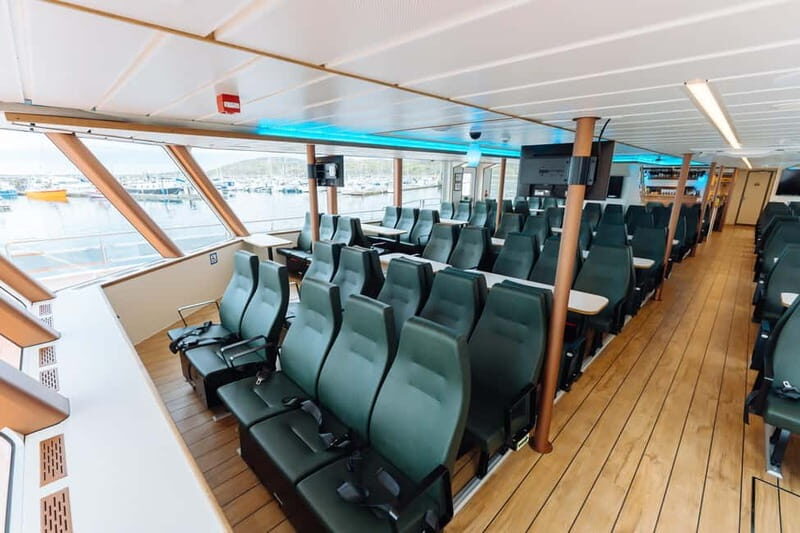
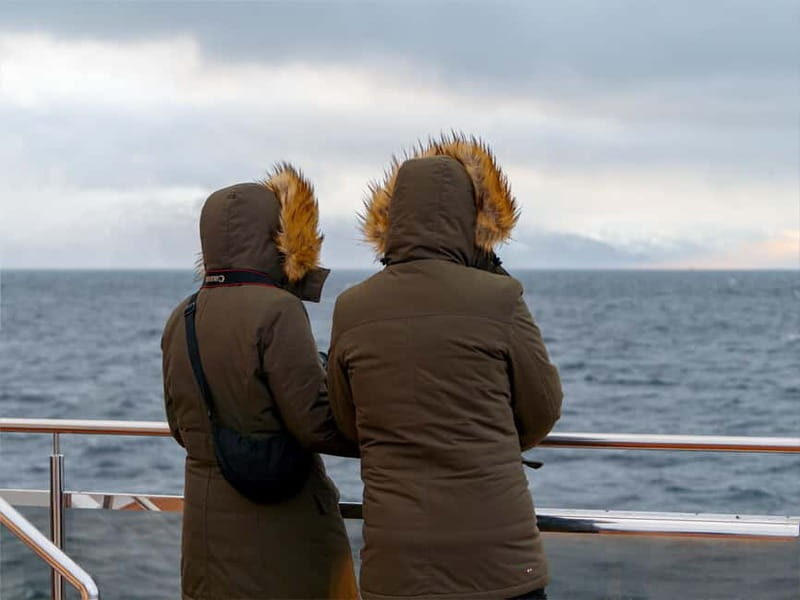
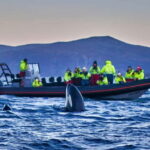
This is Arctic Norway. Even if your cabin is warm, you’ll feel the cold when you go outside for photos or to look directly at the water.
The tour advises you to bring warm clothing, including wool or equivalent. The saloons are heated and comfortable, but it can still be cold out at sea, especially when wind meets movement. I’d plan for layers you can tighten and loosen quickly, not one bulky outfit that turns into a sweat trap.
If you’re sensitive to motion, don’t ignore it. One recent traveler reported getting sick on a day with waves, even though the crew was helpful. That’s a good reminder that winter seas can turn your plans into a survival exercise. If you’re prone to seasickness, bring your preferred remedy and consider taking it before you feel bad.
As for photography, large windows help you shoot without exposing yourself for long. Still, for sharper shots you may want to step outside briefly. Just be smart: warm up inside between those moments so you don’t lose your focus to numb fingers and foggy breath.
The Guides: More Than Spotting, Reading the Water
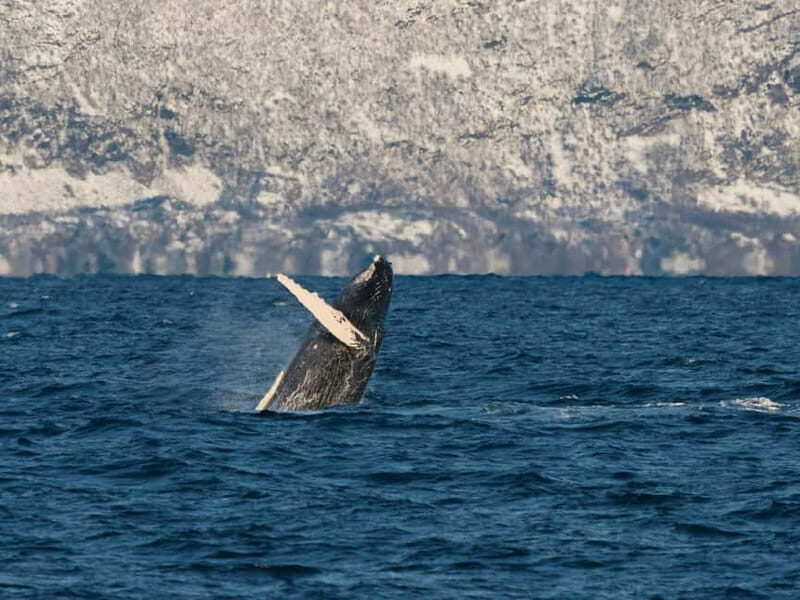
The people leading this tour are positioned to do two jobs at once: find whales and help you interpret what you’re seeing.
You get professional, in-person guides, and the tour runs in English. Guides can help explain whale behavior—things like why whales surface where they do, and what movements might mean during feeding. That kind of context makes the watching more than just scanning for a spout.
A couple of visitors specifically highlighted that guides talked about Norway and the whales. That’s a real value add, because the Arctic can feel like one long gray horizon. When someone explains what you’re looking at, you feel like you understand the day, not just that you got lucky.
And because the captain keeps an eye out continuously, the whole operation is built around responsiveness. If whales appear, the crew adapts. If conditions change, you pivot. That’s exactly what you want on a one-shot trip where you can’t return tomorrow.
Views From Land and Sea: The Lyngen Alps Bus Leg
The bus portion isn’t filler. It’s how the day becomes a complete Arctic picture, not only a sea outing.
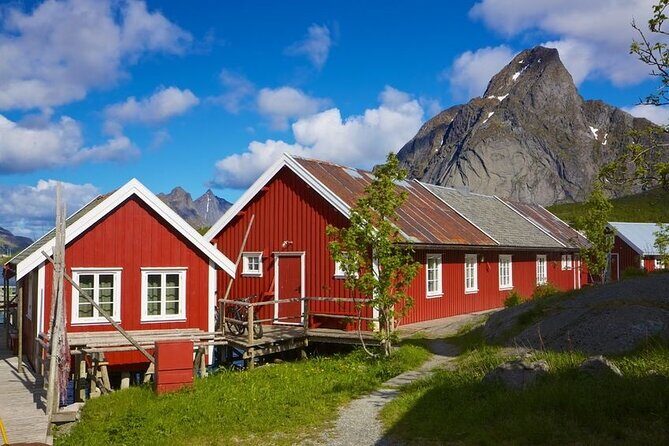
On the boat-first option, you dock in Skjervøy and then ride back past the Lyngen Alps. On the bus-first option, you start with the overland route through backcountry fjord areas and the Lyngen Alps. Either way, you get a long stretch of scenery that helps you reset your mind after whale watching—plus it helps you feel like you saw more than just water.
The value here is simple: on a whale trip, wildlife is the main event, but landscapes are the consolation prize. Having a strong landscapes segment means your day doesn’t collapse if whales are harder to spot.
Food and Drinks: Plan to Buy Onboard
Food and beverages are not included, but you can purchase them onboard. That means you don’t start the day with a guaranteed meal, but you’re not stuck either.
Since the day is about 9 hours, it’s smart to plan snacks or budgeting for onboard purchases if you’re traveling with a sensitive schedule. If you tend to get cold and hungry fast, having something warm to sip can be a comfort win.
Price and Value: Is $208 Fair for This Day?
At $208 per person for a roughly 9-hour experience, you’re paying for several things at once: dedicated whale-search time, a hybrid-electric viewing approach, guides, and both sea and land scenery.
Here’s how I’d judge the value:
- You’re getting about 1.5 hours of focused whale watching. That time is the core product.
- The electric-engine watching is a specific advantage. It’s not guaranteed with every whale tour, and it supports better conditions for viewing.
- You get more than one environment. The boat ride and the bus route past the Lyngen Alps help stretch the day into a full Arctic day, not just “spot whales, then return.”
- You also have an upside if the format changes. If it becomes boat-only due to group size, you could get up to 2 extra hours with whales.
The main trade-off is the classic one: whales aren’t guaranteed. You’re paying for good odds and a well-run search, not a promise of a specific animal. If you can handle that reality, the pricing starts to look pretty reasonable for Tromsø’s high-demand whale season setup.
Who Should Book This Tour (and Who Should Skip)
This trip is a strong choice if you want:
- A hybrid-electric whale-watching approach with quiet viewing practices
- A day that includes both sea time and overland scenery
- Professional English-speaking guides who help you interpret what you’re seeing
- A winter-ready tour where heated lounges reduce discomfort
It might not be your best fit if:
- You can’t handle cold exposure. The outside deck can be windy and chilly, even though the lounges are heated.
- You’re extremely prone to motion sickness. Waves happen, and one recent traveler reported feeling sick.
- You use a wheelchair. The tour states it’s not suitable for wheelchair users.
Should You Book Tromsø Whale Watching With Hybrid Boat and Scenic Bus?
If your priority is whale watching from Tromsø with a serious setup—hybrid-electric quiet mode, panoramic heated viewing, professional guides, and dedicated searching time—this is a solid booking. The $208 price is easier to justify when you consider you’re paying for both the whale-focused mission and the Lyngen Alps scenery payoff.
I’d book it if you’re willing to accept the one honest risk: sightings aren’t guaranteed. If you go in expecting a plan that’s built for whales (not a vague hope), your odds are strong—especially because the tour is designed to give you enough time to find them and watch behavior once they appear.
If you want, tell me your travel month and whether you’re doing this mainly for humpbacks, sperm whales, or orcas. I can help you judge how to set expectations for the season and how to prep for the sea conditions.
FAQ
How long is the whale watching part?
You’ll have about 1.5 hours dedicated to searching for and observing whales.
What whales does this tour look for?
The tour targets humpback whales, fin whales, sperm whales, and/or orcas.
Are whale sightings guaranteed?
No. Whale sightings are not guaranteed, even though the tour advertises a very high success rate.
Do you always travel by boat?
Not always. You may start the day by boat or by bus, depending on your assignment. The operator can also change the tour to be solely by boat if there aren’t enough guests.
Is the tour in English?
Yes, it includes a live tour guide in English.
What’s included in the price?
The price includes the bus and boat journey to/from the whale area, guides, and the 1.5-hour whale-watching session.
Do I need to bring warm clothing?
Yes. You should bring warm clothes, including wool or an equivalent layer, because it can be very cold on the water outside even though the lounges are heated.
Is the tour wheelchair accessible?
No. It’s not suitable for wheelchair users.
Can I cancel and get a full refund?
Yes. You can cancel up to 24 hours in advance for a full refund.