REVIEW · LONGYEARBYEN
Longyearbyen: Wildlife Safari & Hiking Photography Tour
Book on GetYourGuide →Operated by See & Explore · Bookable on GetYourGuide
Svalbard animals come close on this tour. I love the way it keeps wildlife encounters first, then adds hands-on photography help, so you’re not just scanning from the road. The possible drawback is the cold and the hiking time: you can be outdoors up to 3 hours, and the tour does not include warm clothing or boots.
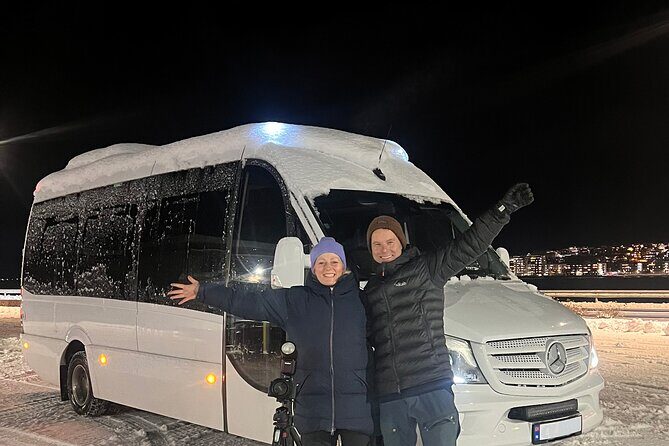
This is a practical small-group safari with hotel pickup and drop-off in Longyearbyen. You’ll ride out of town in a blue van marked SEE & EXPLORE, plus you’ll get warm soft drinks and snacks while you wait for the next chance to photograph. Also, the group is limited to 8, so your guide can actually help you with angles and timing rather than only giving a lecture.
One thing to remember: this is a wildlife-first day, not a checklist-and-go day. The route and stops change with conditions, and they may spend more time watching and photographing than covering ground.
In This Review
- Key highlights you’ll feel right away
- Hotel Pickup in Longyearbyen: Make Sure You’re Ready
- The Driving-and-Watching Safari: Stops Change With Wildlife
- Photo-First Guiding: Getting Better Shots, Not Just More Minutes
- The Flat Hike (Up to 3 Hours): Easy Terrain, Serious Cold
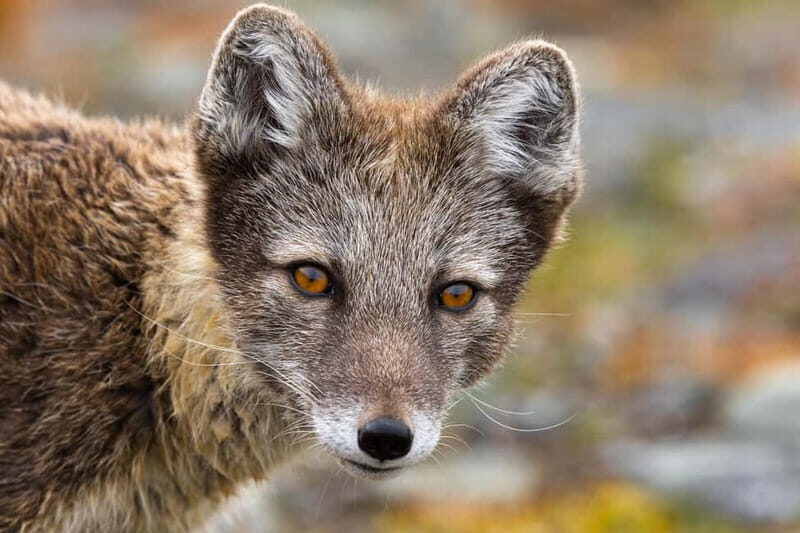
- Wildlife Targets Around Longyearbyen: Reindeer, Arctic Fox, and Ptarmigan
- Seasonal Timing: Late May to Mid-August Is Prime for Birds
- Warm Drinks, Snacks, and the Packing List That Actually Matters
- Price and Value: Why $246 Can Make Sense in Svalbard
- Group Size and Comfort: Small Means Personal Help
- Weather and Wind: The Plan Is to Keep Searching
- Who Should Book This Longyearbyen Wildlife Photography Safari
- Should You Book? A Clear Decision Guide
- FAQ
- How long is the Longyearbyen wildlife hiking and photography tour?
- What does hotel pickup and drop-off include?
- Is the tour good for photography?
- What animals are the tour targeting?
- Does the tour include a hike?
- What time of year is best for birdlife?
- Are warm drinks and snacks provided?
- What should I bring for the weather?
- Are warm clothes and boots provided?
- Is this tour suitable for wheelchair users or young children?
Key highlights you’ll feel right away
- Hotel pickup and return make the day easy, especially after long travel days in Svalbard.
- Photography is built into the tour, with guiding to help you get better frames, not just sightings.
- Wildlife-first pacing means you can stay near reindeer, birds, and foxes until you’ve got what you want.
- A mostly flat hike is included, with outdoors time that can reach up to 3 hours.
- Cold-weather support includes ice spikes for shoes when needed and a headlamp if necessary.
- Target species match the season, with strong birdlife from late May to mid-August.
Hotel Pickup in Longyearbyen: Make Sure You’re Ready
This tour is set up to be simple logistically: you’re picked up from your hotel and returned there afterward. That matters in Longyearbyen, where weather can turn fast and you don’t want to spend the morning figuring out transport.
On pickup, you get a specific time in your confirmation, but the key detail is timing discipline. They start picking people up at the scheduled time at the first stop, then move through the list. You should wait outside your accommodation, and they won’t wait more than 15 minutes for you to appear. The van is blue and marked with the SEE & EXPLORE logo.
If you’re staying in an apartment (like an AirBnB), this one may not match your lodging situation because pickup is from hotels. That’s why I recommend double-checking your lodging category before you book—so your “easy start” stays easy.
You can also read our reviews of more hiking tours in Longyearbyen
The Driving-and-Watching Safari: Stops Change With Wildlife
The day is part driving tour and part walking tour, with the driving used to reach wildlife areas around Longyearbyen. They prioritize finding animals and then spending time photographing them, not rushing past anything that’s behaving well.
You’ll get a “secret stop” for wildlife viewing. In practice, that usually means the guide is watching for the best odds right now, not just following a fixed scenic route. When conditions are rough—like wind or rain—they don’t cancel. Instead, they may stay in the van more often and keep moving or waiting until things improve enough for wildlife activity.
This wildlife-first flexibility is a big reason the day feels authentic. Svalbard isn’t a place where you control the animals. You just show up prepared, then follow the guide’s call on where your best chance is today.
Photo-First Guiding: Getting Better Shots, Not Just More Minutes
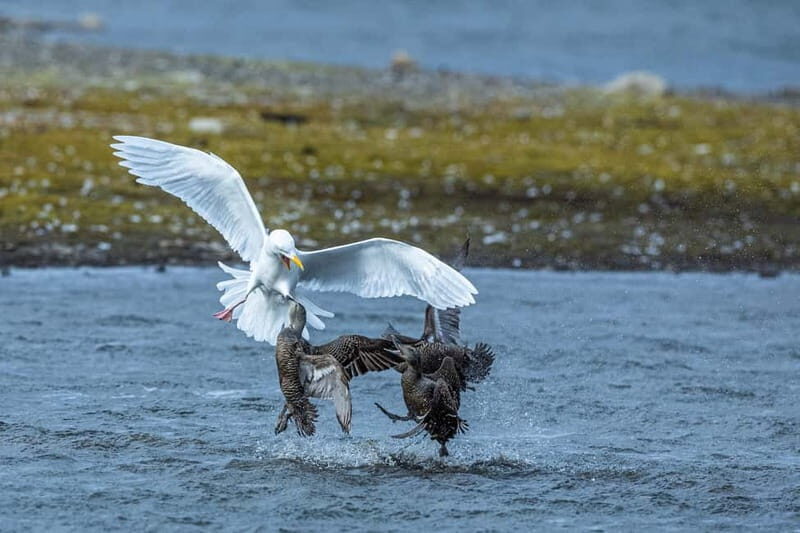
This tour is explicitly a photography-focused experience. That means the guide isn’t only pointing out wildlife; they’re helping you photograph it. You’ll get guidance aimed at improving framing and timing while you’re out there.
One detail I really like: they give priority to taking pictures, and they can stay around wildlife until you’ve captured what you want. That makes a difference if you’re using a phone or a compact camera. You’re not being herded along while you’re still trying to steady yourself.
If you’re into birds, watch for identification help. On past departures, guides such as Ivar have brought a strong wildlife and birding background into the experience—enough to help spot and name birds beyond the headline species. You may also get help identifying seabirds and learning what to listen for.
And yes, this tour is built for real-world conditions. When the guide says to pause, they mean it. Wildlife photo success often comes from patience in the right spot, not sprinting to the next view.
The Flat Hike (Up to 3 Hours): Easy Terrain, Serious Cold
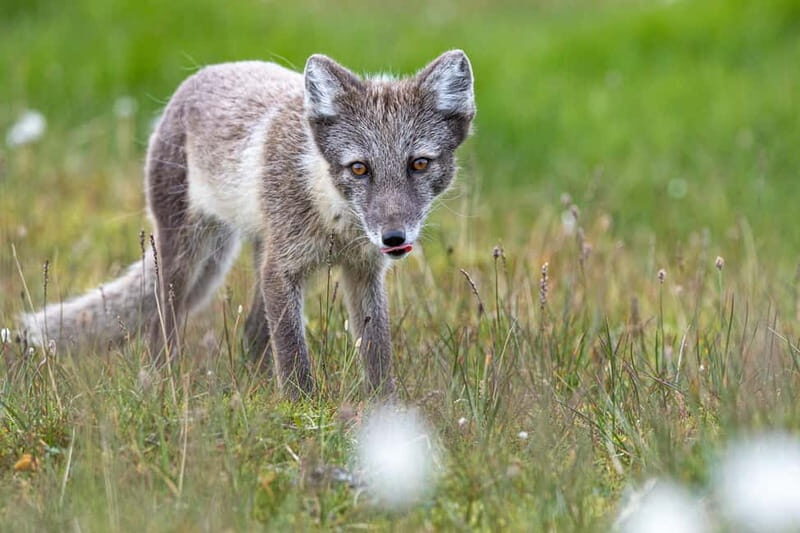
A main part of this experience includes a hike. The good news: it’s described as flat and easy. The careful note: “easy” doesn’t mean “short,” and outdoors time can run up to 3 hours before you get back to the van.
During that hike, you’re also there to look for wildlife. That’s why pace can feel slow at times. The goal is to hold, watch, and shoot when animals show up—not to just reach a destination.
Because you’ll likely be outside waiting, the clothing setup matters a lot. The tour instructions are clear:
- From September to May, you need warm clothing and warm boots.
- From May to September, the ground is often wet, so waterproof hiking boots are necessary.
They also provide ice spikes for shoes when it’s necessary, and a headlamp when it’s needed. That’s a helpful safety layer, but it doesn’t replace warm footwear and gloves.
My practical take: treat this hike like a winter expedition day even if the terrain looks gentle on a map. Your legs can handle the slope, but your hands and feet are what take the hit.
Wildlife Targets Around Longyearbyen: Reindeer, Arctic Fox, and Ptarmigan
This is not a “maybe you see something” tour in spirit. It’s designed around a wildlife focus with priority given to encounters. The targeted species include:
- Svalbard reindeer
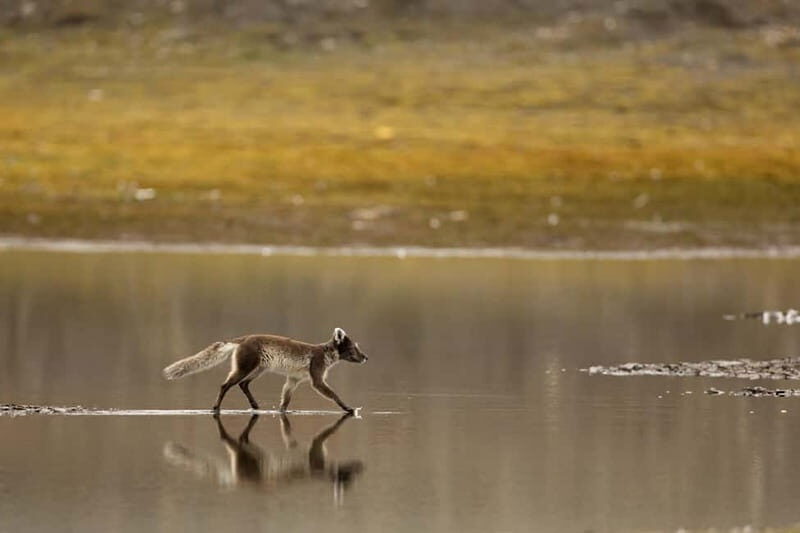
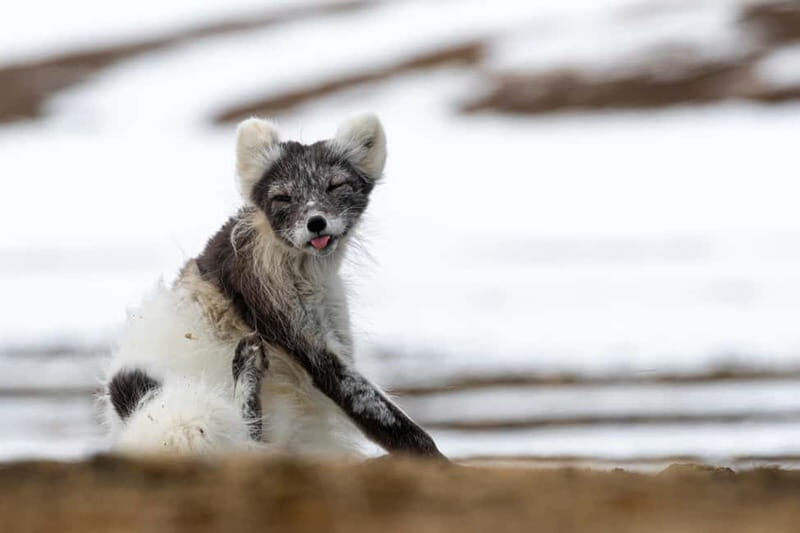
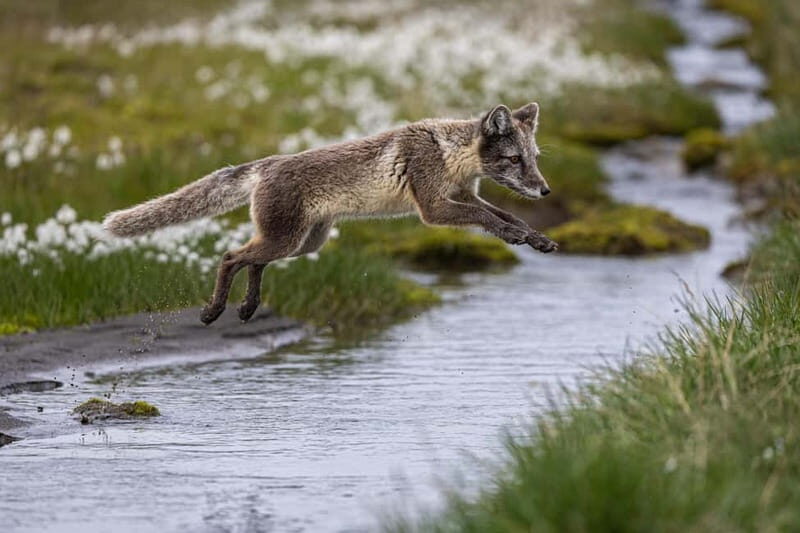
- Arctic foxes
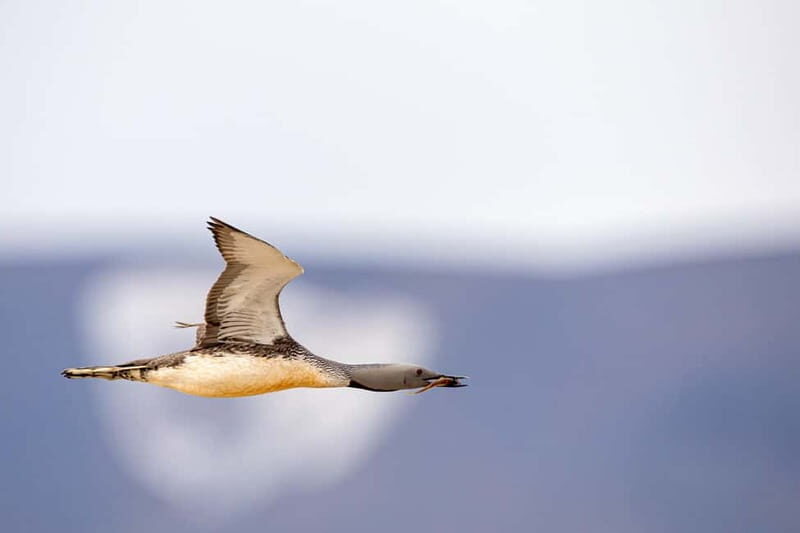
- Svalbard rock ptarmigan (including birdlife connected to this season)
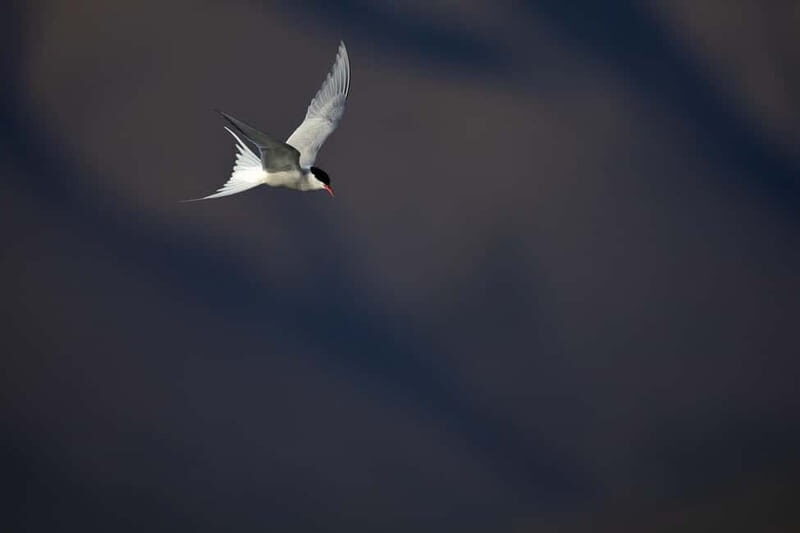
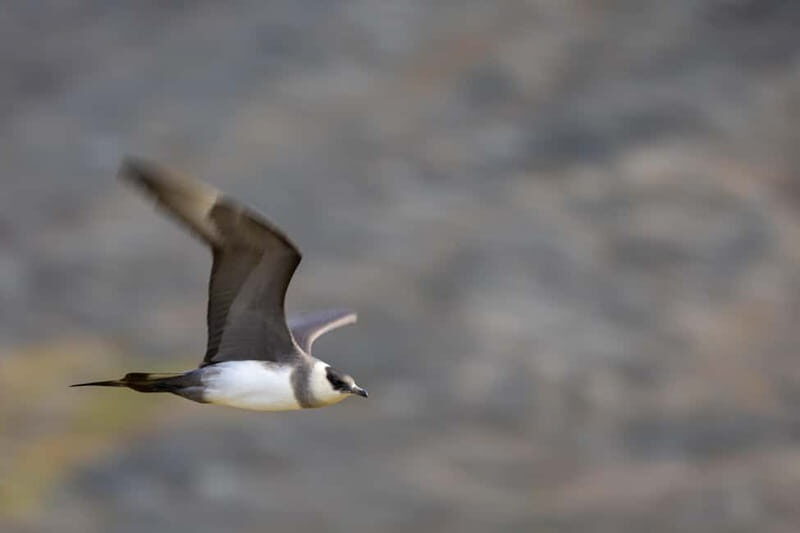
Birdlife can be strong from late May to mid-August. That seasonal window is important because it shapes what you’ll notice and what the guide can realistically work with on a given day.
Timing can change your odds. In mid-October, sightings can be slimmer, so I’d plan your expectations accordingly. Don’t treat a quiet day as a failure of the tour—treat it as part of why Svalbard feels real.
You’ll also likely get information about other birds you encounter. In one example, a guide helped identify seabirds like Purple sandpipers, Common eider, Black-legged kittiwakes, Glaucous gulls, and even referenced the call of Snow Bunting. Even if you don’t become a birder, that kind of guidance turns random spotting into real learning.

Seasonal Timing: Late May to Mid-August Is Prime for Birds
If you’re choosing travel dates around wildlife photography, the season matters here. The tour notes that birdlife from late May to mid-August is especially rich. That’s when you’re more likely to see a broader mix of birds and spend more of the day reacting to new sightings.
Outside that window, wildlife can still be around—but your best moments might shift toward whatever animals are active and visible right now. That’s also when patience becomes extra important: you might spend longer waiting in the right place, or you might spend more time relocating by van if conditions aren’t favorable for walking.
In short, plan your expectations based on season. If you’re traveling for birds, lean toward late spring through summer. If you’re traveling for reindeer and the chance at a fox sighting, you can still have a great day—but don’t anchor your whole trip on one perfect target.
Warm Drinks, Snacks, and the Packing List That Actually Matters
This tour includes warm soft drinks, snacks, and biscuits. That’s not lunch, but it helps you stay functional during outdoor waiting. There’s warmth built into the flow: after hiking time, you’re back at the van to warm up and refuel.
What it does not include is the gear you need to survive Svalbard temperatures. You should bring:
- Warm clothing
- Hat
- Gloves
- Waterproof shoes
- Warm shoes
That’s the core of staying comfortable on a wildlife hike. If you show up with cool boots or thin gloves, you’ll feel it quickly—especially when you stop to photograph and your body isn’t generating heat.
Also note what’s not allowed: smoking is not allowed, including in the vehicle, and alcohol and drugs are not allowed. So if you were thinking of making this a casual day with drinks, skip that idea and keep it focused on the outdoors.
Price and Value: Why $246 Can Make Sense in Svalbard
At about $246 per person for a 5-hour tour, you’re paying for more than a walk in the cold. You’re paying for:
- hotel pickup and delivery
- a local guide with wildlife and photography emphasis
- driving to wildlife areas around Longyearbyen
- warm drinks and snacks during waiting time
- extra support items like ice spikes when needed
The small-group limit (up to 8) also matters for value. In Svalbard, the cost of a group that’s too large is simple: less individual attention, more rushing, and less time spent near animals. Here, the structure supports slower, more careful photography moments.
You’ll still need to budget for what’s not included: warm clothing and boots, and lunch. If you plan ahead and already own serious cold-weather footwear and layers, the price feels easier to justify.
Group Size and Comfort: Small Means Personal Help
This is capped at 8 participants, which is the sweet spot for a photography-and-wildlife day. You’re not lost in the back row. The guide can help you position yourself, and if conditions change, they can adjust without losing control of the group.
That said, small-group van days can mean tight quarters. One experience tied to this tour noted issues with the vehicle being cramped. I’d flag that if you’re sensitive to space or you tend to feel uncomfortable in enclosed vehicles for long stretches. The trade-off is that smaller groups often get better wildlife pacing, so it’s a balancing act.
If you’re comfortable in standard small-vehicle transport and you dress properly for the outdoors, this tour’s format is a strong match.
Weather and Wind: The Plan Is to Keep Searching
Svalbard weather can be stubborn. This tour is designed around that reality: they don’t cancel because of wind and rain. When the weather makes hiking less enjoyable, the tour may shift toward waiting and driving around.
Practically, that means the day still moves. You’re not stuck hoping the sky clears. Instead, you watch for wildlife activity when conditions allow and relocate or pause when they don’t.
My advice: don’t pack only for the forecast. Pack for cold and wet ground and for long stops outside while the guide checks wildlife behavior. If you’re warm enough, you’ll enjoy the waiting part, because waiting is where the best animal moments often happen.
Who Should Book This Longyearbyen Wildlife Photography Safari
This tour fits best if you:
- care about wildlife photography (you want help, not just a ride)
- enjoy nature watching and patience in cold conditions
- can handle a mostly flat hike with outdoor time up to 3 hours
It’s not suitable for children under 6, wheelchair users, or people over 287 lbs (130 kg). It also isn’t ideal for low fitness levels, mostly because you’ll be outdoors for long periods and you might walk and stand in cold weather.
If you’re a birder, wildlife nerd, or someone traveling with a camera (even a phone camera), this style makes sense. It’s also a good fit for people who prefer guided learning over silent sightseeing. You’ll come away with more than a few photos—you’ll get context for what you saw.
Should You Book? A Clear Decision Guide
Book this tour if you want a small-group, photo-first wildlife experience with hotel pickup and warmth breaks built in. The included guiding, photography help, and equipment aids like ice spikes make it a solid value in a remote place where self-guided wildlife days can be harder.
Skip it if you don’t want to spend time outdoors in serious cold, or if you’re hoping for a casual walk with minimal waiting. You’re also better off choosing a different option if you can’t manage a hike up to 3 hours, even if it’s flat.
If you’re planning around late May to mid-August, your bird expectations can be stronger. If you’re traveling later in the year, keep the mindset flexible and focus on the day as a chance to learn wildlife behavior and capture real moments.
FAQ
How long is the Longyearbyen wildlife hiking and photography tour?
The tour lasts 5 hours.
What does hotel pickup and drop-off include?
Pickup and delivery from your hotel are included. The pickup process starts at the scheduled time for the first location and then moves through other hotels.
Is the tour good for photography?
Yes. The tour has a photography focus and includes guiding and help for better pictures while seeking wildlife.
What animals are the tour targeting?
The wildlife focus includes Svalbard reindeer, Arctic foxes, and Svalbard rock ptarmigan birds.
Does the tour include a hike?
Yes. It includes a main hike described as flat and easy, with outdoor time sometimes up to 3 hours.
What time of year is best for birdlife?
The tour notes rich birdlife from late May up to mid-August.
Are warm drinks and snacks provided?
Warm soft drinks, snacks, and biscuits are included. Lunch is not included.
What should I bring for the weather?
Bring warm clothing, a hat, gloves, waterproof shoes, and warm shoes.
Are warm clothes and boots provided?
No. Warm clothing and boots are not included, so you’ll need to bring your own.
Is this tour suitable for wheelchair users or young children?
No. It is not suitable for wheelchair users, and it’s not suitable for children under 6 years old.