REVIEW · TROMSO
Silent Whale Watching by Hybrid-Electric Boat from Tromsø
Book on Viator →Operated by Brim Explorer · Bookable on Viator
Silent boats change everything for whale watching. On Brim Explorer’s hybrid-electric cruise, you’re not just drifting toward wildlife—you’re trying to find it with low-noise sailing that helps reduce disturbance in the whales’ feeding areas near Tromsø.
I especially like how the crew runs a real wildlife search, not a casual sightseeing lap. They’ll stop the engine when whales are close, keep you informed with onboard talks, and manage the hunt in the best spots they can reach. The big consideration is that it’s still a long Arctic day, and whale viewing time can be short if the animals are far out, hidden by weather, or simply not in the area.
In This Review
- Key Points Worth Knowing Before You Go
- Why This Silent Cruise Works for Orcas and Humpbacks
- Route Highlights: Lighthouse Views, Skjervøy Feeding Waters, and the Return Past Tromsø
- The Whale Hunt: What You Do Once You Reach Kvaenangen
- Boat Comfort and Setup: Warm Cabin, Crowds, and the Wi-Fi Reality Check
- Timing and Conditions: Why the Long Day Can Feel Tough
- Who This Tour Is Best For (and Who Might Want a Backup Plan)
- Value for Money: Is $214.85 Worth It?
- Should You Book Silent Whale Watching from Tromsø?
- FAQ
- How long is the silent whale watching tour from Tromsø?
- Where do I meet, and where does the tour end?
- What whales are you likely to see on this cruise?
- Is whale spotting guaranteed?
- When are whales typically around Tromsø?
- What is the cancellation policy?
Key Points Worth Knowing Before You Go
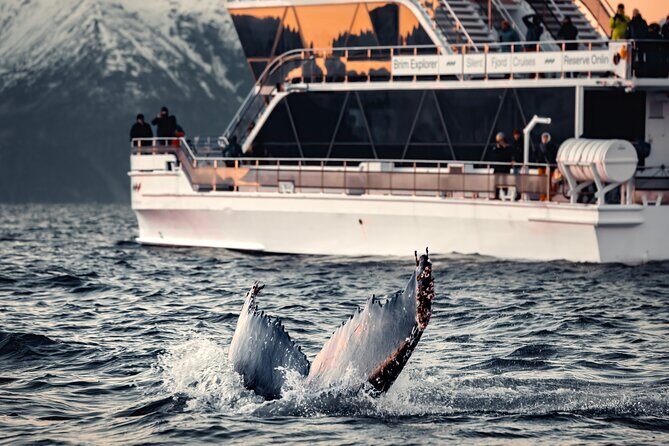
- Hybrid-electric, silent running helps keep whales calm during close viewing
- Skjervøy herring grounds are a prime reason humpbacks and orcas show up here
- Engine-off moments happen when whales are near, which many people feel makes the experience more ethical
- Long travel time vs. whale time can vary a lot depending on conditions and sightings
- Warm interior + hot drinks/snacks for purchase make the cold day more manageable
- Polar season matters: whales are typically around late October through end of January
Why This Silent Cruise Works for Orcas and Humpbacks
Tromsø is famous for winter wildlife, but whale watching here is not about luck alone. It’s about reducing noise, choosing the right waters, and staying patient while captains and guides scan for movement in dark fjords and shifting weather.
That’s where the silent engine approach matters. Even if you love animals, a loud boat changes the mood fast—whales react, behavior shifts, and you get less natural “show.” With Brim Explorer’s hybrid-electric setup, the goal is a calmer environment. In practice, people really noticed the ethical approach: they’ll pause the engine when whales are nearby, and the whole operation feels designed to avoid spooking animals.
The second big reason this tour hits for wildlife lovers is the crew’s role. You’re not just along for the ride. Guides provide ongoing explanations about what you might be seeing and how the animals typically behave in these waters. Some days that turns into a steady run of sightings; other days it becomes a learned lesson in how hard the hunt can be when the ocean decides to be moody.
You can also read our reviews of more boat tours in Tromso

Route Highlights: Lighthouse Views, Skjervøy Feeding Waters, and the Return Past Tromsø
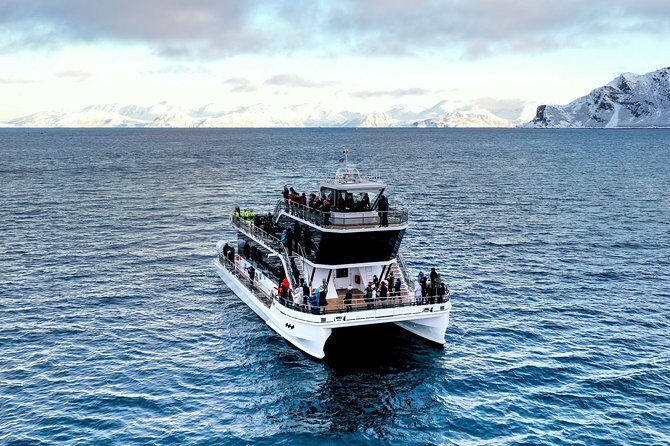
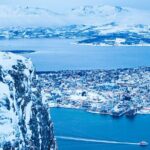
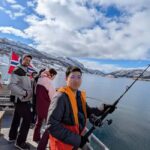
Even before you reach the whales, the route gives you real Arctic scenery and a sense of place. On the way out, the boat passes Lyngstuva lighthouse, perched at the peak of the Lyngen Alps. It’s the kind of viewpoint that makes you understand why people come to northern Norway in the first place: steep mountains, cold water, and that winter light (or lack of it) that makes everything look sharper.
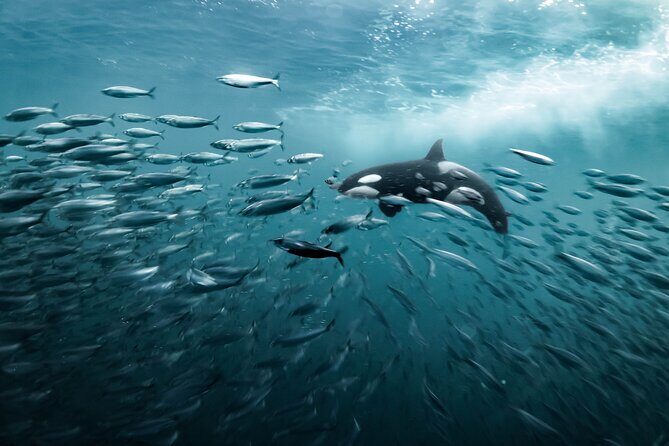
As you move toward the whale areas, you reach the town of Skjervøy, where the herring are a major reason predators gather. This matters because whale watching is food chasing. When the herring are in the right zone, humpbacks and orcas are more likely to show up and feed.
On the return to Tromsø, you sail past the Arctic Cathedral, set at the end of the Tromsø bridge. It’s a quick cultural punctuation mark after a day focused on wildlife and weather.
The Whale Hunt: What You Do Once You Reach Kvaenangen
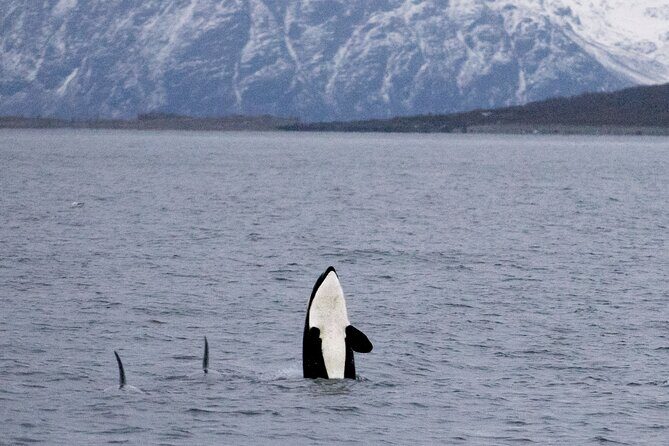
Once you’re in the search area—often around Kvaenangen Municipality—you typically spend about 1–2 hours with the whales, depending on how quickly they’re found and how long they stick around. That timing is the heart of the day. Everything else is the trek.
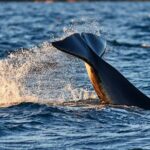
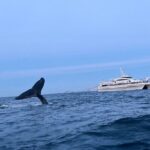
Here’s the honest reality: there’s no guarantee on seeing whales. Even with skilled captains, you’re working with migrating animals, shifting currents, and winter weather that can hide a dorsal fin in seconds. Some people have described being out there for only a few short minutes with little action; others got long, active encounters with orca pods and humpbacks.
Also, watch how the operation works. The boat relies on active searching and the crew’s spotting ability, and conditions can make that harder—especially with snow, heavy cloud, or rough seas. One recurring theme in the feedback is that when whales do appear, the captain seems to stay on top of them—turning the boat to keep sightings going. When they don’t appear, you don’t get the illusion of certainty. You just get the best effort, and the fjord is still stunning to look at while the crew scans.
Boat Comfort and Setup: Warm Cabin, Crowds, and the Wi-Fi Reality Check
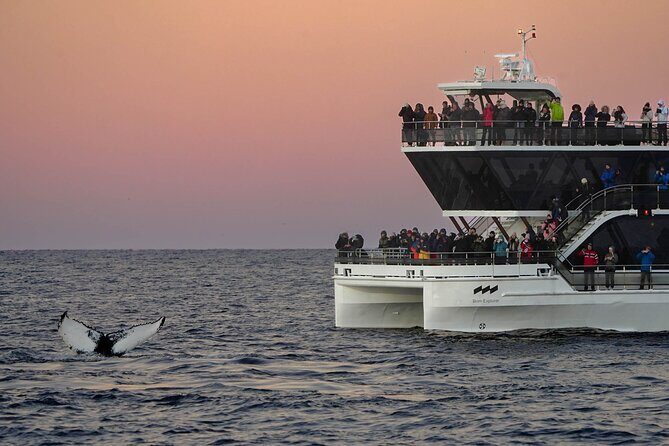
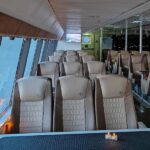
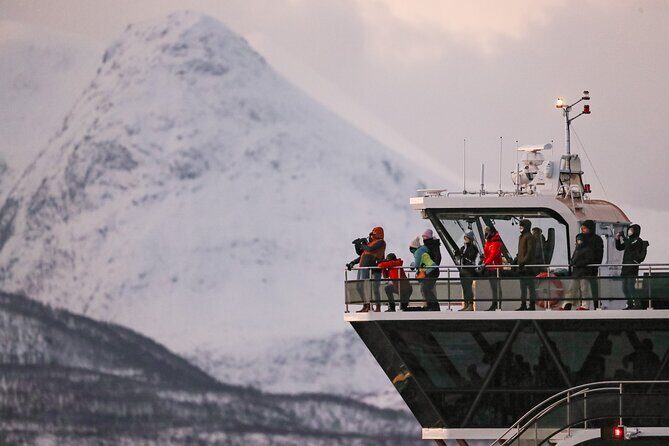
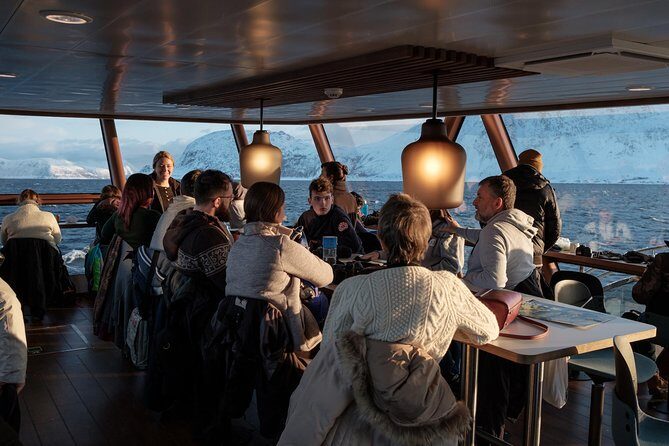
Brim Explorer’s boat gets strong praise for comfort. People talk about a warm cabin, comfortable seating, and good onboard organization. In winter, that matters as much as whales do. Even if the deck is icy and wind can bite, the inside gives you a base to wait, warm up, and listen to the crew’s talks.
The boat also has a key ethical component: the silent approach and engine-off behavior around wildlife. That’s not just marketing. You feel it in how people describe the experience: less chaotic, less forced, more respectful.
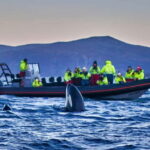
One practical heads-up: group size can feel big. The tour has a maximum of 140 travelers, and during some departures the boat can feel busy, with people pushing for visibility. If you hate crowding, plan to arrive early for the best chance at a viewing spot, and expect that whale watching can involve standing shoulder-to-shoulder.
Then there’s Wi-Fi. The experience is advertised with onboard Wi-Fi, and at least one person reported Wi-Fi working during their trip. But another review noted that you could connect without full internet access. Translation: don’t count on Wi-Fi to stream, update social media, or do work like you would on shore.
Food is another area where expectations need managing. Several reviews mention snacks and drinks available for purchase, with items like hot drinks, hot chocolate, cinnamon buns, and basic meals (some described soups and pizza buns). Some people also mention free coffee refills. Still, if you want a specific meal, bring your appetite plan: you may need to buy along the way.
Timing and Conditions: Why the Long Day Can Feel Tough
This is where many people’s experiences diverge.
The outing runs roughly 7 to 9 hours, and a large chunk of that is traveling out and back through fjords. Many days include around 3 hours to reach the whale zone and a similar amount returning, with whale time varying from day to day. That means even a successful day may still feel like a long wait—especially if you’re prone to motion sickness.
Rough water is a real possibility in these waters. Feedback includes warnings to take seasickness tablets, and reports of bumpy rides that lasted longer than expected. Even if the boat is comfortable, winter seas can still shake you around, and icy decks are slippery when waves hit.
Light levels also matter. In the polar season when whales are around (late October through end of January), daylight can be limited. One person felt their departure time reduced their ability to spot whales clearly because it was darker by the time they reached the best viewing area. This isn’t a dealbreaker—just something to keep in mind when you’re booking for winter darkness. Clearer visibility can make spotting easier.
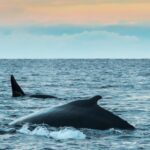
One more variable: whale behavior. Even when whales are present, they may stay far out or surface briefly. Some people reported sightings from quite a distance, while others described longer, more constant activity when the captain got the timing right.
You can also read our reviews of more whale watching tours in Tromso

Who This Tour Is Best For (and Who Might Want a Backup Plan)
If you’re a wildlife-first traveler—someone who can handle waiting, scanning, and uncertainty—this tour fits well. You’ll also appreciate it if you care about silent, low-disturbance viewing, not just chasing a checklist photo.
It’s a great match for:
- People who want to maximize the odds for humpbacks and orcas using a quiet approach
- Travelers who enjoy learning about the area and whale behavior during the trip
- Anyone who can tolerate a long day in cold weather and rougher seas
You might want to think twice if:
- You’re sensitive to motion and hate long open-water rides
- You get frustrated when the main activity is weather-dependent (because it is)
- You strongly prefer smaller groups for viewing flexibility (this tour can have many people aboard)
A good strategy is to treat the cruise as both whale watching and Arctic scenery with a real shot at wildlife—rather than a guaranteed whale encounter.
Value for Money: Is $214.85 Worth It?
Let’s talk value like you would with a friend: you’re paying for three things—access to the feeding zones, a quiet/ethical approach, and a comfortable winter vessel that keeps you warm while you wait.
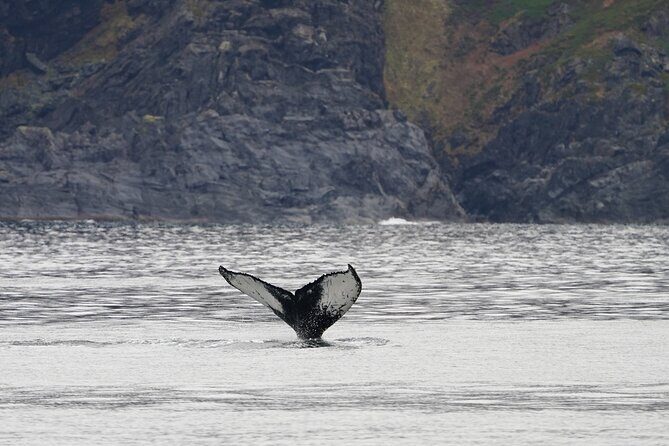
At $214.85 per person, the price isn’t cheap. When whales show well, the day can feel like a strong bargain because you get real wildlife time (often 1–2 hours) and multiple sightings. People described everything from humpbacks to orcas, plus other whale species like fin whales on certain days. Add the onboard talks, warm cabin comfort, and strong crew professionalism, and it can feel like a bucket-list experience.
When whales are quiet or far away, the value drops fast for some travelers—especially if the trip feels like mostly transit with limited viewing. A few accounts described short whale contact windows and heavy time on the water. That’s not anyone’s fault; it’s how this region works. But it’s still why you should go in with realistic expectations.
Food is not the full value engine here. Expect that you can buy snacks and meals onboard, and some drinks may have free refills for certain items (like coffee), but don’t assume a full lunch is included. If you’re strict about meal planning, pack extra snacks just in case.
Should You Book Silent Whale Watching from Tromsø?
Book it if whales are a top priority and you like the idea of quiet searching rather than a loud chase. The silent engine approach, the engine-off behavior around whales, and the crew’s active spotting style are standout reasons to choose this over a typical sightseeing cruise.
Skip it or look for an alternative if you’re extremely sea-sensitive, can’t handle long transit days, or expect a guaranteed close-up. This is wildlife watching. Some days you get a steady show; other days you get movement at a distance—or none at all.
My practical advice: if you do book, bring warm layers, seasickness prevention, and a patient mindset. Then you’ll be ready for the best part—when the captain finds whales and you realize the silence is exactly what makes those moments feel special.
FAQ
How long is the silent whale watching tour from Tromsø?
It runs about 7 to 9 hours, depending on how the day unfolds.
Where do I meet, and where does the tour end?
You meet at Brim Explorer Tromsø (Kaigata 6, 9008 Tromsø, Norway). The activity ends back at the meeting point.
What whales are you likely to see on this cruise?
You’re primarily looking for humpback whales and orcas. Some people also reported seeing fin whales during their trips.
Is whale spotting guaranteed?
No. The tour does not guarantee sightings, though the captains and guides will try their best.
When are whales typically around Tromsø?
Whales migrate and are generally around Tromsø from late October until the end of January.
What is the cancellation policy?
You can cancel for free up to 24 hours in advance for a full refund. After that window, refunds depend on the timing relative to the start time.