REVIEW · TROMSO
From Tromso: Whale Watching in Magic Skjervoy
Book on GetYourGuide →Operated by Green Gold of Norway AS · Bookable on GetYourGuide
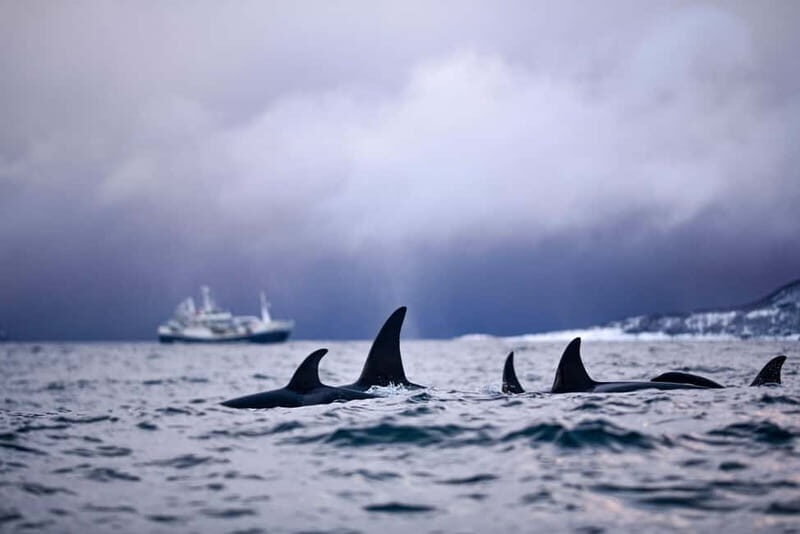
Orcas can feel shockingly close in winter. This trip turns a rough arctic drive into a small-boat wildlife moment, with RIB whale time and close-up cetaceans chasing herring, while a long day and choppy water are real trade-offs.
I like how the day is built for maximum time on the water, not sightseeing fluff. From 5:20 a.m. pickup at Prostneset Bus Terminal (behind Magic Ice Bar) to the warm changing room after, it’s a practical push toward whale sightings—just be ready for cold and a bumpy ride.
You’ll get proper gear (thermal flotation suits, balaclavas, ski goggles, waterproof boots) and a proper payoff: hot drinks, biscuits, and baguette sandwiches back at the clubhouse, plus photos from the excursion and a year of orca documentary access.
In This Review
- Key things to know before you go
- Leaving Tromsø at dawn: the fjord drive you can actually enjoy
- Prostneset to RIB: how the gear setup keeps you safe and warm
- The RIB experience: why small-group viewing matters when whales surface
- Orcas, humpbacks, and the Skjervøy herring buffet
- Crew skills, rules, and getting the best possible sighting
- Timing, warmth breaks, and the clubhouse reset
- Photography and small comfort wins that help you enjoy it
- Price of $356: is it worth it, and what you actually get
- Who should book, and who should skip this RIB whale trip
- Booking call: should you choose this whale-watching day
- FAQ
- Where do I meet in Tromsø?
- How long is the tour, and how much time is spent on the boat?
- What gear is included, and what should I bring?
- How many people are on the RIB?
- Is the guide available in English?
- Who is this tour not suitable for?
Key things to know before you go
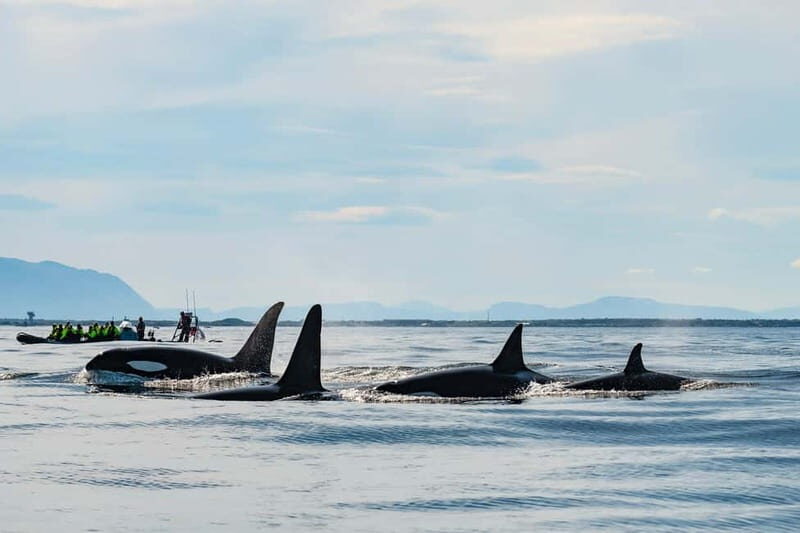
- Small-group RIB rides (4–12 people) mean you’re not packed in like sardines when the whales show up.
- 2.5–3 hours on the water is the core of the day, with frequent guidance on where the whales are.
- Thermal flotation suits and full winter gear are included, so you don’t have to gamble on renting the right stuff.
- Orcas and humpbacks chase herring during winter migration around Skjervøy, so you’re hunting a natural feeding frenzy.
- Expect sound, spray, and motion: the RIB is fast and can get rough, which matters if you get seasick.
- Your guide and captain make a difference; some trips are led by guides such as Kristina or Bridget, with skippers like Brigit on the helm.
Leaving Tromsø at dawn: the fjord drive you can actually enjoy
This is an early morning mission. You meet at Prostneset Bus Terminal in Tromsø, ground floor behind Magic Ice Bar, aiming to arrive no later than 5:20 a.m., with departure at 5:30 a.m. If you’re the kind of person who hates being rushed, set two alarms and plan to grab coffee fast before boarding the big red bus.
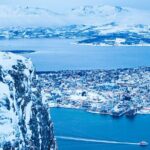
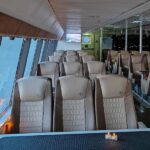
Once you’re underway, the drive is part of the experience. You’re heading to Skjervøy through dramatic winter scenery and cold northern light, and the bus ride is comfortable enough to keep you functional before the RIB portion. Several people note the coach feels well set up (toilets, and sometimes even WiFi/USB outlets), which is helpful when you’ve had to wake up before the sun.
One smart mindset: treat the drive as warm-up time. You’re going to get fully suited up shortly after arrival, and you’ll want your hands free to help with zippers, layers, and getting your footing right before you head out.
You can also read our reviews of more whale watching tours in Tromso
Prostneset to RIB: how the gear setup keeps you safe and warm
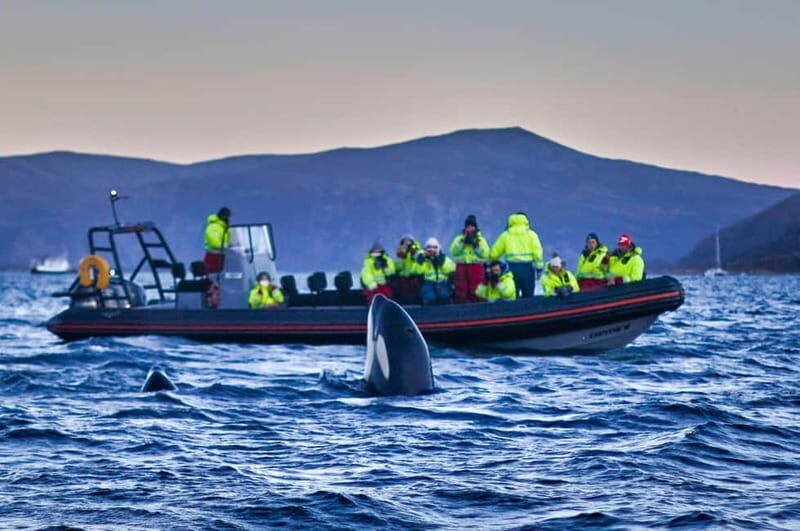
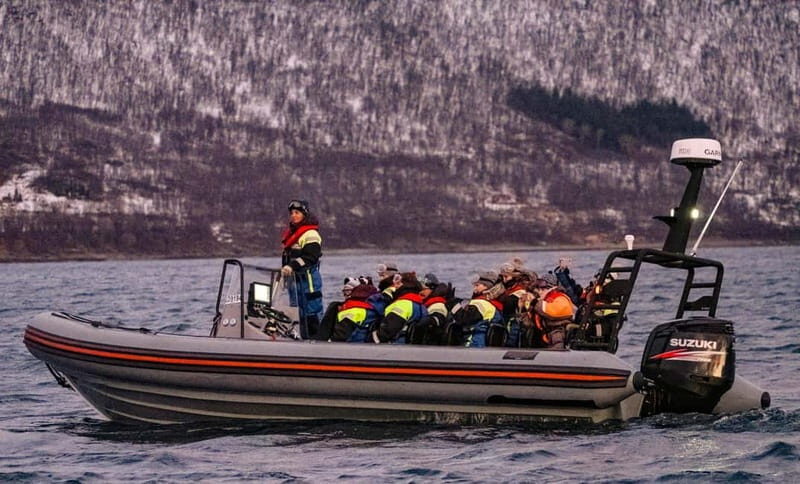
The best whale-watching tools in the Arctic are rarely binoculars. They’re your layers and the fact that the operator hands you real winter protection. You’ll gear up on arrival with warm flotation suits plus mittens, balaclavas, waterproof boots, and ski goggles. That’s a lot of coverage, which matters when wind cuts straight through.
Plan to wear as much warm clothing as you can under the flotation suit. Then bring an extra set of clothes for after. Even with good gear, the water can splash, and once you’re done on the boat, you’ll want to change quickly so you don’t spend the ride back chilled.
A practical note from real-world boat time: the gear can feel a bit awkward at first. Getting into it can be stressful if you’re rushing, and movement on the RIB is limited because the suit and seating reduce how much you can rotate your body. If you want more stable photos or video, you’ll also want to manage your camera movement so you’re not constantly fighting your suit.
The RIB experience: why small-group viewing matters when whales surface
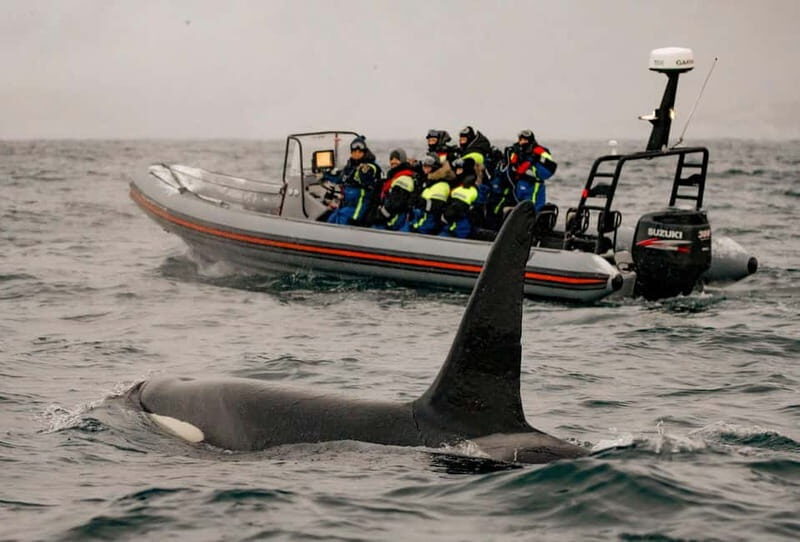
The heart of the day is the rigid inflatable boat, built for fast travel and close searching in fjords. Your group is kept small—typically 4 to 12 people per boat—which changes the feel instantly. You get room to shift, lean, and react when a blow or breach appears.
The downside is also real: the RIB ride can be lively. Expect speed and choppy water, with more sound and motion than a calm sightseeing cruise. Several people describe it as rough enough to consider seasickness. If you’re prone to getting sick in boats, I’d take that warning seriously rather than hoping you’ll be fine.
Also, you should know the viewing is naturally uneven. Even with a skilled captain, whales move, and attention shifts fast. One common photography frustration is that actions may happen on one side more than the other, so your shots can get blocked by the person in front of you. If you’re planning to bring a heavier lens, positioning helps.
Orcas, humpbacks, and the Skjervøy herring buffet
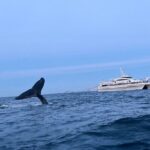
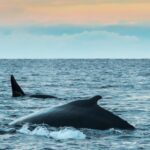
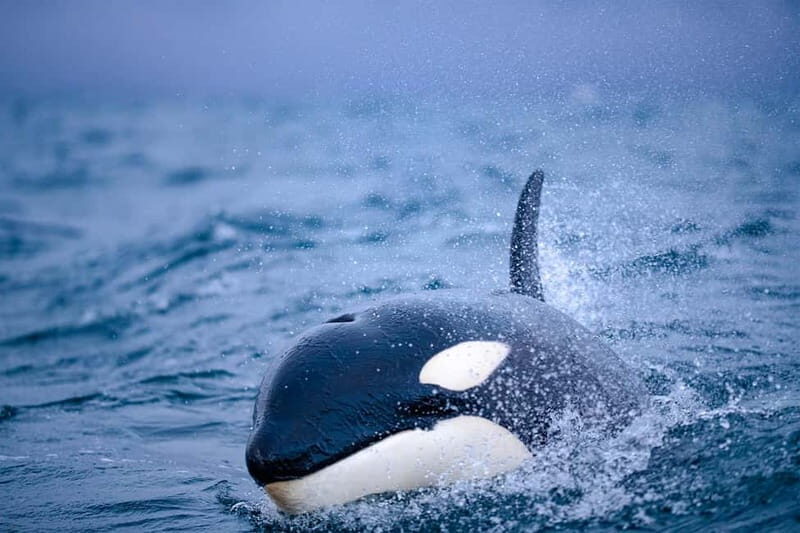
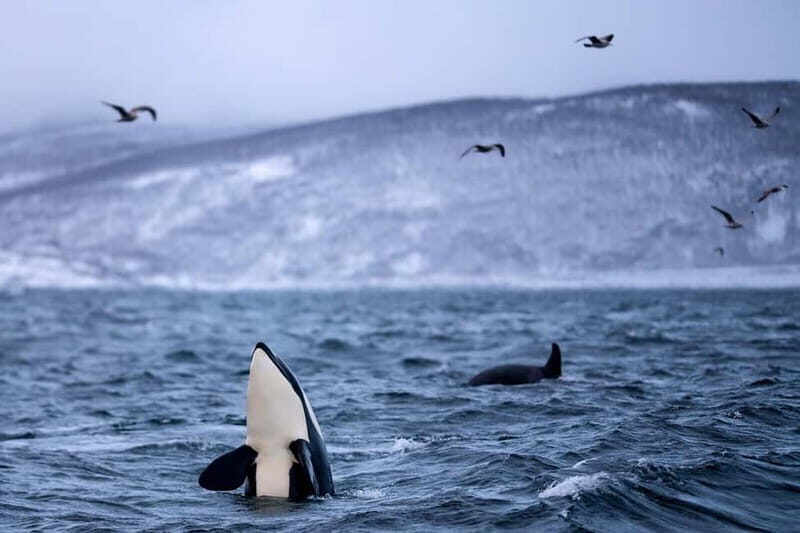
This isn’t random scanning. The tour is aimed at a winter feeding situation: humpback whales and powerful orcas in the Skjervøy fjords as they chase herring. When it clicks, it can be absolute overload—in the best way.
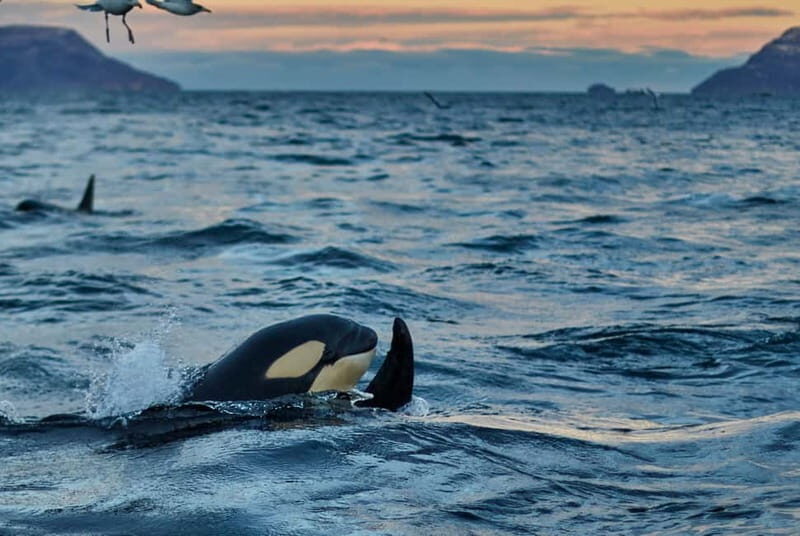
People have reported scenes like pods of orcas and multiple humpbacks feeding close to the boats, including dramatic moments when orcas come right up of their own accord. In some experiences, the orcas approach within about 10 metres, and humpbacks can surface within striking distance as well. That kind of proximity is why this trip feels different from a far-off whale-spotting tour.
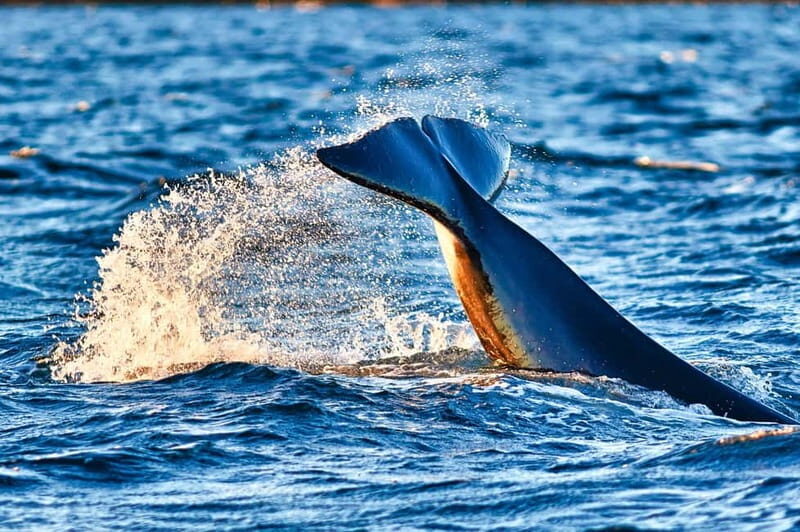
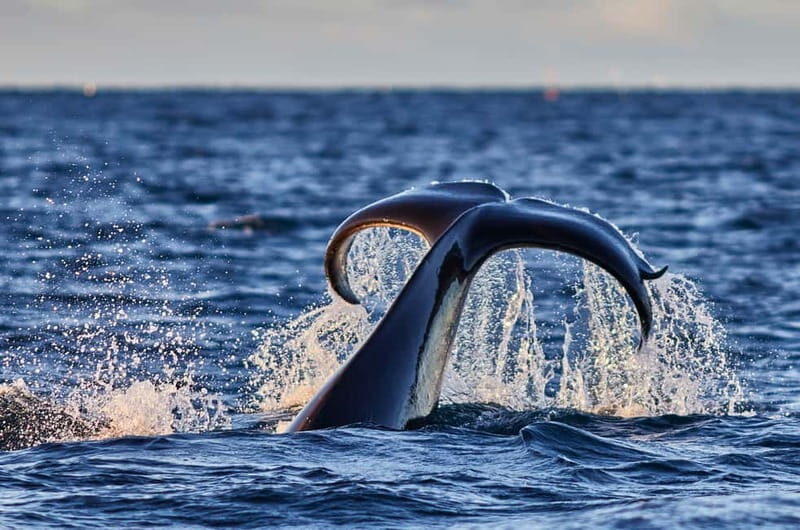
What I like is that the guides actively track behavior and direction. They keep calling out where animals are moving so you don’t miss the key seconds: the breach, the tail slap, the lift of a fin, the moment a feeding event becomes visible.
Just remember the natural reality check: whales are wild animals. Even with a strong crew and good timing, the day depends on weather, sea conditions, and where the cetaceans choose to feed.
Crew skills, rules, and getting the best possible sighting
The operator behind this trip, Green Gold of Norway AS, runs the whole operation with an experienced team, including captains and guides who know how to work the fjords. You’ll feel that competence during the briefing and while you’re out on the water.
One subtle thing that matters: how crews handle other boats and distance. In one example, someone specifically praised that the team respected safety and rules rather than encouraging aggressive close contact. That’s not just “nice behavior.” It helps keep the animals calm, and it reduces the chaotic scramble that can ruin everyone’s viewing.
In practical terms, you’ll also notice how the boat behaves during sightings. Some sightings come with stopping or slowing down so you can actually watch rather than just ride past. When the orcas are on the move, you’ll keep searching, but when they settle into feeding, the pace changes.
Guides can vary by day. People mention guides such as Kristina and Bridget as particularly helpful, and captains like Brigit handling fast conditions with confidence. The common thread is clear communication: you get updates on where to look and what you’re likely seeing.


Timing, warmth breaks, and the clubhouse reset
This is a long day: about 12 hours round trip, with roughly 2.5 to 3 hours spent on the water. That means you can’t treat it like a quick half-day adventure. The time commitment is part of why the experience is so focused.
After the RIB portion, you warm up in a clubhouse with a changing room, tea, coffee, biscuits, and fresh baguette sandwiches. Several people mention these breaks as genuinely welcome—especially after getting wet or spending hours in wind.
There’s also the added convenience of photos from the excursion. That’s helpful if your hands are cold and you’re focused on staying balanced rather than snapping the perfect shot. One year of access to an exclusive documentary series about orcas is included too, which is a nice way to keep the story going after you’re back in Tromsø.
And yes, the return ride can be long and cold. Having a plan for keeping your core warm matters.
Photography and small comfort wins that help you enjoy it
Cold weather turns photography into a battle against physics. Your hands will get stiff, and the suit restricts how you can rotate. Digital cameras can be harder to use because of limited space on the boat and the way you’re seated and secured.
A few practical tips that match what people experienced:
- Keep your gear protected from splash. A phone or camera cover helps if you’re using a digital device.
- If you’re using a camera lens, a moderate zoom like a 24–105mm has been reported as ample. Larger prime zoom lenses can be tricky due to space and movement.
- If you want better viewing and angles, sit where you can see past other people. For people with bigger lenses, sitting at the front has helped.
- Bring a charger strategy. One common issue is that repeated video in cold weather eats battery life fast.
Also consider simple comfort solutions. If you find the RIB noise makes it hard to hear introductions, bringing small audio solutions (like your own listening method) could help you catch more of the info when the action pauses.
Price of $356: is it worth it, and what you actually get
At $356 per person, this is not a “when you’re nearby” activity. It’s a splurge, and you should evaluate it like one.
Here’s what’s included that helps justify the cost:
- Bus transfer from Tromsø and back
- A professional RIB whale-watching excursion in a small group
- Full flotation-suit style winter gear (plus ski goggles, mittens, balaclavas, waterproof boots)
- Hot drinks and biscuits, plus baguette sandwiches after
- Photos from the excursion
- One year access to an exclusive orca documentary series
That package matters because it removes a lot of hassle. You’re not organizing transport, renting gear, or improvising warmth. You’re paying for an operational team that gets you to a strong whale area during a specific winter window (October through late January).
Value tip: don’t compare this only to cheaper tours that may send you out on larger boats or for less time on the water. Compare it to the whole day experience—gear quality, time outside, group size, and the chance of close encounters.
Who should book, and who should skip this RIB whale trip
This is a high-motion, cold-water type of outing. The tour also lists a medium difficulty level and specific limits.
You should be cautious if you have:
- heart problems, respiratory issues, epilepsy
- mobility impairments or back problems
- claustrophobia
- pregnancy
- if you exceed 120 kg (264 lbs) or are under 140 cm (55 inches)
If you know you get seasick quickly, treat that as a deal-breaker or choose a gentler option. Several people found the ride manageable even in rough conditions, but the consistent theme is that the sea can be rough. You don’t want to find out the hard way at 5:30 a.m.
Who it suits best:
- You want close-up wildlife in a fjord setting, not a distant viewing platform.
- You like hands-on nature experiences and can handle the cold.
- You want a smaller, more focused boat group.
- You value guides who guide actively during sightings.
Booking call: should you choose this whale-watching day
If you’re chasing orcas and humpbacks during winter migration and you want a tight small-boat experience, I think this is a strong choice. The combination of included winter gear, a small-group RIB, and a day built around whale feeding windows is exactly how you maximize your odds of a memorable encounter.
Book it if you can handle:
- an early start and a long day
- the reality of cold and possible spray
- the speed and motion of a RIB
Skip it if:
- you’re medically in a listed risk group
- you know seasickness stops you from enjoying boat days
- you need a calm, low-motion outing
If you’re ready to play the Arctic game—layers on, camera protected, patience for wild animals—this is the kind of day that sticks.
FAQ
Where do I meet in Tromsø?
You meet at Prostnestet Bus Terminal in Tromsø (ground floor behind Magic Ice Bar). Plan to arrive by 5:20 a.m., and the departure time is 5:30 a.m.
How long is the tour, and how much time is spent on the boat?
The total tour time is about 12 hours round trip. You spend about 2.5 to 3 hours on the rigid inflatable boat.
What gear is included, and what should I bring?
Warm flotation suits, mittens, balaclavas, waterproof boots, and ski goggles are provided. You should bring warm clothing to wear underneath, and an extra set of clothes to change after the excursion.
How many people are on the RIB?
The RIB boats carry about 4 to 12 participants.
Is the guide available in English?
Yes, the tour is conducted in English.
Who is this tour not suitable for?
It is not suitable for pregnant women, people with back problems, mobility impairments, claustrophobia, heart problems, respiratory issues, epilepsy, people over 120 kg (264 lbs), people under 140 cm (55 inches), or people with pre-existing medical conditions.