REVIEW · BERGEN
Food and Culture walk
Book on Viator →Operated by Bergen Base Camp · Bookable on Viator
Bergen tastes better with stories in your ear. This 3-hour Food and Culture walk turns two of the city’s most important spots—the fish market area and Bryggen—into a guided lesson on how Bergen eats, trades, and lives. It’s built for small groups (max 15) and runs in English with a mobile ticket.
I especially like the food tastings that feel traditional, not generic, with standouts like fish cake and brown cheese on a cinnamon roll. And I love how the guide connects each bite to what happened here over the centuries, with guide names like Ole, Frida, Serena, Nina, and Diane popping up often in memorable ways.
One possible drawback: depending on your taste (fish and lamb show up) and your appetite, some people may find the servings light for the price, especially if they expected a big lunch.
In This Review
- Key highlights to know before you go
- Entering Bergen through food, not a checklist
- Meeting point and timing: the 12:30 pm sweet spot
- Stop at the Bergen Fish Market: where your senses get a lesson
- Possible downside at this stop
- Bryggen Hanseatic Wharf: history you can walk through
- Why this stop works
- Weather reality check
- The “food stops” approach: multiple tastings, not one big meal
- What you might taste (based on common tastings described)
- The practical reality: portions are modest
- The guide effect: Ole, Frida, Serena, Diane, Nina, and more
- If you prefer short stories
- The beer-and-pub ending: the story you remember
- Value check: is $123.78 a fair trade?
- My practical advice
- Who should book this walk
- What to do before and after your tour
- Should you book Bergen Base Camp’s Food and Culture Walk?
- FAQ
- How long is the food and culture walk in Bergen?
- What time does the tour start, and where do I meet?
- Is the tour offered in English?
- How big is the group?
- What food and drinks are included?
- Can I cancel for a full refund?
Key highlights to know before you go

- Fish Market start: you begin with local seafood history right at the source
- Bryggen Hanseatic Wharf: heritage is part of the story, not just scenery
- Traditional tastings: fish cake, dried cod, soup, warm apple drinks, and more
- Small-group pace: it stays walkable and relaxed, even with questions
- Beer in a cellar-style pub: the ending is memorable and story-driven
- Real guide variety: most guides shine on history, but the experience can feel more talk-heavy
Entering Bergen through food, not a checklist
This tour is a smart way to start—or reset—your time in Bergen. You’re not just walking past sights. You’re learning why these sights mattered, using food as the thread.
The route is short enough (about 3 hours) that you’ll still feel like you got around, but not so long that you’ll feel cooked by the end. The walk is geared to be easy for most people, and because it’s a max-of-15 group, you’re less likely to get swallowed by the crowd.
The biggest “value” is the pairing: you taste real, old-school Norwegian flavors, and then you get the why behind them. For example, you’re likely to hear how a coastal port shaped what people could eat, trade, and preserve. If you like history you can taste, this format works.
You can also read our reviews of more walking tours in Bergen
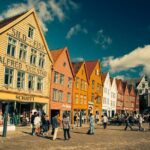
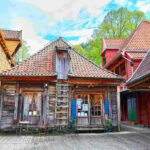
Meeting point and timing: the 12:30 pm sweet spot
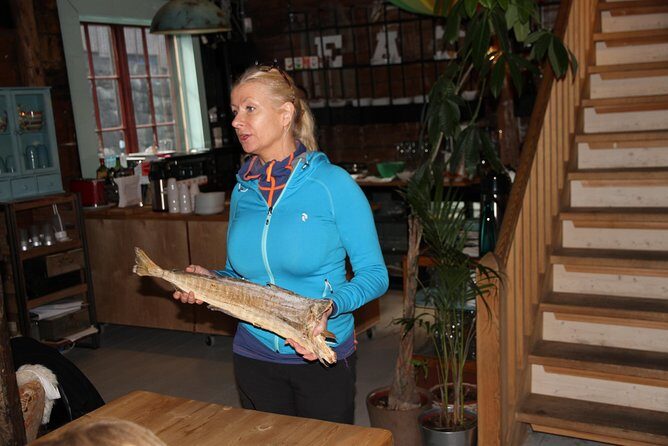
The tour starts at the Tourist Information on Strandkaien 3 (Bergen) at 12:30 pm. You end at Torget 6A, so you finish near the city center instead of backtracking.
That midday start matters. You’ll be sampling foods that fit the rhythm of lunch-ish time—warm items like soup and warm apple drinks show up in the tastings—so it doesn’t feel like you’re doing dessert samples at midnight. If you’re the type who hates waiting around, this timing is also helpful.
It’s also booked well in advance on average (around 75 days), which tells me it’s a steady option for people planning a tight Bergen itinerary. If your dates are fixed, don’t treat this like a last-minute gamble.
Stop at the Bergen Fish Market: where your senses get a lesson
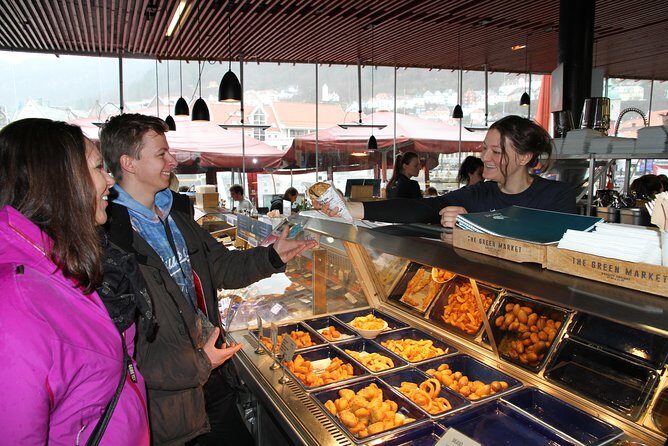
The first stop is the Fish Market in Bergen, and it’s more than a photo opportunity. You’re there early in the walk, and the goal is to taste and understand why fish is not just food here—it’s identity.
Expect tastings connected to the coastal trading life. In the tastings people described, you’ll commonly see items like:
- fish cake
- dried cod (a preserved staple)
- the broader “fish port” context behind what people could get and afford
Even if you’re not a lifelong fish fan, this is usually a friendly introduction. Some diners mention that they don’t care for fish much, yet still appreciated trying the fish options when presented with context.
Possible downside at this stop
If you strongly dislike fish, don’t assume everything will be fish-free. Fish options appear repeatedly in how the tour is described, so it’s worth mentally preparing for that.
Bryggen Hanseatic Wharf: history you can walk through
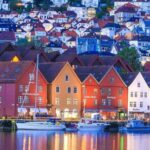
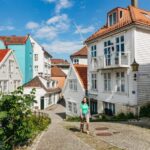
Next you move toward Bryggen Hanseatic Wharf, where Bergen’s merchant past becomes real. This part matters because Bryggen isn’t just pretty waterfront buildings—it’s tied to trade networks that affected what arrived, what was sold, and what people adopted.
You’ll usually get food tastings paired with short history stops. This is where the tour’s “culture” side shows up most clearly: the guide links the city’s trading era to the way people ate and drank.
You can also read our reviews of more food & drink experiences in Bergen
Why this stop works
Bryggen is the kind of place that’s easy to wander through on your own and still miss the point. In a guided format, it turns into a story you can remember. Reviews frequently highlight guides like Ole and Frida for connecting the setting to centuries of Bergen life—fires, military presence, and the shifting power of royalty and port towns.
Weather reality check
Bergen weather can be dramatic. Several people mention rainy or pouring conditions, and the good news is this tour can still work if you dress for it. Waterproof shoes and a rain layer will make you happier than any improvisation.
The “food stops” approach: multiple tastings, not one big meal
This tour uses a scattered tasting style. Instead of one sit-down lunch where everything happens at a table, you tend to eat in parts along the walk—snacks arrive as you go, and you keep moving.
That’s great if you enjoy variety and short breaks. One person liked it because it felt different from food tours that dump everything into one location. Another noted they appreciated how the lunch segment still fit the walk rhythm.
What you might taste (based on common tastings described)
Here are items that show up repeatedly in the descriptions:
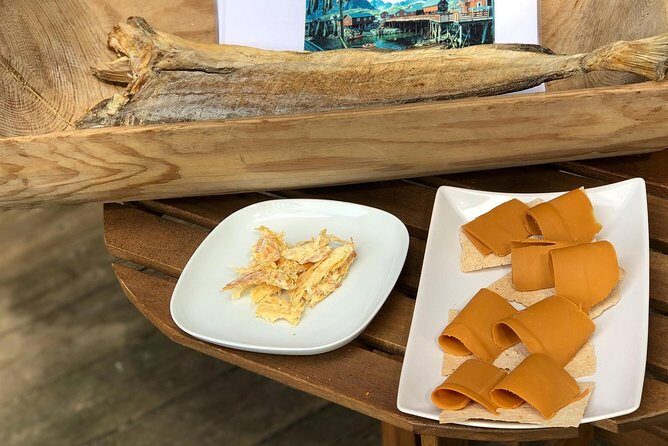
- brown cheese on a cinnamon roll
- fish cake
- dried cod
- soup (including veal and pork soup, and also lamb soup in one account)
- a warm apple drink with cream or whipped cream
- a “liquid apple pie” style drink (warm apple juice with cream)
- Norwegian beer at the end
You might also see a smaller pastry or fruit market time depending on the guide and day. One tour description includes time at a fruit market where a traveler picked up fruit for later.
The practical reality: portions are modest
This is where opinions split. Many people praise the food and say it’s enough for lunch, and some mention the portions were good. Others say the servings felt small for the price and that they ended hungry, sometimes needing extra food after.
So here’s the practical takeaway: treat this as a tasting-and-story experience, not a full all-you-can-eat meal. If you’re a big eater, plan to grab a proper dinner afterward.
The guide effect: Ole, Frida, Serena, Diane, Nina, and more
The guide is central to whether this feels like a great afternoon or just an average walk. When it goes well, you get the full Bergen package: history, humor, and food facts tied to real places.
Some guides stand out in the way people remember them:
- Ole: repeatedly praised as an excellent storyteller and historian, with details connected to port life and an ending in a pub cellar where the beer story lands well
- Frida: praised for deep Bergen history and answering questions
- Serena / Serina: praised for being fun, informative, and not rushing the eating
- Diane / Nina / Sabrina / Andrea / Celine: frequently mentioned for local perspective, clear explanations, and taking people off the usual route
If you prefer short stories
One criticism shows up in a couple notes: some people felt the narration ran long, with a prince-related story taking a while. Another said the guide couldn’t answer many questions.
That doesn’t mean every guide will be like that. It does mean you should enjoy history storytelling to get full value. If you mainly want food with minimal talk, you might find yourself wanting more tasting time per stop.
The beer-and-pub ending: the story you remember
The tour finishes at Torget 6A, and the ending is where the experience often becomes memorable. Several people describe a cellar-style pub finish with Norwegian beer and a story tied to the place.
One traveler highlighted a love-story angle and the beer at the end. Another mentioned an old pub basement that was supposedly haunted and appreciated how the guide made that legend part of the route.
Even without the supernatural vibe, the concept is simple: you end where you can slow down, taste something local, and let the history click into place.
If you drink beer, this is the moment to do it. If you don’t drink, you’ll still get the story component and the social wrap-up.
Value check: is $123.78 a fair trade?
At $123.78 per person for about 3 hours, you’re paying for two things:
1) access to a local guide who connects food to Bergen’s past
2) multiple tastings plus a drink at the end
When the guide is strong and you enjoy historical context, this can feel like a bargain compared with paying for a bunch of separate museum stops and tours.
But if you expected a heavier “food tour” in the sense of bigger servings and more variety, you may feel the gap. A few notes complained about minimal food quantity and suggested the price felt high relative to what was served.
My practical advice
- If you like learning and eating small bites as you walk, this price can make sense.
- If you’re hungry and want a full lunch experience, either go in with lighter expectations or plan an extra meal before/after.
Who should book this walk
I’d recommend this tour if you:
- want an easy, central way to understand Bergen quickly
- like traditional Norwegian foods and don’t mind tasting fish or lamb-linked dishes
- enjoy guides who tell stories tied to real locations
- like small groups and a pace that leaves room for questions
I’d be more cautious if you:
- dislike fish and want a strongly fish-free experience
- need a lot of food quantity to feel satisfied
- get impatient with long explanations and prefer pure tasting
What to do before and after your tour
To get the best outcome, think like a local:
- Wear rain gear. Bergen weather can change fast, and the tour still happens outdoors.
- Start your morning or late morning with a light snack so you’re ready for tastings without being starving.
- Plan dinner afterward. If you take the “minimal servings” concern seriously, a nearby meal later keeps you comfortable.
When the tour ends, you’ll have a stronger sense of where to wander next. Many people come away saying it improved their view of the city because they understood the food and history behind what they were seeing.
Should you book Bergen Base Camp’s Food and Culture Walk?
If you want a small-group Bergen afternoon that blends fish market origins, Bryggen heritage, and traditional Norwegian bites—this is a strong choice. The tour tends to win on two fronts: guides like Ole and Frida can make the city feel personal, and the tastings show off flavors you won’t replicate at home.
Just go in with two expectations: the servings are best thought of as tastings, and you’ll get more story than some strict “only food” tours. If those fit your style, book it and wear shoes that can handle wet pavement.
FAQ
How long is the food and culture walk in Bergen?
It runs for about 3 hours.
What time does the tour start, and where do I meet?
The tour starts at 12:30 pm. The meeting point is Tourist Information in Bergen, Strandkaien 3 (Bergen). It ends at Torget 6A (Bergen).
Is the tour offered in English?
Yes, it’s offered in English.
How big is the group?
The tour has a maximum of 15 travelers, which keeps it intimate.
What food and drinks are included?
You should expect traditional Norwegian tastings such as fish cake, brown cheese on a cinnamon roll, dried cod, soup, and warm apple drinks with cream or whipped cream. The tour also includes beer at the end.
Can I cancel for a full refund?
You can cancel up to 24 hours in advance for a full refund.