REVIEW · OSLO
3- Hour Kayak Tour on the Oslofjord
Book on Viator →Operated by Oslo Kayak Tours · Bookable on Viator
Paddle past Oslo without traffic noise. This 3-hour Oslofjord kayak outing is built for real variety: you get a quick skills setup, then you’re out on the water with stops that mix shoreline nature with city views. I especially like the small group size (max 10) and the way guides adapt kayaks and pace to your comfort level. One thing to consider: kayaking does require basic agility and you must be able to swim at least 200 m.
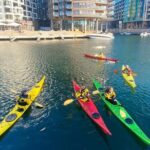
You’ll start from Sjølyst Marina and head out into sheltered water where the learning curve feels manageable, even if you’ve never paddled before. I also like the “fjord + Oslo highlights” approach—watch for the marina’s house boats, the coast near Bygdøy, and the modern architecture around Fornebu while you’re moving under your own power. The main drawback is that wind and weather can change plans, including shortening the trip, so plan for a little flexibility.
In This Review
- Key Points I’d Plan Around
- Kayaking the Oslofjord from Sjølyst Marina: why this tour works
- Hitting the water: meeting point and what the first hour usually looks like
- How the guide adapts your kayak and pace (even if you’re new)
- Bygdøy Peninsula and the sandy-coast vibe you can spot from your kayak
- Oslo highlights from the fjord: Fornebu, house boats, and waterfront architecture
- What to pack and wear: staying comfortable when the fjord does its thing
- Fitness, swim skills, and safety realities (read this part before you go)
- Price at $139.87 for 3 hours: value check for what you get
- Who this Oslofjord kayak tour fits best (and who should skip)
- Should you book this Oslofjord kayaking tour?
- FAQ
- How long is the Oslofjord kayak tour?
- What time does the tour start, and where does it end?
- Where is the meeting point in Oslo?
- Do I need kayaking experience to join?
- What is the minimum age and swim requirement?
- Is safety gear included?
- What should I bring for the tour?
- What happens if weather is bad?
Key Points I’d Plan Around
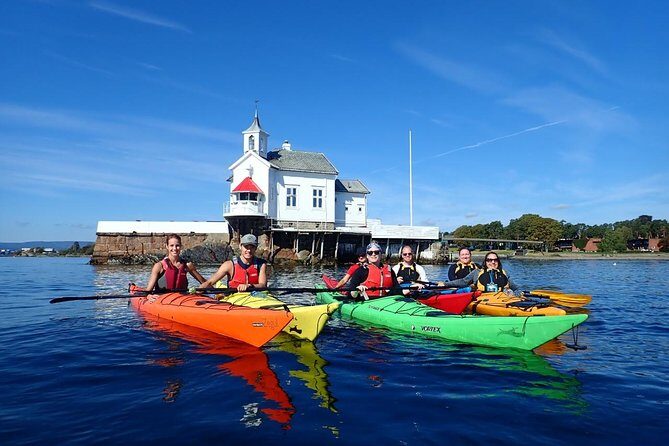
- Max 10 people means you actually get attention while you learn and paddle
- Single and double kayaks let you match your strength and experience
- Safety-first guiding: life vests, shoes, first aid training, and a keep-together rule
- Bygdøy Peninsula focus with sandy beaches and small islands along the route
- City views from the water including the Fornebu area and the marina’s vessels
- Small-team flexibility: guides adjust pace, but you may need to paddle at group speed for extra effort
Kayaking the Oslofjord from Sjølyst Marina: why this tour works
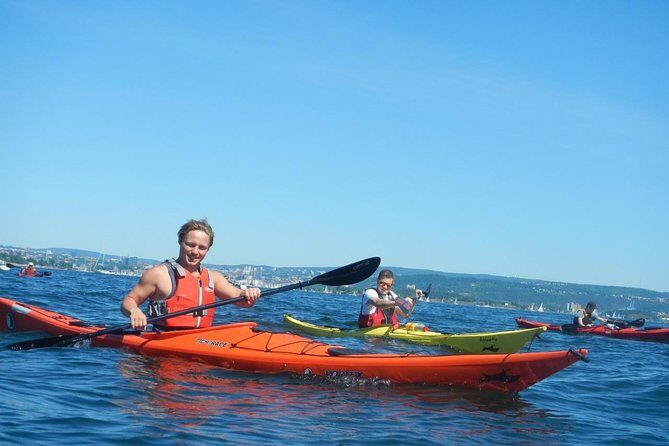
This isn’t just a “sit in a kayak and hope for the best” situation. The tour starts with gear fitted to you and a safety-and-technique briefing, then it moves into a route that balances scenery with time to actually paddle. Because it’s built around the Oslofjord’s calmer pockets near Sjølyst Marina, you spend less time wrestling your kayak and more time looking at what’s around you.
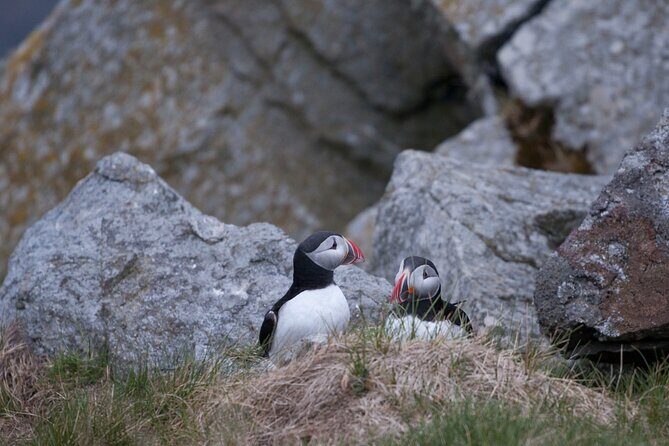
The best part for me is the mix: you’re not choosing between nature and “things to see in Oslo.” You get that fjord feel—water, birds, coastline—while also picking up visual Oslo clues like the marina’s house boats and the modern structures you can spot from the water near Fornebu.
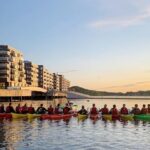
The pacing is also a big deal. Reviews mention guides who meet people where they are, from first-timers to stronger paddlers, and that shows in how the tour is described: the guide adapts to experience level, and the group stays small so adjustments are realistic.
A few more Oslo tours and experiences worth a look
Hitting the water: meeting point and what the first hour usually looks like
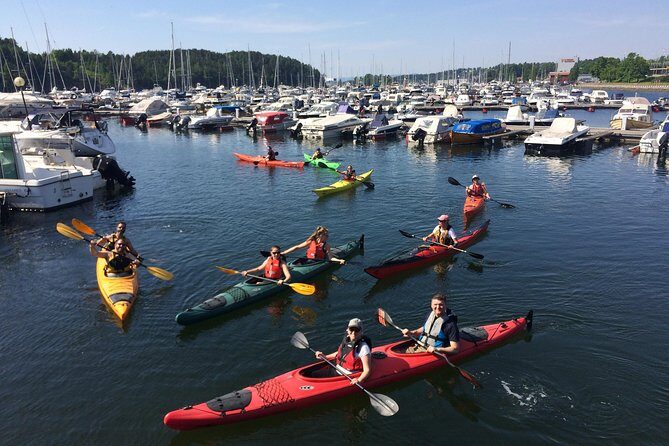
You meet at Karenslyst båtopplag, Drammensveien 164, 0277 Oslo. The tour starts at 10:00 am and ends back at the same place. That matters because you’re not dealing with long transfers or figuring out remote access points—you’re using a base right where the coastline is ready for kayaking.
Expect the first stretch to be practical, not lecture-heavy. You’ll get equipment suited to you (they use both single and double kayaks) and go through safety instructions and basic techniques before heading out. The guides are trained in first aid and carry safety equipment and communication devices, so the setup phase is taken seriously.
If you’re a beginner, this is the moment to ask questions about turning, stopping, and how to handle the kayak in small spaces. If you’re an experienced paddler, you’ll want to make sure the guide knows your comfort level so they can choose a route that feels fun instead of slow.
How the guide adapts your kayak and pace (even if you’re new)
This tour is designed around the idea that you shouldn’t be punished for not already knowing how to kayak. The operator provides single and double kayaks, and you’ll be given the boat that fits your abilities. There’s also a clear expectation that the tour isn’t meant to be a hard workout, even though it can feel physical once you’re paddling against wind.
Guides also adjust the group’s tempo. In reviews, people call out guides like Annett, Sven, and Tricia for being helpful with technique and for making sure everyone feels comfortable. That kind of small-group teaching is the difference between “we gave you a life vest and left you alone” and a real learning experience.
A note to keep you grounded: if you’re looking for maximum exercise, you may need to slow down. The tour’s regular pace is meant to be shared, with the guide controlling the route and speed so everyone stays together.
Bygdøy Peninsula and the sandy-coast vibe you can spot from your kayak
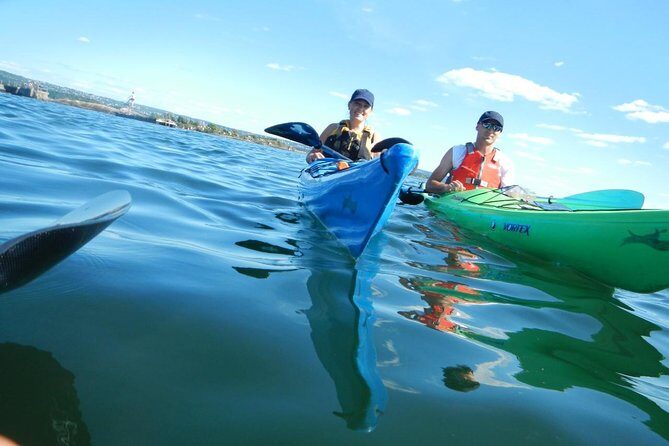
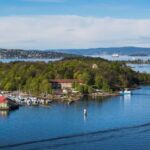
The route is anchored around the Bygdøy Peninsula area, and that’s a great choice. From the water, Bygdøy tends to feel close and human—small islands, sandy stretches, and coastal edges that you’d usually only see from a walking path or a distant shoreline viewpoint.
Expect short moves between shoreline moments rather than nonstop paddling. That means you can actually look around instead of burning out. Along the way, the guides share what you’re seeing, including the picturesque marina setting and other special vessels you pass in the water.
If the water and weather cooperate, you’ll likely get those “how is this in the middle of a city?” moments—coastlines that look rugged, then suddenly you’re gliding next to calm sandy spots. One review also referenced a paddle that went out toward a lighthouse on the route, which hints at how varied the day can be depending on conditions.
Oslo highlights from the fjord: Fornebu, house boats, and waterfront architecture
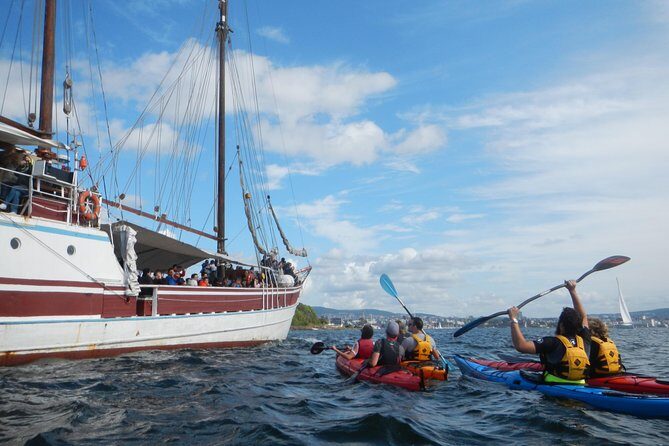
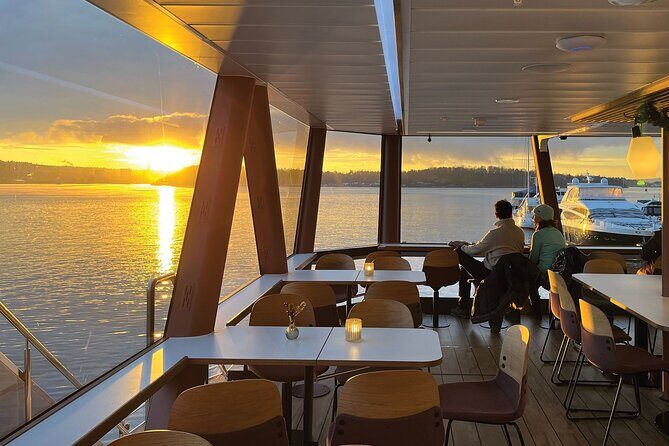
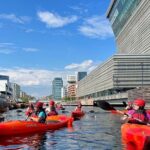
One of the smartest reasons to kayak here is that your eyes get a new angle on Oslo. From the water, the city doesn’t just appear as buildings. It shows up as layers—marina details, coastline rhythm, and then that modern architecture around the Fornebu area.
You’ll hear explanations while you paddle, including details about the marina with house boats and the types of vessels that make that harbor feel distinct. Then you’ll watch how the coast transitions, from sheltered activity zones to the wider fjord feeling where wind can start to matter more.
For architecture lovers, the Fornebu mention is a clue. This isn’t a classic “stand there and stare at the skyline” tour. You’re moving, so buildings slide across your view like a live map. It’s a simple way to “see Oslo” without standing in a crowd.

What to pack and wear: staying comfortable when the fjord does its thing
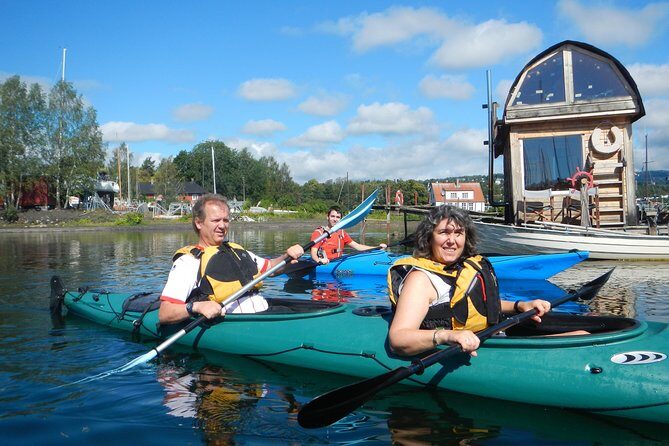
You will get wet. They’ll do their best to keep you dry, but salt water contact is unavoidable. The tour also provides shoes and requires you to wear life vests, but you still need the right clothes for whatever the day throws at you.
Here’s what I’d treat as non-negotiable based on the tour notes:
- Bring sun protection (this is Norway; the sun can still be intense)
- Bring a dry change of clothes in case you end up in the water
- Use a (if possible watertight) bag for valuables
- Have secure glasses so you don’t lose them in the water
- Bring something to eat and drink since snacks aren’t included and it may not be possible to buy food during the tour
In rain, you can still enjoy it—one review explicitly says they loved it even in wet weather. Still, if you hate getting damp, plan your clothing like you’re going sailing, not like you’re going for a city stroll.
Fitness, swim skills, and safety realities (read this part before you go)
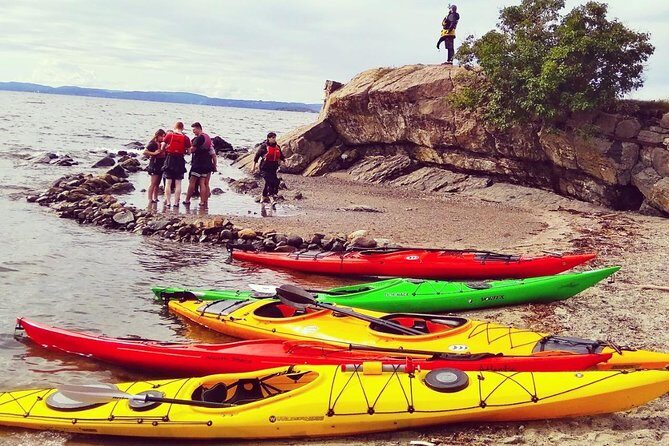
Kayaking on open water carries risk, even on this guided route. The tour makes it clear there’s an element of risk, and safety instructions are given before every trip with an agreement expected from participants. Guides bring first aid and safety gear, but you still need to take the rules seriously.
You must be able to swim at least 200 m, and there’s a minimum age of 6 years. A certain degree of agility and fitness is recommended, and they ask you to advise the guide if you have physical conditions that could affect your enjoyment.
Also plan around the keep-together rule. The group should stick together for safety, and anyone who leaves the group does so at their own risk. If you like wandering, this tour isn’t built for that.
One more practical point: capacity limits mean the tour provides boats for different weight ranges (50–120 kg). That’s part of the “matched equipment” approach, so don’t assume you’ll automatically get a specific kayak style.
Price at $139.87 for 3 hours: value check for what you get
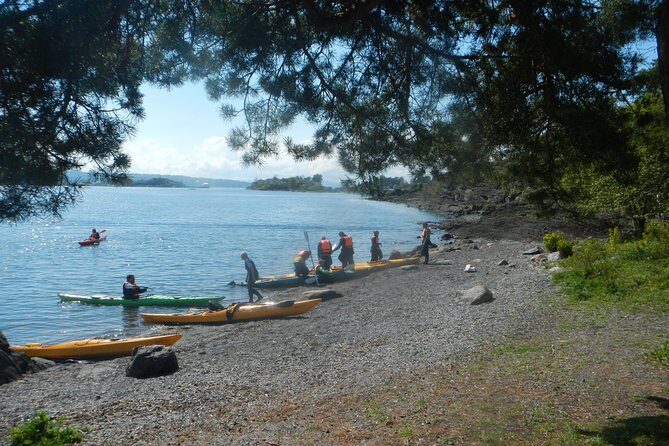
At $139.87 per person for about 3 hours, you’re paying for more than just the kayak. You’re getting:
- A local/professional guide who teaches basic technique and shares route info
- Equipment matched to your ability (single or double kayaks)
- A structured safety briefing and required gear like life vests
- A small-group experience capped at 10 travelers, which is usually where “value” becomes real
What isn’t included: snacks, hotel pickup/drop-off, and transportation to/from other attractions. If you’re already near the meeting point area and you pack your own small food/water, the cost feels more like a guided outdoor activity than a tourist markup.
For beginners, the value is strongest. You’re buying time where someone helps you avoid common mistakes and keeps you confident on the water. For strong kayakers, it’s still a good deal if your main goal is scenery plus city connections from the fjord, not maximum physical challenge.
Who this Oslofjord kayak tour fits best (and who should skip)
This is a great match if you want an active way to see Oslo without getting stuck in traffic or waiting for museum lines. It’s also ideal if your fitness is moderate: the tour isn’t supposed to be punishing, and the guide can keep the pace shared.
It’s especially good for people who like guidance. Reviews repeatedly highlight guides such as Sven, Tricia, and Annett for being patient, friendly, and good at adjusting to different skill levels.
I’d think twice if:
- You can’t swim 200 m
- You hate being cold or wet and don’t want to bring a dry change of clothes
- You’re looking for a strict high-intensity workout (this is more shared experience than training session)
- You’re the type to want to leave the group for photos—this is a keep-together safety setup
Should you book this Oslofjord kayaking tour?
If you want a fjord experience that feels practical—real safety, real instruction, small group energy, and Oslo highlights that only make sense from water—then I’d book it. The best reason is simple: the tour is set up to work for mixed experience levels, so you’re not gambling on whether you’ll feel lost once you’re in the kayak.
If your travel style is all about fixed schedules and zero weather risk, remember that wind and weather can change things. The company also notes they may adjust plans for health, safety, and weather conditions. In other words: pick this tour if you can roll with nature a bit.
FAQ
How long is the Oslofjord kayak tour?
It runs for about 3 hours.
What time does the tour start, and where does it end?
It starts at 10:00 am and ends back at the meeting point.
Where is the meeting point in Oslo?
You meet at Karenslyst båtopplag, Drammensveien 164, 0277 Oslo, Norway.
Do I need kayaking experience to join?
No. The guide adapts the tour to your experience level and matches you with a single or double kayak.
What is the minimum age and swim requirement?
The minimum age is 6 years, and all participants must be able to swim at least 200 m.
Is safety gear included?
Yes. You must wear life vests, and shoes are provided. Safety instructions are given before every tour, and guides are trained in first aid with safety equipment and communication devices.
What should I bring for the tour?
Bring sun protection, a secure way to store valuables (ideally a watertight bag), secure glasses, and a dry change of clothes. You should also bring something to eat and drink since snacks aren’t included.
What happens if weather is bad?
The tour requires good weather. If it’s canceled due to poor weather, you’ll be offered a different date or a full refund. The schedule can also be changed for health, safety, and weather conditions.