REVIEW · OSLO
Oslo: VR-Game session at The Viking Planet
Book on GetYourGuide →Operated by The Viking Planet Oslo · Bookable on GetYourGuide
Vikings, but make it VR. This short Viking warrior VR session is a fun, no-fuss way to get the action of the Viking Age without booking a long tour—plus you get realistic Nordic scenery mapped from Norway’s elevation data.
What I like most is how interactive it feels right away, and how the game’s views look like they’re actually pulled from Norway’s mountains and rivers. The one thing to consider: the VR play space can be in the same area as the souvenir shop, so it may not feel like a separate, dedicated room.
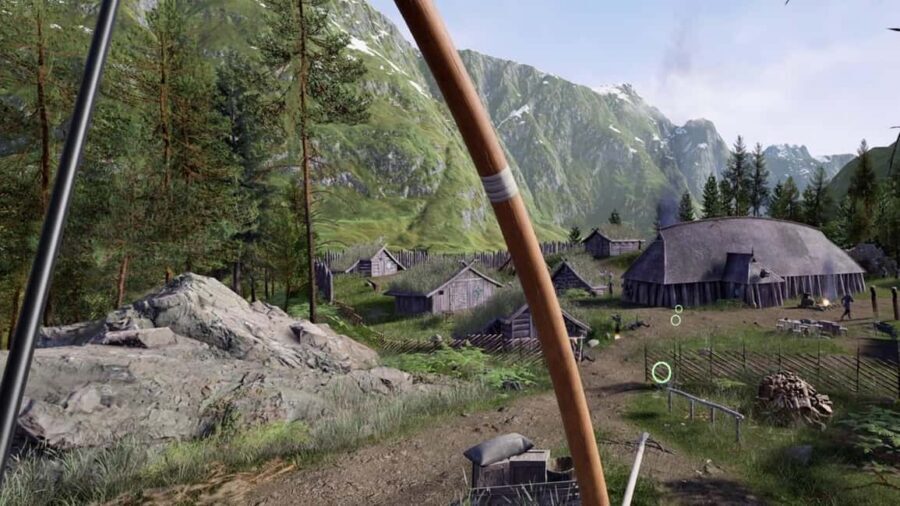
You play a Viking warrior after your calm village is hit by invaders. Expect a quick tutorial, then three bite-sized levels where you fight with a bow and arrow—simple controls, quick sessions, and an experience designed to reduce VR nausea, which matters if you’re sensitive to headsets.
In This Review
- Key things to know before you go
- VR with Vikings at The Viking Planet: what the setting feels like
- The FERÐ story: why the game works as more than just shooting
- Controls that keep it beginner-friendly (and gentler on your stomach)
- Three levels of Viking combat: what the action feels like
- The scenery payoff: Norway-inspired elevation data that actually shows
- Timing and session length: a practical Oslo stop
- Price and value: is $28 for 15 minutes worth it?
- Who this is best for (and who should skip it)
- FAQ
- FAQ
- How long is the VR session?
- How much does it cost?
- What is the main weapon in the game?
- Are there multiple levels?
- Is the session suitable for kids?
- What languages are available?
- What’s included in the ticket?
Key things to know before you go
- It’s built for short attention spans: around 15 minutes of VR time, so it fits tight schedules.
- Two-button gameplay: you don’t need a gaming background to get moving fast.
- Bow-and-arrow defense: your main action is shooting while you protect your group.
- Three levels of advancing trouble: a clear start, middle, and finish without dragging.
- Norway-inspired elevation data: the scenery is based on real elevation from mountains in Norway.
- Age 12+ only: not suitable for children under 12.
VR with Vikings at The Viking Planet: what the setting feels like
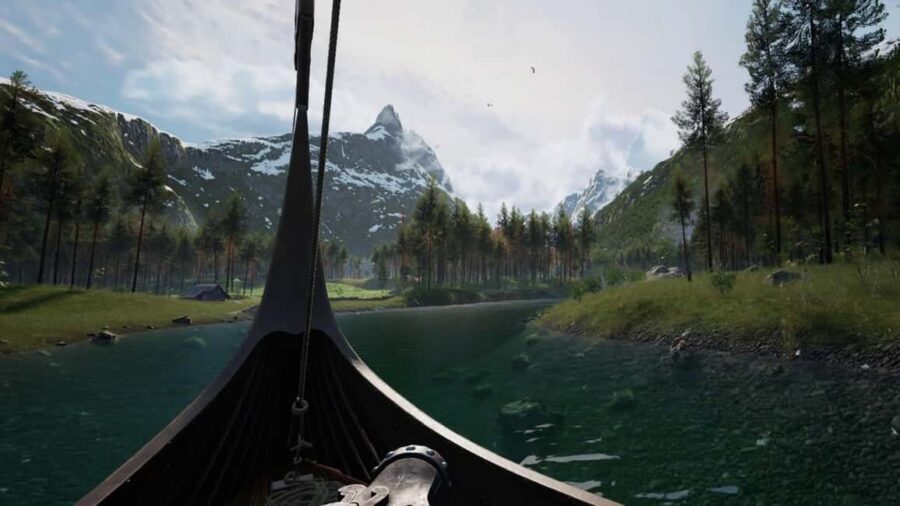
The Viking Planet Oslo gives you a convenient mix of Viking atmosphere and modern tech. You’re not going to spend hours here—this is a compact VR-Game session that’s designed to get you into action quickly.
One practical note from the way the setup can work on-site: you may end up playing directly in the same space as the souvenir shop rather than in a fully separate room. If you’re hoping for a totally secluded, cinematic VR bubble, plan for the possibility that you’ll hear normal indoor activity nearby. That doesn’t ruin the game, but it’s useful to know if you’re easily distracted.
You’ll also appreciate that the session is run with an English instructor on hand. That helps if you’re unsure about headset use or just want quick guidance. And because it’s wheelchair accessible, it’s set up with at least some level of practical access in mind—always worth checking directly if you need specific arrangements.
You can also read our reviews of more tours and experiences in Oslo.


The FERÐ story: why the game works as more than just shooting
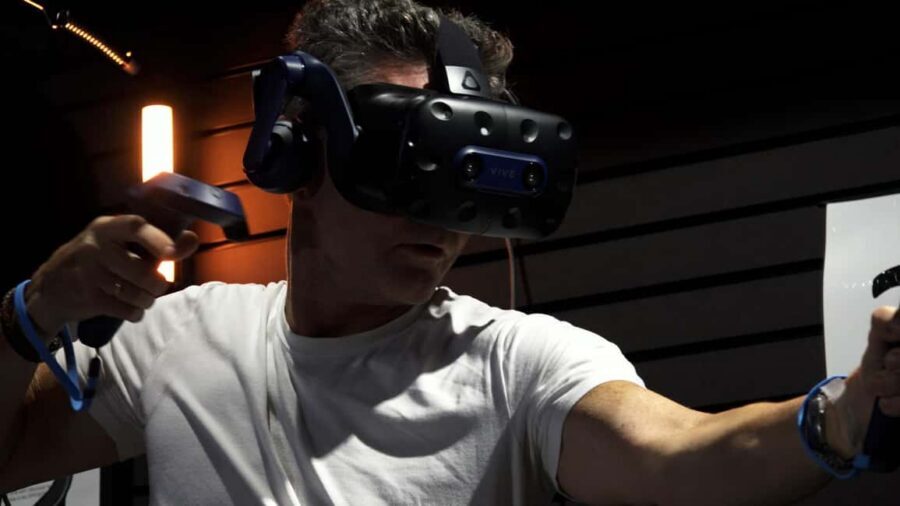
This isn’t a generic VR shooter with random targets. The plot is straightforward: your peaceful Viking village is attacked, and you and your fellow warriors head out to defend yourselves and push back the invaders.
The game frames you as a Viking warrior, and that theme matters. It gives purpose to what you’re doing—protecting teammates, covering advancing space, and pushing deeper into enemy territory. You’re not just collecting points. You’re surviving a series of attacks while moving through places inspired by Norway’s real terrain.
I like how the story stays simple enough to understand fast, especially in a headset. You don’t need lore-heavy background. You just need to follow the action and react.
Controls that keep it beginner-friendly (and gentler on your stomach)
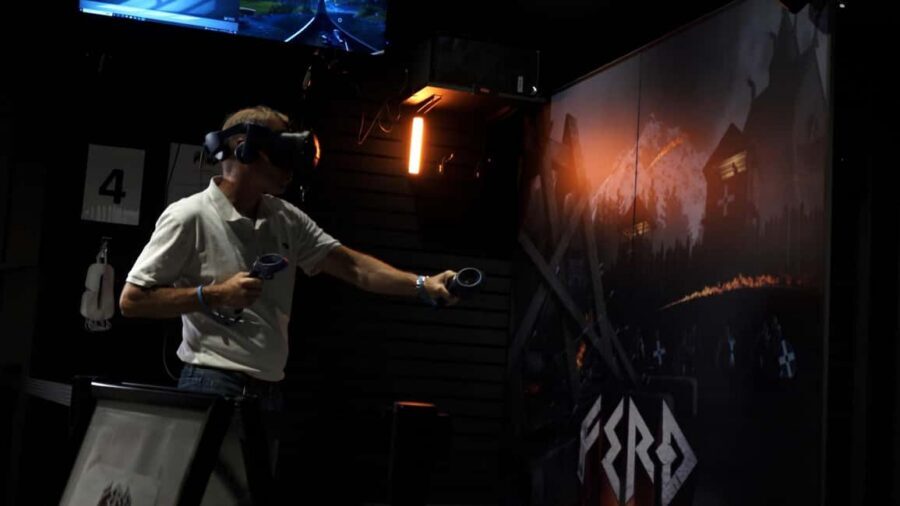
If you’ve ever tried VR and felt weird after a few minutes, this is one of the key reasons the experience is worth considering. The setup is designed to avoid VR-nausea, and the controls are built to stay minimal.
You start with a short tutorial. Then you fight your way through three levels, and the game is meant to be extremely easy to play with two buttons. That’s a big deal for value and comfort. It reduces the “learning curve tax,” so you spend your time shooting and moving rather than figuring out controls.
Here’s how that helps in real life: if you’re visiting Oslo and you’re juggling other sights, you probably don’t want a long instruction session. A short, simple interaction means this can fit into a day without wrecking the rest of your plans.
Three levels of Viking combat: what the action feels like
Your mission unfolds in three different levels, so the game has structure. You’re not stuck in one repeating space. Instead, you progress through separate stages where the attacks build and your job stays consistent: defend yourself and your comrades as you move over and through Nordic terrain.
The big weapon detail is that you primarily fight with a bow and arrow. That shapes the whole rhythm of play. You’re not “spraying” wildly. You’re aiming and reacting, which often feels more grounded than pure button-mashing—especially in VR, where timing and positioning can matter.
The game also takes you through mountains and rivers as you venture deeper into enemy territory. Even though you’re inside a headset, the idea is that the visuals are based on real elevation data from Norway’s mountains. That’s a small technical detail with a big payoff: the world doesn’t look like an obvious video-game backdrop. It looks like it belongs in Norway.
The scenery payoff: Norway-inspired elevation data that actually shows
The most praised part of this experience is the combination of action with seriously impressive Nordic visuals. The game’s environments are based on real elevation data from Norway’s mountains. In plain terms, that means the terrain look has weight. It’s not just flat “pretty” scenery.
You’ll notice it when the game shows elevation changes—hills, climbs, and the way terrain folds rather than just repeating backgrounds. The effect is that the world feels more believable. When you’re shooting across it, it becomes part of the story instead of a static set behind the action.
This matters because VR fatigue can happen when visuals feel fake or repetitive. Here, the scenery supports the action, which helps the whole session feel like a complete mini-adventure instead of a quick gimmick.



Timing and session length: a practical Oslo stop
The duration is about 20 minutes total, with the virtual reality gaming session listed as around 15 minutes. That difference is common for VR activities—there’s always a little time for getting set up, brief instruction, and transitioning in and out of the experience.
In Oslo, that length is a sweet spot. It’s long enough to feel like you did something, not long enough to monopolize your entire day. If you’re also interested in Viking-themed attractions, this is a nice add-on that doesn’t require a half-day commitment.
Also note the session is private group. That’s ideal if you prefer a calmer pace or you’re visiting with a small party. Private setup usually means less waiting, and it can make the instructor’s support more useful.
Price and value: is $28 for 15 minutes worth it?
At $28 per person, you’re paying for a short VR session focused on one interactive experience. By itself, that sounds like a “small” price for “small” time—but VR has real costs: headset setup, staff time, and the hardware schedule.
Where the value makes sense is in the format:
- The session is compact (around 15 minutes VR time), so you’re not paying for a long program you might not enjoy.
- The controls are simple and quick to learn, so you don’t lose time to getting started.
- The scenery is a standout feature, and the Viking theme gives it emotional payoff even if you’re not a hardcore gamer.
If you’re the kind of person who enjoys trying hands-on tech, likes RPG-ish roles, or just wants something fun between museum stops, it’s priced like a playful splurge rather than a budget activity. For many visitors, that’s exactly the right category.
Who this is best for (and who should skip it)
This VR game is best for casual gamers, Viking enthusiasts, and anyone who wants a straightforward, action-focused activity without a complicated setup. The two-button design also makes it more approachable than many VR games.
It’s also suitable if you’re short on time. In a city full of walking and ticketed attractions, a 20-minute experience is easy to slot in.
Who should skip it:
- Children under 12 are not suitable, with a minimum age limit of 12.
- If you strongly dislike VR headsets in general, the “designed to avoid VR-nausea” detail won’t override personal comfort. It may help, but it’s not a guarantee for everyone.
FAQ
FAQ
How long is the VR session?
The virtual reality gaming session is listed as around 15 minutes, with the full experience duration shown as about 20 minutes (depending on starting times).
How much does it cost?
The price is $28 per person.
What is the main weapon in the game?
You use a bow and arrow as your primary weapon.
Are there multiple levels?
Yes, the game is structured into three different levels after a short tutorial.
Is the session suitable for kids?
No. It has a minimum age limit of 12 years old, and it is not suitable for children under 12.
What languages are available?
The instructor is English, and the session is listed with English language support.
What’s included in the ticket?
The ticket includes the around 15-minute VR gaming session. A museum entrance at The Viking Planet is not included.
Should you book the Oslo Viking Planet VR session?
If you want a short, hands-on Viking experience with easy controls and Norway-inspired scenery, I think it’s a strong pick. The standout elements are the interactive gameplay, the bow-and-arrow combat, and the way the environments are based on real Norwegian elevation data—so it looks more convincing than many VR “stop and shoot” setups.
If you’re traveling with kids under 12, you’ll need to skip. And if you’re picky about where you play—like needing a fully separate quiet room—know that the VR session may happen in the same general area as the souvenir shop.
For me, this is the kind of activity that works best when you treat it like a focused experience: try it, enjoy it, and then go back out into Oslo with fresh energy.