REVIEW · OSLO
Oslo: Museum of Oslo and Theatre Museum Entry Ticket
Book on GetYourGuide →Operated by Oslo Museum · Bookable on GetYourGuide
A ticket to two museums in one great setting.
If you like history you can walk through, the Museum of Oslo and Theatre Museum are a smart combo, and they’re housed in Frogner Manor in Frogner Park. I love how the exhibits connect Oslo’s growth to real people, and I also like the theatre side for its tangible items like costumes, props, photos, and stage design models. A possible drawback: this museum complex can feel more classic than flashy, so if you want highly interactive stuff, plan your expectations.
You’ll get a clear route through Oslo’s past, from urban development to today’s city life. I also appreciate that the ticket covers both museums, so you’re not forced to pick a single theme. One consideration: the included visit doesn’t mention guided interpretation, and the guided tour (if you opt for one) is only in Norwegian.
In This Review
- Key things I’d prioritize here
- Frogner Manor: where your museum day actually starts
- The Museum of Oslo: urban development, inhabitants, and today’s Oslo
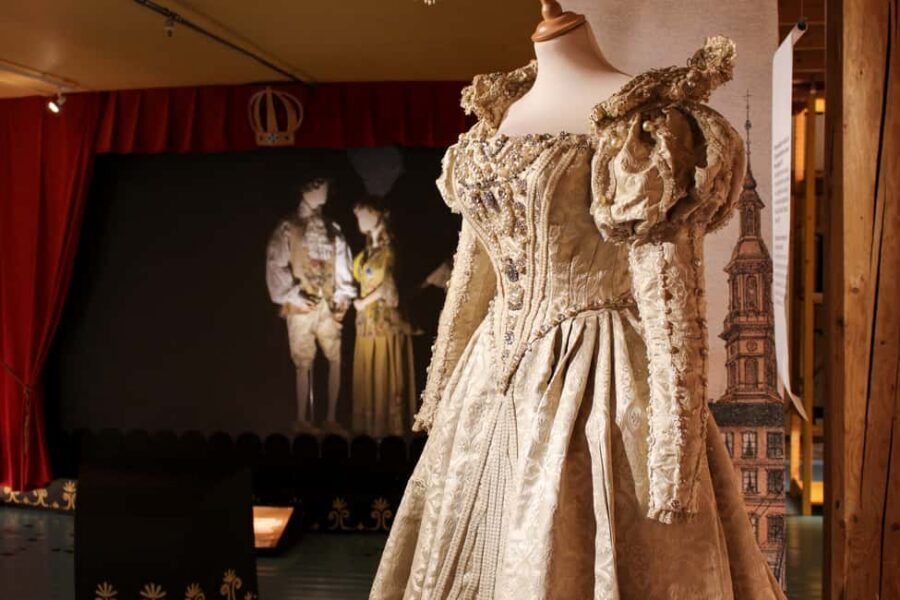
- Theatre Museum: costumes, props, photos, and stage design models
- Plan your pacing: how to fit both museums into a single day
- The café and gift shop: a break that doesn’t break your plan
- Price and value: what NOK 120 really means for a two-museum day
- Practical rules: what you can bring (and what to leave out)
- Accessibility and comfort: step-free access and borrowed wheelchairs
- Language note: guided tours are Norwegian only
- Should you book this Oslo museum ticket?
- FAQ
- FAQ
- What does the ticket include?
- Is this admission valid for one museum or both?
- Where is the Museum of Oslo and Theatre Museum located?
- What are the opening hours?
- Is it wheelchair accessible?
- Are guided tours included?
- What items aren’t allowed inside?
Key things I’d prioritize here
- Frogner Manor setting: You’re visiting a landmark building inside Frogner Park, not a generic museum box.
- Two different brains, one ticket: Oslo’s urban story and the theatre story both get equal space.
- Stage objects you can actually study: Original costumes, props, and photos beat vague “theatre history” talk.
- City today, not just old photos: You’ll see themes about inhabitants and current issues in Oslo.
- A real break option: The on-site café and gift shop give you an easy reset without leaving the grounds.
- Straightforward hours: Plan around the limited weekly schedule for a smooth day.
Frogner Manor: where your museum day actually starts
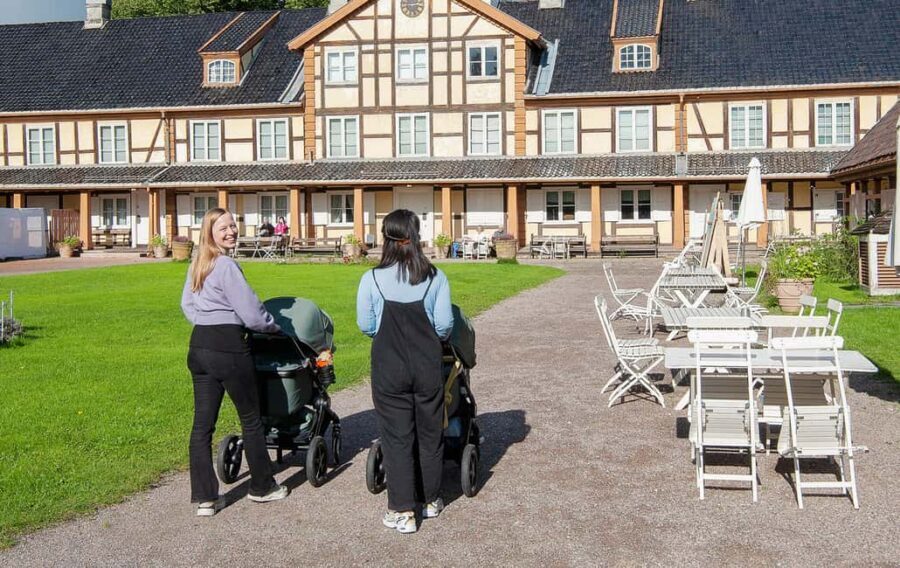
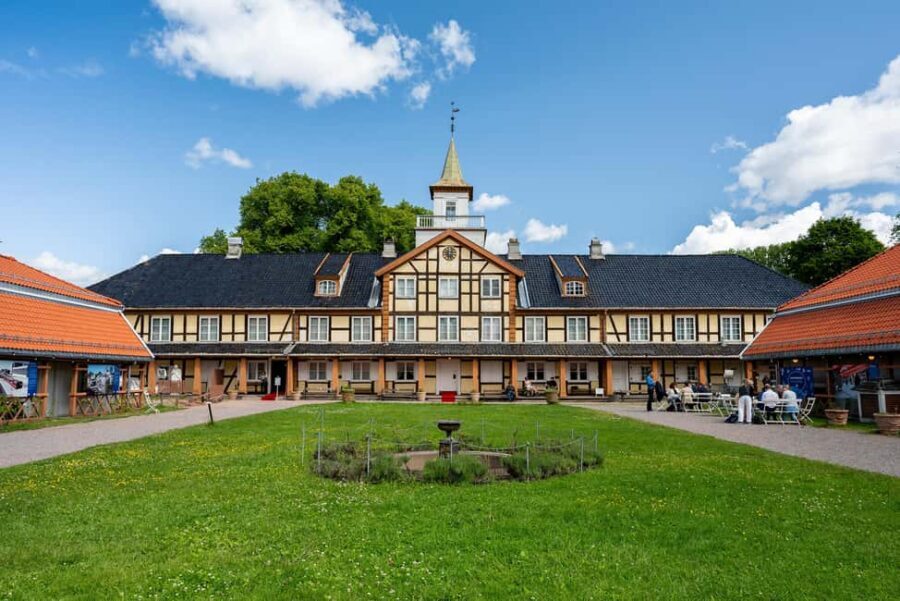
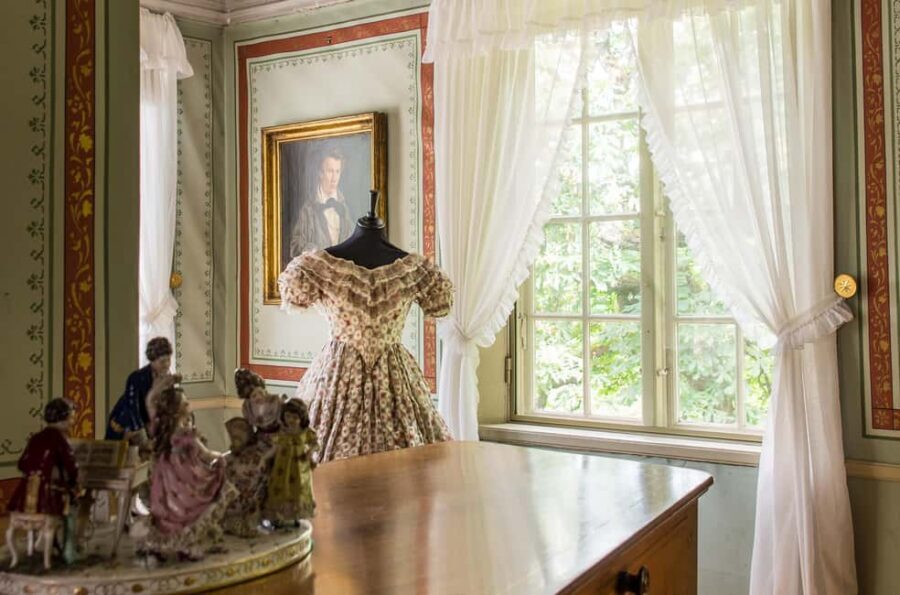
This ticket gets you into both the Museum of Oslo and the Theatre Museum, and the setting is part of the payoff. The museums sit in Frogner Manor, right in Frogner Park, so the area already feels like a calm prelude to indoor history.
Look for the older manor building from the park. If you’re arriving by tram, the nearest station is Frogner plass. That matters because it keeps your arrival stress low—you can move from park stroll to museum door without a long logistics puzzle.
If you’re planning photos, aim to arrive a little early. Frogner Park is a nice buffer before you go indoors, and you’ll likely walk a bit before you settle into the galleries.
A few more Oslo tours and experiences worth a look


The Museum of Oslo: urban development, inhabitants, and today’s Oslo
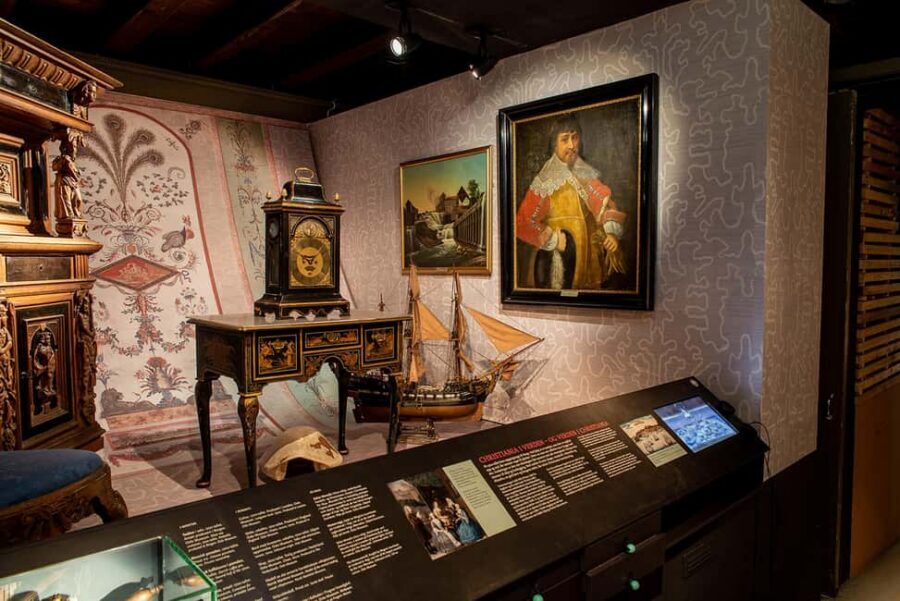
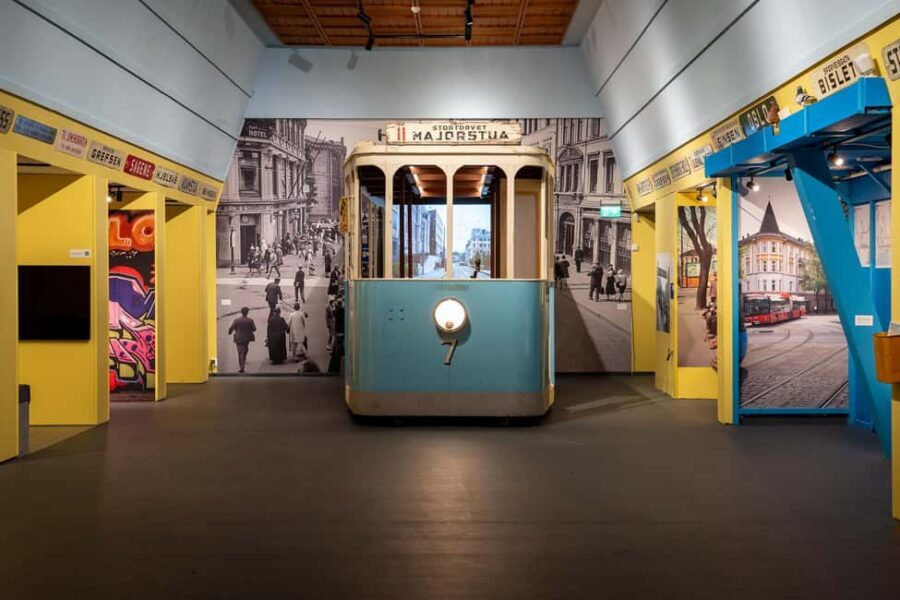
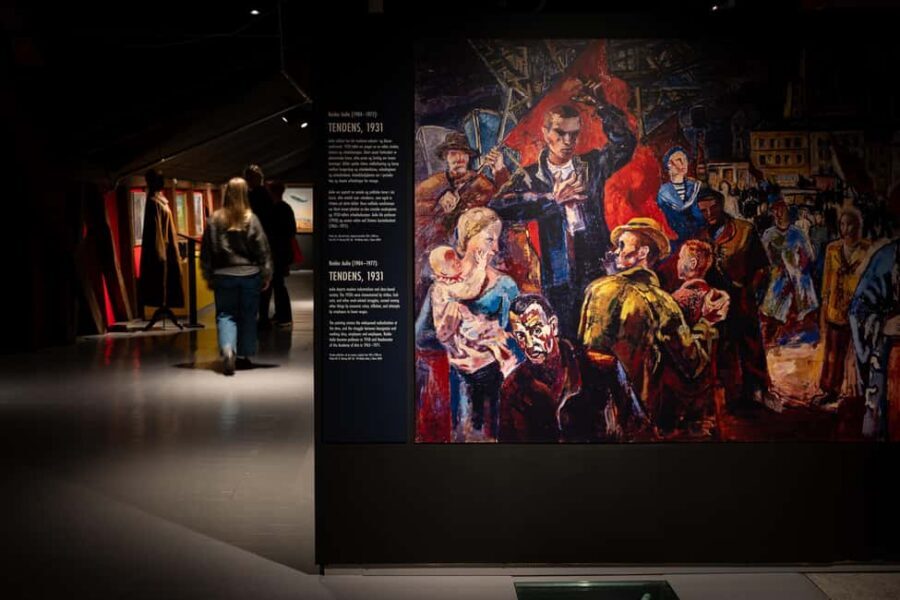
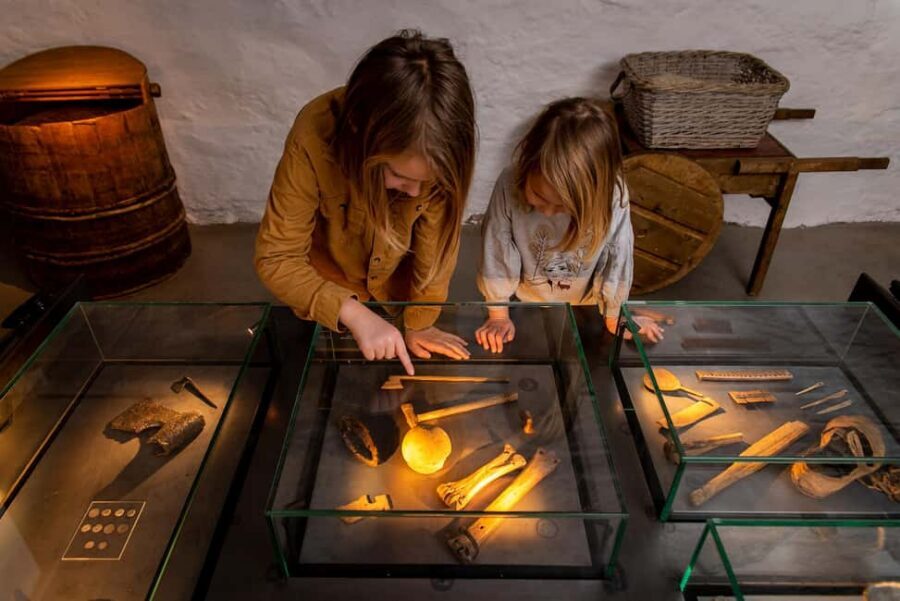
The Museum of Oslo is where you’ll get your bearings on how the city became what you see now. The exhibitions focus on Oslo’s history, urban development, and the city’s inhabitants, with a section on current issues facing Oslo today. That last part is underrated: it keeps the museum from turning into a timeline that stops moving.
Here’s what I’d look for, even if you don’t read every label. Focus on the “how” and “why” threads: how the city changed its shape over time, and how those changes affected the people living there. When a museum connects urban planning to everyday life, it turns architecture and streets into something human.
The layout is built around multiple exhibition variations, so you’re not stuck with one single display style. You can spend a shorter pass if you’re pressed for time, or slow down and linger if you like detail.
One more practical point: you’re allowed to visit at your own pace. Since this is an entry ticket for exhibitions (not a timed tour in your package), you can build your day around when you’re most awake—morning energy for history, afternoon patience for theatre visuals.
Theatre Museum: costumes, props, photos, and stage design models
The Theatre Museum is the reason many people enjoy this ticket even if theatre isn’t their main hobby. The emphasis is on physical items from the stage—original costumes, props, photos, and stage design models.
This matters because theatre history is usually taught in stories and names. Here, you get to see the craft side: how productions visually expressed characters, how staging ideas were planned, and how costumes looked when they were meant for performance (not just storage cases).
I like that the museum doesn’t treat theatre as only the final performance night. The inclusion of stage design models suggests you can track the creative process—how ideas became sets, and how visual design supported the story.
Tip for your visit: don’t just race through the displays. Pick a few costume and set pieces and spend real time comparing them. Even without advanced theatre knowledge, you’ll start noticing patterns in style, materials, and how stage design influences what audiences believe they’re seeing.
Plan your pacing: how to fit both museums into a single day
Your ticket is valid for 1 day, and the museums follow set opening times. The standard schedule is:
- Tue/Wed/Fri/Sat/Sun: 11:00–16:00
- Thu: 11:00–18:00
That limited window is why planning your pacing helps. If you go on a shorter day, you’ll want to move efficiently between the Museum of Oslo and the Theatre Museum. On Thursday, you have more room to slow down.
A good rule of thumb: start with the museum that matches your main interest first. If you’re more drawn to city history, begin with the Museum of Oslo while you’re mentally warmed up. If theatre is your priority, go straight to the Theatre Museum first, then use the Oslo museum as a contrast.
Also, remember you’ll likely want time for a café stop. The café and gift shop aren’t just extras—they can prevent your day from turning into a blur.
The café and gift shop: a break that doesn’t break your plan
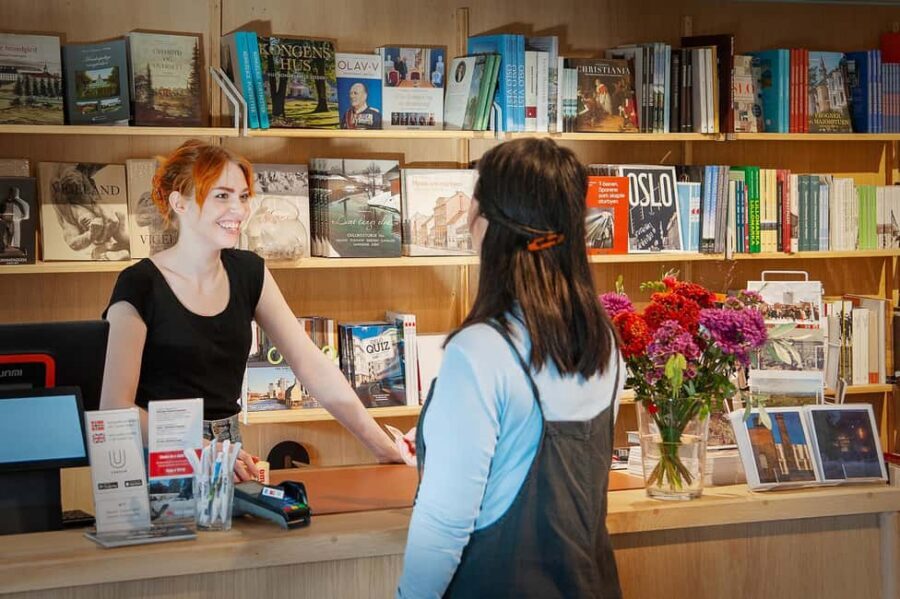
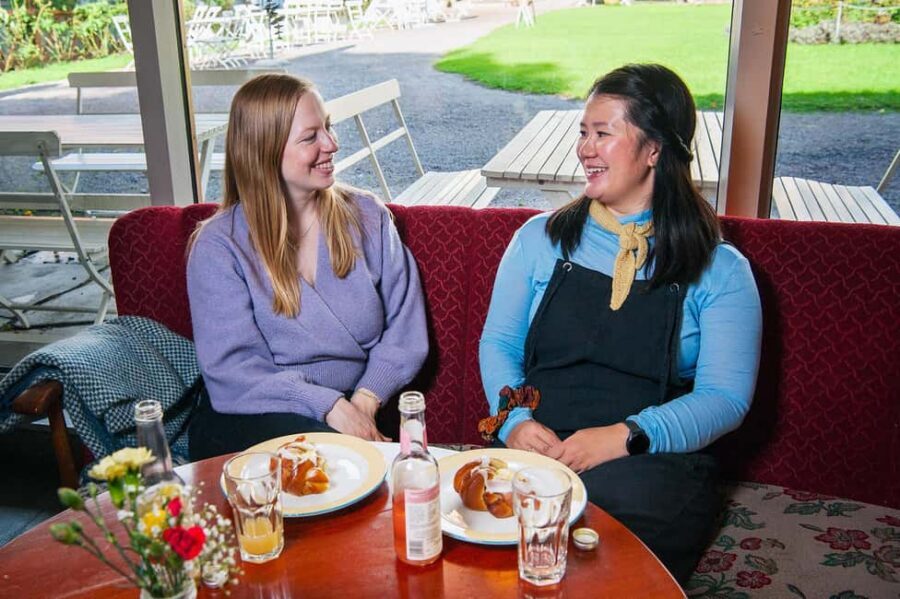
One of the easiest wins here is that you don’t have to leave to recharge. After the exhibitions, you can relax at the museum’s café and browse the gift shop on site.
If you’re touring on a full day, these stops are practical. Indoors museums can drain your attention, and a café break helps you reset so you can still enjoy the second museum theme instead of powering through it like homework.
The gift shop can also be a smart way to bring something home that matches what you actually saw. You’re already thinking about Oslo’s story and theatre design—so taking home a small souvenir that fits those themes feels more meaningful than grabbing a generic postcard.
If you’re traveling with kids or just need a mental pause, this café/gift combo can be the difference between a good museum afternoon and a tired one.
You can also read our reviews of more museum experiences in Oslo


Price and value: what NOK 120 really means for a two-museum day
This is priced at NOK 120 for adults. Students pay NOK 60, and children and youth under 26 get free admission. There’s also free admission for everyone on the first Thursday of the month.
In plain terms: you’re paying for access to two subject areas in one venue. If you only wanted one museum, you’d still have to travel there. Getting both themes under one ticket often feels like better value than paying separately—especially in a city where travel time adds up.
Is it a bargain? It’s not a “budget attraction,” but it is good value for what’s included: exhibitions covering Oslo’s urban development and inhabitants, plus the theatre collection with tangible stage items.
Also worth noting: the ticket is sold as entry to exhibitions, and you can spend as much or as little time as you want. That makes the cost more flexible if your day runs long or short.
Practical rules: what you can bring (and what to leave out)
To keep things smooth, there are clear restrictions:
- No food and drinks
- No bikes
- No backpacks
- Baby strollers are listed as not allowed, but strollers have special handling options
The stroller situation is workable if you plan ahead. Strollers can be parked in the courtyard outside the museum entrance, and strollers for use in the exhibition can be borrowed during your visit. There are also baby changing facilities available.
So if you’re arriving with a stroller, aim to treat it like “outside first,” then use the museum’s options once you’re inside. That’s the simplest way to avoid last-minute friction at the entrance.
Accessibility and comfort: step-free access and borrowed wheelchairs
Good news for mobility needs: the museum and exhibitions are accessible via elevator and/or step-free access. There’s an accessible toilet, and wheelchairs are available to borrow during your visit.
This helps because Frogner Manor is in an older building style. When access is supported with elevator and step-free routes, you can actually enjoy both museums without turning the visit into a problem-solving mission.
If you use a wheelchair, consider arriving in the first hour of opening. You’ll have a calmer entry and more comfortable movement through exhibition spaces.
Language note: guided tours are Norwegian only
Your ticket covers entrance to both museums and the exhibitions. A guided tour is only mentioned as being available in Norwegian, and it’s not described as part of your ticket package.
So if you don’t speak Norwegian and you want a guided experience, you’ll likely need to rely on the exhibition labels and your own reading. That can still work well here because the theatre objects and stage design models are visual. You can learn a lot just by looking carefully.
Should you book this Oslo museum ticket?
Book it if you want a two-in-one day in a beautiful spot, with city history that connects to real issues and a theatre section built on physical artefacts like costumes and stage models. It’s especially good for people who like museums that teach through objects, not just screens.
Skip or reconsider if you’re chasing ultra-modern, hands-on exhibits. One note to keep in mind: not everyone loves the museum’s condition or feel—some visitors have felt it runs a bit older or worn. If you like atmosphere and interpretive labels, you’ll probably be fine. If you’re only happy with brand-new displays, take that into account.
If your goal is to understand Oslo from street-level growth all the way to how theatre visual design works, this ticket is a solid choice.
FAQ
FAQ
What does the ticket include?
Your ticket includes entry to both the Museum of Oslo and the Theatre Museum, access to the exhibitions, and access to the café and gift shop.
Is this admission valid for one museum or both?
It’s for both museums. The same ticket grants admission to the Museum of Oslo and the Theatre Museum.
Where is the Museum of Oslo and Theatre Museum located?
It’s located in Frogner Manor in Frogner Park. The nearest tram station is Frogner plass.
What are the opening hours?
Tue/Wed/Fri/Sat/Sun: 11:00–16:00. Thu: 11:00–18:00.
Is it wheelchair accessible?
Yes. The museum has elevator and/or step-free access, an accessible toilet, and wheelchairs are available to borrow during your visit.
Are guided tours included?
A guided tour is not included. If you want a guided tour, it’s only available in Norwegian.
What items aren’t allowed inside?
Food and drinks, bikes, and backpacks aren’t allowed. Baby strollers have specific rules: they can be parked in the courtyard outside, and strollers for use in the exhibition can be borrowed.