REVIEW · OSLO
Kon-Tiki Museum Entrance Ticket
Book on Viator →Operated by The Kon-Tiki Museum · Bookable on Viator
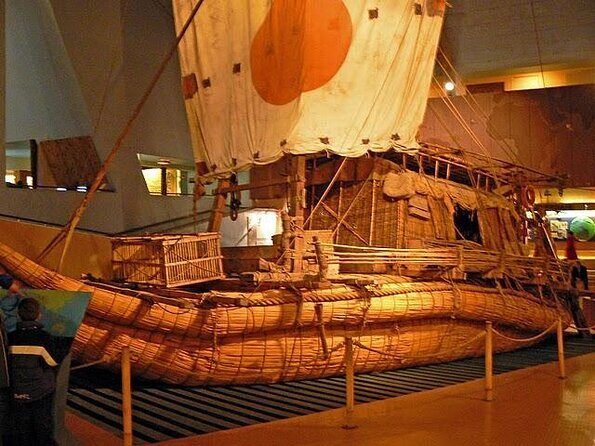
Thor Heyerdahl’s raft is real, not a prop. The Kon-Tiki Museum in Oslo brings his 1947 Pacific dreams to life with original vessels and story-driven exhibits, all in a solid 1-hour visit. I especially love seeing the original Kon-Tiki raft up close, because you understand fast how small and unforgiving that trip must have been.
I also like the museum’s mix of big-screen storytelling and real objects: the Oscar-winning Kon-Tiki documentary film plays every day at noon, and the galleries range from Polynesian artifacts (Easter Island, Fatu-Hiva) to Galapagos finds. One thing to consider: if you want a more “full biography” of Heyerdahl’s whole life, you may wish there were even more focus on that side of the story.
In This Review
- What I’d Tell Friends Before You Go
- Key Highlights You’ll Notice Fast
- Why the Kon-Tiki Museum Works So Well in Oslo
- Original Rafts and Real Expedition Vessels
- The Big Story: Easter Island, Galapagos, and Heyerdahl’s Theory
- The Noon Kon-Tiki Film: Your Timing Superpower
- 30-Metre Cave Tour and the Underwater Whale Shark Model
- How Much Time Should You Plan for a Kon-Tiki Visit?
- Family-Friendly or Just for History Nerds?
- Price and Value: Is $19.42 a Good Deal?
- Practicalities: Getting There and What to Expect
- Should You Book Kon-Tiki Museum Tickets?
- FAQ
- What does my Kon-Tiki Museum entrance ticket include?
- How long should I plan for the Kon-Tiki Museum?
- Is there a film screening at the Kon-Tiki Museum?
- Where is the Kon-Tiki Museum located in Oslo?
- Can I bring animals into the museum?
- What is the cancellation policy for a full refund?
What I’d Tell Friends Before You Go
A fun, family-friendly museum with a clear theme. You’re not trying to catch a bus to five places—you’re settling in for one strong story about exploration, risk, and what people bring back from far away. It’s also right by the Fram Museum, so you can build a great half-day without stress.
And yes, I’d plan your timing around the noon film if you can. It’s a key part of how the museum sets the mood.
Key Highlights You’ll Notice Fast
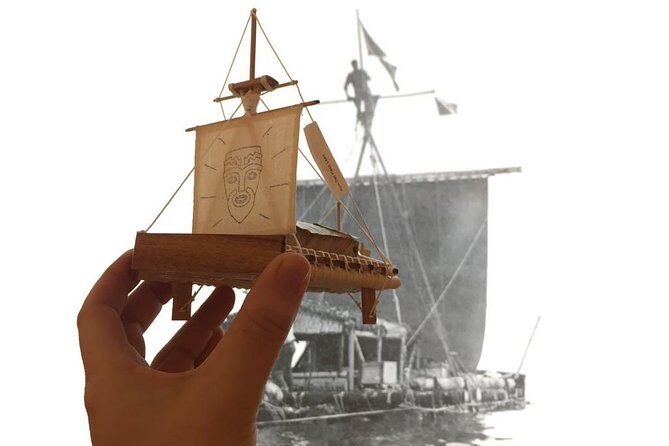
- The original Kon-Tiki raft that made Thor Heyerdahl famous in 1947
- Daily Kon-Tiki documentary screening at 12:00 in the museum cinema
- Ra, Tigris, and more than one expedition vessel on display
- Easter Island, Fatu-Hiva, Tùcume, and Galapagos artifacts that widen the story
- A 30-metre cave tour and an underwater exhibit with a 10-metre whale shark model
A few more Oslo tours and experiences worth a look


Why the Kon-Tiki Museum Works So Well in Oslo
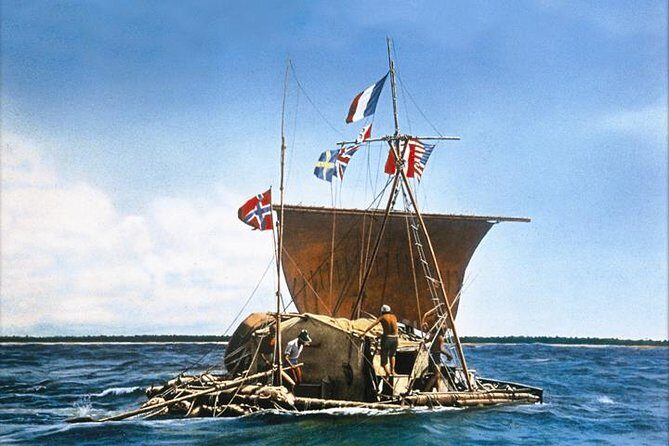
Oslo can be a lot. You can walk into a museum and feel like you’re buying a ticket to a topic that’s way too broad. The Kon-Tiki Museum doesn’t do that. It stays focused on Thor Heyerdahl and the daring voyages that turned him into a household name.
What makes it especially smart as an Oslo stop is where it sits. It’s next to the Fram Museum, so you can combine polar exploration and Pacific exploration in one area. That’s a great setup for planning, and it also helps if you’re traveling with mixed interests—someone wants ships, someone wants stories, someone wants “just something cool to look at.”
If you like museums that show you something you’d never see elsewhere—original craft, specific artifacts, and a clear storyline—you’ll find this one easy to enjoy. It’s also set up for an easy day rhythm. Think: arrive, get oriented, move through exhibits, and catch the film at the right time.
Original Rafts and Real Expedition Vessels
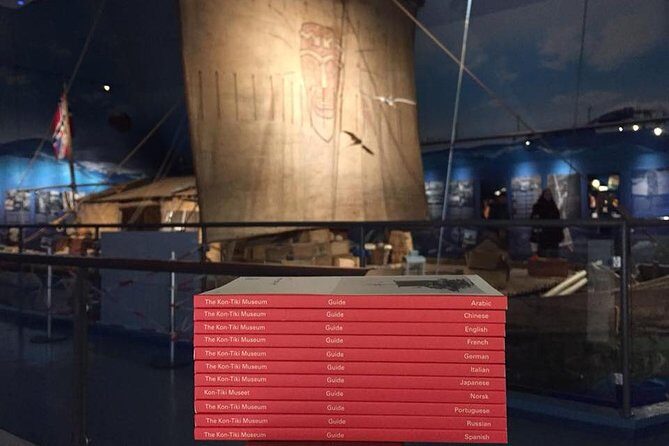
The star attraction is the original Kon-Tiki raft Heyerdahl used for his 1947 expedition. Seeing it in person changes the experience immediately. Photos make the raft feel iconic. In the museum, it feels practical—wood, construction, space, and the reality of what it would mean to live on that for weeks. It’s one of those objects where your brain quietly recalculates “how hard was that, really?”
And the museum doesn’t stop at Kon-Tiki. You’ll also see other vessels from Heyerdahl’s later expeditions, including Ra and Tigris. That matters because it turns the story from a single famous headline into a pattern: Heyerdahl kept returning to the idea that you could learn from the ocean, not just read about it.
Even if you don’t know much going in, you’ll get the key idea fast: these weren’t just trips for adventure bragging. The whole approach was built around research, observation, and testing theories—then telling the story of what happened.
Small tip: if you’re short on time, don’t rush the first raft you see. Take 2–3 minutes to look at the scale and layout. It’s where the museum’s best “wow” moment starts.
The Big Story: Easter Island, Galapagos, and Heyerdahl’s Theory
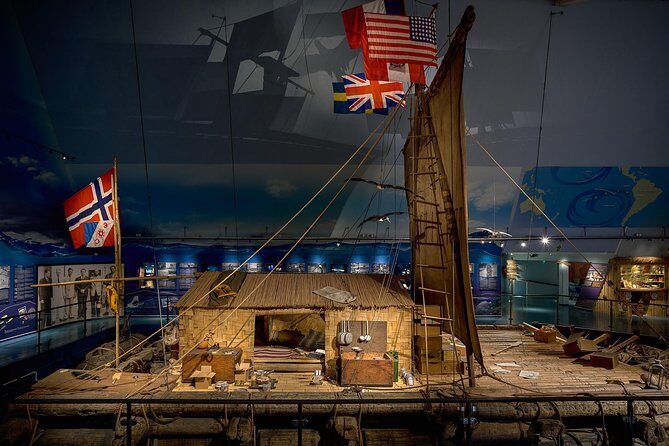
A common reason to skip themed museums is the fear they’ll feel like a single-trick show. The Kon-Tiki Museum avoids that by spreading the story across places tied to Heyerdahl’s research and interests.
As you walk through, you’ll encounter exhibits and artifacts connected to Easter Island, Fatu-Hiva, Tùcume, and the Galapagos. That geographic spread is more than trivia. It helps you understand why Heyerdahl wasn’t just chasing a dramatic crossing of the Pacific—he was trying to connect movement, culture, and the ocean’s role in history.
You’ll also come across Thor Heyerdahl’s library, plus an area featuring Thor Heyerdahl in person. For many people, those elements are the difference between “cool boats” and “real human story.” The library especially gives you a sense that he wasn’t only a showman. There’s a research mindset behind the voyages.
There’s also a corner devoted to Tiki pop culture. That might sound like a detour, but it actually ties back to why Kon-Tiki became so famous. The voyages didn’t just stay in scientific discussions. They entered films, stories, and the wider imagination—and that’s part of the museum’s job: show you the afterlife of an idea.
The Noon Kon-Tiki Film: Your Timing Superpower
If you do just one thing for smarter planning, do this: plan around the film.
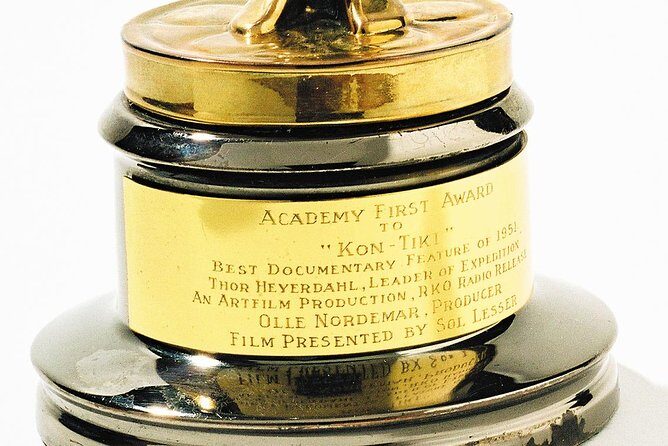
The museum screens the original, Oscar-winning Kon-Tiki documentary film every day at 12:00 noon. The film is a major way the museum turns scattered artifacts into one continuous experience. It also helps if you’re traveling with kids or anyone who loses patience when museums turn too text-heavy.
Practically, the film gives you a built-in milestone. You can arrive, walk the early galleries, then settle into the cinema right on time. If you miss it, the museum still works. But if you can catch it, it adds energy and context.
My advice: if your schedule is tight, aim to get there early enough that you can enjoy at least the first raft or two before noon.
You can also read our reviews of more museum experiences in Oslo



30-Metre Cave Tour and the Underwater Whale Shark Model
One of the most memorable parts for many visitors is that the museum isn’t only flat displays. There’s a 30-metre cave tour, plus an underwater exhibit with a 10-metre model of a whale shark.
Even without extra explanation, you can tell these experiences are designed to make the story physical—ocean scale, ocean mystery, ocean wildlife. The whale shark model, in particular, is the kind of visual you remember later when you’re walking outside Oslo thinking about the Pacific.
The cave tour adds a different kind of atmosphere. It’s a change of pace from reading labels and looking at vessels, and it helps if your group includes people who learn better with sensory input than with text.
Consideration: with a visit that’s around 1 hour, you’ll need to move with purpose if you want the cave and underwater sections and the film. If you’re traveling with a slower group, you may end up choosing what to prioritize.
How Much Time Should You Plan for a Kon-Tiki Visit?
The ticket experience is listed at about 1 hour. That’s enough for a good run—especially if you’re skipping slower stops like souvenir browsing.
But here’s the real-world truth: this museum is at its best when you don’t speed-read. You want enough time to stop at the raft, connect it to the story, and then watch the film if you’re there around noon.
If you’re aiming for a smooth visit, I’d plan your window like this:
- Arrive with time to look at the raft displays
- Slot in the 12:00 film if it matches your day
- Finish with the big special exhibits (cave tour and the underwater section) if you can
If you’re okay with a quick but satisfying sweep, 1 hour can work. If you love ships, world travel, and artifact details, give yourself a bit more time when you can. Some visitors also seem to linger enough that the museum feels more like a longer stop than a quick pop-in.
Family-Friendly or Just for History Nerds?

This is a strong pick for families. The museum is built around visual storytelling: boats you can see, artifacts you can point at, and a film that keeps attention. It also has enough structure that kids don’t feel lost.
If you’re traveling with an 11–teen crowd, the Heyerdahl story is naturally dramatic: ocean risk, engineering, and the “how could anyone do this” feeling. It’s the kind of subject that turns into questions right away—perfect for a family museum day.
Adults get value too. You’re not only getting excitement. You’re also getting artifacts tied to specific places and a research-oriented framing through the exhibits and Heyerdahl materials.
If your group includes someone who gets bored by museums that rely heavily on exhibits with lots of reading, you’ll still have an answer: the film and the big special sections break things up.
Price and Value: Is $19.42 a Good Deal?
The entrance ticket price is listed at $19.42 per person, and it includes local taxes. That matters because it keeps the payment simple—no surprise add-ons just to enter.
Is it a good value? For me, the value comes from two things:
- You’re paying for the real centerpiece (the original Kon-Tiki raft) plus other expedition vessels (Ra and Tigris).
- You get storytelling support through the daily cinema screening and multiple exhibit areas tied to different research locations and themes.
At this price point, it’s competing with other museums that can be hit-or-miss depending on your interests. Here, the topic is narrow enough that it usually lands well, and the objects are strong enough that you don’t need to be a Heyerdahl superfan to feel satisfied.
If you’re doing an Oslo museum marathon, this one is still worth considering—but try not to stack it with too many other ship museums back-to-back. Give it room to breathe.
Practicalities: Getting There and What to Expect
The Kon-Tiki Museum is a near-public-transport stop, and it’s in an easy-to-plan area. A bus from central Oslo can drop you right at the museum area, and the site is also reachable by hop-on hop-off style sightseeing buses.
It’s also close to food. If you want a break, there’s a decent café just outside the museum area, which makes it easier to keep the day moving without paying for a full sit-down meal.
A few other basics you should know:
- Souvenir shop: yes, and it’s a normal museum shop setup.
- Guide: a guide is not included with the ticket.
- Food and drinks: not included.
- Animals: not allowed.
- Participation: most travelers can participate.
If you want the cleanest experience, treat it like a “one strong attraction” day. Pairing it with the Fram Museum next door is a smart use of time.
Should You Book Kon-Tiki Museum Tickets?
Yes—if you want an Oslo museum that’s focused, visual, and strongly tied to real objects.
Book it if:
- You’d like to see the original Kon-Tiki raft and not just read about it
- You’re interested in Heyerdahl’s world—Pacific crossings plus related research places like Easter Island and the Galapagos
- You can catch the 12:00 film screening
- You’re traveling with family and want something that holds attention
Skip or rethink if:
- You’re mainly looking for a detailed, modern biography of Heyerdahl’s entire life and not much else
- Your time is so tight you’d have to sprint through special sections and skip the film
If you’re on the fence, this is one of those tickets where advance planning makes the day easier. With a noon film schedule and a tight, memorable centerpiece, it’s a museum that rewards showing up with a plan.
FAQ
What does my Kon-Tiki Museum entrance ticket include?
Your entrance ticket includes local taxes. It covers admission to the Kon-Tiki Museum exhibits and experiences.
How long should I plan for the Kon-Tiki Museum?
Plan for about 1 hour (approx.). If you want to include the noon film and the special sections, give yourself enough time to move at a comfortable pace.
Is there a film screening at the Kon-Tiki Museum?
Yes. The original Kon-Tiki documentary film is screened every day at 12 noon in the museum cinema.
Where is the Kon-Tiki Museum located in Oslo?
It’s in Oslo and it’s located next to the Fram Museum. It’s also described as being near public transportation.
Can I bring animals into the museum?
No. Animals are not allowed in the museum.
What is the cancellation policy for a full refund?
You can cancel up to 24 hours in advance of the experience start time for a full refund. If you cancel less than 24 hours before, the amount paid is not refunded.