REVIEW · OSLO
History and Secrets of Oslo Tour
Book on Viator →Operated by Artista Tours Experiences · Bookable on Viator
Oslo has a way of rewarding curious walkers. This 3-hour route strings together royal, political, and cultural landmarks with story-driven stops—from the Nobel Peace trail to the Opera House pier. It’s offered in English, runs with a small group (max 10), and uses a mobile ticket so you’re not stuck digging for paper.
What I like most is the pace and variety. You get a tight hit of big-city icons (like the Nobel Peace Center and Oslo City Hall) plus quieter meaning-packed details (like King Christian IV’s legacy and the money-and-trade story around Bankplassen). One thing to consider: it’s a fast-moving overview, so if you want long museum time, you’ll still need to return later on your own.
In This Review
- Key Highlights If You Care About Meaning, Not Just Photos
- Meeting Point: The Royal Palace to Start Your Oslo Story
- Noble Peace Center: Norway’s Peace Narrative, Told in Old Rails
- Quick tip
- Oslo City Hall: Where the Prize Ceremony Happens
- The Palace-to-Central Station Boulevard: Learn the City by Walking It
- Parliament Area: How Democracy Took Shape in Stone and Time
- Practical thought
- Christian IV’s Glove: The Square That Traces Oslo’s Rebirth
- Harbour Fort Grounds: A Medieval View Over the Water
- Note on time
- Bankplassen and the Bank of Norway: How Money Helped Make Oslo
- Deichman Bjørvika: The Library That Works Like a Reset Button
- Oslo Opera House Pier: Modern Oslo, Framed by the Fjord
- Oslo Central Station Finish: Get Your Bearings Fast
- Guides and Group Size: Why the Experience Feels Personal
- Value for Money: Free Entry Stops and a Tight 3-Hour Overview
- What to Wear and How to Plan Your Day
- Who Should Book This Tour
- Should You Book the History and Secrets of Oslo Tour?
- FAQ
- How long is the Oslo tour?
- Where does the tour start and where does it end?
- Is the tour offered in English?
- Do I need a mobile ticket?
- Is there a group limit?
- Is the tour suitable for everyone physically?
- Are service animals allowed?
- Is free cancellation available?
Key Highlights If You Care About Meaning, Not Just Photos
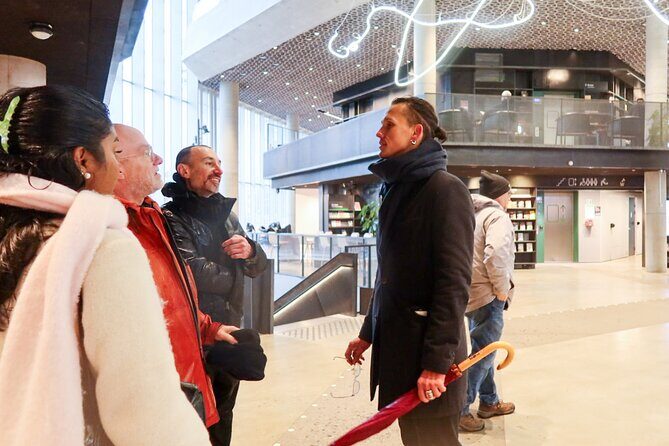
- Nobel Peace Center in a former West Railway Station: modern exhibits and short films tied to real laureates and themes.
- Oslo City Hall murals and ceremony context: you’ll understand what you’re looking at before the facts blur.
- Christian IV’s rebuilding story: from the 1624 fire to the city name Christiania and the modern layout.
- Bankplassen and Norway’s financial growth: trade and banking explained in plain language.
- Deichman Library’s design moment: a calm, light-filled stop that feels like a breath of air.
- Opera House pier views: you’ll connect Oslo’s modern skyline with what’s across the water (including the Munch Museum).
Meeting Point: The Royal Palace to Start Your Oslo Story
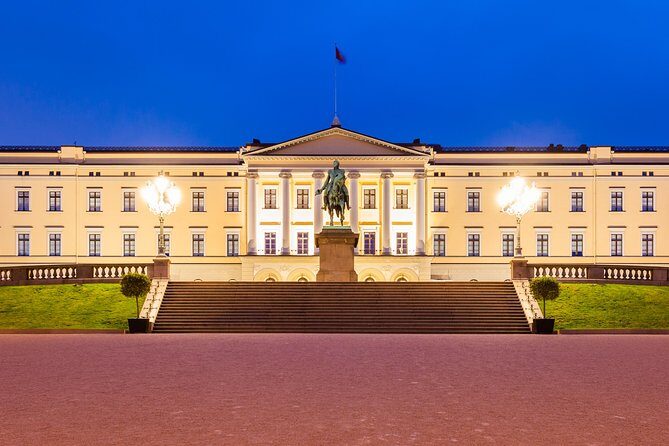
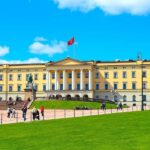
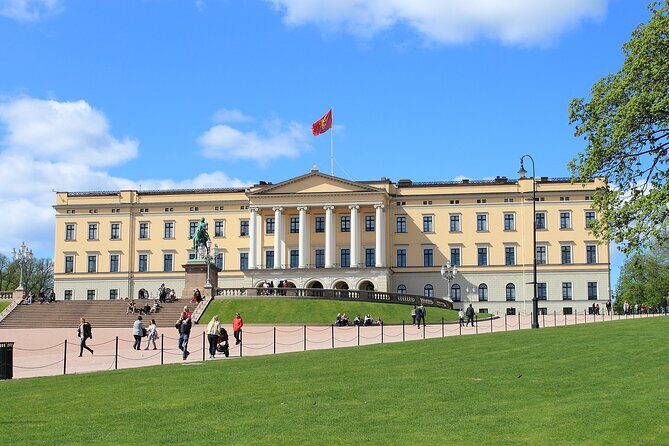
You’ll begin at the Royal Palace on Slottsplassen 1. Starting here matters, because the tour uses the monarchy as a framework for everything else—how Oslo grew, how power shaped space, and how public buildings became stages for national identity.
The walk is designed for real sightlines. You’re not just bouncing between random checkpoints. You’re moving along the city’s structure: palace area, major boulevards, then toward Parliament, the harbour, and finally the Central Station finish.
You can also read our reviews of more historical tours in Oslo


Noble Peace Center: Norway’s Peace Narrative, Told in Old Rails
One of the smartest early stops is the Nobel Peace Center at Aker Brygge by the fjord. It’s in the former West Railway Station, so you’re stepping into a place with industrial bones while the exhibitions explain modern global themes.
What you’ll get here is more than Nobel trivia. The center tells the story of the Nobel Peace Prize and its laureates through modern exhibitions and short films. It also focuses on peace, human rights, and global cooperation—and each year it hosts the official exhibition for the current Nobel Peace Prize winner. That yearly component makes the center feel current, not like a static trophy room.
There’s also a short, story-focused segment tied to the Nobel family and dynamite. Even if you only catch the highlights, it gives you the balancing context behind Alfred Nobel’s legacy—peace work alongside the complicated history that made the Nobel name famous.
Quick tip
Bring your attention to the theme words—peace, human rights, cooperation. If you anchor your listening to those ideas, the exhibits make more sense fast.
Oslo City Hall: Where the Prize Ceremony Happens
Next you’ll hit Oslo City Hall, the building where the Nobel Peace Prize ceremony takes place each year. This is one of those places where a quick look becomes more rewarding once someone points out the details.
You’ll learn about the meaning behind its murals and sculptures and how they connect to Norway’s history. Without that guidance, it’s easy to see the art as decoration. With the guidance, it becomes a visual timeline.
This stop is short but high impact because you’re standing at a real stage of Norwegian public life. The building’s prestige is the hook, but the stories behind the artwork are what keep it from feeling like a photo stop.
The Palace-to-Central Station Boulevard: Learn the City by Walking It
After the formal “big buildings” stops, the tour shifts into strolling mode. You’ll walk along Oslo’s main boulevard that connects the Palace with the Central Station.
This stretch is useful because it teaches you how the city looks when you’re moving through it, not when you’re parking for 20 minutes at a time. You’ll pass elegant architecture and see street life and cultural landmarks along the way—exactly the kind of information that helps you later when you’re planning your own routes.
If you’re visiting for the first time, this is where you start to mentally map Oslo: where the center feels tight, where it opens toward the harbour, and where major institutions cluster.






Parliament Area: How Democracy Took Shape in Stone and Time
You’ll pause by the Parliament building and hear how Norwegian democracy developed over centuries. This matters because the architecture isn’t just dramatic. It’s also political.
Even in a short stop, the guide’s job is to place events in order and explain what changed over time. You’re not being asked to memorize dates. You’re being given a framework so the building doesn’t float in your mind as just another government facade.
Practical thought
If you care about governance and public history, keep your questions for this part. It’s the easiest moment to ask for clarifications and connect the timeline to what you see today.
Christian IV’s Glove: The Square That Traces Oslo’s Rebirth
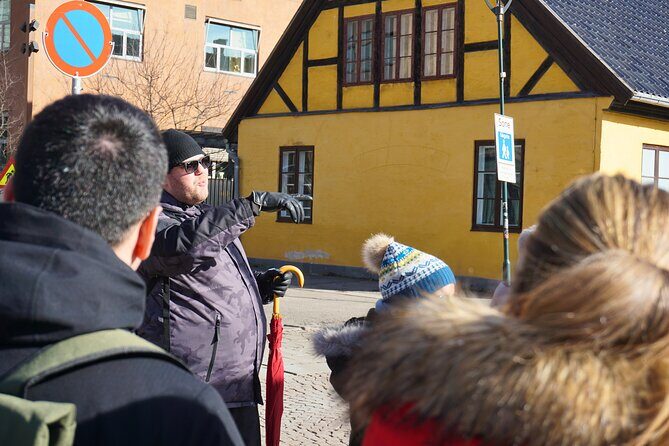
A standout stop is Christian IV’s Glove, a historic square linked to King Christian IV. You’ll learn the story of how this Danish-Norwegian king rebuilt Oslo after a devastating fire in 1624.
The tour also explains how Christian IV’s vision shaped the city’s modern layout—and even the name Christiania. That’s a big deal because the city’s identity used to look and sound different. You’ll start seeing why place names and street planning are a form of power.
The square stop is a reminder that Oslo’s modern order wasn’t inevitable. It was rebuilt, redesigned, and branded after catastrophe.
Harbour Fort Grounds: A Medieval View Over the Water
Next comes the medieval fortress grounds overlooking the harbour. This is the “pause and look” portion, because the point isn’t just history—it’s vantage.
From here, you get a sense of why fortifications were placed where they were. The harbour mattered. Control of movement and trade mattered. The guide’s explanation ties that geography to Norwegian history.
Even if you don’t want to linger, the views help you understand Oslo’s geography for the rest of your trip. You’ll see how the city’s modern parts connect back to the places that once needed defense.
Note on time
This stop is described as grounds-focused. If you’re hoping for lots of indoor exploring at a fortress level, you’ll likely want to follow up later.
Bankplassen and the Bank of Norway: How Money Helped Make Oslo
At Bankplassen, you’ll continue to the Bank of Norway and hear how trade, banking, and innovation helped Oslo grow into a modern capital.
This stop keeps the tour balanced. So much walking tours focus on royalty and politics. Here you get the economic engine behind the scenes: how goods moved, how finance worked, and how new ideas helped a city expand.
It’s the kind of information that makes other sights click. Once you understand the money-and-trade story, Oslo’s institutional buildings feel less random. They start to look planned.
Deichman Bjørvika: The Library That Works Like a Reset Button
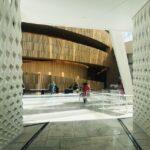
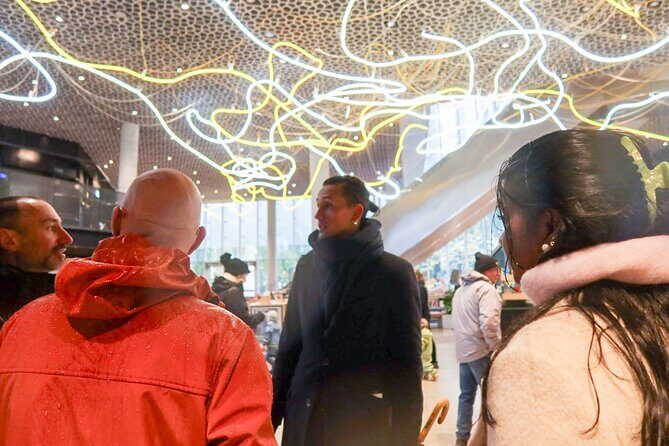
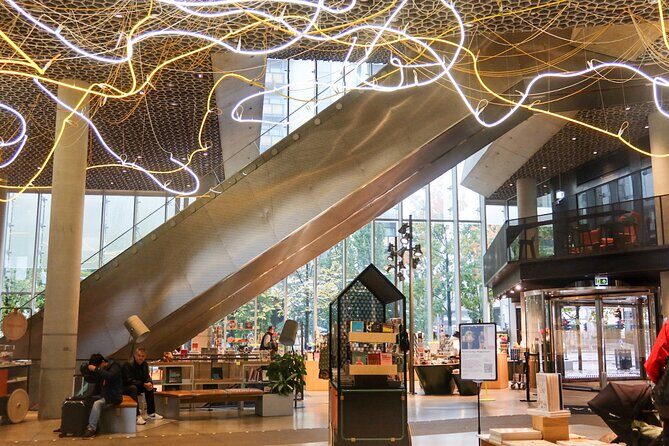
Then you step into Deichman Library at Bjørvika, described as the most beautiful library in the world. Even if you take that claim as marketing, you’ll still see why it’s singled out.
This stop is about design and atmosphere: light-filled interiors and a calm space that reflects Norwegian creativity. It’s a smart move in the tour because it gives your feet a break and your brain a different kind of attention.
If you’re the type who likes architecture that feels human—simple, bright, and functional—you’ll appreciate this stop. It’s also a good moment to check your next plan before you move on.
Oslo Opera House Pier: Modern Oslo, Framed by the Fjord
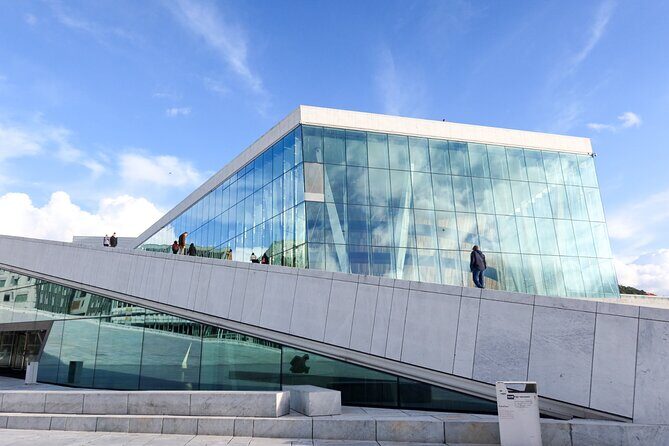
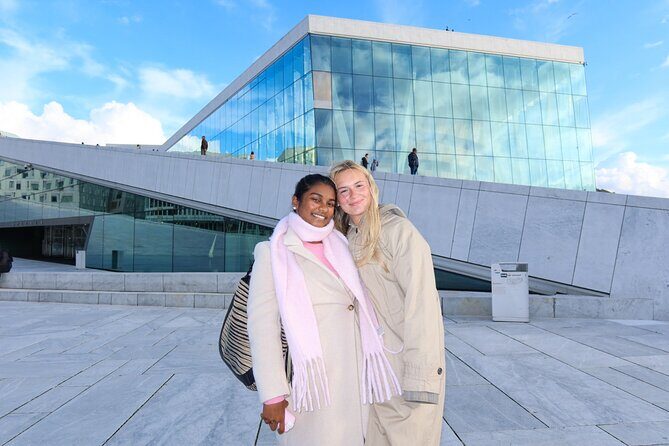
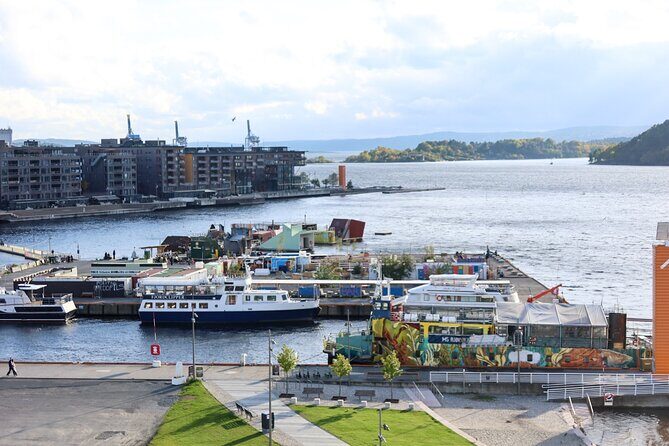
The tour finishes with Oslo Opera House and a short break by the pier. This is where you get one of the most memorable visual transitions of the whole walk: historic governance and fortress views shift into contemporary Oslo’s skyline.
You’ll get views across the water toward the Munch Museum. That connection is handy because it helps you understand how Oslo’s major cultural sites relate spatially, not just in guidebooks.
Even for people who don’t plan to tour the Opera House, this pier moment is worth your time. It’s a clean way to end a history-heavy route with a sense of place.
Oslo Central Station Finish: Get Your Bearings Fast
You’ll end in the heart of the city at Oslo Central Station, finishing near the tiger in front of the train station. It’s practical because Central Station is where you’ll likely be heading next—either to other neighborhoods, day trips, or a simple meal.
The tour ends at a point that makes continuing easy. If you’re trying to compress your first day, this finish location is a gift.
Guides and Group Size: Why the Experience Feels Personal
This walk runs with a maximum of 10 travelers, which helps keep the tone conversational. You’re more likely to get answers that match your interests instead of hearing a generic script.
The guides behind the tour have been repeatedly praised for humour and storytelling. Names that come up include Martin, Monika, Radu, Anders, and Magnus. In practice, that usually means you’ll get clear explanations, room for questions, and a few laughs—not just a march from one landmark to the next.
Value for Money: Free Entry Stops and a Tight 3-Hour Overview
A big part of the value is that multiple stops are marked as admission ticket free for the guided portions, including the Nobel Peace Center and Oslo City Hall. Even when time is short, you’re being guided through meaningful content rather than paying for separate attractions one by one.
You’re also buying time. A 3-hour route can feel like a whirlwind, but with the right focus it becomes a fast way to learn Oslo’s logic. You’ll leave knowing how the city’s major themes connect: monarchy, Nobel peace narratives, democratic development, rebuilding after catastrophe, and the economic story behind growth.
What to Wear and How to Plan Your Day
Because you’re walking and stopping outside between major sites, dress for Oslo weather. On colder days, layers help—one of the guides mentioned keeping energy up even when it was cold.
Plan your schedule so you can relax after. The tour ends at Central Station, but you’ll appreciate downtime afterward, especially if you plan to visit museums or take a fjord boat later.
Who Should Book This Tour
This is a great fit if you want:
- A first-day orientation to Oslo’s key landmarks
- A history-and-meaning walk that explains what you’re looking at
- A small-group experience with humour and active Q&A
- A route that ends where day-trip travel and dinner planning are easy
It’s less ideal if you want long museum time at any one stop. This is a guided overview, not an all-day deep archive.
Should You Book the History and Secrets of Oslo Tour?
I’d book it if you’re short on time and want Oslo to make sense quickly. The combination of Nobel Peace Center, City Hall, Parliament area context, Christian IV’s rebuilding story, and the modern touchpoints of Deichman and the Opera House gives you a rounded picture without dragging you around for half a day.
Book it especially if it’s your first time in Oslo. You’ll get bearings fast, and you’ll know what to return to later with more intentional time.
FAQ
How long is the Oslo tour?
It lasts about 3 hours.
Where does the tour start and where does it end?
It starts at the Royal Palace on Slottsplassen 1 and ends at Oslo Central Station at Jernbanetorget 1, finishing by the tiger in front of the station.
Is the tour offered in English?
Yes, it’s offered in English.
Do I need a mobile ticket?
Yes. You’ll receive a mobile ticket.
Is there a group limit?
Yes, the tour has a maximum of 10 travelers.
Is the tour suitable for everyone physically?
It’s listed for people with a moderate physical fitness level.
Are service animals allowed?
Yes, service animals are allowed.
Is free cancellation available?
Yes. Free cancellation is available up to 24 hours in advance for a full refund.