REVIEW · OSLO
Oslo: Small Group History, Art & Secrets Tour
Book on GetYourGuide →Operated by ArtistaTours · Bookable on GetYourGuide
History and art roll through Oslo fast. This 3-hour small-group walk pairs iconic landmarks with quieter corners, then explains why they look the way they do today. You’ll move from the Royal Palace area toward the waterfront, with big viewpoints over the Oslofjord and stops like Karl Johans Gate and Deichman Library that make modern Oslo feel strangely understandable.
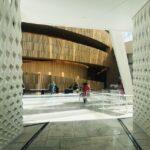
I especially like the way the route tells one continuous story, from Oslo’s early days through rebuilding after major fires. I also love the chance to step inside the Deichman Bjørvika library, because it’s not just pretty architecture—it’s a calm, light-filled pause in the middle of a walking tour.
One drawback: this is a lot of time on foot on city sidewalks, so it’s not a good match if you use a wheelchair or have limited mobility. If the weather turns, you’ll want proper layers and shoes that grip.
In This Review
- Key things that make this Oslo tour worth your time
- Royal Palace to Nobel Peace Center: start where Oslo’s stories begin
- Oslo City Hall and the National Theater: power, culture, and quick photo stops
- Karl Johans Gate to the Parliament: royal rhythm and the Oslo you can walk through
- Akershus Fortress and the Oslofjord angles: old walls, real views
- Bank Square and the Oslo Stock Exchange: how finance shaped a modern city
- Opera House pier and Deichman Bjørvika: modern landmarks with a calm reset
- Small group pacing: why it feels personal in a busy city
- What you should bring and how to plan your 3 hours
- Who this Oslo walking tour suits best
- Should you book ArtistaTours Oslo: Small Group History, Art & Secrets?
- FAQ
- How long is the Oslo walking tour?
- Where does the tour start?
- Where does the tour end?
- What’s included in the price?
- Are there any museum visits during the tour?
- How big is the group?
- What languages is the guide available in?
- Is this tour suitable for wheelchair users or mobility impairments?
- What should I bring with me?
Key things that make this Oslo tour worth your time
- Deichman Bjørvika entry included so you get inside a standout modern building without planning extra ticket steps
- Small group (up to 10) keeps questions easy and the pace comfortable
- A tight route that connects the city’s eras instead of treating landmarks like separate photo backdrops
- Royal center to waterfront viewpoint work so you see power, culture, and Oslo’s coastal attitude in one sweep
- Finance and rebuilding stories around the Bank Square area help explain how Oslo became the modern Scandinavian hub it is now
- Guide energy and Q&A-friendly pacing show up again and again, including thoughtful answers even when the weather is rough
Royal Palace to Nobel Peace Center: start where Oslo’s stories begin
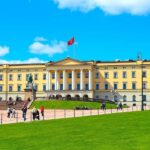
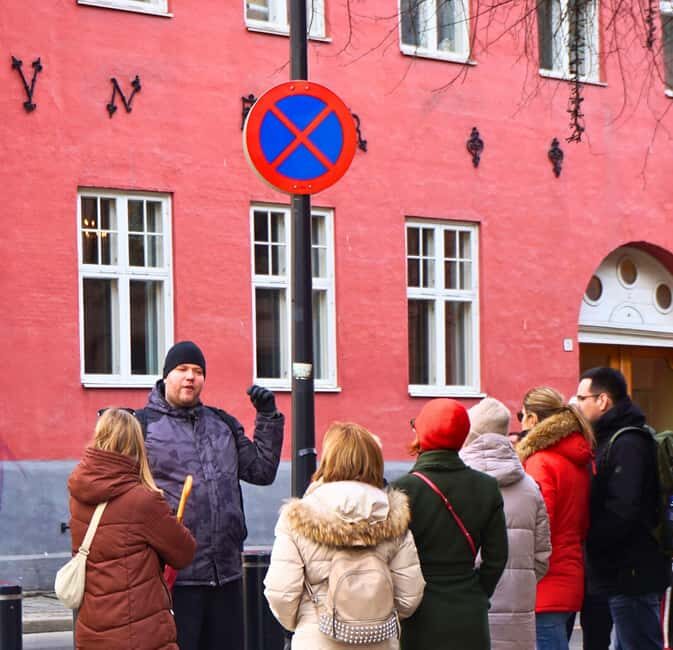
You start right where the city’s formal side shows up first: in front of the Royal Palace, with a red umbrella as your landmark. From there, the walk kicks into context mode—who held power, how Oslo developed, and why so much of the center feels planned rather than accidental.
A short stop at the Nobel Peace Center adds a modern anchor. Even if you don’t go inside, it helps you frame Oslo as more than a Nordic postcard. The guide links today’s global attention to the culture and institutions that grew up around the city, and that connection makes later stops make more sense.
If you like turning a street into a timeline, this part works well. You’re not just seeing buildings—you’re getting the “why” behind where they sit. The only thing to watch here is timing: this is a walking tour with quick photo pauses, so if you tend to linger, you’ll want to keep moving between stops so the whole route stays on track.
You can also read our reviews of more historical tours in Oslo


Oslo City Hall and the National Theater: power, culture, and quick photo stops
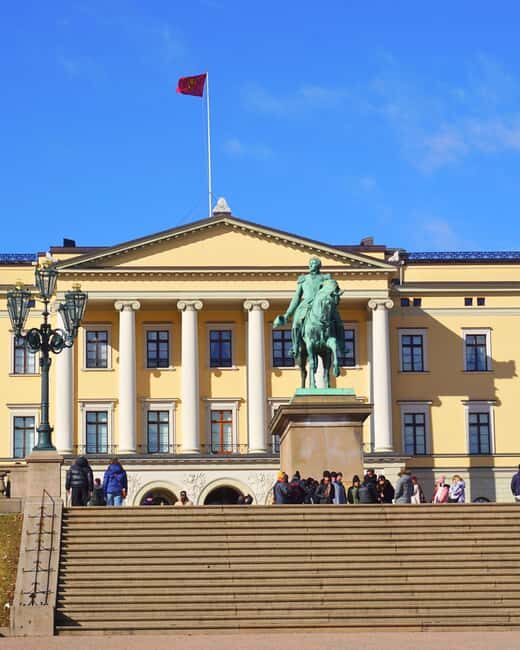
Next comes the Oslo City Hall, where you get a guided look and a brief chance to take photos. City Hall can feel intimidating from the outside, but on this tour it’s treated like a storytelling tool—how civic leadership and architecture reflect what a society values.
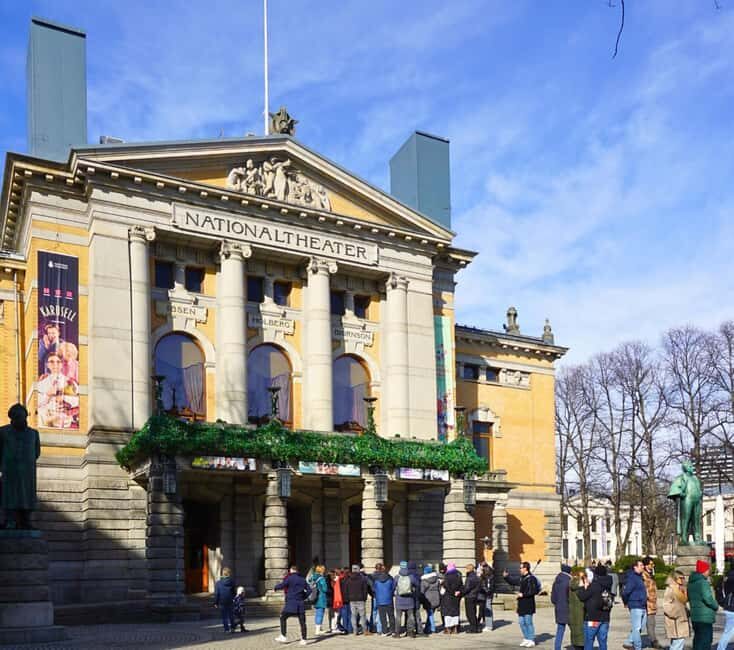
Then the Norwegian National Theater joins the loop. You’ll make a photo stop and also get a guided visit, plus scenic views along the way. This stop is helpful if you’re the kind of traveler who likes arts and buildings sharing the same stage. It’s also a nice breather, because theater spaces tend to make guides talk about culture in a more human way.
A practical tip: bring your camera ready but don’t spam it at every curb. The guide’s explanation tends to come right before or during the best viewing angles. Wait a moment, listen, then shoot. That way you collect photos you understand, not just photos you took.
Karl Johans Gate to the Parliament: royal rhythm and the Oslo you can walk through
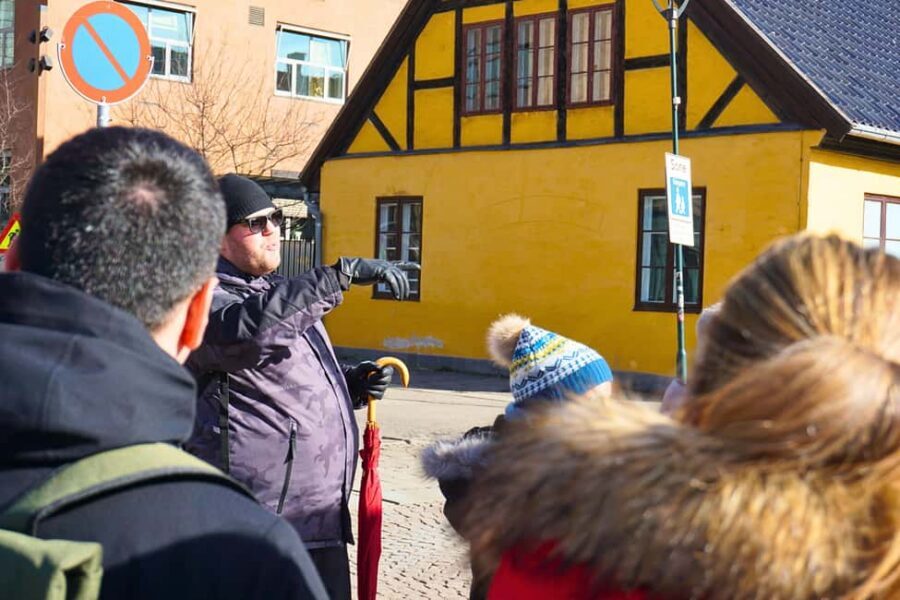
Karl Johans Street is the spine of central Oslo, and on this tour it’s treated like a moving viewpoint. You get a guided walk here, with stops for photos and city context. This is where the city’s historic center starts to feel cohesive—street scale, architectural style, and key institutions in walking distance.
The Norwegian Parliament comes next, again with a guided look and time for photos. This is one of those stops where knowing the setting changes what you see. The guide frames it in terms of governance and national identity, not just as a big building to tick off.
Right after that, Christian IV’s Glove adds a quirky edge. It’s the kind of detail that keeps a history walk from turning into a lecture. You’ll stop, learn why it exists, and then keep walking with a better sense of how Oslo people value specific markers, even strange ones.
The biggest benefit in this section is flow. You’re not bouncing around Oslo—you’re moving down a path that the city itself uses. The trade-off is that it stays in central, busy zones. If you dislike crowds even in daylight, you’ll feel more foot traffic here than at the fortress or the waterfront.
Akershus Fortress and the Oslofjord angles: old walls, real views
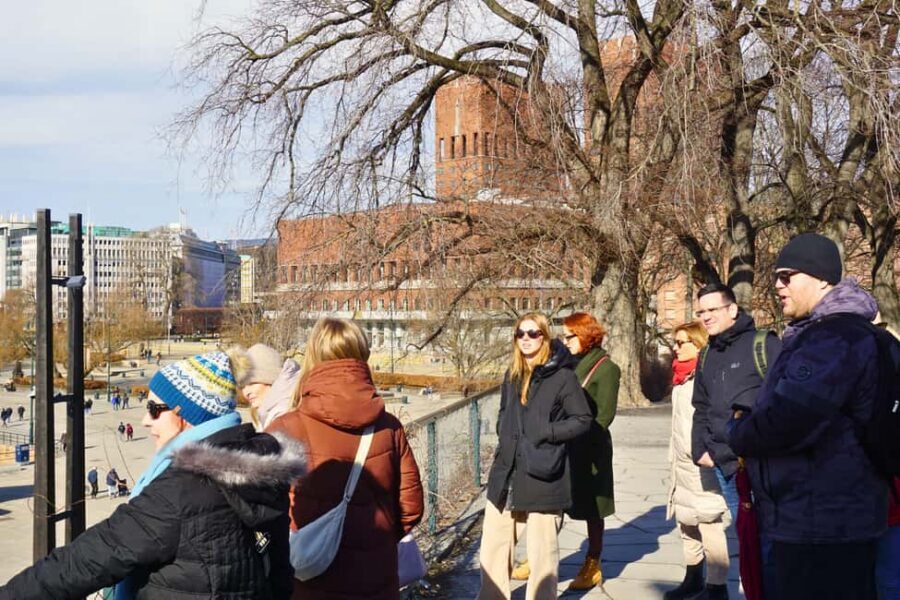
Akershus Fortress is where Oslo’s story gets physical. You’ll photo-stop and then walk through the fortress area with guided context. It’s not just “look at the castle.” The guide ties the fortress to how protection, power, and city development shaped the waterfront edge.
This is also one of your best moments for views. The tour emphasizes scenic perspectives overlooking the Oslofjord, and Akershus is a natural place to pause and let the landscape do its job. If you’re traveling in cloudy weather, keep an eye out for cleared breaks in the clouds—you can still get strong silhouettes and water glints, even when it’s gray.
One consideration: fortress terrain can mean uneven ground and steps in spots. This tour isn’t designed for mobility impairments, and even for fully able walkers, you’ll want shoes with good traction. Take your time on transitions between paved paths and any rougher sections.
Bank Square and the Oslo Stock Exchange: how finance shaped a modern city
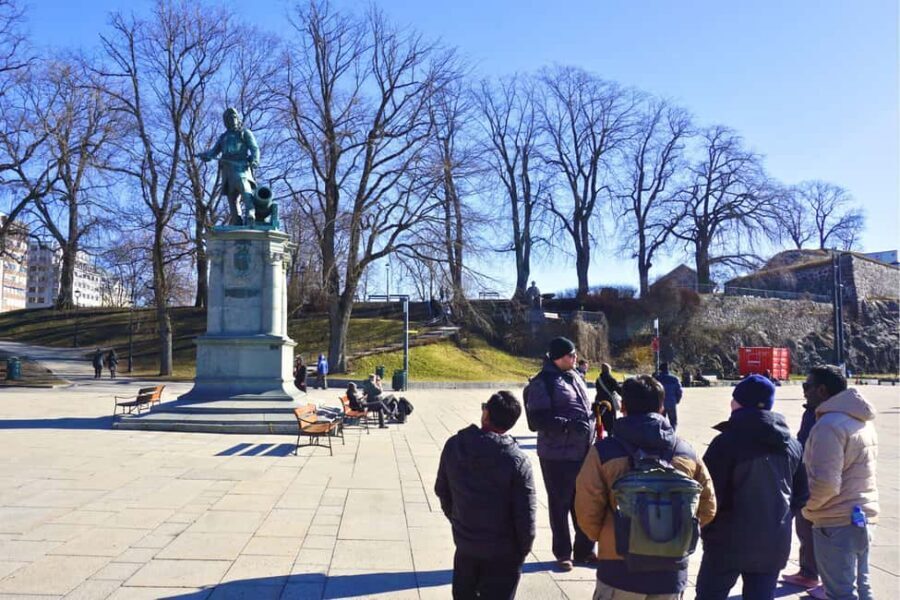
Once you move into the Bank Square and Stock Exchange area, the tour’s theme takes an interesting turn. You’ll pass or see the Bank of Norway and learn how trade and finance helped shape Oslo into the modern hub it’s known for. Then you’ll stop at the Oslo Stock Exchange for a guided visit/photo moment.
This part is valuable because it explains how cities grow beyond politics and monuments. Oslo didn’t become modern only through buildings—it also grew through systems: commerce, markets, and financial structures that supported daily life and long-term planning.
It also gives you an anchor for understanding why later stops feel so confident and modern. When you get to the Opera House and Deichman Bjørvika, you can see the city’s “this is where we’re going” mindset in the design language.
If you’re not a finance person, don’t worry. The goal here isn’t to make you study numbers. It’s to make you see that institutions and skylines are related, and that story comes through quickly as you walk.






Opera House pier and Deichman Bjørvika: modern landmarks with a calm reset
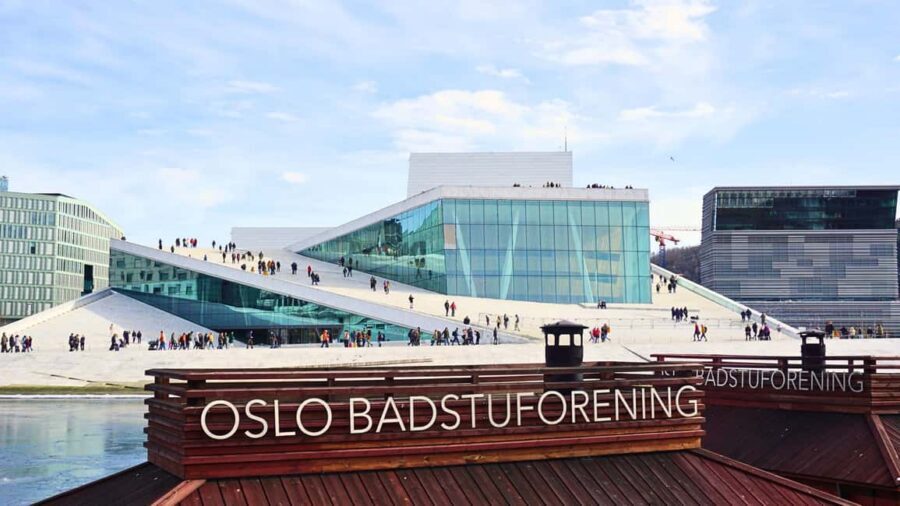
The waterfront section is the emotional payoff. You’ll reach the Oslo Opera House with guided time plus photo opportunities and a short break. From the pier side, the route also frames modern landmarks such as the Munch Museum area, with viewpoints that help you understand why Oslo’s waterfront is treated like an attraction rather than a boundary.
If you’ve only seen Oslo from a distance, this stretch helps you see the city’s relationship with water. It’s not a backdrop. It’s a daily rhythm, and the buildings were designed to meet it.
Then comes the real sanity check: Deichman Bjørvika. You step inside the library, which is widely known for its award-level design and its calm, light-filled spaces. This is the kind of stop where you stop moving for a minute and let the tour register. You can explore freely during the time given, and it’s also a good place to warm up if the weather is cold.
Practical move: use the library break to reset your phone battery, drink water, and re-check your route back to the finish near Oslo Central Station. This helps you avoid the “late-tour sprint” feeling that can happen when you push too hard for photos.
Small group pacing: why it feels personal in a busy city
The small group size—limited to 10 participants—changes the whole tone. You’re not shouting over a crowd. You’re not racing the guide from one curb to the next. Instead, you can actually ask questions and get answers that connect the next stop to the last one.
You’ll likely notice patterns in the guide style too. Guides such as Lester and Martin have been described as strong at tying history and culture together. Monica and Michael were called out for being patient with questions, and Anders was noted for mixing stories with practical stay tips and keeping time for slower walkers. In other words: the tour isn’t just facts on a schedule. It’s a conversation that stays on track.
Also, the guide can help with photography moments. People have been glad for extra help with questions and picture timing, which matters in Oslo where the best light often shows up for a short window.
What you should bring and how to plan your 3 hours
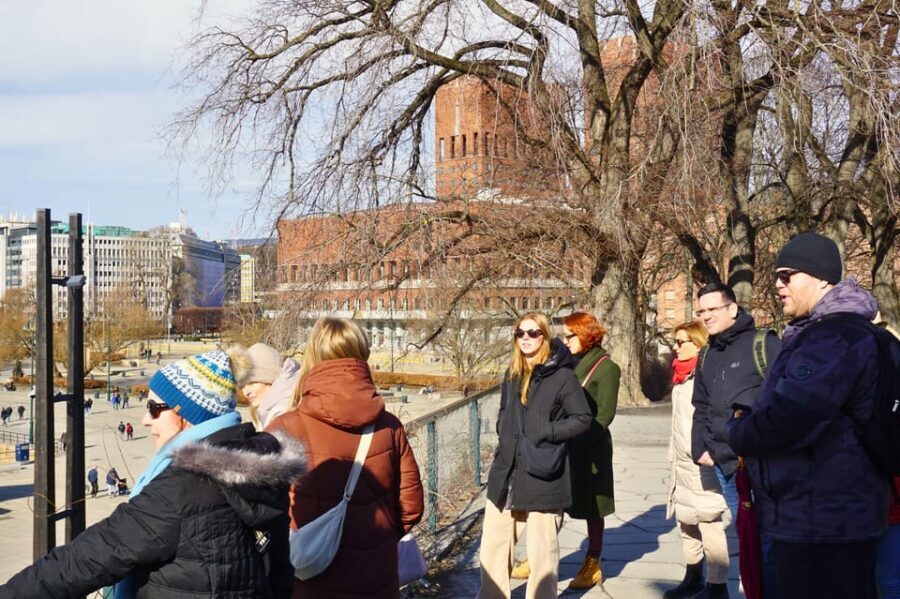
This tour rewards preparation because the route is mostly on foot and runs in real city weather. Bring comfortable shoes first—non-negotiable. Next, pack water and dress in layers you can adjust fast. Oslo can shift from pleasant to damp in a hurry.
If you’re into photos, bring your camera (or phone with a charged battery). The stops include multiple photo opportunities at royal buildings, theaters, political institutions, a fortress area, and the Opera House waterfront. But don’t just shoot everything. Wait for the guide’s context and then capture what matters.
Finally, plan to end your day with an easy next step. The tour finishes near Oslo Central Station, so it’s simple to hop to dinner, transit, or a museum you care about most. Museum ticket entries aren’t included, so think about which one you want to add later and keep time for it.
Who this Oslo walking tour suits best
This is a great fit if you want:
- A first-time Oslo overview that connects landmarks into a story
- History + art + architecture in one practical walking loop
- A chance to see the modern face of Oslo at the Opera House and in Deichman Bjørvika
- A guide-led experience where you can ask questions and get real explanations
It’s also good if you like “how things became what they are.” The tour’s focus on rebuilding after fires and on how trade and finance shaped the city gives you that bigger-picture sense of Oslo quickly.
Skip it if:
- You need wheelchair access or are not comfortable with long stretches of walking
- You want a museum-heavy day with long indoor stays (this tour includes library entry, but not other museum tickets)
Should you book ArtistaTours Oslo: Small Group History, Art & Secrets?
If your goal is to understand Oslo faster—without bouncing around for hours—this is an efficient choice. For $35 per person, you’re paying for a guided storyline plus entry into Deichman Bjørvika, which is exactly the kind of “one stop you’d otherwise miss” value that makes walking tours work.
Book it if you enjoy city context: how royal power turns into civic identity, how past destruction leads to rebuilding, and how modern Oslo expresses itself along the waterfront. You’ll come away with a clearer sense of the city’s personality, not just a stack of landmark photos.
Don’t book it if you want a fully accessible, low-walking experience or if you prefer spending most of your time inside museums. This one is for moving, looking, listening, and occasionally slowing down for a breath of light-filled architecture.
FAQ
How long is the Oslo walking tour?
It lasts 3 hours.
Where does the tour start?
You meet right in front of the Royal Palace, with a red umbrella open.
Where does the tour end?
The tour finishes near Oslo Central Station.
What’s included in the price?
You get a guided tour with a local guide, scenic viewpoints, and entry into Deichman Library. Museum tickets are not included.
Are there any museum visits during the tour?
You will enter Deichman Library, but ticketed museum entries are not included.
How big is the group?
It’s a small group limited to 10 participants.
What languages is the guide available in?
Spanish, Italian, German, and English.
Is this tour suitable for wheelchair users or mobility impairments?
No. It’s not suitable for people with mobility impairments or wheelchair users.
What should I bring with me?
Wear comfortable walking shoes, bring a camera, and pack water and weather-appropriate clothing.