REVIEW · OSLO
Oslo: Historic Myths & Legends Evening Walking Tour
Book on GetYourGuide →Operated by Oslo Walking · Bookable on GetYourGuide
One cold, myth-heavy walk through Oslo feels like switching on a different city. I love how the guide turns Norse folklore into something you can see on buildings, not just read about, and I especially liked the stop at City Hall for the wooden friezes tied to Viking beliefs. The only real drawback: it’s an outdoor winter stroll, and the wind can be sharp.
You’ll cover a tight route in about 2 hours, from City Hall to Christiania Torv, then on to Akershus Fortress and more key sites, all while your guide keeps things funny, clear, and question-friendly. Just plan for comfortable shoes and expect it to run at a relaxed walking pace through dark streets.
In This Review
- Key Highlights Worth Your 2 Hours
- A 2-Hour Oslo Night Walk Built on Myths, Not Museums
- City Hall’s Swans Fountain: Where Viking Beliefs Meet Street-Level Storytelling
- Christiania Torv: A Historic Square That Feels Like a Story Waiting for You
- Akershus Fortress: Medieval Engineering and the Human Drama of Stone Walls
- Bankplassen: Audacious Theft, Medieval Justice, and Why Crime Stories Fit Oslo
- Oslo After Dark: How to Stay Comfortable When the Wind Turns Mean
- What You Pay for $42: Live Storytelling Value You Can Actually Use
- Who This Tour Is Best For (and Who Might Want to Skip It)
- Should You Book Oslo’s Historic Myths & Legends Evening Walk?
- FAQ
- Where does the tour start?
- How long is the walking tour?
- How much does it cost?
- What’s included in the tour price?
- What’s not included?
- Is the tour underground or focused on ghost-hunting?
- What should I wear or bring?
- Is the tour suitable for children?
- Is it accessible for people with mobility impairments or wheelchair users?
- What language is the tour guide?
Key Highlights Worth Your 2 Hours
- Start at Oslo City Hall’s Swans fountain and get immediate context for the stories you’ll hear
- Viking belief friezes in wood that connect old worldview to city architecture
- Christiania Torv’s historical square energy, where the guide ties legends to real places
- Akershus Fortress engineering and medieval life, including what happened behind those stone walls
- Bankplassen justice-and-theft stories, with a medieval twist on crime and punishment
- Guides who use humor and interactive storytelling (Maria and Anastasia show up in recent departures)
A 2-Hour Oslo Night Walk Built on Myths, Not Museums
Oslo at night has a clean, modern look—but this tour nudges you to notice the older layer underneath. Instead of treating myths like campfire fluff, I like how the stories are used as a lens for daily life: what people feared, what they protected against, and what they believed power looked like.
The format is simple and efficient. You’re out for about 2 hours, walking at an easy pace, stopping where legends connect to real architecture and history. It’s also an English-language live guided experience, so you’re not stuck piecing together details on your own.
My main takeaway: this is a good first-day activity if you want to get your bearings fast and still come away with details you can use later when you explore on your own.
You can also read our reviews of more walking tours in Oslo



City Hall’s Swans Fountain: Where Viking Beliefs Meet Street-Level Storytelling
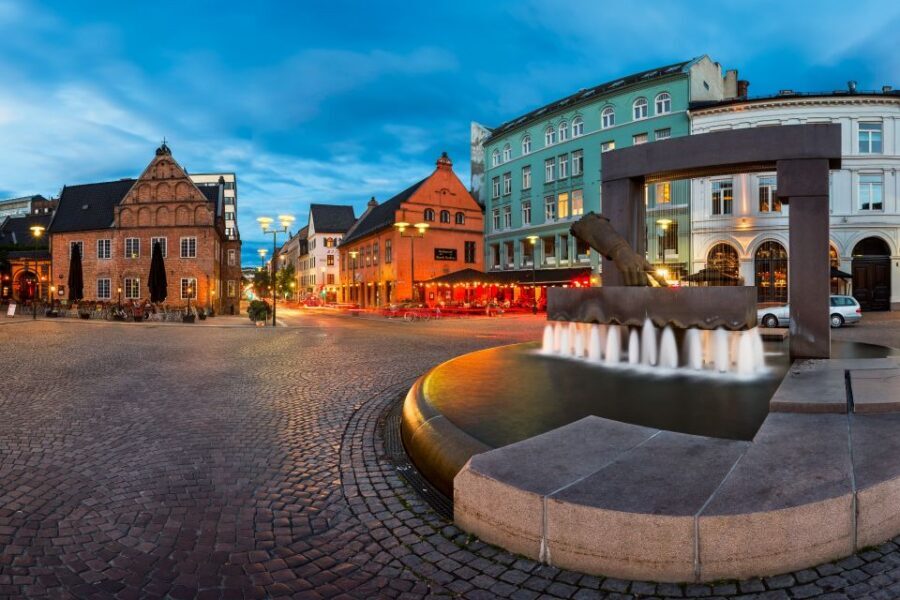
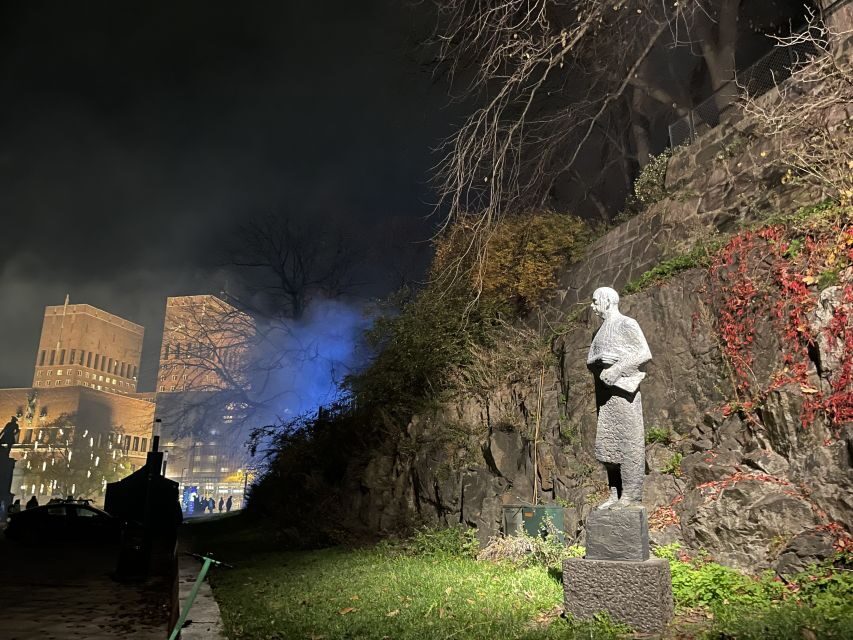
Your evening starts near the Swans fountain at the entrance of Oslo City Hall, on Fridtjof Nansen’s square. That opening matters because it sets the tone: you’re not just visiting buildings—you’re learning how Oslo’s official spaces have carried myth and meaning for generations.
One of the most praised parts is the focus on the wooden friezes on the walls inside City Hall. These carvings depict Viking beliefs, and the guide explains them in a way that makes the symbols feel practical rather than abstract. You start noticing that mythology wasn’t only entertainment; it was a way to explain the world, manage fear, and give shape to power and protection.
If you get a guide like Maria or Anastasia, you’ll likely hear a mix of humor and sharp historical context. Several past guests specifically called out the guides’ sense of humor, patience with questions, and an ability to keep the group engaged even when weather turns serious.
Practical tip: wear layers. The tour is short, but you’ll be going in and out of spots around the city, and Oslo winters have a way of getting into your bones quickly.
Christiania Torv: A Historic Square That Feels Like a Story Waiting for You
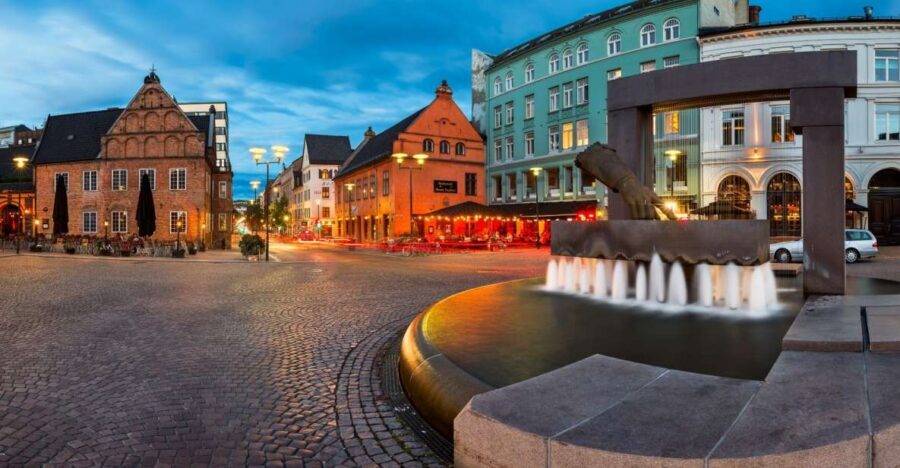
Next comes Christiania Torv, a historic square that has seen Oslo’s changing moods for a long time. What’s useful here is how the guide treats the square as more than scenery. You’re learning which events and stories left marks on the city’s layout and mindset, and you’ll probably start recognizing why Oslo feels the way it does—straight streets, clear sightlines, and a sense of order shaped by centuries of decisions.
This stop is also where the tour’s folklore characters become more vivid. Expect stories involving mischievous trolls, kind-hearted nisse, and the mysterious huldra—and more importantly, how those beings show up in everyday attitudes and local imagination. In one of the more memorable bits, the tour even connects folklore details like the fear of flutes and the protection of bells to how people thought about safety.
Even if you’re not obsessed with mythology, this part helps you understand the cultural background. It gives you a way to interpret signs, architecture, and place names without needing a textbook.
Akershus Fortress: Medieval Engineering and the Human Drama of Stone Walls
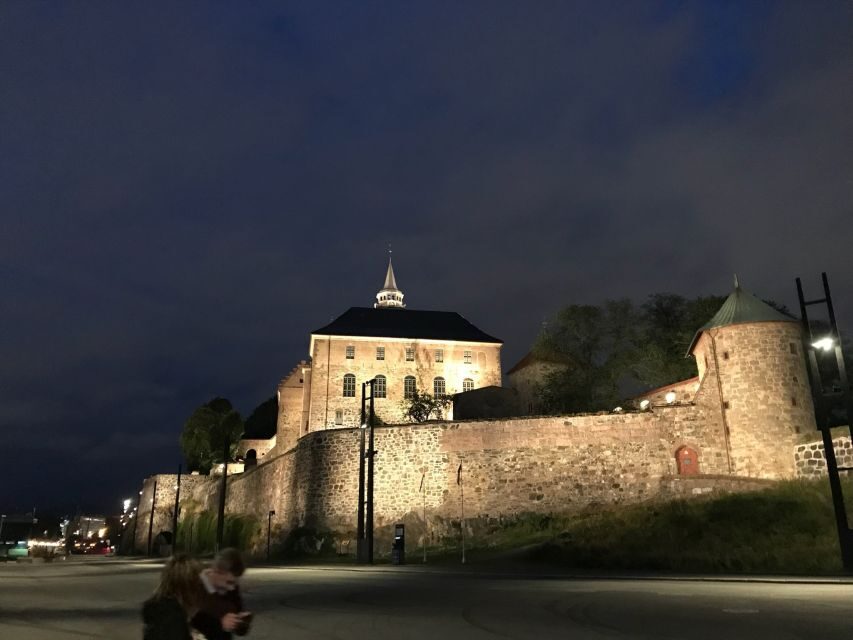
Then it’s on to Akershus Fortress, one of the biggest reasons this tour feels more substantial than a quick “stand-and-take-photos” walk. The guide emphasizes intricate designs and engineering marvels, and that focus changes how you see the fortress. Instead of only thinking about views, you’re paying attention to why the structure works the way it does: placement, defensive logic, and the sense of control that stone provides.
The stories here lean human. You’ll hear accounts tied to prisoners and what the walls meant in practice. That’s where the tour does something clever: it uses legend and atmosphere, but it doesn’t lose the thread of real-world history. The result is that the fortress feels like a living setting, not just a monument.
If you’re the type who likes “how did they build this” and “why did they do that,” this is likely your favorite stop. Past guests also mentioned how satisfying it felt to hear both fortress stories and the darker folklore ideas tied to spirits and strange kingdoms—without turning it into a ghost hunt.
Bankplassen: Audacious Theft, Medieval Justice, and Why Crime Stories Fit Oslo
A big portion of the experience centers on Bankplassen, where the guide shares episodes of audacious thefts and intricate robberies. The key isn’t that it’s sensational. It’s that the guide connects crime stories to what justice looked like in medieval Oslo, including how punishments were handled.
This is a fun twist, because it shifts myths from supernatural beings to societal behavior. You start to see that fear in old cultures didn’t only come from trolls and hidden folk. People also feared consequences—public, harsh, and very real. When you understand that, the fortress stories and the square stories land harder.
It also helps you appreciate why this tour is pitched as myths and legends with a history backbone. The legends give you atmosphere. The justice stories give you stakes.
You can also read our reviews of more historical tours in Oslo






Oslo After Dark: How to Stay Comfortable When the Wind Turns Mean
Even in a perfect itinerary, winter weather can wreck your attention span. The good news: this tour is built for an evening schedule and a walking pace, and many guests described it as manageable even in brutal cold. A number of past departures highlighted snow, wind, and temperatures that made staying outside challenging—but the tour still worked because it’s paced and storytelling-heavy.
Here’s what you should do:
- Wear comfortable shoes with solid traction.
- Dress in layers you can adjust as you warm up between stops.
- Bring a hat and gloves. When the wind hits Oslo’s streets, you’ll appreciate small comfort moves.
Also note the tour is not about wandering underground. You might hear legends involving ghosts or underground kingdoms, but the walk stays focused on relevant locations on the surface and in-and-around central Oslo. So you can relax about safety and expectations—this is history and culture through myth, not an underground expedition.
What You Pay for $42: Live Storytelling Value You Can Actually Use
At $42 per person for a 2-hour guided evening walk, you’re paying for something that’s hard to replicate: a local storyteller linking legends to specific buildings you can’t easily decode alone.
Included in the price are a live English-speaking guide and all taxes. Not included are food and drinks, so budget for a quick stop before or after the tour if you’re hungry. The walking time is long enough that a full dinner won’t happen mid-tour, but short enough that you can still plan dinner after.
Is it “worth it”? If you like context—why a place matters, why a symbol appears in architecture, why a myth became part of local identity—this is strong value. If you only want famous landmarks with minimal explanation, you might feel like you’re paying for stories you could read online. But the overall rating and the repeated praise for storytelling quality suggest the majority of people come for the narrative and leave satisfied.
Who This Tour Is Best For (and Who Might Want to Skip It)

This is best for you if you want:
- An intro to Oslo that’s more interesting than a standard sightseeing loop
- Norse myths explained in a way that connects to real places
- A guided walk where you can ask questions and get clear answers
In the colder months, it’s also a good match if you want to experience evening Oslo without spending hours figuring out routes. Several guests specifically said the dark streets and winter atmosphere made the stories feel extra alive.
You might want to skip it if you:
- Need accessibility support beyond what a walking tour can provide. The tour is listed as not suitable for wheelchair users and people with mobility impairments.
- Are traveling with kids. The tour is not suitable for children under 13.
Should You Book Oslo’s Historic Myths & Legends Evening Walk?
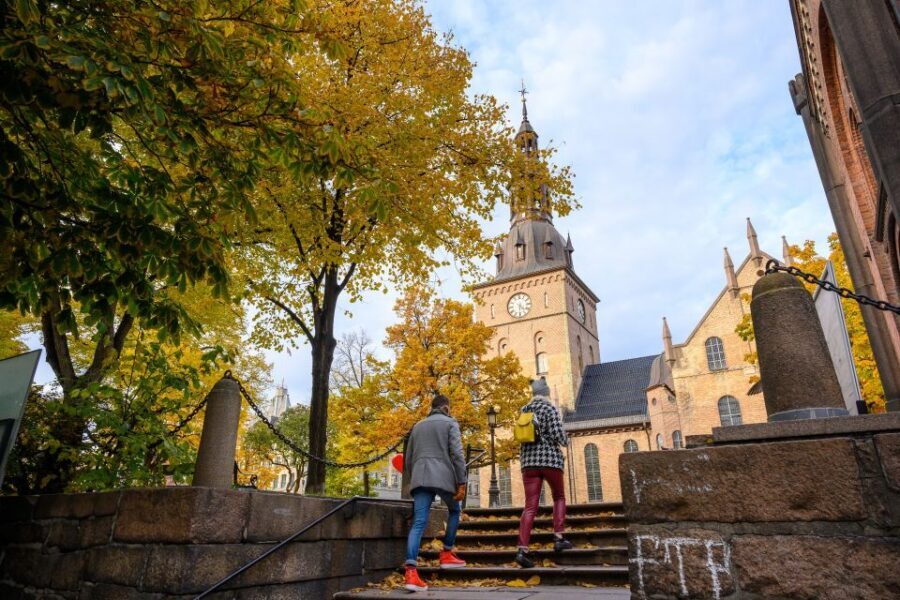
If you’re planning a first Oslo visit, I think it’s an easy yes. The combination of City Hall Viking friezes, a guided route through key historic stops like Christiania Torv and Akershus Fortress, plus the added twist of medieval theft and justice stories gives you a lot of meaning per minute.
Book it if:
- You like folklore, but you also want the cultural and historical why behind it
- You enjoy humor from a guide and a Q&A-friendly pace
- You’ll be in Oslo at a time when an evening walk feels fun rather than miserable
Skip it if:
- You want a light, low-story tour with minimal walking
- You’re not comfortable with an outdoor evening in winter conditions
FAQ
Where does the tour start?
Meet your guide near the Swans fountain at the entrance of Oslo City Hall on Fridtjof Nansen’s square.
How long is the walking tour?
The tour runs for 2 hours.
How much does it cost?
The price is $42 per person.
What’s included in the tour price?
You get a live English-speaking guide and all taxes.
What’s not included?
The tour does not include hotel pickup and drop-off and it does not include food and drinks.
Is the tour underground or focused on ghost-hunting?
No. The tour is not a ghost-hunting expedition and you will not be venturing underground. Stories may reference ghosts or underground kingdoms, but the focus stays on cultural and historical significance at relevant locations.
What should I wear or bring?
Bring comfortable shoes.
Is the tour suitable for children?
No, it is not suitable for children under 13.
Is it accessible for people with mobility impairments or wheelchair users?
No. The tour is listed as not suitable for people with mobility impairments and wheelchair users.
What language is the tour guide?
The tour is offered in English.