REVIEW · OSLO
A Well Balanced History and Food Tour with Focus on the Scandinavian Kitchen
Book on Viator →Bookable on Viator
Oslo eats its history out loud. This 3-hour Scandinavian kitchen and city-walk tour strings together major landmarks and real food stops in central Oslo, with guides often explaining how Norway’s geography shapes what ends up on the plate. I love the history-and-food mix you get in the same outing, and I love the way guides such as Tanya-Lisa connect what you’re tasting to the country around you.
One thing to plan for: food tastings are not included in the tour price, and Sunday/after-6PM departures can have fewer tasting options.
In This Review
- Key Highlights You Should Actually Care About
- Price and Logistics: What You’re Paying For
- How the 3-Hour Route Plays Out in Central Oslo
- Stop 1: Norwegian National Opera & Ballet and the Oslo “Why”
- Aker Brygge: Where the Food Story Gets Coastal
- Oslo City Hall: Modern Norway Through Civic Architecture
- Akershus Fortress: Medieval Walls, Fjord Ingredients
- The Scandinavian Tastings: Salmon, Fish Soup, Chocolate, and Local Beer
- Sunday and After-6PM: When the Food Stops Shrink
- What I’d Pack and Plan So You Don’t Overspend
- Who This Oslo Tour Fits Best
- Should You Book This Oslo Food and History Tour?
- FAQ
- FAQ
- How long is the Oslo Scandinavian kitchen tour?
- Where does the tour start and end?
- Is pickup offered?
- Is the tour available in English?
- How big is the group?
- What is the price and how is it charged?
- Are food tastings included in the tour price?
- What foods should I expect to try?
- Are tastings limited on certain days?
- What is the Salmon Trilogy?
- Can I get a refund if I cancel?
Key Highlights You Should Actually Care About
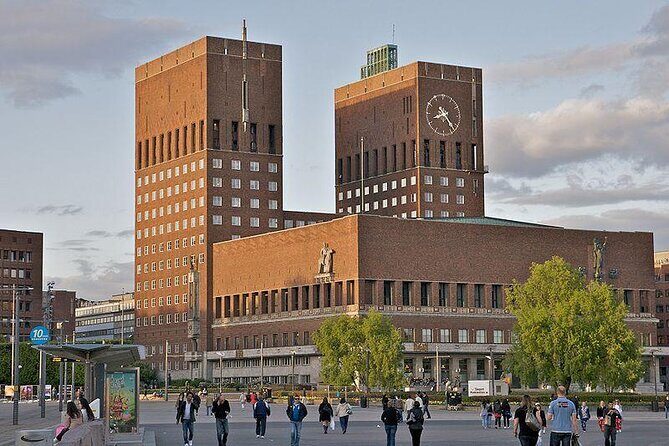
- Landmarks with context: you’ll see the Norwegian National Opera & Ballet, Oslo City Hall, and the medieval feel of Akershus Fortress while your guide ties them to Norwegian life.
- A classic Oslo harbor route: the walk includes Aker Brygge, one of the easiest places to understand how the city opens to the water.
- Tasting-style food stops (paid by you): expect Norwegian staples like salmon and often fish soup when in season, plus local beer and other bites.
- Group size stays small: the experience caps at 12 travelers, so you’re not lost in a crowd.
- Good for foodie + first-time Oslo people: it’s set up for tasting and learning without needing to build an itinerary yourself.
- Timing matters for tastings: tastings are limited on Sundays and on weekdays after 6PM, so the “food payoff” can vary.
Price and Logistics: What You’re Paying For
At $348.18 per group (up to 10), this tour is priced like a guided city walk with food stops—not like an all-you-can-eat feast. What you get for that base cost is a professional local guide and a structured route through central Oslo, starting and ending at Oslo Municipality.
Here’s the key value point: you’re not just buying a map with a few icons. You’re buying someone to connect the dots between Oslo’s history and the Scandinavian ingredients Norway produces. That matters if you’re short on time, or if you’d rather spend your energy choosing what to eat instead of researching where to go.
But there’s also a wallet reality. The tour price does not include tasting, and food and drinks are paid by visitors unless your guide specifies a value-added offer. In plain terms: your tour bill is only the first part; tastings are where the rest of your spending happens.
Practical notes that affect comfort and planning:
- Duration is about 3 hours.
- It’s offered in English.
- Pickup is offered (if you’re comparing options, this can save you time in a compact downtown area).
- You’ll likely walk a fair amount. One group mentioned they walked at least about 4 miles, so wear real shoes, not “pretty but painful” ones.
You can also read our reviews of more food & drink experiences in Oslo

How the 3-Hour Route Plays Out in Central Oslo
This works best if you like learning by walking. The flow is built around the city center and the waterfront:
- You begin with a major civic/cultural landmark.
- Then you shift to the harbor zone at Aker Brygge.
- You head to big civic architecture at Oslo City Hall.
- Finally, you move toward the medieval atmosphere of Akershus Castle and Fortress.
This structure is useful for two reasons. First, it keeps the story moving: Norway’s coastal food roots make sense when you’re standing near water. Second, it reduces “dead time.” Even when you’re between food stops, you’re still getting explanations and practical tips for the parts of Oslo you’ll see next.
Because it’s capped at 12 travelers, it tends to feel group-friendly rather than assembly-line. That can make a difference if you’re the type who wants to ask one more question before the pace moves on.
Stop 1: Norwegian National Opera & Ballet and the Oslo “Why”
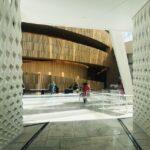
You kick off at the Norwegian National Opera & Ballet. On paper, it’s just a landmark. In practice, it’s a smart opener because it signals how modern Oslo talks about culture—public, grand, and built to be part of everyday city life.
What to look for here:
- Big architectural presence that helps you understand Oslo’s shift from medieval roots toward a modern capital.
- A good staging point for your guide to frame the outing: how Norwegian food is grounded in raw materials Norway can access—mountains, wilderness, and coastline.
If you’re new to Norway, this stop helps you stop thinking of food as random. Your guide’s commentary keeps steering you toward the logic behind ingredients and traditions.
Drawback to keep in mind: if you show up expecting the tour to be heavy on indoor history and museum-level detail, the opera stop is mostly about setting context before you start moving again.
Aker Brygge: Where the Food Story Gets Coastal
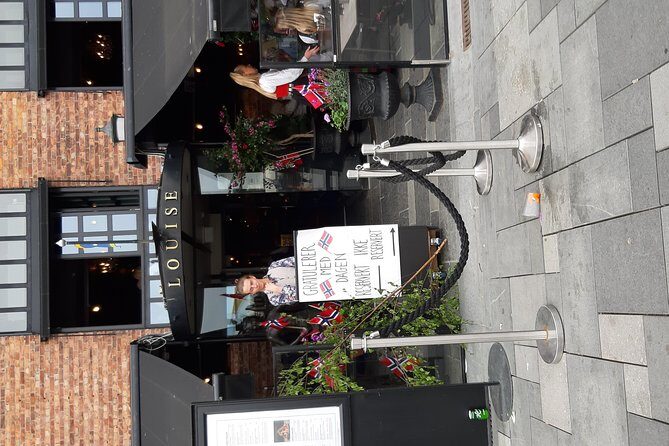
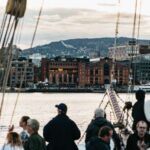
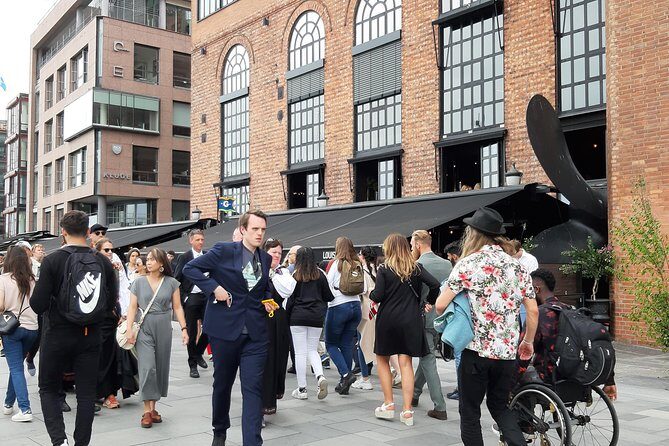
After the opera, the route moves to Aker Brygge, a waterfront area that’s popular with locals. This is where the tour’s Scandinavian food theme becomes easier to “get,” because you’re literally near the water that feeds Norway’s seafood traditions.
This stop is also where you’ll likely feel the tour’s pacing shift into tasting mode—think smaller stops at places like:
- a famous chocolate shop
- a gourmet supermarket
- a canteen
- a traditional pub
Even if you don’t know what you want yet, these kinds of venues tend to give you quick bites that show range: salty, smoky, fatty fish preparations, and sweeter finishes like chocolate.
If you’re the type who likes comparing textures—crisp vs. creamy vs. cured—this is a good area to pick up clues for what to order later in your trip.
One consideration: Aker Brygge is busy and photogenic. If you’re sensitive to crowds, go into this thinking “short stops, quick decisions,” not “slow wandering.”
Oslo City Hall: Modern Norway Through Civic Architecture
Next up is Oslo City Hall. This stop gives the tour a backbone: you’re not only eating, you’re understanding the city’s identity. Your guide ties these landmarks to the story of Norway as it became a modern nation, while your food stops keep circling back to local ingredients rather than imported food fantasies.
This is a good moment to ask questions. Guides in this format often do well at explaining both:
- what you’re seeing right now (the architecture, the civic role)
- and how food culture fits into the broader Norway story
I like this part because it balances the outing. Without it, a food tour can feel like a sequence of bites. Here, you get a narrative thread that helps your tastes make sense in context.
A few more Oslo tours and experiences worth a look
Akershus Fortress: Medieval Walls, Fjord Ingredients
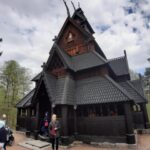
Finally, you reach Akershus Castle and Fortress (Akershus Slott og Festning). If you want a feeling for Oslo’s older layers, this is the kind of place that gives it to you. The fortress adds weight to the walk. It’s not just photo ops; it changes the mood.
And it connects well to food themes. Norwegian cuisine, in this tour’s framing, is built around what the country can access—mountain and wilderness resources plus coast and fjords. A fortress stop isn’t about salmon on its own, but it works as a reminder that Norway’s food traditions developed with geography in mind, not convenience.
What to watch for:
- The way your guide links past and present, using landmarks as “anchors” while tastings reinforce the ingredient story.
A drawback? This end section can be less comfortable if you’re not used to walking uphill or uneven terrain near older sites. Wear sturdy shoes and give yourself time to slow down if needed.
The Scandinavian Tastings: Salmon, Fish Soup, Chocolate, and Local Beer
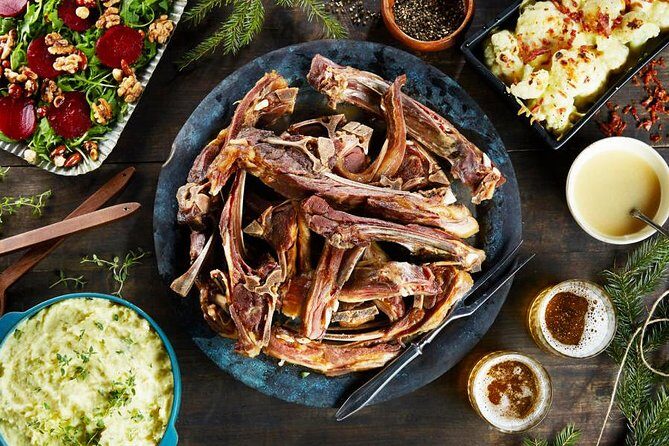
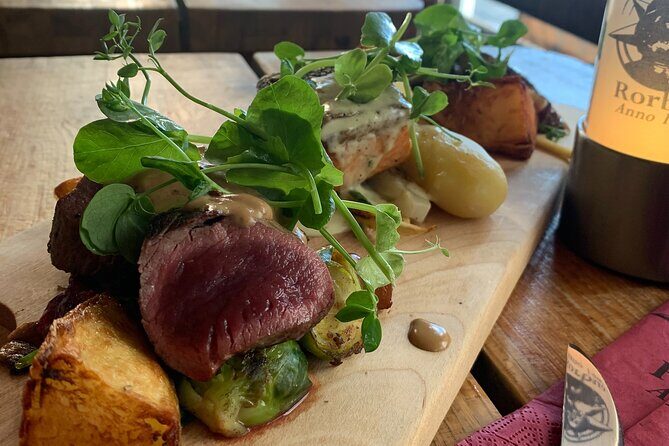
This is where the tour earns its name. You’re set up to try typical Norwegian foods, often including:
- salmon
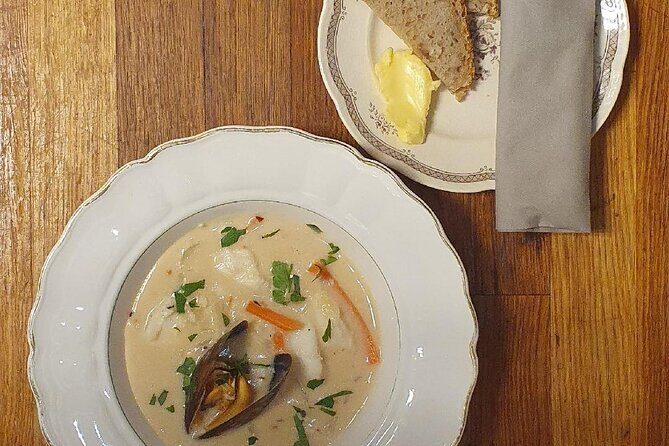
- fish soup (seasonal)
- meat
- local beer
- and other small samples from historic restaurants, cafes, or food shops
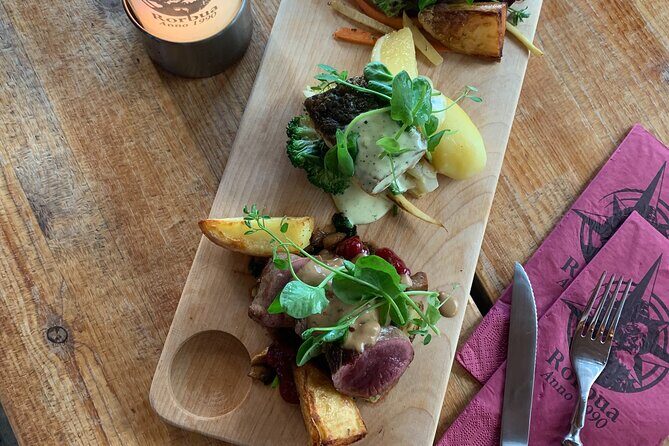
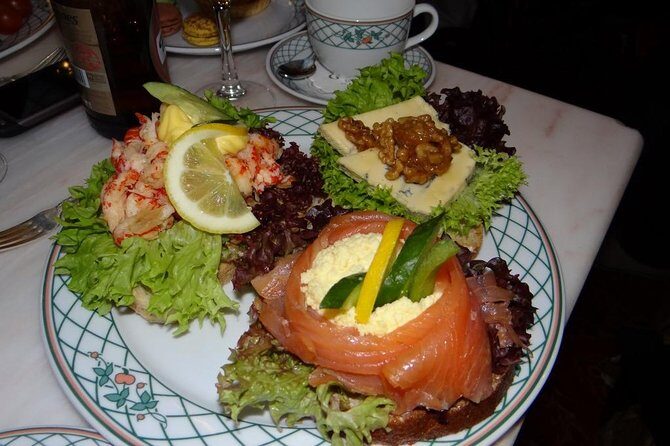
One sample “starter” mentioned is the Salmon Trilogy (recommended as a tasting option), listed at 210,- pp. That’s a useful reference point because it tells you the tour’s tastings are designed to be multiple ways of serving the same main idea: fish, prepared differently so you can taste the logic of flavor and texture.
In real-world pacing, the tour tends to offer several small tastes rather than one full meal. That can be perfect if you’re building a “sampler” mindset. It can also frustrate you if you’re expecting to leave full.
Some guides also steer groups to memorable special stops. For example, one guide arranged sampling at a place connected to salmon raising in the fjords and included bites like fiskekaker (fish cakes) and several salmon preparations. Another group described a stop featuring mosbromlefse, a caramelized goat cheese inside a paper-thin crepe-like wrap with sour cream on top. These kinds of details aren’t guaranteed on every departure, but they reflect the tour’s style: small samples with a local-food explanation attached.
Balanced advice: you might hit a mix of more “destination” spots and more casual storefronts. One client felt a stop was more like a quick shop. That doesn’t mean it’s bad food. It does mean you should treat each tasting as a taste, not as a full restaurant experience.
Sunday and After-6PM: When the Food Stops Shrink
This matters a lot. The tour notes that food tastings are limited on Sundays and during weekdays after 6PM. Another hint from one departure: a main tasting venue can be closed after 6, so you should expect the “food value” to drop on late days.
If your trip lands on a Sunday, decide early whether you want:
- more history walking with smaller food payoffs, or
- to keep this tour for context and add your own meal plan afterward.
A simple rule that saves stress: if you’re traveling on a day when tastings are likely constrained, budget extra for dinner or plan a second food stop after the tour.
What I’d Pack and Plan So You Don’t Overspend
Because tastings cost extra, your best strategy is to go in with a calm spending plan. Here are practical ways to stay in control:
- Bring a light layer. You’re outside around water and in central streets.
- Wear shoes for about 3 hours of walking (and sometimes closer to 4 miles, depending on pace).
- Pick one “main tasting” to prioritize. The Salmon Trilogy at 210,- pp is a good example because it bundles multiple salmon preparations into one decision.
- Don’t buy everything just because you’re already there. The tour can include several bites, so choose quality over trying to collect every sample.
- Drink water between stops. Norwegian portions are often straightforward but you can still get full fast on repeated tastings.
Also, don’t be afraid to ask your guide for menu-level advice. A good guide will help you choose tastings that match what you like—salty, smoky, creamy, or beer-paired.
Who This Oslo Tour Fits Best
This is a strong match if you:
- want a first-time Oslo guided walk with real local flavor
- like learning history while you move through neighborhoods
- are comfortable paying for extra food tastings on top of the base price
- enjoy seafood culture and want multiple salmon experiences (and sometimes seasonal fish soup)
It may not fit you as well if you:
- want an all-included food package with no extra spending
- are visiting on a Sunday and need a bigger tasting lineup
- dislike walking tours that clock a solid distance
If you fall in the second group, you could still do this tour for the landmarks—just treat it as a history-and-sight option with a few bites, not a full culinary event.
Should You Book This Oslo Food and History Tour?
I think it’s worth booking if you want a guided, low-effort way to see major Oslo sites and understand Norwegian food through ingredients and geography. The best version of this tour is when tastings are available in the normal flow—then you get a genuine sampler of Norwegian favorites like salmon, seasonal fish soup, meat, local beer, and sweets like chocolate.
I’d only tell you to skip it if your schedule lands you on Sunday or late weekdays after 6PM, and you’re the kind of person who must leave with a big food payoff. In those cases, you can still walk the city, but you’ll want a separate meal plan so you’re not disappointed.
If you do book, go in with a simple game plan: choose one or two tastings to prioritize, keep your spending calm, and ask your guide what to order based on what you actually enjoy.
FAQ
FAQ
How long is the Oslo Scandinavian kitchen tour?
It lasts about 3 hours (approx.).
Where does the tour start and end?
It starts at Oslo Municipality, Oslo, Norway, and ends back at the same meeting point.
Is pickup offered?
Yes, pickup is offered.
Is the tour available in English?
Yes, it’s offered in English.
How big is the group?
The maximum size is 12 travelers.
What is the price and how is it charged?
The price is $348.18 per group, for up to 10.
Are food tastings included in the tour price?
No. The tour price does not include tasting. Food and drinks are paid by the visitors unless your guide specifies certain value-added offers.
What foods should I expect to try?
Typical items include salmon, seasonal fish soup, meat, local beer, and other Norwegian food samples. There are also stops like a chocolate shop and a gourmet supermarket.
Are tastings limited on certain days?
Yes. Food tastings are limited on Sundays and on weekdays after 6PM.
What is the Salmon Trilogy?
The Salmon Trilogy is listed as a recommended tasting option for the tour, shown as 210,- per person (as an example of a starter/menu item).
Can I get a refund if I cancel?
Yes. Free cancellation is available, and you can cancel up to 24 hours in advance for a full refund.