REVIEW · OSLO
Oslo: 3-hour Private Walking Tour of Bohemian Grünerløkka
Book on GetYourGuide →Operated by OURWAY Tours Oslo · Bookable on GetYourGuide
Oslo gets artistic in 3 hours. This private walk through Grünerløkka mixes hipster streets, an eerie-but-beautiful cemetery stop, and a lunch-ready finish near Mathallen. You’ll also get a local guide who knows how to connect the dots between artists, industrial streets, and the city’s changing neighborhoods.
Two things I really like: the way the route pairs Damstredet’s colorful houses with a “bubbling river” feel, while still keeping you moving and oriented. And the stop at Our Saviour’s Cemetery, where you’ll meet the story of Edvard Munch right alongside Ibsen and Bjørnson. One possible drawback: it’s a proper walking tour—wear comfortable shoes and plan for weather, because you’ll cover a fair amount of ground in about three hours.
In This Review
- Key highlights worth planning around
- Why Grünerløkka feels different from central Oslo
- From Youngstorget to Ankerbrua: start easy, then switch gears
- Grünerløkka on foot: industrial bricks, street art, and the Damstredet river-side vibe
- Blå music venue: chandelier photos and street art you can’t fake
- Our Saviour’s Cemetery: the Edvard Munch stop that changes the tone
- Quan Thang Ancient House and Telthusbakken: charm, gardens, and a photo-lovers lane
- Mathallen at Vulkan: end by lunch, not by a cliffhanger
- Price, private-guide value, and how to plan your 3 hours
- Who should book this Grünerløkka private walk?
- Should you book this Grünerløkka private walking tour?
- FAQ
- Where does the tour start?
- How long is the walking tour?
- Where does the tour end?
- What languages are available for the live guide?
- Is this a private tour?
- What should I bring and wear?
Key highlights worth planning around
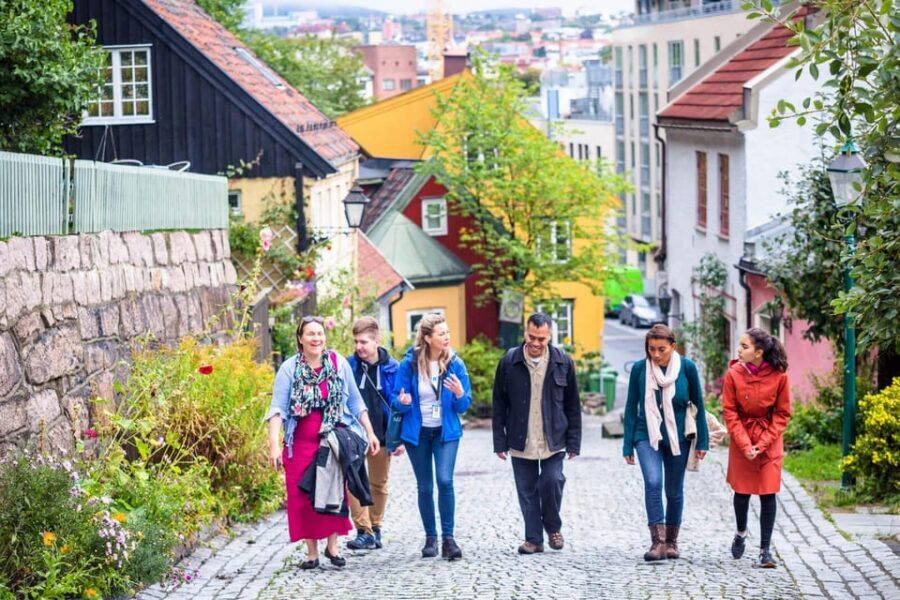
- Grünerløkka with real stories, not a checklist of only major sights
- Our Saviour’s Cemetery: Ibsen, Bjørnson, and Edvard Munch, all in one stop
- Blå photo stop: a music venue famous for street art and a giant chandelier
- Damstredet + industrial brick streets: the visual Oslo most people skip
- End at Mathallen in Vulkan, so lunch is the easy next step
Why Grünerløkka feels different from central Oslo
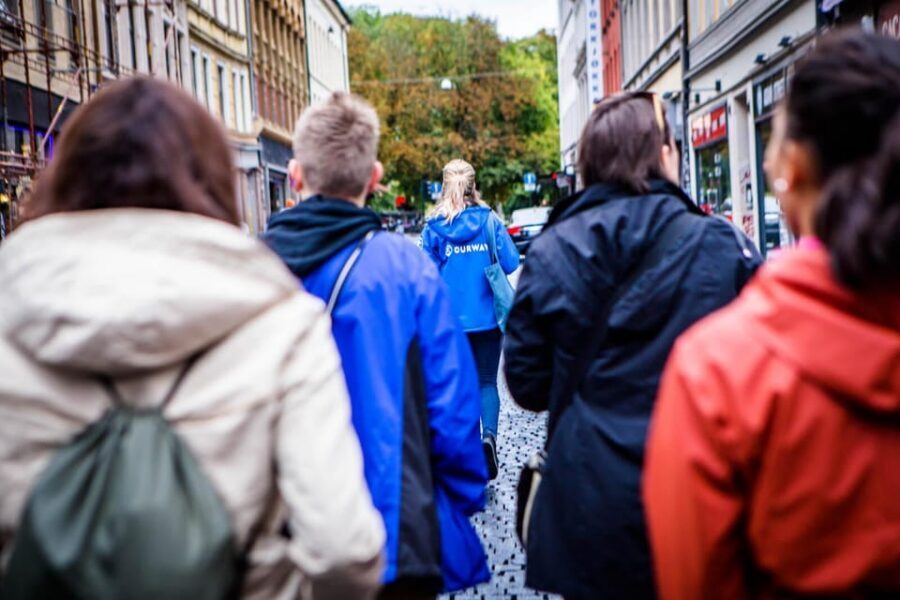
This tour is built around the vibe change that happens when you leave the more formal city-center feel and step into Grünerløkka. You get a neighborhood that’s creative, a little scrappy, and comfortable with street art next to everyday life.
What makes it work is the pacing. You’re not just taking photos and moving on. You’re learning what shaped these streets—artists, free thinkers, and the way industrial Oslo got repurposed into something more human.
Also, this is a private group, so the guide can slow down where you care and speed up when you’re itching to see the next street corner.
You can also read our reviews of more walking tours in Oslo

From Youngstorget to Ankerbrua: start easy, then switch gears
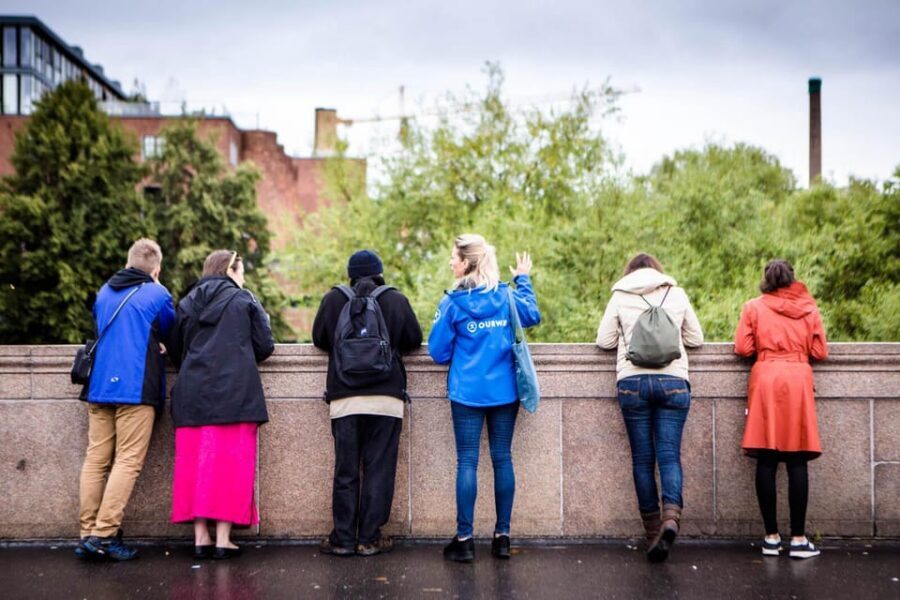
You begin at Youngstorget, by the fountain in the center of the square. It’s a good launch point because you’re in the middle of things, and it’s easy to orient yourself before you start walking.
The early part of the walk includes a guided segment through Sentrum (about 30 minutes), then goes into streets like Torggata. You’ll also pass Kulturkirken Jakob and cross Ankerbrua. These stops do two jobs: they help you understand where the neighborhood connects to the city, and they make the later Grünerløkka feel less like a random detour.
If you like tours that give you context without turning into a lecture hall, this opener is exactly that. It sets your mental map so the hipster streets later feel intentional, not accidental.
Grünerløkka on foot: industrial bricks, street art, and the Damstredet river-side vibe
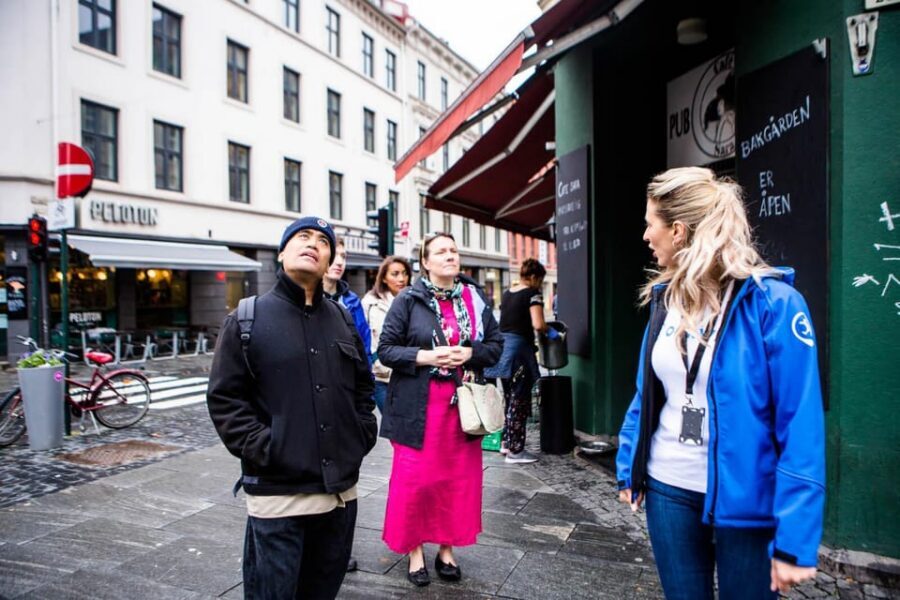
Once you’re in Grünerløkka, the tour leans hard into the neighborhood’s look and feel. Expect a mix of colorful houses and industrial brick buildings, with a river-side atmosphere along Damstredet that makes the area feel alive rather than static.
Damstredet is the kind of street that’s easy to walk past—until someone points out what you’re actually looking at. Here, the guide’s job is to turn those small details into stories: why the buildings look the way they do, how street art fits into the neighborhood’s identity, and what the area has meant to artists and creative types over time.
You’ll also see other photo-friendly streets along the way, including Brenneriveien and the area around Olaf Ryes plass. The tour keeps stopping for moments that are visually specific, so you don’t just end up with a memory full of general impressions.
Practical note: this is a walking-heavy experience, so if you get tired easily, take advantage of the frequent “pause points.” They’re built into the route, not random breaks.
Blå music venue: chandelier photos and street art you can’t fake
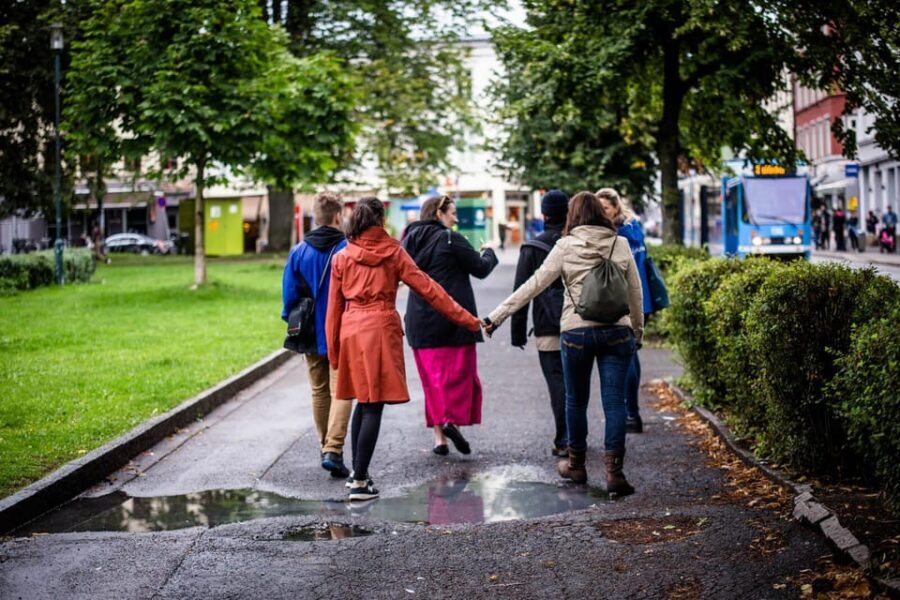
Blå is one of the most fun stops on the route. It’s a music venue, but the reason it belongs on a walking tour isn’t only the music—it’s the surrounding street art and the striking visual element that makes people stop in their tracks.
You’ll get a photo stop at Blå, including a chance to see the giant chandelier. That’s the kind of detail that instantly turns a normal street corner into a memorable moment.
And if you’re into street art, pay attention to how it’s integrated here rather than isolated. The artwork feels part of the neighborhood’s daily rhythm, and your guide will connect it back to the broader Grünerløkka theme of creativity and free thinking.
It’s also a good break mentally. After walking among houses and brick industrial buildings, Blå gives you a more performance-energy scene—then the tour moves you back toward calmer, more historic stops.
Our Saviour’s Cemetery: the Edvard Munch stop that changes the tone
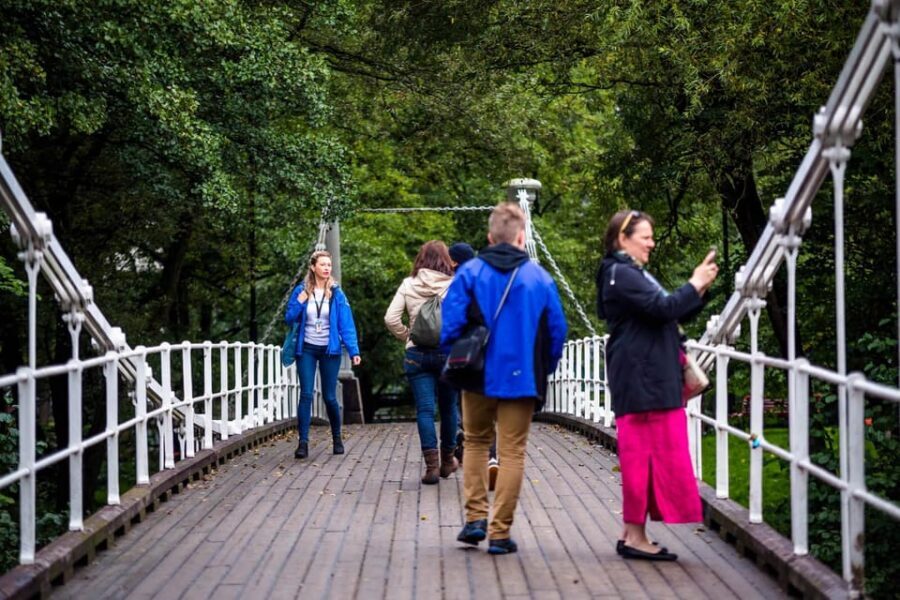
Then the tour shifts tone in a good way. Our Saviour’s Cemetery isn’t just a scenic stop—it’s one of the most meaningful places in the route.
This is where you’ll say hello to the “Norway’s dynamic trio”: Ibsen, Bjørnson, and Edvard Munch. The guide helps you connect the artists to the area, and you’ll also hear that Edvard Munch lived in the neighborhood at multiple addresses.
That detail matters because it changes the way you read a city. Instead of thinking of famous artists as museum-only names, you start seeing them as people who actually lived among the streets you’re walking today.
The drawback here is just timing and mood. This cemetery stop can feel slower and quieter than the rest of the tour. If you’re expecting only street-level energy the whole time, plan to shift gears emotionally for this portion.
You can also read our reviews of more private tours in Oslo





Quan Thang Ancient House and Telthusbakken: charm, gardens, and a photo-lovers lane
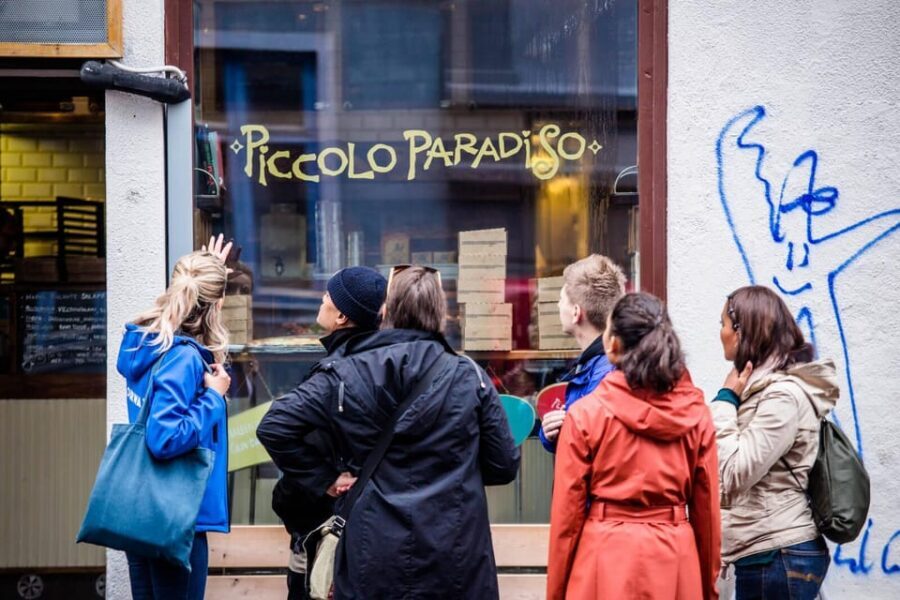
After the cemetery, you head toward smaller, more scenic streets where the character changes again.
Quan Thang Ancient House is a distinctive stop on the walk. You’ll have the chance to see it as part of the neighborhood’s mix of history and everyday urban life. The point isn’t only the building itself—it’s how the area gathers different layers of Oslo’s story into one walkable space.
Next comes Telthusbakken. This is the place you’ll want your camera ready. The street is famous for quaint hillside houses and gardens, and the guide builds in time for you to stop and take photos. It’s also a street that makes Grünerløkka feel intimate: you get views that feel more local than “tourist postcard.”
One tip: if the weather is slippery, slow down here. Hillside streets are gorgeous, but they’re also where you’ll want to keep your footing first.
Mathallen at Vulkan: end by lunch, not by a cliffhanger
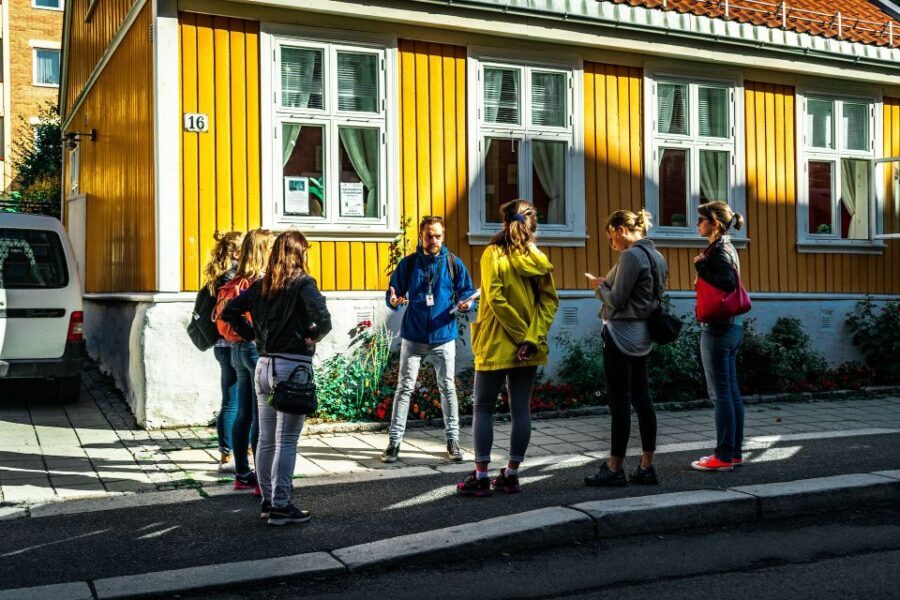
The finale lands at Mathallen Foodhall, located in the Vulkan neighborhood. This is a smart design for a tour because it turns your walking momentum into a meal plan without extra effort.
You’ll also notice the industrial feel around Vulkan—old buildings paired with colorful graffiti. The guide encourages you to stay for lunch, and the route is timed so you reach the food hall at a good moment rather than right at closing time or after the “real lunch hours” window.
The tour ends at Vulkan 16 near the Mathallen entrance, which makes it easy to step inside and eat without needing a new plan. This matters on a cold or rainy day, when extra transit becomes a hassle and you just want a warm seat and something good to eat.
If you’re traveling solo, this ending is especially useful. You can eat at your own pace, browse stalls, and keep the day feeling like a smooth loop instead of a rushed scramble.
Price, private-guide value, and how to plan your 3 hours
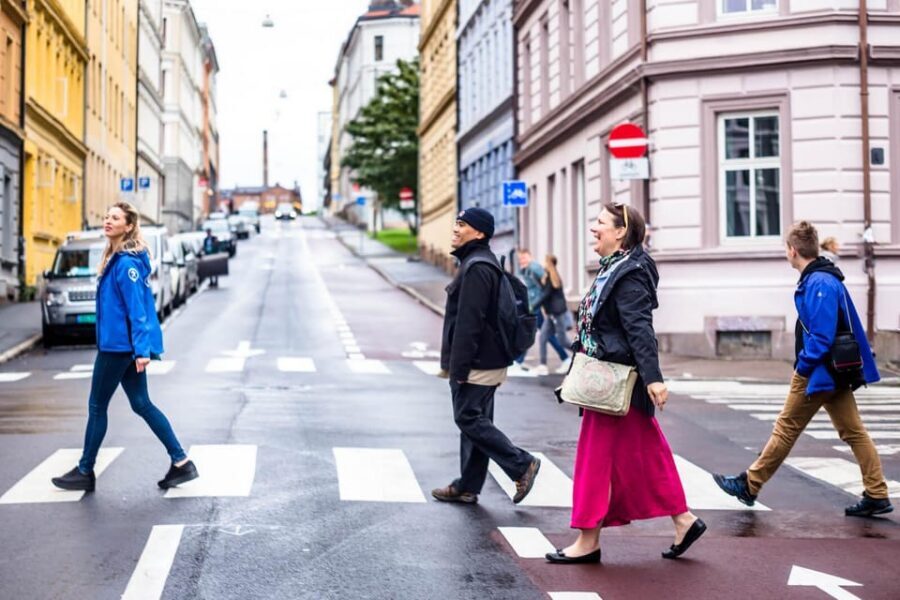
The price is listed as $461 per group (up to 1), and that’s the main decision point. For a private walking tour, the real question isn’t the dollar amount—it’s whether you’ll use the guide’s time well.
Here’s where this tour tends to deliver value: it’s built around multiple distinct “modes” of Oslo—street art and industrial streets, a cemetery with major literary figures, then an end point that practically hands you lunch. A guide matters most when the neighborhood details aren’t obvious from the sidewalk.
Language support is also a plus. The live guide can work in Spanish, English, French, German, Italian, and Norwegian. If you’re not traveling in English, this kind of language flexibility can save you from feeling left behind on context.
Also, you’ll be walking for about three hours. That’s enough time to cover real ground and still keep it feeling like a stroll. Just bring comfortable shoes and weather-appropriate clothing, because Oslo weather doesn’t care about itineraries.
Finally, plan your return. The tour ends in Grünerløkka, and you’ll make your way back on foot (about 15 minutes / 1 km) or by public transport. If you want to keep your day simple, you can also treat the lunch area as your “base” for the rest of the afternoon.
Who should book this Grünerløkka private walk?
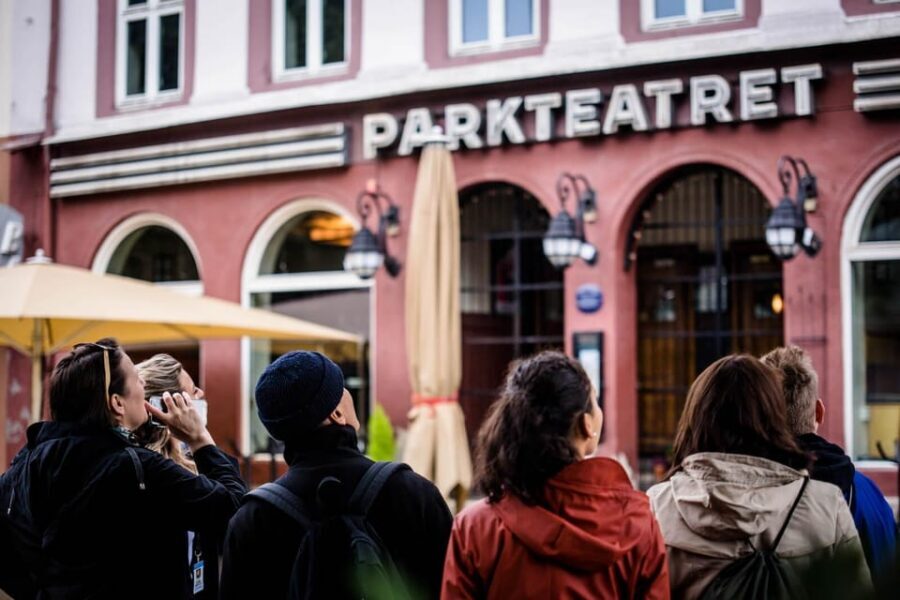
Book this if you want Oslo that feels lived-in: street art, industrial textures, and artist-linked places rather than only the big famous attractions. It’s also a great match if you like tours with stories and small surprises.
This route is especially good for:
- People who prefer a less typical walk through side streets
- Anyone who cares about the link between places and artists
- Travelers who want a clean transition from sightseeing to lunch at Mathallen
- Small groups who would rather have personal guidance than a busy group tour
I also like that the experience can feel flexible. In past experiences, guides like Diana and Tone have been singled out for being fun, adaptable, and able to connect facts to the feeling of the streets.
Should you book this Grünerløkka private walking tour?
I’d book it if you’re spending a day in Oslo and you want your time to feel “local” by design. The mix of hipster streets, a meaningful cemetery stop for Ibsen, Bjørnson, and Edvard Munch, a photo moment at Blå with its giant chandelier, and an ending that naturally leads to lunch at Mathallen is a strong combo.
I’d hesitate only if you hate walking in the open air or if you’re looking for mostly landmark-style sights with minimal context. This is a street-level neighborhood tour, and the payoff comes from noticing details and letting the guide connect them for you.
If that sounds like your kind of day, you’ll likely leave with photos you actually care about—and a better sense of how Grünerløkka became the Oslo people talk about.
FAQ
Where does the tour start?
It starts at Youngstorget 2A, by the fountain in the middle of the square in City Center.
How long is the walking tour?
The tour lasts 3 hours.
Where does the tour end?
The tour ends at Vulkan 16, 0178 Oslo, in the Grünerløkka area, near Mathallen Foodhall.
What languages are available for the live guide?
The guide is available in Spanish, English, French, German, Italian, and Norwegian.
Is this a private tour?
Yes, it’s a private group walking tour.
What should I bring and wear?
Wear comfortable shoes and bring weather-appropriate clothing since it’s outdoors for much of the 3 hours.