Oslo’s streets are better with a local guide. This private walk mixes big-name sights with quieter corners and real talk about everyday Oslo life. You get a fully private experience that’s designed around your interests and pace, with a friendly, human guide—Sibani Bimala.
I like how the route gives you two kinds of value in one outing: iconic stops plus local neighborhood texture. You’ll also hear stories that connect landmarks to daily culture, not just dates and facts.
One thing to weigh: this is a walking tour, so comfortable shoes and weather-ready clothes matter, and it’s not a fit for everyone with mobility limitations.
In This Review
- Key highlights to know before you go
- What makes a private Oslo walk worth $67
- Three ways to shape your tour: highlights, local life, or nature calm
- Option 1: Oslo Essential (city highlights + quieter corners)
- Option 2: Oslo Insider (trendier neighborhoods + multicultural everyday life)
- Option 3: Oslo Nature Escape (Akerselva river or Lillomarka forest hike)
- The walking route in detail: Opera House, city streets, waterfront, Akershus
- Oslo Opera House: the big photo stop first
- Munch Museum (pass by)
- Grønland: food-market energy and multicultural streets
- Grünerløkka: cafés, street art, and the place locals wander
- Oslo Cathedral: quick visit, big-city symbolism
- Karl Johans Street: break time, shopping, and people-watching
- Royal Palace (photo stop + passing views)
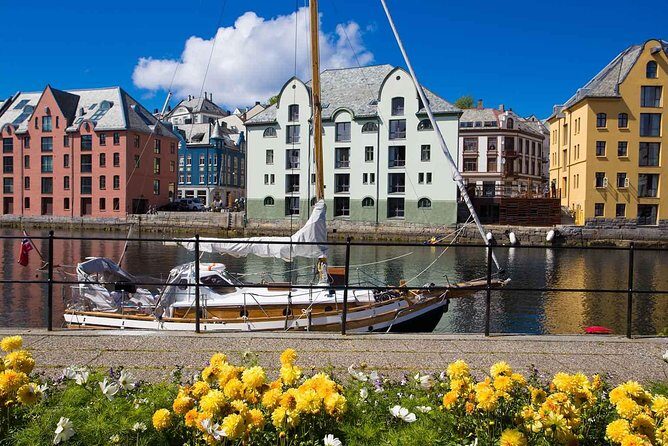
- Aker Brygge waterfront: architecture meets harbor air
- Akershus Fortress: history visible from the walkway
- Oslofjord: final views, then back to the station
- Guide style: Sibani Bimala and the art of making Oslo feel human
- What you’ll learn beyond landmarks (the stuff that helps later)
- Add-on time: Vigeland Sculpture Park if you want more than the skyline
- Value for money: why this feels like good use of time
- Practical tips so the walk works smoothly
- Who should book this private Oslo walk
- Should you book? My honest take
- FAQ
- How long is the Oslo Walk private walking tour?
- Is the tour private or shared?
- What language is the guide?
- Where do I meet the guide?
- Where does the tour end?
- What tour options are available?
- Are entry fees included for museums and attractions?
- Are food and drinks included?
- Is pickup included?
Key highlights to know before you go
- Private pacing: you control the tempo, and the guide adapts when weather or questions shift the plan
- Three distinct styles: classic highlights, local neighborhoods, or a calmer river/forest option
- Stop-by-stop structure: Opera House views, city-center streets, waterfront, and Akershus Fortress
- Local insight on food and culture: practical café, museum, and what-to-do-next tips
- Optional add-on: Vigeland Sculpture Park if you want more art and outdoor sculpture
What makes a private Oslo walk worth $67
Oslo looks tidy on the map, but it feels different once you’re walking it with someone who knows how people actually live there. This tour is priced as a private guide experience for about 2–3 hours, and that time matters. In a short stay, it’s one of the most efficient ways to get your bearings fast without turning your day into a checklist.
I also like that it’s not only about monuments. You get local stories and everyday context—how neighborhoods work, what people do, and why certain places feel the way they do. That’s the difference between seeing Oslo and understanding Oslo at walking speed.
The other value lever is flexibility. You can choose a focus (highlights, local life, or nature), and you can align the walk to your interests. That means you’re more likely to leave with a mental map you’ll actually use later.
You can also read our reviews of more walking tours in Oslo



Three ways to shape your tour: highlights, local life, or nature calm
This experience comes in three styles, so you’re not stuck with one fixed route if you’ve already done some of Oslo’s major sights.
Option 1: Oslo Essential (city highlights + quieter corners)
This is the best fit for first-time visitors or anyone who wants an efficient orientation. You’ll pass or visit top landmarks and then get taken into lesser-visited streets where the city feels more lived-in. If you’re the type who likes mixing photos with a bit of wandering, this one usually lands well.
There’s also an optional add-on: Vigeland Sculpture Park. If you want an extra block of outdoor art after the city-center loop, this can be a satisfying follow-up.
Option 2: Oslo Insider (trendier neighborhoods + multicultural everyday life)
If you’ve already seen the headline sights, go for the neighborhoods. This style leans into districts like Grünerløkka and multicultural streets around Grønland and related areas. Expect a focus on daily life: food halls, small shops, and courtyards that you’d miss if you walked alone with only a guidebook.
This option tends to feel more like “how to spend a day here” rather than “look at this building.”
Option 3: Oslo Nature Escape (Akerselva river or Lillomarka forest hike)
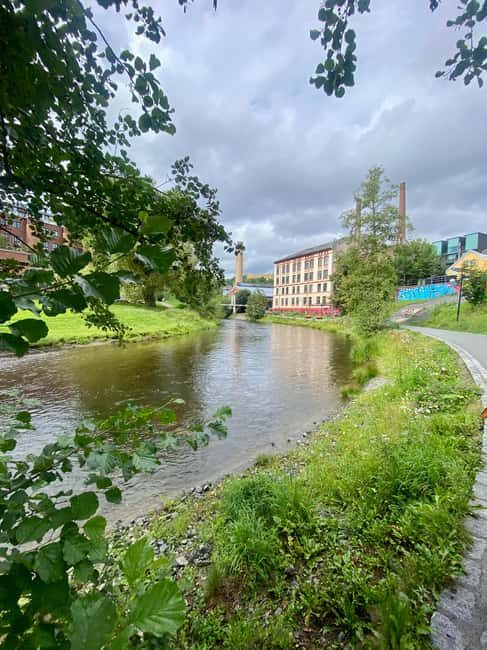
Prefer green time over city time? You can swap into a calmer walk. One route follows the Akerselva River, with water features and historic industrial buildings, plus a relaxed pace in nature paths close to town.
Another route is a Lillomarka forest hike that can include seasonal berry and mushroom picking (July–October), a visit to Isdammen lake, and stops tied to the historic Årvoll Gård farm. There’s also mention of a viewpoint at Glassberget, plus a possible extension toward Maridalsvannet.
If you’re visiting during summer or early autumn and you like walking in parks and forests, this option can feel like a reset button.
You can also read our reviews of more city tours in Oslo





The walking route in detail: Opera House, city streets, waterfront, Akershus
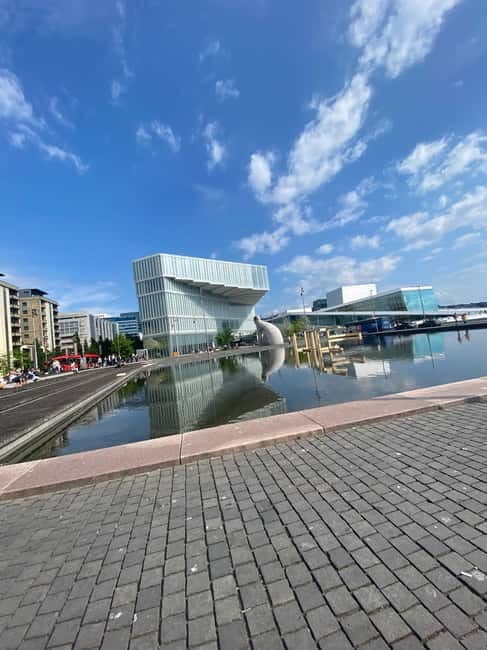
The classic version of the walk is built around a logical flow through central Oslo, with a start near major sights and an ending point at Oslo Central Station. It’s designed so you’re not crisscrossing the city while your guide explains things.
Below is the stop rhythm you can expect in the city-highlight style.
Oslo Opera House: the big photo stop first
You’ll start with a short photo stop and sightseeing at the Oslo Opera House. The timing is tight—about 20 minutes—so treat it like a “get the viewpoint in your head” moment rather than a long architectural tour. If the sky is clear, this is the kind of place where your camera makes sense.
Drawback to note: if you’re hoping for a deep interior visit, the structure here is more about exterior views and orientation than a long museum-style stop.
Munch Museum (pass by)
Next comes the Munch Museum area as a quick pass. You don’t get a full visit here in this route segment, but it’s a useful way to place one of Oslo’s biggest art magnets into your walking mental map. It also sets you up for later museum choices based on what you liked.
Grønland: food-market energy and multicultural streets
Then you head to Grønland, with a focused walk segment that includes sightseeing plus time around a food market and scenic viewpoints along the way. This part matters because it shows how Oslo operates beyond the postcard core. You’ll notice everyday street life and pick up local context that helps later when you’re choosing where to eat.
Time on this stop area is about 15 minutes, so it’s enough to orient and snack-spot, not enough to slow down like a dedicated food market tour.
Grünerløkka: cafés, street art, and the place locals wander
From there, the route moves into Grünerløkka for a longer segment—about 30 minutes. This is where the city takes on a more creative, neighborhood feel. The walk includes sightseeing and scenic views while you’re guided through what makes the district tick.
If you love street art, casual café culture, and wandering without a schedule, you’ll likely enjoy this stretch the most.
Oslo Cathedral: quick visit, big-city symbolism
You’ll stop at Oslo Cathedral, with time for sightseeing and a visit. It’s shorter—around 15 minutes—so think of it as a landmark checkpoint that helps anchor the city center.
Karl Johans Street: break time, shopping, and people-watching
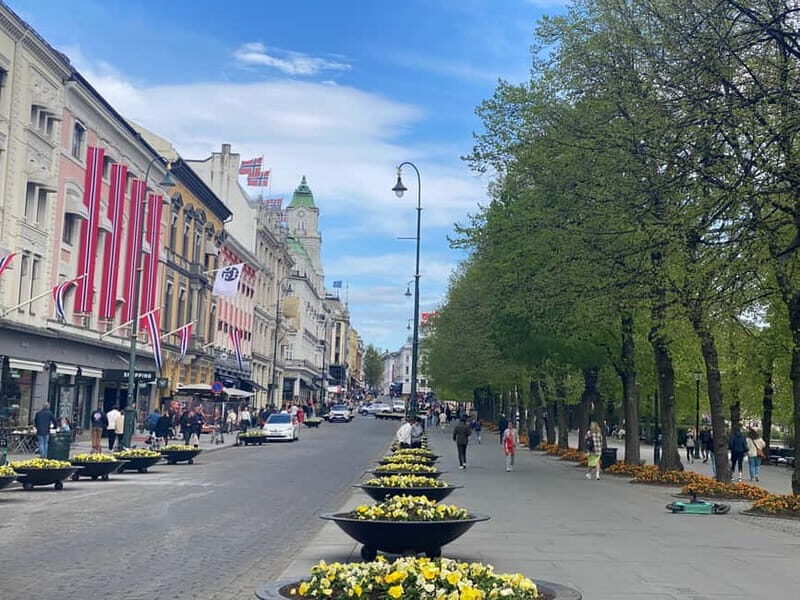
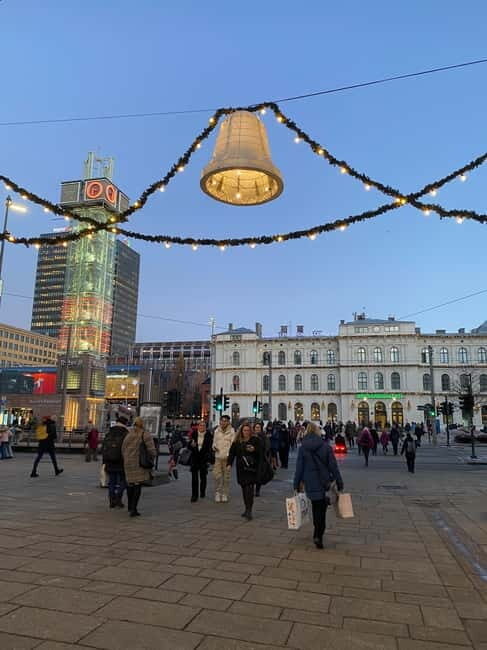
Karl Johans Street is built into the route with a short break window—about 10 minutes. This is a practical moment. You can grab a coffee, buy a snack, or just reset before the waterfront and fortress area.
Royal Palace (photo stop + passing views)
Next is the Royal Palace area. You’ll get about 20 minutes here, mostly as a photo stop and passing sightseeing. It’s not meant to be a formal palace tour in this walking loop, but it’s a clean visual transition from city streets into more monumental sites.
Aker Brygge waterfront: architecture meets harbor air
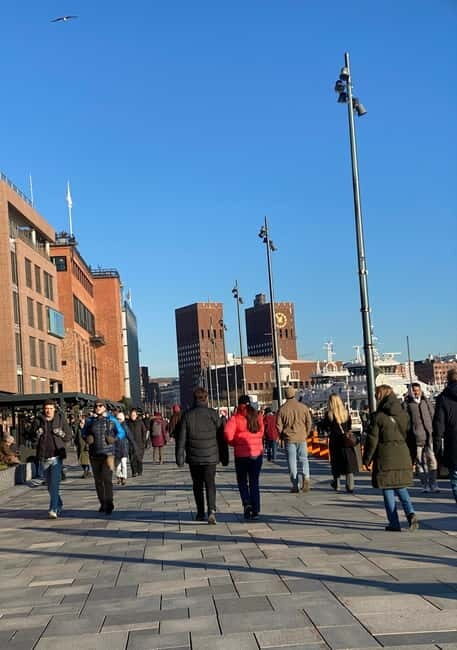
The route continues to Aker Brygge for a photo stop and passing sightseeing, about 20 minutes. This is a helpful change of pace because the waterfront is where Oslo often feels modern and airy at the same time.
There’s also a chance the guide brings in nearby modern landmarks depending on the chosen route, including areas like the Barcode district and Akrobaten Bridge. If you like Scandinavian design details, this stretch is where those details start to feel meaningful.
Akershus Fortress: history visible from the walkway
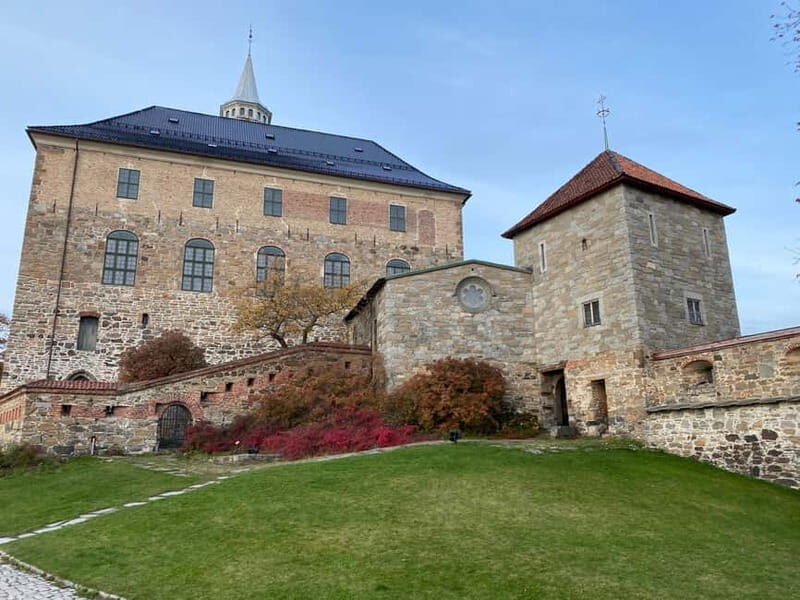
Akershus Fortress takes the most time in the second half of the walk—about 25 minutes—with time for photo stops, sightseeing, and a sunset/scenic moment. This is where the tour slows slightly and lets you take in the place from multiple angles.
If you enjoy “place atmosphere,” this stop usually earns its keep. If you’re expecting a strict museum-style chronology, remember the tour is aimed at local stories and context rather than deep historical lectures.
Oslofjord: final views, then back to the station
You’ll finish with Oslofjord viewpoints—about 10 minutes—and then wrap up at Oslo Central Station. It’s a good ending point because it connects cleanly to onward travel plans, whether you’re heading to dinner, a museum, or an evening in town.
Guide style: Sibani Bimala and the art of making Oslo feel human
The best part of a private walk is the guide’s ability to turn buildings into lived experience. Here, Sibani Bimala’s style shows up in a few clear ways.
First, the guidance is story-led, with a solid focus on Norwegian history and culture. That matters because you’re not just walking past monuments—you’re learning how people think about them and why they matter in day-to-day life.
Second, the tour is interactive. One review highlights that the conversation goes both ways, and Sibani listens to what you’re curious about rather than lecturing at you. You’ll get better recommendations because the guide is adjusting based on you.
Third, she adapts in real conditions. One review mentions she adjusted the experience during a torrential downpour, which is a reality in Oslo. Another review notes she made sure to position herself well for a half-deaf guest, which is a thoughtful touch that goes beyond standard “sit and listen” guiding.
That combination—stories, conversation, and practical adaptation—is what keeps a 2–3 hour walking tour from feeling like a rigid route.
What you’ll learn beyond landmarks (the stuff that helps later)
This isn’t a “read every plaque” style tour. Instead, it gives you the context you need to choose your next steps without guesswork. You’ll also get insider tips on cafés, restaurants, museums, and things to do after the walk.
Here are examples of how that helps you:
- If you learn where locals spend time in districts like Grünerløkka, you can plan an evening that feels natural rather than touristy.
- If you understand what different neighborhoods represent (creative scenes, multicultural everyday life, or industrial-nature history), your museum choices start making more sense.
- If you’re walking the city-center loop, you’ll leave with a mental “route network” that helps you navigate back on your own.
That practical knowledge is often what makes a tour worth paying for—even when the sightseeing is similar to what you’d find in a standard itinerary.
Add-on time: Vigeland Sculpture Park if you want more than the skyline
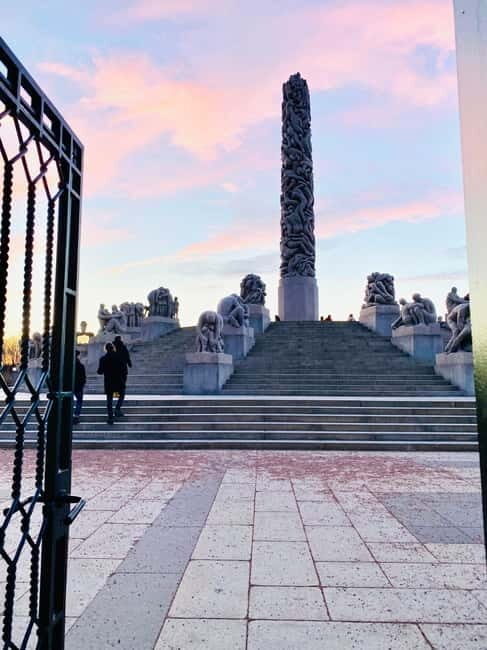
If you choose the city highlights style, you can add a visit to Vigeland Sculpture Park. The goal is pretty straightforward: more outdoor art, more sculpture-focused time, and a slower, more atmospheric change from streets and waterfront.
It’s also a good add-on if you like walking spaces that aren’t only commercial or landmark-driven. The park gives you room to linger, look closely, and absorb the art at your own pace.
Value for money: why this feels like good use of time
At $67 per person for about 2–3 hours, you’re paying for three things: a private guide, flexible routing, and local recommendations. If you split your time between multiple hop-on/hop-off style activities, you often lose context. This tour keeps you moving with purpose while still leaving room for personal interests.
Also, pickup options help. You can start at your hotel within the city center pickup area or meet at Oslo Cathedral by the Iron Roses sculpture, about a 5–7 minute walk from Oslo Central Station. That reduces friction. Less time figuring out where to meet means more time walking.
A heads-up on expectations: entry fees to attractions and food/drinks aren’t included, and transportation isn’t included either. So think of the price as paying for guidance and route, not paying for a day’s worth of ticketed experiences.
Practical tips so the walk works smoothly

This is a walking experience, so you’ll want to show up ready.
Bring comfortable shoes. Oslo can be great to walk, but you’ll still be on your feet for a couple hours. Add weather-appropriate clothing too; the guide has experience adjusting when rain shows up.
If you want to maximize the tour, decide in advance which style you prefer and what you want more of:
- more photos and major sights (Essential),
- neighborhoods and food-life atmosphere (Insider),
- or nature time close to the city (Nature Escape).
If you’re flexible, you can also tell the guide what you’re most curious about, and they’ll shape the walk around you.
Who should book this private Oslo walk
Book this if you want:
- a private guide in English,
- a fast way to understand Oslo beyond the obvious monuments,
- a route that can bend to your interests and pace,
- and helpful recommendations for what to do after you finish the walk.
It’s a particularly strong fit if you like walking cities at human speed, enjoy neighborhood texture, and want local perspective without turning your day into a lecture.
Skip it if you can’t do steady walking, since it isn’t suitable for people with mobility impairments, and it isn’t recommended for people over 95 based on the provider’s notes.
Should you book? My honest take
If your goal is to get oriented in Oslo and leave with practical local guidance, I’d book it. The private setup and the “choose your style” options are the real win here. You get a structured route that still allows room for adjustments, and you end right back at Oslo Central Station, which makes your evening easier to plan.
I would not book it if you want a long, museum-like historical lecture or a tour packed with guaranteed entry tickets and guided interior visits. This is about walking, stories, and smart next-step tips.
If that matches what you want, this private Oslo walk is a solid, efficient way to spend a half-day with less stress and more real city feel.
FAQ
How long is the Oslo Walk private walking tour?
It runs about 2–3 hours.
Is the tour private or shared?
It’s a private group experience.
What language is the guide?
The guide offers live guiding in English.
Where do I meet the guide?
You can meet at a hotel within the city center pick-up area, or at Oslo Cathedral by the Iron Roses sculpture (about a 5–7 minute walk from Oslo Central Station).
Where does the tour end?
You finish at Oslo Central Station.
What tour options are available?
You can choose among Oslo Essential (city highlights and quieter corners), Oslo Insider (trendy neighborhoods and local life), or Oslo Nature Escape (Akerselva river walk or a Lillomarka forest hike).
Are entry fees included for museums and attractions?
No. Entry fees are not included.
Are food and drinks included?
No. Food and drinks are not included.
Is pickup included?
Pickup is optional, with meeting options inside the city center pick-up area, or a standard meeting point at Oslo Cathedral.