REVIEW · TROMSO
Tromso: Full Steam Museum Entrance
Book on GetYourGuide →Operated by Full Steam Tromsø AS · Bookable on GetYourGuide
If you like the far north, this hits. Full Steam Tromsø is the northernmost coastal museum in the world, set in a historic sea house that feels connected to everyday Arctic life. You’ll walk through three major exhibits, from Sea Sami culture to Arctic skies and the stories of people working the sea.
I especially like the way the museum pairs culture with place: the Sea Sami exhibition doesn’t treat tradition like a museum object. It shows daily connections to fishing, crafts, and reindeer herding—framed by the Arctic environment where those skills mattered. Another standout for me is the Northern Lights photo gallery, featuring Aurora Borealis images by Ole Salomonsen, Truls Iversen, and Per Ivar Somby, plus a more scientifically oriented Northern Lights presentation.
One thing to consider: this is mostly a self-guided museum visit. If you want lots of live interpreting, you’ll likely want to add one of the optional guided tours or the tasting experience, which you can book under the Full Steam profile.
In This Review
- Key Things You’ll Notice
- Walking Into the Full Steam Tromsø Experience
- Getting There: The Yellow Building and the Side Entrance
- Sea Sami Exhibition (3rd Floor): Culture Tied to the Arctic
- Northern Lights Photo Gallery: Art of the Aurora Borealis
- Seafarer Exhibition (4th Floor): Tromsø as the Arctic Gateway
- The Historic Building Itself: Why the Walls Matter
- Food, Coffee, and the On-Site Restaurant/Bar Area
- Optional Extras: Guided Tours and Tasting Experiences
- What the Ticket Really Includes (and What It Doesn’t)
- Practical Rules That Affect Your Day
- Language and Reading: English Is There
- Is This Worth It for Your Tromsø Trip?
- FAQ
- How long does the Full Steam Tromsø museum entrance take?
- What exhibitions are included in the entrance ticket?
- Where do I meet for the museum entrance?
- Is the museum wheelchair accessible?
- Are guided tours or Northern Lights tours available?
- Can I bring pets or food inside?
- Should You Book Full Steam Tromsø?
Key Things You’ll Notice
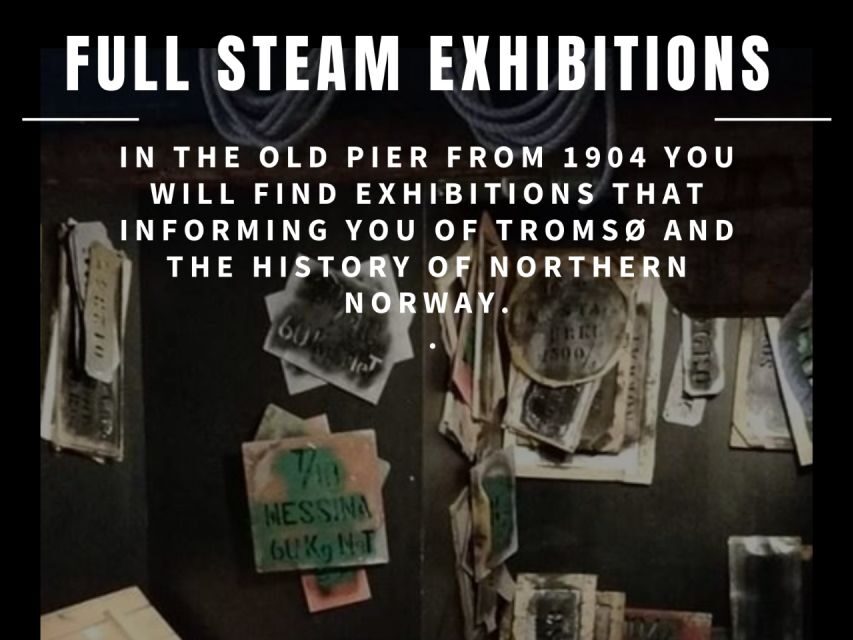
- Historic Full Steam Tromsø building: housed in a traditional fishery sea house tied to the Arctic gateway.
- Sea Sami Exhibition up close: culture, tools, and traditions shaped by sea and Arctic life.
- Northern Lights in two modes: photos by Ole Salomonsen, Truls Iversen, and Per Ivar Somby plus a scientific presentation.
- Seafarer Exhibition on the 4th floor: maritime history from the Viking era to modern oil drilling in northern seas.
- Easy add-ons on-site: you can spend extra time in the restaurant/bar and look for options like guided tours and tastings.
Walking Into the Full Steam Tromsø Experience
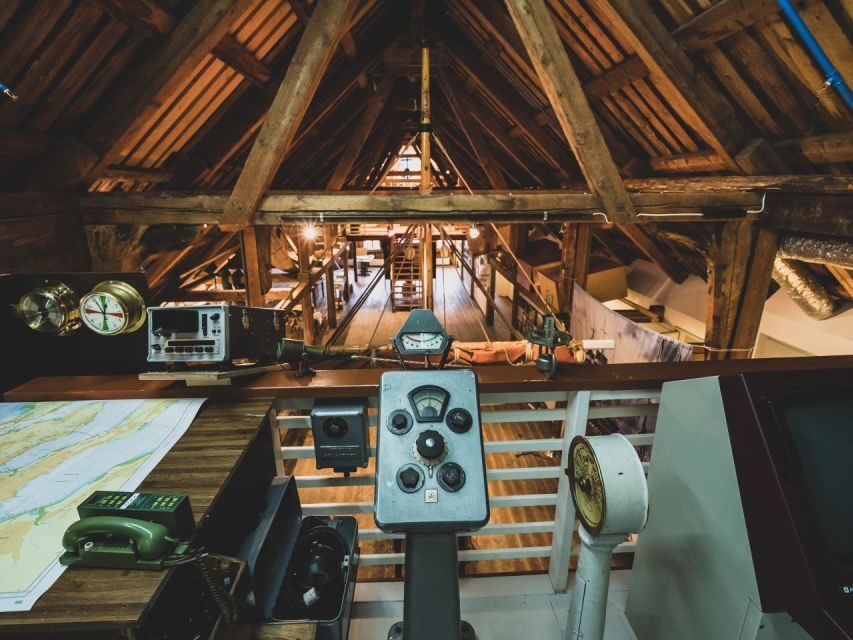
Full Steam Tromsø is the kind of museum that makes you slow down without feeling trapped. The building itself gives you a start: it’s a historic sea house, the sort of place traditionally used for fishery activity. And Tromsø’s role as a hub for Arctic expeditions and work at sea shows up throughout the exhibits, not just in one corner.
You’re given a one-day entry ticket, and that matters because it’s paced like a normal museum day. You can take your time on one level, return to a favorite section, then finish with the other floors. With an average museum feel, it’s a good match if you’re also doing other Tromsø sights in the same trip.
The museum is open every day, and you’ll hear English and Norwegian in the space. That helps if you’re traveling with mixed language skills, or if you just want the option to read signage without guessing.
You can also read our reviews of more museum experiences in Tromso

Getting There: The Yellow Building and the Side Entrance
Your meeting point is straightforward. Go to the sea front building in yellow with the Full Steam sign on the wall. The museum entrance is on the side of the building, so look for the museum sign rather than assuming you’ll walk in from the front-facing side.
This is useful if the weather turns. Tromsø weather can change fast, and you don’t want to waste time wandering around the wrong door. If you’re coming from the city center, give yourself a buffer so you arrive before you’re cold and rushed.
You can also plan your day around the museum timing. Since it’s a one-day visit, you don’t need to treat it like a timed show. Just aim for enough time to walk the floors calmly and still have time for the restaurant/bar area afterward.
Sea Sami Exhibition (3rd Floor): Culture Tied to the Arctic
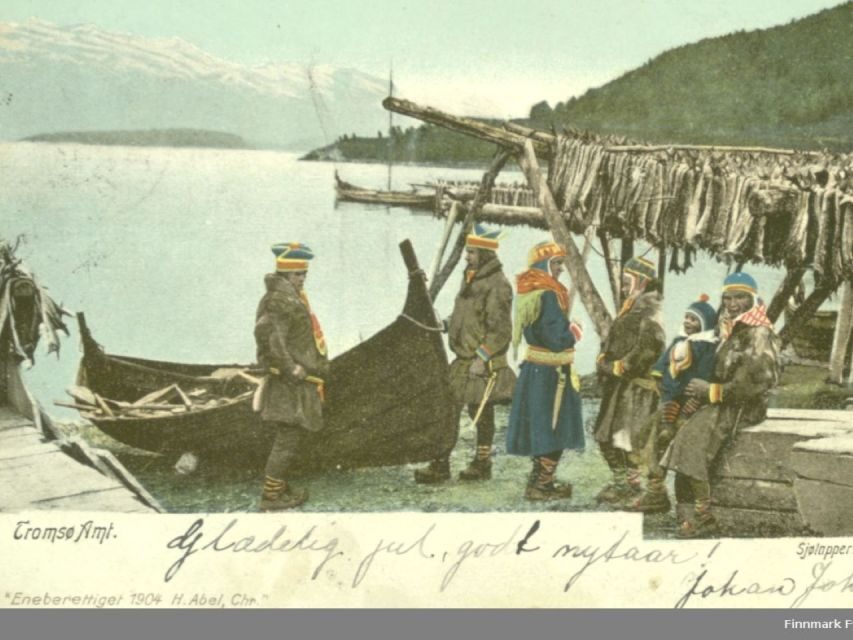
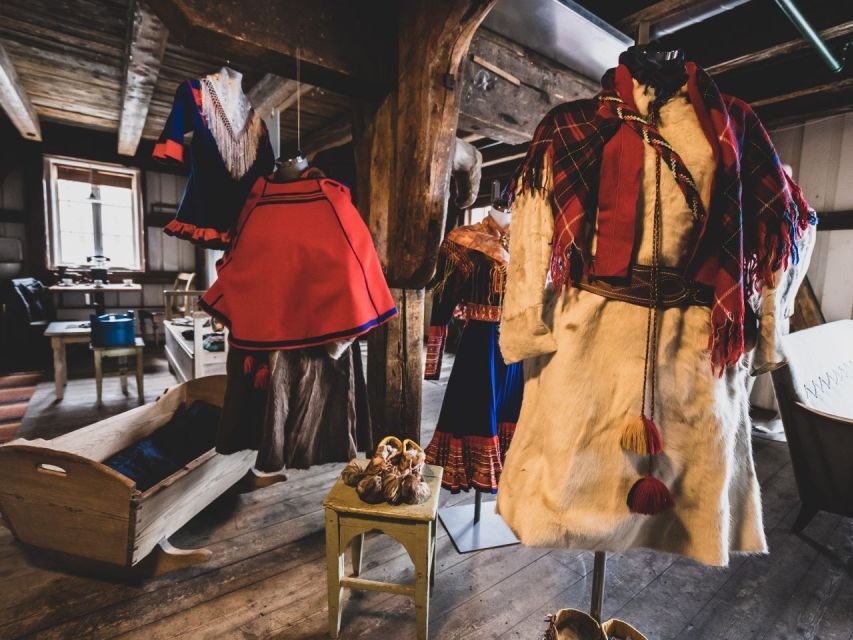
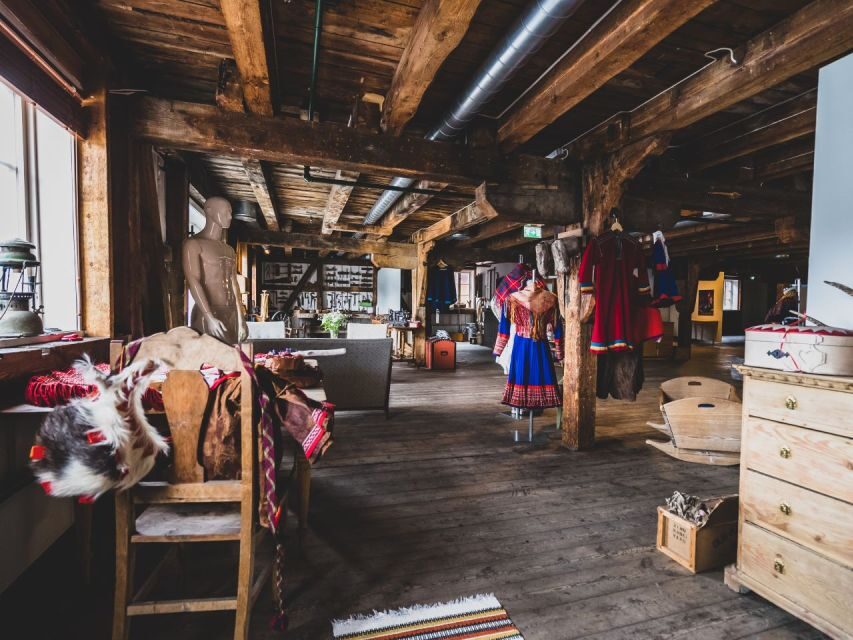
The Sea Sami Exhibition is the main cultural stop, and it’s where the museum feels most personal. Instead of treating Sami life as a list of artifacts, you’re guided through how the Sea Sami lived in connection with the sea and the Arctic environment.
You’ll see that connection through multiple themes. Fishing practices are a big part of the story, but so are traditional crafts and reindeer herding. The museum layout helps you understand the logic behind these practices: people weren’t just doing tasks. They were building a way of living that made sense where they lived.
This matters for value. Museums can sometimes feel like facts for facts’ sake. Here, the museum helps you connect the dots between environment and livelihoods. Even if you know nothing about the Sea Sami, you’ll get a clear picture of why these traditions developed and how they’ve been shaped by the region.
Practical tip: take a bit of time here before you rush to the Northern Lights section. When you learn the cultural side first, the Arctic setting feels less generic while you later look up at aurora photos and maritime history.
Northern Lights Photo Gallery: Art of the Aurora Borealis
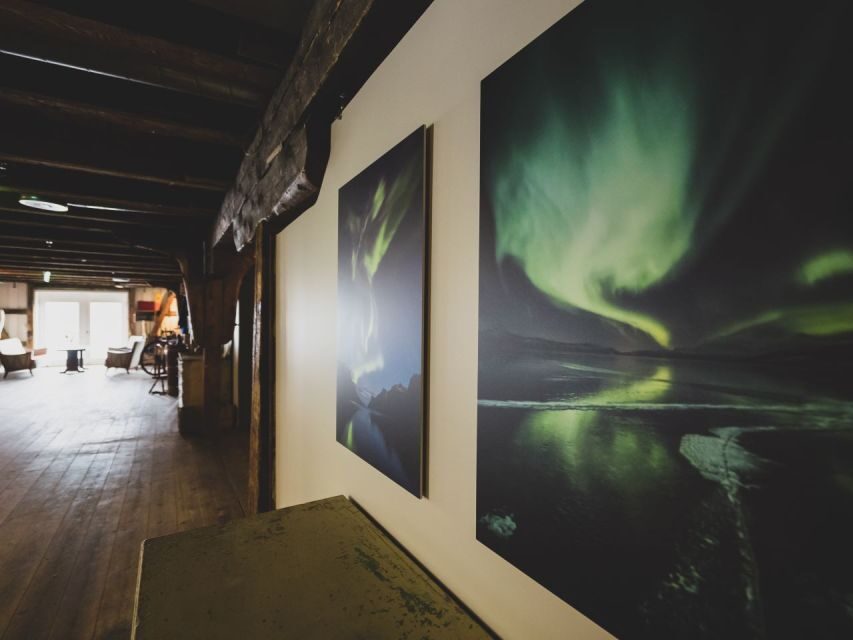
Next up, you’ll find the Northern Lights photo exhibition, located within the same upper level area as the Sea Sami content. The photos are by Ole Salomonsen, Truls Iversen, and Per Ivar Somby, and the images are presented as a visual record of the Aurora Borealis.
What I like about this approach is that it gives you a realistic expectation. Northern Lights in real life can be subtle, dramatic, or somewhere in between, depending on conditions. Photos can’t replace the real sky, but a strong photo exhibition helps you train your eye for what you’re looking for when you finally see the aurora outdoors.
You can also purchase photos at the gallery. That’s a nice option if you want a piece of the Arctic to take home, especially if you’re the type who likes practical souvenirs over random trinkets.
One more useful note: the museum doesn’t only rely on art. You’ll also have access to a Northern light scientifically presentation. So if you like both wonder and explanation, you can bounce between the emotional impact of the photos and the more factual side of what causes the aurora.
Seafarer Exhibition (4th Floor): Tromsø as the Arctic Gateway
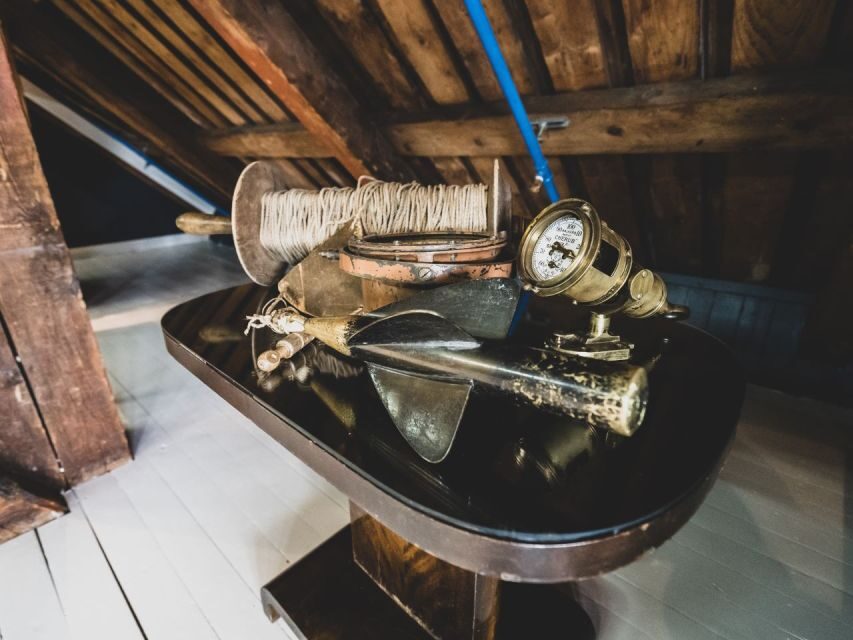
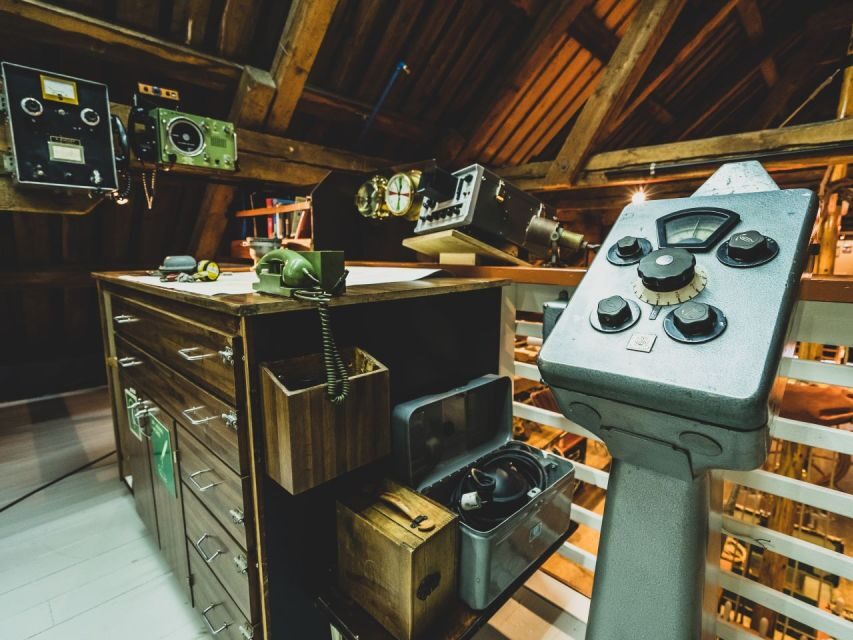
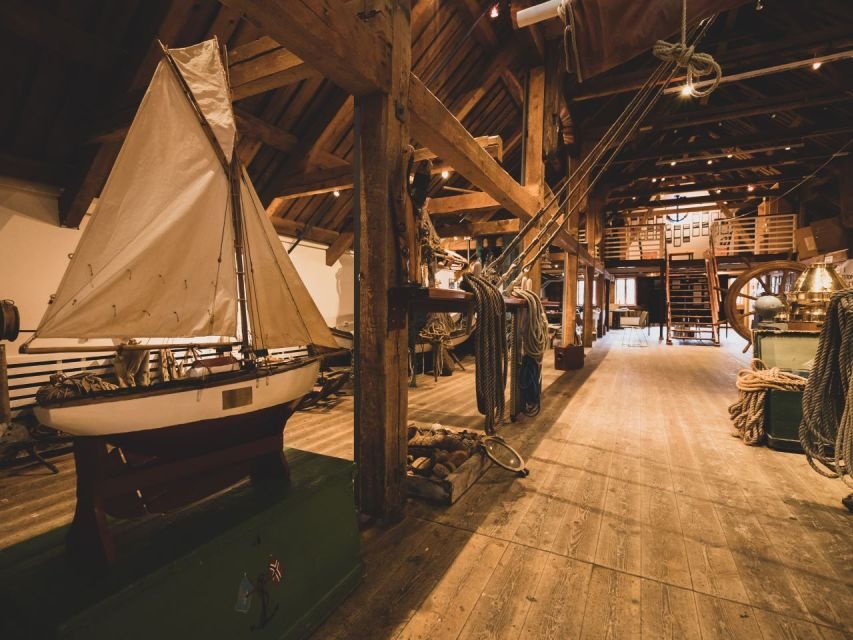
On the fourth floor, the tone shifts from culture to movement and industry. The Seafarer Exhibition focuses on maritime history and frames Tromsø as an Arctic gateway.
You’ll learn about maritime activities stretching from the Viking era to modern oil drilling in northern seas. That range can feel huge, but the museum keeps the focus on one thread: the sea shaped work, travel, and survival. And Tromsø harbor becomes the anchor point, showing why the region mattered for Arctic activity and expeditions.
This is a great stop if you want context for why Norway’s north is famous for sea work. It also explains why “Arctic” isn’t just about polar bears and ice photos—it’s about logistics, routes, risk, and communities built around ships and harbors.
If you’re planning other Tromsø experiences, this helps you understand what you’re seeing. A harbor cruise, a history walk, even a simple seafood meal starts to make more sense when you’ve already learned the long storyline behind the region.





The Historic Building Itself: Why the Walls Matter
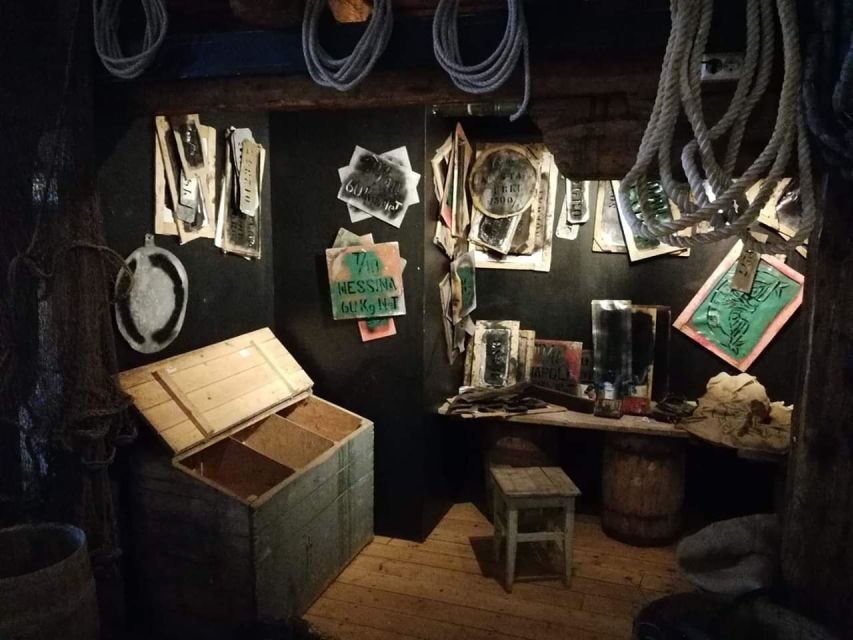
Full Steam Tromsø sits inside a historic sea house, and the building adds texture to the exhibits. Since it was traditionally used for fishery activity, it works like a physical reminder that these stories weren’t created in theory—they were created by work.
That can be hard to describe until you’re there, but you feel it right away. It’s one of those museum setups where the architecture and the content match. You don’t have to do mental gymnastics to make the theme credible.
For me, this is part of the value. An exhibit in a neutral modern building can still be good. But in this case, the setting helps you accept the stories faster and more comfortably.
Food, Coffee, and the On-Site Restaurant/Bar Area
After you explore the exhibits, you can spend time at the Full Steam Restaurant and caffe. The ticket includes access to that area, but food and beverages aren’t included.
Even if you plan to eat elsewhere, the café/resto space is a good place to pause. It’s also a way to keep your museum day from feeling like a sprint. Tromsø days can be tiring, especially if you’ve been outside in cold or wind.
If you do order something, treat it as part of the same story theme. The museum experience is designed so the food and drink offerings reflect histories told inside the building. That won’t guarantee a perfect match to your exact tastes, but it does give the place a consistent tone.
Optional Extras: Guided Tours and Tasting Experiences
The standard museum entry is self-paced. But if you want a deeper layer of explanation, you can book extra options under the Full Steam profile, including guided tours, Northern Light tours, and a special tasting experience.
I like having this flexibility. On a short trip, you can keep it simple and just do the three exhibitions. On a longer day, you can add one extra guided element and slow down even more.
Just keep your expectations realistic: the main museum visit is the core value, and the extras are add-ons. If you know you want interpretation, check what language the guided option offers and plan time for it.
What the Ticket Really Includes (and What It Doesn’t)
For $18 per person and a one-day ticket, you get access to the core museum content:
- Coastal museum
- Sea Sami museum
- Northern Light photo exhibition
- Northern light scientifically presentation
- Access to Full steam Restaurant and caffe area
- Access to the souvenir shop with traditionally hand crafts
- Access to book selected guided tours and tasting experiences
What you don’t get:
- Food and beverage
- A guide (unless you book an optional guided tour)
- Souvenirs (though you can browse and purchase)
So the value question is simple: do you want an organized, multi-room museum day without paying extra for a guide? If yes, this ticket is a strong deal. If you want a lot of live storytelling and you don’t plan to book any add-ons, you may wish you had extra context available—though you can still get plenty from reading the exhibits in English or Norwegian.
Practical Rules That Affect Your Day
This museum has a clear set of restrictions. For example:
- No pets (assistance dogs are allowed)
- No weapons or sharp objects
- No oversize luggage
- No drones
- No food or drinks allowed
- No smoking indoors
- No touching exhibits
There’s also a long list of general “please don’t” items, like not making fire and not using speakers. It’s pretty normal for museums, but it does mean you should plan with a clear bag policy in mind.
If you’re carrying bulky luggage, consider storing it elsewhere so you don’t waste time. If you have a day pack, keep it manageable. This sort of museum experience goes best when you’re hands-free enough to browse comfortably.
Language and Reading: English Is There
This place supports both English and Norwegian. The museum is presented with signage and exhibit text you can read, and that’s a big help if you want to stay independent.
If you rely heavily on English and prefer not to use extra translation tools, arriving with the assumption that English is available will make your museum day smoother.
Also, since the Northern Lights are presented through both photos and a scientific presentation, you’ll likely find multiple ways to get meaning even if some sections feel more text-heavy.
Is This Worth It for Your Tromsø Trip?
This museum is built for people who want a rounded view of the north. You’re not just getting scenery. You’re getting:
- culture shaped by the Arctic environment
- Northern Lights presented as both image and explanation
- maritime history showing why Tromsø matters
It’s especially good if you’re planning other northern activities and want the background that makes them click. It’s also a solid rainy-day option because it’s indoors and self-paced.
Who should book it?
- If you want culture plus Arctic science plus maritime history in one day
- If you like museums where the building fits the theme
- If you want a plan that doesn’t depend on weather for the main attraction
Who might skip or add an extra plan?
- If you strongly prefer guided interpretation only, you may want to book one of the optional guided tours rather than relying on self-guided reading alone.
FAQ
How long does the Full Steam Tromsø museum entrance take?
The visit is valid for one day, and you can explore the exhibits at your own pace during museum opening hours.
What exhibitions are included in the entrance ticket?
Your ticket includes the Sea Sami museum, the Northern Light photo exhibition, the Northern light scientifically presentation, and access to the seafarer/coastal museum areas.
Where do I meet for the museum entrance?
Meet at the yellow sea front building with the Full Steam sign on the wall, and use the museum entrance on the side of the building (look for the museum sign).
Is the museum wheelchair accessible?
Yes, the activity is listed as wheelchair accessible.
Are guided tours or Northern Lights tours available?
Yes. Guided tours, Northern Light tours, and a special tasting experience can be booked as add-ons under the Full Steam profile.
Can I bring pets or food inside?
Pets are not allowed (assistance dogs are allowed). Food and drinks are also not allowed inside.
Should You Book Full Steam Tromsø?
If you want a smart, efficient museum day that connects Sea Sami culture, Northern Lights, and Arctic maritime history, I think you should book it. For the price, you’re getting more than one theme, and the historic building adds extra credibility to the whole experience.
Skip it only if you’re already museum-saturated or you know you only enjoy experiences with a lot of live guiding. Otherwise, this is one of those Tromsø stops that makes the rest of your trip feel better explained.