REVIEW · OSLO
Norsk Folkemuseum Oslo Private Tour & Skip-the-Line Tickets
Book on GetYourGuide →Operated by ROSOTRAVEL Norway · Bookable on GetYourGuide
Wood carvings set the tone fast in Oslo. This private, 2-hour visit to Norsk Folkemuseum starts at the Gol Stave Church, then quickly turns into a walk through Norway’s everyday life across centuries. You get a licensed 5-star guide, plus skip-the-line access that helps you spend more time looking and less time waiting.
I especially like how the guide helps you notice what matters, from the church’s intricate woodwork to the small details in historic buildings. In the same spirit, I’ve seen guides like Dorota, Lisa, and Margaret praised for sharing clear, building-focused stories—exactly the kind of attention that makes an open-air museum feel personal instead of overwhelming. One real consideration: with 150+ buildings and only 2 hours, you’ll need to accept that you’re choosing highlights, not seeing absolutely everything.
In This Review
- Key highlights you’ll feel right away
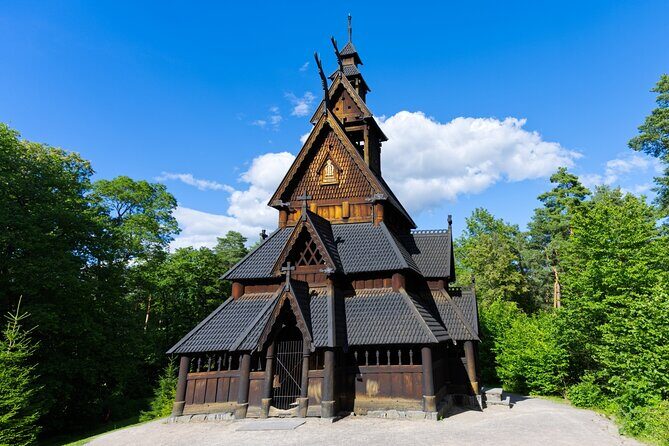
- Gol Stave Church: the 13th century you can’t ignore
- 150+ historic buildings in 2 hours: how to see more without rushing
- Traditional crafts and folk art: what to watch for as you walk
- Sami culture exhibits: connecting Indigenous heritage to the broader museum
- Live folk music and events: when the museum feels alive
- Private guide + skip-the-line: where the value really comes from
- Logistics that affect your comfort: shoes, weather, and food
- Who this tour suits best (and who might prefer something else)
- Should you book the Norsk Folkemuseum private tour?
Key highlights you’ll feel right away

- Gol Stave Church first: the 13th-century setting makes the rest of the museum click into place
- Skip-the-line tickets: pre-booked ticket office entry saves time at a popular site
- 150+ relocated buildings: you get a guided path through Norwegian life across eras
- Traditional crafts demonstrations: textiles and woodworking are the kind of details you can actually look for
- Sami culture displays: learn how Indigenous heritage fits into the larger Norway story
- Tailored private pace: your guide can steer attention based on your interests
Gol Stave Church: the 13th century you can’t ignore
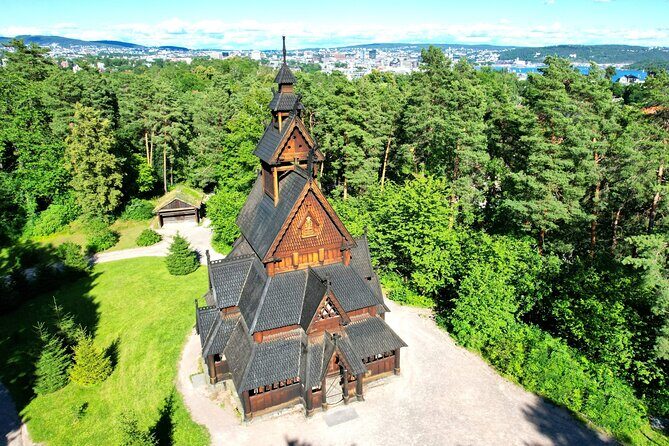
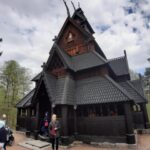
Starting at Gol Stave Church is smart because it gives you a visual anchor. Stave churches are one of Norway’s most recognizable medieval forms, and this one’s reputation comes from its intricate wooden carvings and mediaeval charm. Even if you’ve seen photos, the real payoff is in seeing the craft scale up as you stand close and look at how the details are shaped and fitted.
Your guide sets the tone fast—what you’re looking at, what it likely meant, and why this particular church belongs in an open-air cultural museum. Guides who were named in recent bookings (like Dorota, Lisa, and Margaret) were repeatedly praised for focusing on the little things in the buildings. That’s exactly what you want here, because the carvings and proportions are the story. Without a guide, it’s easy to walk past “cool wood” and miss the why.
A quick practical note: this is still a walking tour, so even your first stop benefits from comfortable shoes and good pacing. You’ll be happier if you keep your camera ready but not constant—give your eyes time to adjust to wood grain, shadows, and the carved surfaces.
A few more Oslo tours and experiences worth a look


150+ historic buildings in 2 hours: how to see more without rushing

The museum grounds are large, and the headline is 150+ historic buildings that have been relocated to show Norwegian life across different periods. In a 2-hour private tour, you won’t cover everything, and that’s not a failure—it’s how you make the experience feel like a curated walk rather than a stamina contest.
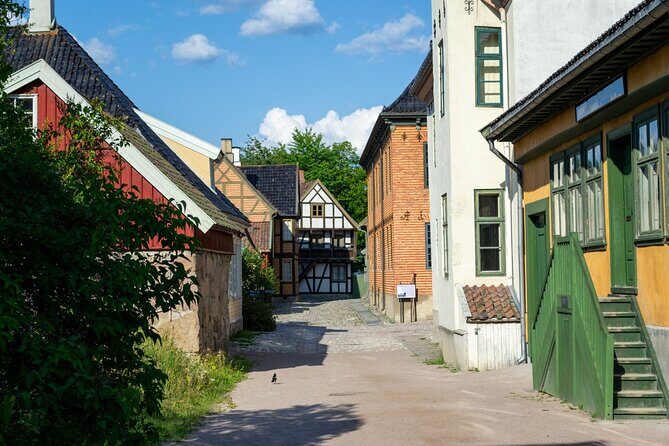
What makes this format work is the guide’s job: helping you prioritize. You’ll likely focus on representative examples—homes, workshop-like spaces, and traditional structures—so you come away understanding how people lived, built, and worked. The goal isn’t to memorize dates. It’s to connect architecture to daily life: materials used, layouts, and what each building type was meant to do.
If you’re the sort of traveler who likes a few strong impressions over a blur of stops, this timing fits. If you want to linger at each building and read every sign, you may wish you had more time. The good news is that the tour also gives you a base of context—so when you continue at your own pace afterward, the site makes sense faster.
Traditional crafts and folk art: what to watch for as you walk
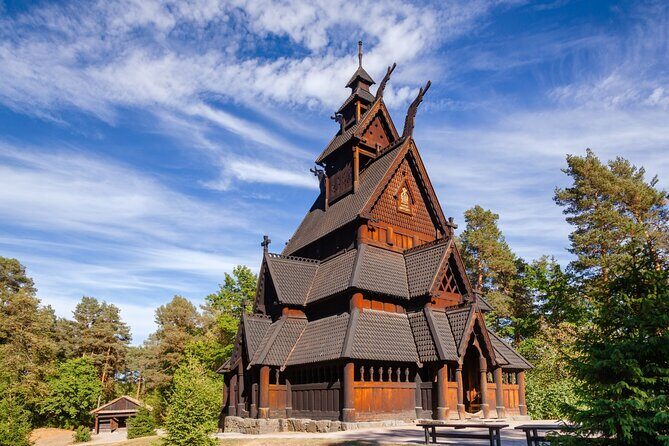
One of the best parts of this tour is how it treats crafts as more than “stuff to admire.” You’ll get traditional crafts demonstrations and explanations tied to Norwegian folk art, including things like textiles and woodworking. That matters because crafts are where culture becomes tactile. Fabric patterns, construction choices, and tool marks aren’t only artistic—they’re practical and historical.
A guide helps you look for clues: what kind of technique is being used, what materials were common, and how skill gets passed along. You might notice how certain building spaces feel designed for work, not just living—again, the guide’s commentary turns architecture into context. If you’ve ever been in a museum and felt like you were staring at objects without a storyline, this is designed to fix that feeling.
Also, this is where a private group pays off. In a group tour, you often get one-size-fits-all commentary. Here, the tour is tailored to your interests, so if crafts are your main goal, your guide can steer you toward the most relevant parts of the grounds and explanations.
Sami culture exhibits: connecting Indigenous heritage to the broader museum
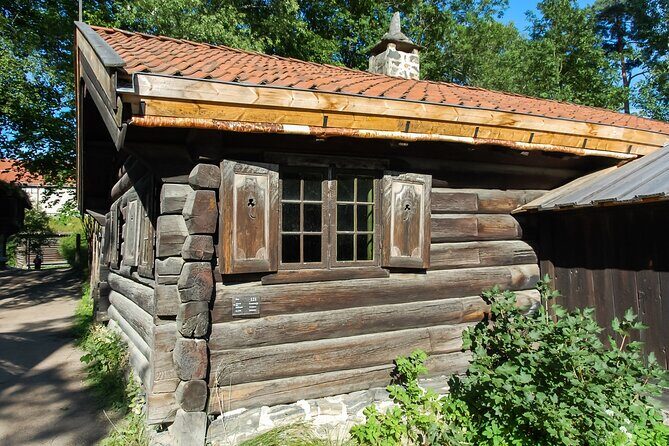
The museum’s cultural story doesn’t stop at medieval churches and old farm life. You’ll also experience Sami culture through interactive displays that highlight Indigenous heritage and traditions. Even in a short tour, this portion is important because it expands the idea of Norwegian culture beyond a single lane.
What I like about this is that it helps you see the country as layered. Sami heritage is not an add-on—it’s part of the national story, with traditions that shaped how people lived across northern landscapes. The guide’s interpretation (and your time with the displays) helps you connect the museum’s different exhibit strands into one idea: culture is made by communities, not just by buildings.
If you’re visiting from outside Europe or you don’t know much about Sami traditions, don’t worry—you’re not expected to arrive as an expert. The tour is built for understanding, and the exhibits are there to give you something to ground your questions in.
Live folk music and events: when the museum feels alive
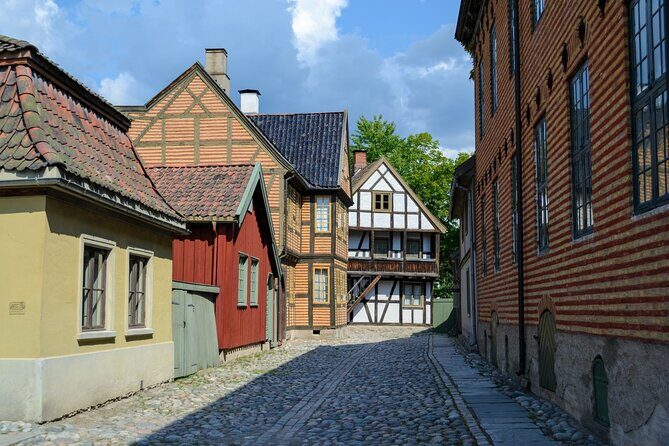
Norsk Folkemuseum doesn’t operate like a silent warehouse. It regularly hosts cultural events such as live folk music performances that celebrate Norway’s musical legacy. In a 2-hour tour, you may or may not catch a specific event depending on the day and schedule, but the fact that events happen here is part of the experience.
This matters because folk music works differently than guided labels. You hear rhythm, feel timing, and suddenly the museum’s objects and stories connect to something you can experience in real time. If you’re the kind of traveler who likes culture that’s not locked behind glass, keep an eye out during your walk.
When events are present, your guide can help you understand what you’re hearing, which instruments or traditions you’re seeing, and how it ties back to the broader folk culture theme.
You can also read our reviews of more private tours in Oslo




Private guide + skip-the-line: where the value really comes from
Let’s talk value, because $207 per person for a 2-hour private tour isn’t pocket change. The reason it can be worth it is that you’re paying for two things that are hard to replicate on your own: a licensed guide who can point out what you’d otherwise miss, and skip-the-line tickets that reduce waiting time at the ticket office.
Do note the nuance: skip-the-line applies at the ticket office thanks to pre-booked tickets. You cannot skip ticket checks or security checks at the entrance. Still, saving that ticket-office time is meaningful at a popular attraction, especially if you’re on a tight schedule in Oslo.
This tour also includes practical insider help—tips on the best things to do in Oslo—which can be helpful when you’re trying to plan the rest of your day. If your time in Oslo is limited, that kind of guidance is a quiet bonus.
Finally, the guide being fluent in multiple languages (English, Norwegian, German, French, Italian, Spanish) makes the experience more comfortable. You get clearer explanations without losing nuance, and that’s a real quality-of-life upgrade when you’re dealing with architecture, crafts, and cultural context.
Logistics that affect your comfort: shoes, weather, and food
This is a walking tour, so build in comfort. Wear comfortable shoes, and expect you’ll move from the main entrance area through multiple sections of the grounds.
Weather is handled in the sense that the tour will take place as planned in sun and rain. That’s normal for an open-air museum, but it changes how you experience details—wood carvings and outdoor signage can be harder to read in bad conditions. Check the forecast and dress for it.
Food and drinks are not included. You can purchase snacks or meals at Café Arkadia by the main entrance or Piperviken Cafe in the middle of the open-air museum. If you’re sensitive to hunger mid-visit, plan to eat before you start, or make a quick stop after your 2-hour tour so you don’t feel rushed.
Who this tour suits best (and who might prefer something else)
This tour is ideal if you want Norway’s cultural storytelling without spending hours trying to figure out what to look at. If you’re fascinated by medieval architecture, crafts, or cultural exhibits—and you want a private guide to steer the experience—this format is a strong match.
It’s also a good fit for travelers who hate wasting time standing around. The pre-booked skip-the-line ticket office setup helps you start seeing instead of waiting.
If you’re traveling solo with lots of time, you might not need the private guide for every minute. And if you’re the type who enjoys reading every sign and lingering through every building, you’ll likely want either a longer tour or a self-guided visit afterward. In a 2-hour window, this experience is best viewed as a high-quality “best-of with context,” not a complete museum marathon.
Should you book the Norsk Folkemuseum private tour?
If your priorities are Gol Stave Church, Norwegian folk crafts, and a guided path through major parts of Norsk Folkemuseum, I think you should book this tour. The private guide angle is what turns a large open-air site into a coherent experience, and the skip-the-line tickets help you stay on schedule.
I’d hold off if you’re on a strict budget or if you truly want unlimited time to wander and read at your own pace. In that case, you’d be paying extra for guidance you may not fully use.
For most people—especially those with limited time in Oslo—this is a smart way to see the museum’s highlights with clarity, not chaos.