REVIEW · OSLO
Oslo Unveiled: Private Walking Tour
Book on GetYourGuide →Operated by OsloWay · Bookable on GetYourGuide
Oslo clicks into place when you walk it. This private walking tour is fully tailor-made, so your guide shapes the route around what you care about most—history, architecture, art, or just getting your bearings fast.
I especially like how the guides bring facts down to earth and answer questions with confidence. I also love the mix of big-name sights like Karl Johans gate and the Royal Palace plus neighborhood color in Grünerløkka, with stops that connect the old city to the modern waterfront. One thing to consider: at three hours, it’s a sharp sampler, not a deep-dive museum binge.
In This Review
- Key Highlights You’ll Feel on the Ground
- How the Tailor-Made Format Works in Real Life
- Karl Johans gate and the Royal Palace: Where Oslo Shows Its Spine
- Akershus Fortress and the Oslo Fjord Views
- Aker Brygge Waterfront: Modern Oslo in Walking Distance
- Grünerløkka’s Bohemian Streets: The Oslo Mood in Miniature
- Architecture Lessons Without the Museum Headache
- Timing, Pace, and Weather: The 3-Hour Reality Check
- Price and Value: Is $272 per Group Actually Fair?
- Who Should Book This Private Oslo Walk
- Should You Book Oslo Unveiled?
- FAQ
- How long is the Oslo Unveiled private walking tour?
- What is the price for the tour?
- Is this tour private?
- What language is the guide?
- Is the tour wheelchair accessible?
- Can the itinerary be customized?
- Does the tour run in bad weather?
- What should I bring?
- What are the cancellation and payment options?
Key Highlights You’ll Feel on the Ground

- 100% tailor-made route based on what you want to see, not a one-size-fits-all checklist
- Local guiding that stays practical, with clear explanations you can actually use while sightseeing
- Iconic Oslo anchors like Karl Johans gate, the Royal Palace, and the waterfront at Aker Brygge
- Akershus Fortress for real perspective, including views over the Oslo Fjord
- Grünerløkka street life for a bohemian contrast to the formal center
How the Tailor-Made Format Works in Real Life

The biggest reason this tour feels worth it is that it’s not locked into a rigid route. After you book, you’ll talk with the operator about your preferences and they’ll customize the itinerary around your style. If you love architecture, you’ll spend more time looking at details and how eras overlap. If you’d rather learn the stories behind the city’s layout, your guide can steer you toward the connections that make Oslo make sense.
In practice, that usually means you get more of the good stuff and less of the stuff you’d otherwise skim. I like that you can choose the balance between major highlights and lesser-known neighborhood corners. Oslo can be easy to photograph but harder to understand quickly; a tailored walk helps you read the city like a local.
It’s also built for a private group, capped at up to 9 people. That’s a sweet spot: you get the flexibility of personal attention without the guide disappearing into a large crowd.
You can also read our reviews of more walking tours in Oslo



Karl Johans gate and the Royal Palace: Where Oslo Shows Its Spine
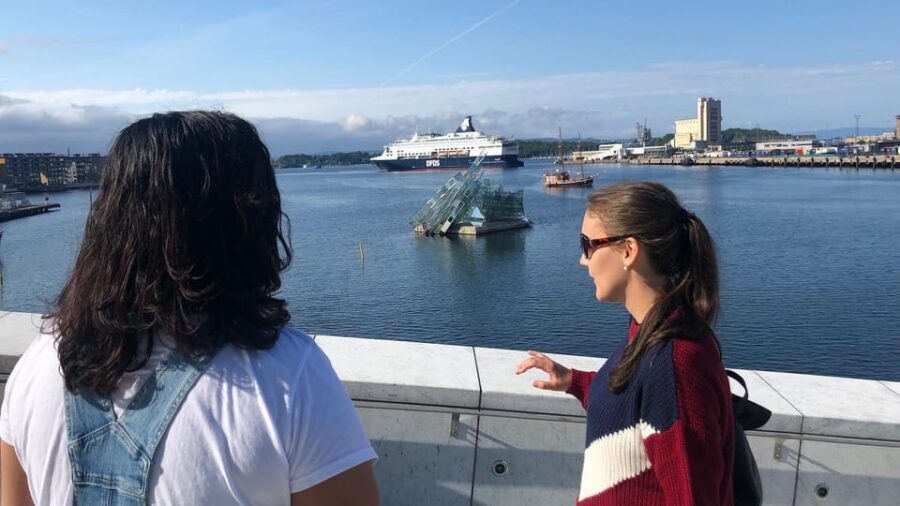
Karl Johans gate is one of those places where Oslo’s identity shows up instantly. Walking it, you get a feel for the city’s core axis—how the streets guide your eye toward power, ceremony, and the kind of planning that makes downtown easy to orient in.
From there, the tour typically touches the Royal Palace area. Even without treating this as a formal history lecture, you’ll get more than postcard views. A good private guide points out what to notice: the scale, the symmetry, and the way government and public life shaped the streets you’re standing on. This kind of stop works best when you’re curious and willing to look up, not just forward.
If you care about historical vs. contemporary Oslo, this area is a strong starting contrast. You’ll see the formal face of the city, which makes it easier to appreciate what comes next—especially once the walk shifts toward neighborhoods and the water.
What I like for your first visit: this segment helps you map Oslo in your head. Even if the rest of the day changes direction, you’ll know how the pieces connect.
Possible drawback: if you’re coming from another Nordic capital and already know this style of central avenue, you may want your guide to spend more time moving into side streets and viewpoints rather than lingering too long on the obvious angles.
Akershus Fortress and the Oslo Fjord Views
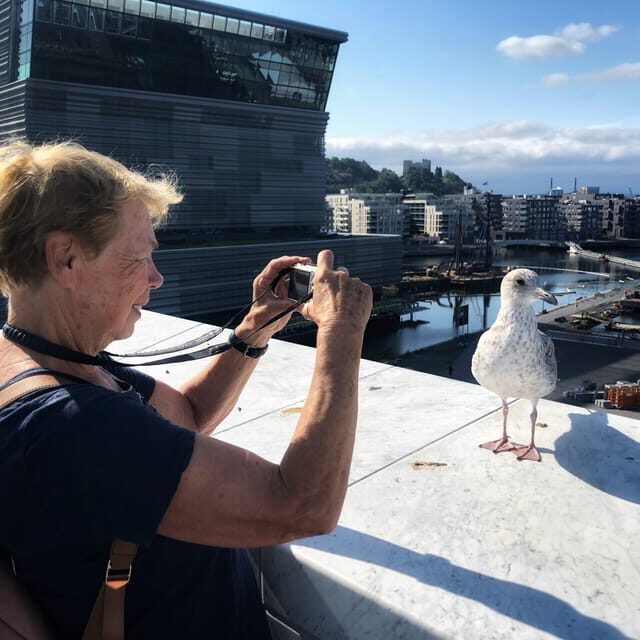
Akershus Fortress is a reminder that Oslo isn’t just a modern Scandinavian city—it also has deep roots in defense, trade, and control of the fjord. The fortress sits in a way that rewards walking up and around it. You don’t just see the view; you see how the view was meant to be used.
The tour’s focus here is practical: you’ll get context for why the location matters and what it tells you about the city’s past. And because you’re standing above the Oslo Fjord, you can actually understand the relationship between water, movement, and power. Norway’s geography shapes everything, and this is a spot where you can feel that connection without needing charts.
Why this stop is so effective on a walking tour: it turns “history” into a physical experience. You’re not only hearing what happened—you’re observing the terrain and the strategic logic.
How to enjoy it more: slow down when you reach higher points and let your guide point out what you can see from different angles. Even a small change in position often makes the story clearer.
Aker Brygge Waterfront: Modern Oslo in Walking Distance

From the fortress, the mood shifts—because the city does. Aker Brygge is the waterfront side of Oslo, and it’s the kind of place where you can watch how Oslo spends time now: along the water, near restaurants and promenades, with a modern rhythm that contrasts the fortress stone.
This part of the tour tends to feel lighter and more social than the earlier historical segments. It’s also where the tour’s architecture focus becomes tangible: you can compare the older structures and the purposeful gravity of the past with newer design and planning around the harbor.
If you’re the type who likes to connect art and design to daily life, you’ll probably enjoy how your guide frames the shift from medieval stone to contemporary public space. It’s not just where to stand for photos—it’s a lesson in how cities evolve while still keeping their bones.
One useful tip: if the weather is good, you’ll want a few extra minutes here even if your plan is “just a walk.” Waterfront air makes you linger, and you’ll get a calmer moment to absorb what you learned earlier.
Grünerløkka’s Bohemian Streets: The Oslo Mood in Miniature
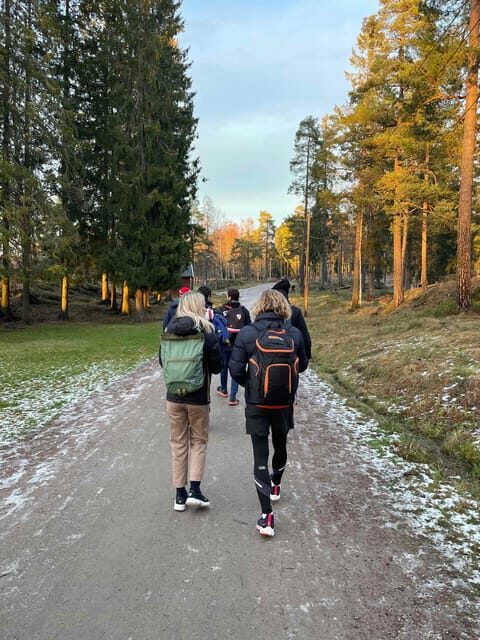
Grünerløkka is the neighborhood stop that often makes people relax. After ceremonial city-center sights and the fortress viewpoint, these streets deliver a different kind of Oslo energy—street life, a more casual feel, and the sense that culture happens at ground level.
The tour description points to the bohemian side of Grünerløkka, and that matters. A private guide can point out how this neighborhood reads differently from the formal center: smaller lanes, everyday storefronts, and the feeling of a place that evolved with creative communities.
Even if you don’t chase cafes or shops during the walk, this stop helps you understand that Oslo isn’t one uniform “look.” The city has layers, and Grünerløkka is one of the easiest ways to see them.
How to make this portion work for you: tell your guide what you notice. If you like street art, ask for pointers. If you like architecture, ask where the neighborhood shows the most character. When it’s tailor-made, your questions steer the walk.
You can also read our reviews of more private tours in Oslo





Architecture Lessons Without the Museum Headache
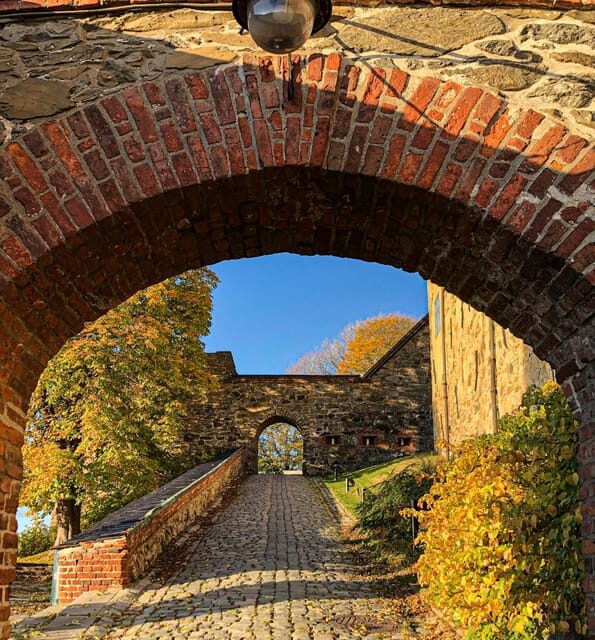
One of the most praised elements from past guests is the way the guides explain both historical and contemporary architecture. You’re not stuck with vague commentary. The guidance tends to be structured: what you’re seeing, how it connects to Norway’s long past, and what changed over time.
For example, guides named Katerina and Neil come up for being dedicated, kind, and very informative. That shows in the style of the tour: you get a narrative that you can follow while walking, not a lecture you have to memorize.
What I find valuable for you: architecture can be intimidating if you don’t know what to look for. A good guide turns it into a set of simple observations—materials, scale, street layout, and the way buildings relate to public space.
This is also why the tour’s “100% tailor-made” angle matters. If you’re more into modern design, the route can give you more contemporary contrasts. If you’re more into earlier eras, the walk can keep steering you toward the city’s older power centers.
Timing, Pace, and Weather: The 3-Hour Reality Check

This tour runs for 3 hours, which is a good length for Oslo walking. It’s long enough to hit multiple zones—center, fortress, waterfront, and a neighborhood—without exhausting you before the best light for photos.
Still, it’s a walk. Wear comfortable shoes and dress for the weather because the tour runs in rain, snow, or shine. That affects your experience more than you might think. In bad weather, you’ll want to keep your pace steady and accept that some outdoor viewpoints will be less photogenic. But the stories will still land, and your guide can adjust how you experience each stop.
A small planning note: keep expectations flexible. If you want to stop for snacks, you’ll have to decide what matters most because the guide will be balancing the walk with your interests.
Price and Value: Is $272 per Group Actually Fair?
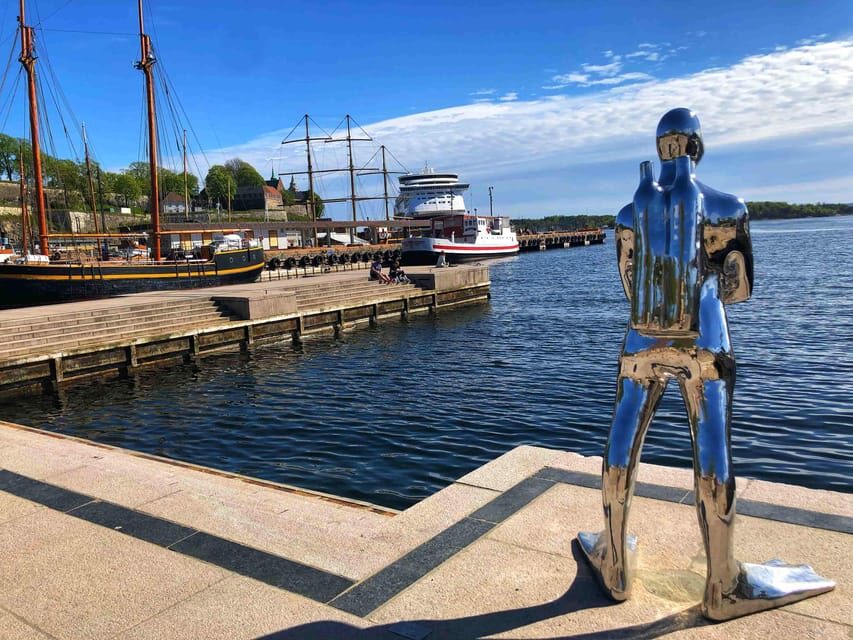
The price is $272 per group for up to 9 people, for a total of about 3 hours with an English-speaking local guide. Private tours can be expensive, so here’s how I’d judge value.
This is good value if:
- You’re traveling with 2–6 people and want personalized routing.
- You don’t want to spend time figuring out what to see and how to connect the dots.
- You care about architecture and want explanations while walking.
It’s also a strong choice because you’re not paying per person for a rigid route. The customization is the real “product” here. If you end up with a route that matches your interests—history, art and culture, scenic parks, or the neighborhoods—that’s when the cost feels justified.
If you’re solo and only want a couple of photo stops, you might consider a cheaper group tour. But if you want a guide like Katerina or Neil-level attention, the private format is the point.
Who Should Book This Private Oslo Walk
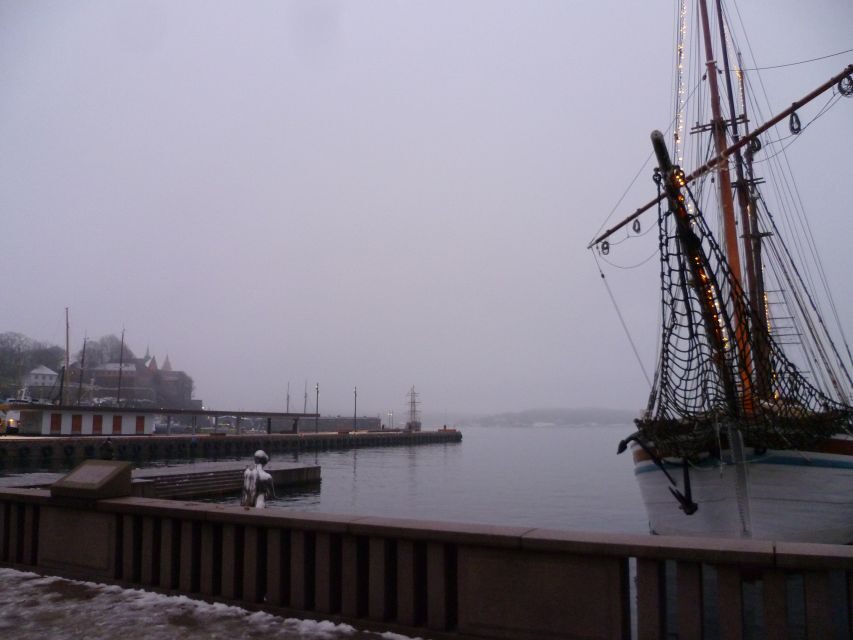
This tour is a great fit if you:
- Want a private guide and a route shaped around your interests
- Prefer a walking pace over jumping into a vehicle right away
- Like a mix of famous sites and neighborhood character
- Need help understanding how Oslo’s past and present fit together
It may not be your best match if you’re looking for a long, museum-style timeline. Three hours is designed to inform and orient, not replace a full day of in-depth indoor visits.
Should You Book Oslo Unveiled?
If you want the fastest route to a confident Oslo sense of place, I’d book it—especially for a first visit. The combination of central icons (Karl Johans gate, the Royal Palace), a high-impact viewpoint (Akershus Fortress over the Oslo Fjord), a modern contrast (Aker Brygge), and neighborhood character (Grünerløkka) gives you a well-rounded day in a tight time window.
Pick this tour when you care about quality guidance, not just ticking boxes. With a 4.7 rating from 11 reviews and guides recognized for being dedicated and informative—Katerina and Neil, in particular—this is the type of experience that tends to leave you thinking you saw Oslo more clearly than you would on your own.
FAQ
How long is the Oslo Unveiled private walking tour?
It lasts 3 hours.
What is the price for the tour?
The price is $272 per group, for up to 9 people.
Is this tour private?
Yes, it’s a private group tour.
What language is the guide?
The live tour guide speaks English.
Is the tour wheelchair accessible?
Yes, the tour is wheelchair accessible.
Can the itinerary be customized?
Yes. After booking, the provider reaches out to discuss your preferences and create a tailored itinerary.
Does the tour run in bad weather?
Yes. It takes place rain, snow or shine.
What should I bring?
Bring comfortable shoes, comfortable clothes, and weather-appropriate clothing.
What are the cancellation and payment options?
You can cancel up to 24 hours in advance for a full refund. You can also reserve now and pay later, so you can keep plans flexible.