REVIEW · OSLO
Oslo: The Grand Experience Walking Tour with Lunch or Dinner
Book on GetYourGuide →Operated by ArtistaTours · Bookable on GetYourGuide
Oslo feels different when someone slows you down. This hosted walk through central sights turns into a reserved meal at Grand Hotel Oslo, no awkward pause in between. I love the calm, conversational pace that makes the city feel like it’s talking back, and I love that dining is built in, not tacked on. The main trade-off is the price, plus you’re walking outdoors for a good chunk of the 4 hours.
I also like that the group stays small (max 10), so you’re not competing for the guide’s attention. On top of the landmarks, the best part is the way guides bring in practical context—people like Martin, Magnus, Anders, and Michael are noted for humor, food know-how, and helpful extra pointers after the tour. One other thing to consider: if you need lots of mobility support, this one isn’t set up for wheelchair users.
In This Review
- Key points at a glance
- Oslo, served slowly: what makes this tour different
- Start at the Royal Palace: setting the scene in plain view
- Norwegian National Theater and the Oslo rhythm: photo stop with real context
- Jul i Vinterland: why the market stop matters more than you’d expect
- Norwegian Parliament and the politics of place
- Oslo Central Station: orientation done right
- The local dining segment: where the day shifts into food mode
- Grand Hotel Oslo finish: reserved table, polite grandeur, and no rush
- Choose your meal: Grand Lunch, Afternoon Tea, or Grand Dinner
- Small group, calm pace: how the guide style changes everything
- Weather and walking logistics: how to prepare for Oslo outdoors
- Price and value at $194: what you’re really paying for
- Who should book this tour (and who should skip it)
- Should you book The Grand Experience?
- FAQ
- How long is the Oslo: The Grand Experience Walking Tour with Lunch or Dinner?
- Where do we meet for the tour?
- Is this tour a small group?
- What language is the guide?
- What dining options are available?
- Are drinks included in the price?
- Is the tour outside?
- What should I bring?
- Is the tour suitable for wheelchair users or mobility impairments?
Key points at a glance
- Royal Palace meet-up with a clear start point and a red umbrella to spot your guide fast
- Small-group limit (10 people) that keeps questions and photos easy, not rushed
- No waiting between walk and meal—you’re escorted to a prepared table
- Three dining styles to match your day: Grand Lunch, Grand Afternoon Tea, or Grand Dinner
- Outdoors in all weather means you’ll want serious layers and comfy shoes
Oslo, served slowly: what makes this tour different
This is the kind of tour that respects your time and your attention span. Instead of sprinting from postcard to postcard, you move through the city at an unhurried rhythm, with stories chosen for how they help you see Oslo. The pace stays calm enough that you can ask questions and actually notice details—street layouts, building forms, and how different parts of the city connect.
Then comes the smart part: the tour doesn’t cut off and leave you to hunt for lunch. It flows into dining at Grand Hotel Oslo, with a reserved table waiting. You go from walking mode to sitting mode without that awkward transition where everyone checks phones and tries to decide where to eat.
You can also read our reviews of more walking tours in Oslo
Start at the Royal Palace: setting the scene in plain view
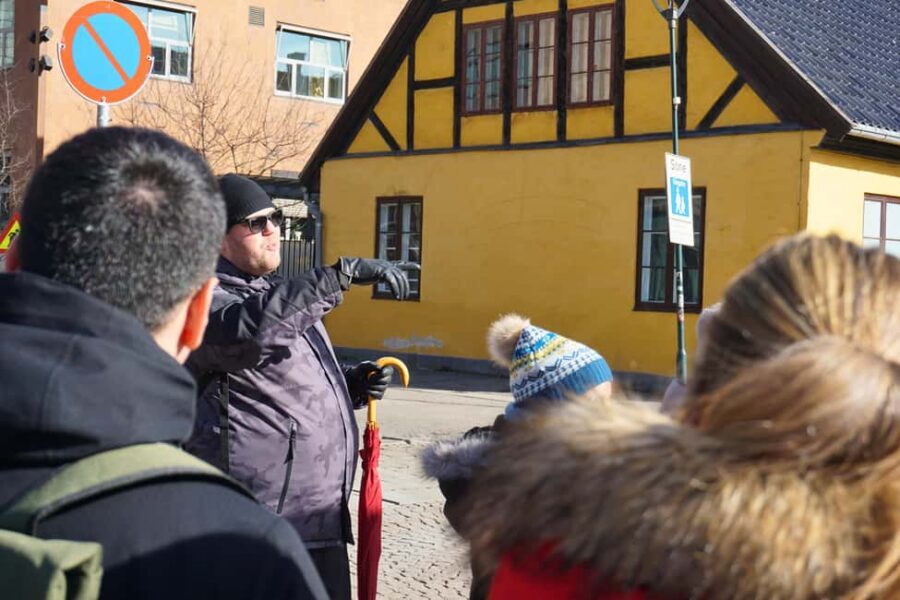
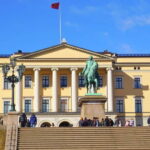
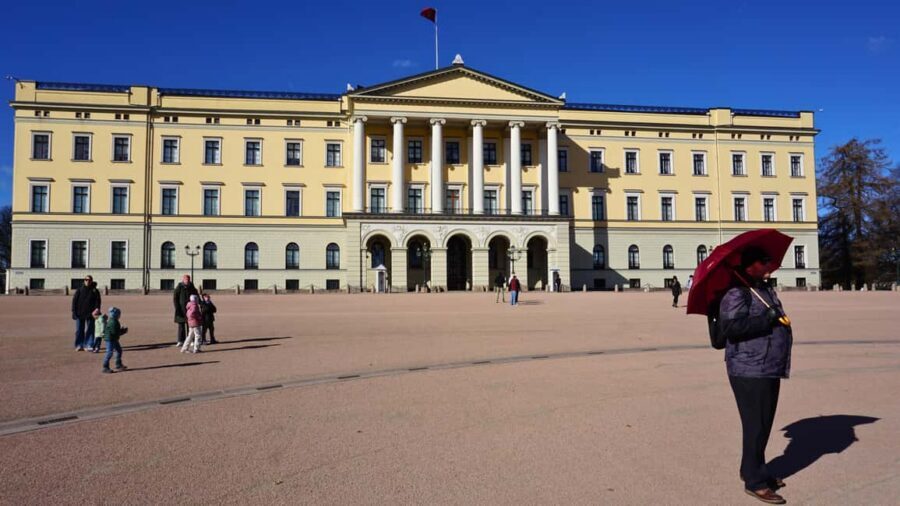
You begin in front of the Royal Palace, which is a great way to start because it places you right at the center of Oslo’s formal, historic core. It’s an open, easy-to-find meeting point, and the guide is easy to spot—look for the red umbrella.
Right away, you’ll get orientation. You’re not just told what you’re looking at; you’re given context so those buildings make sense in your head. This is especially helpful on a first visit, when Oslo can feel a bit spread out and you’re still learning what’s where.
What to watch: the start time matters. If you arrive late, you’ll miss that early positioning and the first chunk of explanation. Also, bring warm layers right from the beginning—Oslo weather loves to change its mind.
Norwegian National Theater and the Oslo rhythm: photo stop with real context
Next up is the Norwegian National Theater. You get a short photo pause and a guided look. This is where the tour starts to feel more like a hosted walk than a strict checklist. The guide points out what’s worth noticing and explains what you’re seeing in a way that doesn’t require you to already know the history.
This stop works well because it’s visual. You can quickly connect the building to the idea of Oslo as a cultural capital, not just an airport-to-hotel city. And because it’s a photo stop, you’re not losing lots of walking time for something you might not care about.
Practical tip: if you’re photographing in winter light, expect darker conditions. Keep your hands warm so you can still take photos without rushing.
Jul i Vinterland: why the market stop matters more than you’d expect
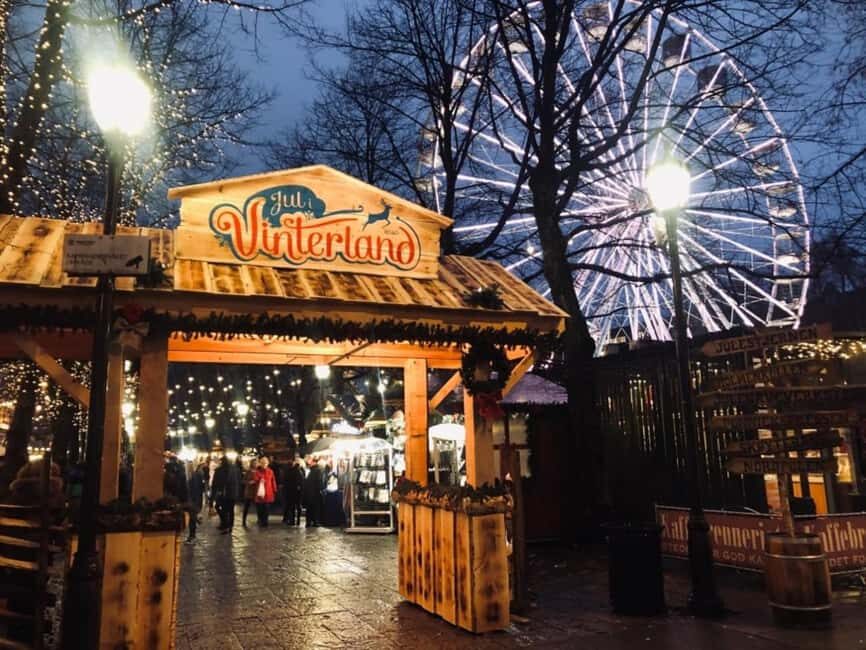
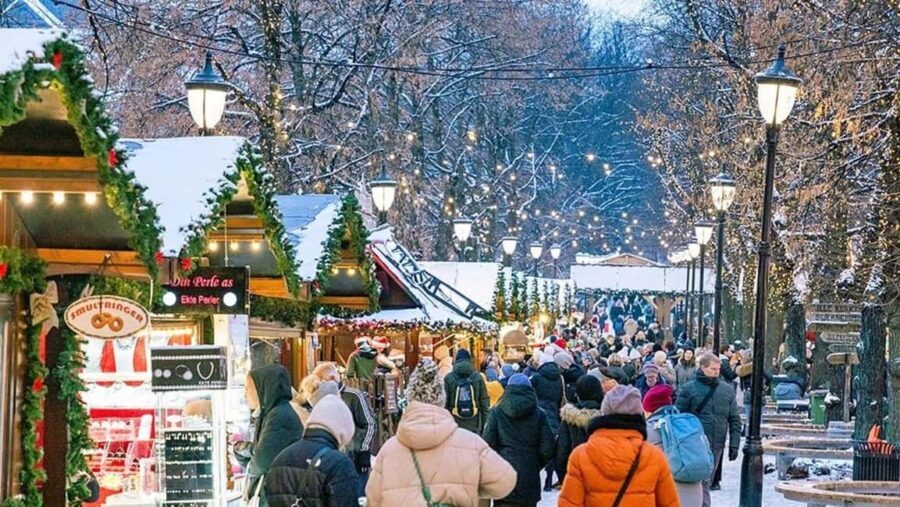
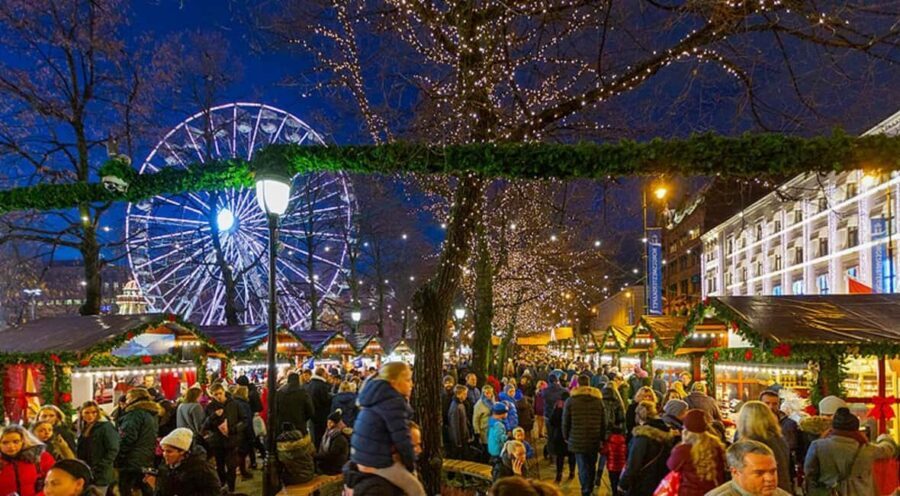
Then you head to Jul i Vinterland, where the tour leans into seasonal Oslo. You get a photo stop plus a longer guided time here. This is a stop that many people remember because it’s not just a backdrop—it’s an introduction to how seasonal traditions shape the city’s atmosphere.
Guides also tend to connect this market feel to Norwegian Christmas traditions and the food culture around them. In other words, you’re not only seeing stalls. You’re learning how people think about the season.
The trade-off: markets can be crowded and cold. Dress for lingering. If you’re hoping for tons of shopping time, don’t count on it; this is more about seeing, understanding, and soaking up atmosphere than doing a retail marathon.
Norwegian Parliament and the politics of place
At the Norwegian Parliament, you’ll get a photo stop plus a visit and guided tour. This is the moment where the walk gains weight. It’s one thing to see a famous building; it’s another to understand why its location and surroundings matter for how a country presents itself.
The tour keeps it time-efficient, too. You don’t feel stuck in a long classroom session. You get the essential explanations, then you’re back outside walking again.
Consideration: this is a brief stop with guided time, so it’s not for people who want to linger inside for long stretches. If you love deep museum-style detail, you’ll probably want to pair this with a longer independent visit later.
A few more Oslo tours and experiences worth a look


Oslo Central Station: orientation done right
Oslo Central Station is more than a transit hub. In the tour, it becomes an orientation tool. You get another photo stop and guided tour time, which helps you understand the city’s layout in a practical way.
This is especially valuable if you’re using trains or ferries during your stay. Once you see the station in context, it’s easier to plan routes and to understand what’s walkable versus what will eat your energy.
Many guides also use this part of the walk to share helpful extra tips—how to get around, where to go next, and what to prioritize if you have limited time.
The local dining segment: where the day shifts into food mode
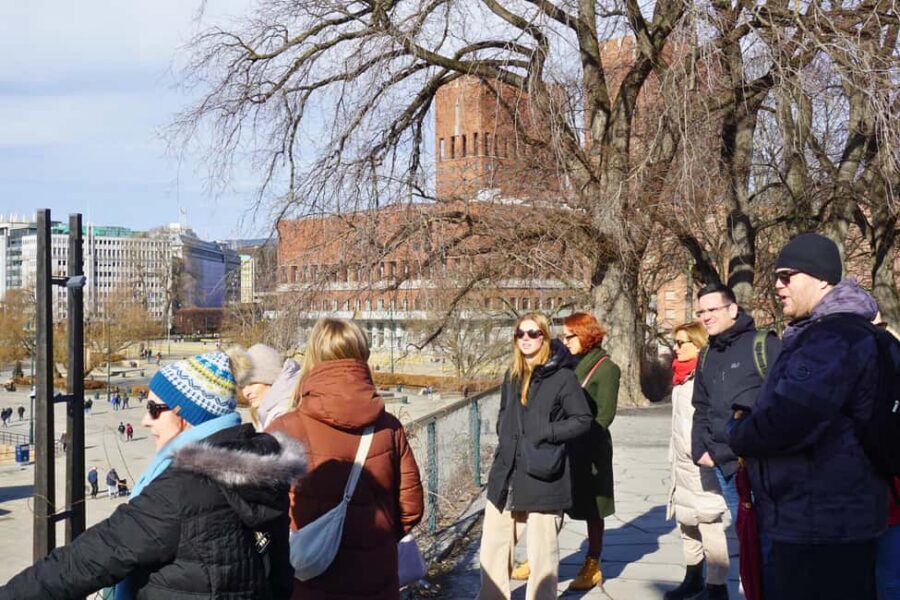
After the main city walking time, the tour includes a meal at a local dining setting for about an hour. This is where you’ll slow down for real. Lunch or dinner here is chosen as part of the experience, which means you’re not trying to solve food logistics while hungry.
Because this stop sits in the middle-to-late part of the tour, it helps you keep momentum without overdoing it. You also get a chance to reset before the Grand Hotel portion, which is the big finish.
One practical reality: meal timing means you should come hungry. If you snack heavily beforehand, you might feel like you’re not getting the full value out of the set menu.
Grand Hotel Oslo finish: reserved table, polite grandeur, and no rush
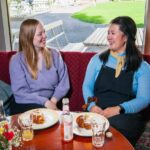
The highlight finish is Grand Hotel Oslo. You’re escorted into the hotel and brought to a reserved table that’s prepared ahead of time. The whole point here is that the experience continues—there’s no break where everyone stands around deciding what happens next.
Grand Hotel Oslo isn’t just fancy for show. It carries a sense of tradition and status, and that atmosphere changes how you experience the final stretch of the day. The mood shifts from street-level observation to a slower, more elegant pace.
This matters because it turns the tour into a complete story arc. You start outside learning how Oslo works. You end inside appreciating how Oslo hosts.
Choose your meal: Grand Lunch, Afternoon Tea, or Grand Dinner
You can pick how you want the day to end. Each option is built around a set menu:
- Grand Lunch: a refined two-course menu
- Grand Afternoon Tea: a relaxed tea experience in a historic setting
- Grand Dinner: a carefully composed three-course menu
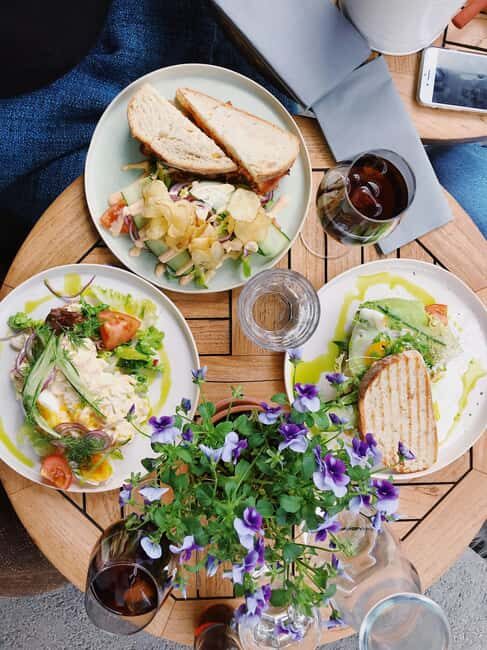
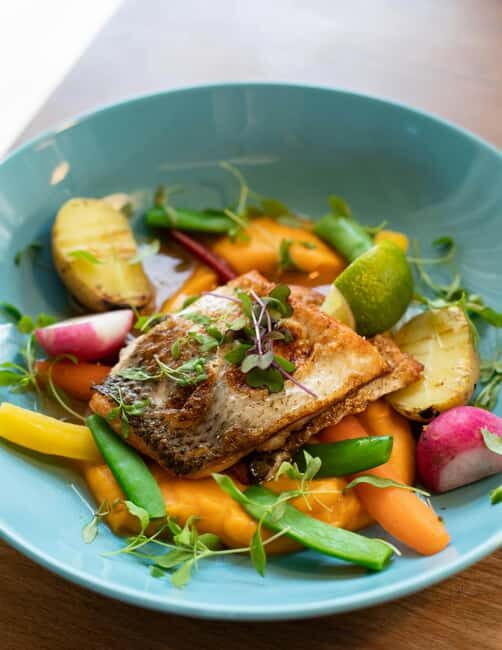
Menus are selected by the Head Chef, and the service setting is designed to feel special—an environment long associated with artists, writers, diplomats, and Nobel laureates. Even if you don’t care about the guest list, the room itself creates a calm, formal tone.
My advice: choose based on your energy. If you’re visiting in winter and you’re walking all day, afternoon tea can feel gentler. If you want the most classic payoff, go for dinner.
What you should know: drinks aren’t included, so plan on adding a beverage cost if you want wine, beer, or cocktails with the meal.
Small group, calm pace: how the guide style changes everything
This works as a group tour because the group size stays limited to 10 people. That’s not just a comfort detail. It directly affects what you get out of the day. In a smaller group, the guide can read the room, slow down when someone has questions, and keep the walking pace unhurried.
It also means the tour feels personal. The guide isn’t performing for the crowd; they’re hosting a walk. People have specifically praised guides for humor and for taking time to help individuals—like offering restaurant recommendations or even transit help after the tour.
Some guides also bring food expertise into the storytelling. For example, Anders has been described as having a chef background, which makes the food discussion feel grounded rather than generic.
Practical takeaway: if you’re the kind of traveler who enjoys asking why something is here, this format fits you well.
Weather and walking logistics: how to prepare for Oslo outdoors
The tour is outdoors and keeps going in all weather conditions. That means your comfort matters more than usual. Comfortable shoes are non-negotiable—4 hours of walking, plus winter chill, will punish sneakers with thin soles.
Warm clothing matters too. Oslo winter can feel sharp, especially when you’re pausing for photos or standing outside for short guided explanations. Layering is the move: base layer, warm mid layer, and an outer shell that cuts wind.
Also: oversize luggage isn’t allowed. Drones are not allowed either. Leave bulky gear behind so you can move easily.
If you need wheelchair access or have mobility impairments, this one isn’t designed for that. You should look for an alternative format.
Price and value at $194: what you’re really paying for
At $194 per person for about 4 hours, this isn’t a budget tour. But it’s also not just a city walk.
You’re paying for three things working together:
1) A small-group guide for a multi-stop walk
2) A reserved dining experience at Grand Hotel Oslo that’s timed to the end of the walk
3) A set menu (two-course lunch, afternoon tea, or three-course dinner), selected in advance
The value is strongest if you’ll otherwise spend time figuring out where to eat, especially in a city where quality meals can involve planning. The reserved-table setup reduces friction. You get the meal part without scrambling.
You’ll also likely get more out of the walking because the guide is shaping the stories around context, not racing through a list.
If you’re traveling solo on a tight schedule or you’re already confident in your Oslo restaurant plans, the price might feel steep. But if you want a hosted experience that pairs walking with a true sit-down finish, this hits.
Who should book this tour (and who should skip it)
Book it if you want Oslo beyond the obvious photos. This is ideal for couples who like a shared, refined rhythm—walk, stories, then a beautiful meal. It’s also a strong option for first-timers who want orientation and practical direction about where things are and how they connect.
You’ll also enjoy it if you care about seasonal atmosphere. The Jul i Vinterland stop brings a Christmas-market feel that many visitors remember.
Skip it if:
- you dislike cold outdoor time and don’t want to dress for it
- you need an accessibility-friendly route (this one isn’t suitable for wheelchair users)
- you’d rather eat wherever you find something spontaneous and don’t want set menus
Should you book The Grand Experience?
I’d book this tour if your goal is to experience Oslo in a slower, more hosted way—without turning your day into a logistics puzzle. The biggest selling point is the pairing: a calm city walk that doesn’t end abruptly, followed by an actual reserved dining finish at Grand Hotel Oslo.
I’d think twice only if your budget is tight or if you can’t comfortably handle hours of walking outdoors. If you’re in that sweet spot—comfortable shoes, warm layers, and a desire for a classy, unrushed Oslo day—this is a strong choice.
FAQ
How long is the Oslo: The Grand Experience Walking Tour with Lunch or Dinner?
It lasts about 4 hours.
Where do we meet for the tour?
Meet in front of the Royal Palace. Your guide will have a red umbrella.
Is this tour a small group?
Yes. The group is limited to 10 participants.
What language is the guide?
The tour is conducted in English.
What dining options are available?
You can choose among The Grand Lunch (two-course menu), The Grand Afternoon Tea, or The Grand Dinner (three-course menu). Dining is part of the experience.
Are drinks included in the price?
No. Drinks are not included.
Is the tour outside?
Yes. It takes place outdoors and continues in all weather conditions.
What should I bring?
Bring comfortable shoes and weather-appropriate clothing, including warm layers for the season.
Is the tour suitable for wheelchair users or mobility impairments?
No. It is not suitable for people with mobility impairments or wheelchair users.