REVIEW · OSLO
Oslo: Norwegian Explorers and Culture 3 Museum Tour
Book on GetYourGuide →Operated by Norditours · Bookable on GetYourGuide
Polar cold and fjord views in four hours. On this Oslo tour, I love the chill-room northern lights replica and the up-close story of the Fram polar ship. One heads-up: there’s no food included, so you’ll want to plan a snack or meal before and after.
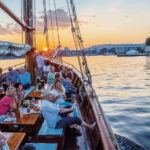
I also like how the route feels like a mini expedition. You start with a short fjord crossing, then hop between museums on the Bygdøy peninsula, mixing everyday Norwegian life with daring polar and Pacific exploration.
The details matter here: you travel with a live guide (Spanish, English, Norwegian), and it’s a private group with pickup in central Oslo. Just be sure you’re fine walking and that you travel light, because luggage or large bags aren’t allowed.
In This Review
- Key Points Worth Knowing Before You Go
- The 4-Hour Flow: Why This Tour Works in Oslo
- Getting to the Museums: Fjord Ride vs Winter Bus
- Norwegian Museum of Cultural History: Houses from the Past to Now
- Fram Museum: The Ship That Reached the Ends of the Earth
- Chilling at the Chill Room: Replica Northern Lights and Real Cold
- Gjoa and the Northwest Passage Story
- Kon-Tiki Museum: Thor Heyerdahl and the Balsa Raft to Polynesia
- Transfers Back to Oslo: Ferry in Summer, Bus in Winter
- Price and Value: Is $414 a Good Deal?
- Who This Tour Fits Best
- Practical Tips Before You Book
- Should You Book the Norwegian Explorers and Culture 3 Museum Tour?
- FAQ
- How long is the Oslo Norwegian Explorers and Culture 3 Museum Tour?
- Is pickup included?
- What transport is used on the tour?
- Which museums are included?
- What happens in the chill room?
- Are food and beverages included?
- What languages does the live guide speak?
- Are large bags or luggage allowed?
- Can I cancel for a full refund?
- Is this tour suitable for pregnant women?
Key Points Worth Knowing Before You Go
- A short fjord ride sets the explorer tone fast (boat in summer, bus in winter)
- Folkemuseum shows Norwegian homes from early centuries to today
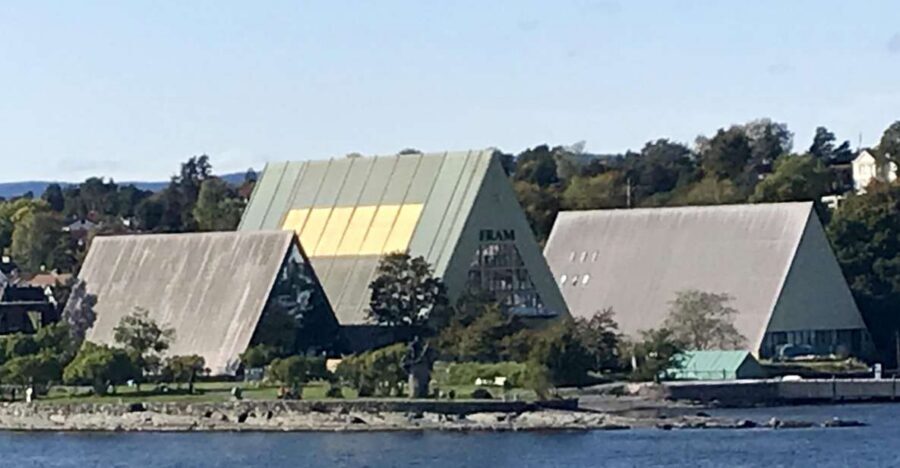
- Fram Museum includes a northern-lights replica plus real sub-zero cold in a chill room
- You’ll get the Northwest Passage angle through the Gjoa story
- Kon-Tiki brings Thor Heyerdahl’s Polynesia journey to life with the balsa raft
- A live, multilingual guide (Spanish, English, Norwegian) keeps the stops from feeling like a checklist
The 4-Hour Flow: Why This Tour Works in Oslo
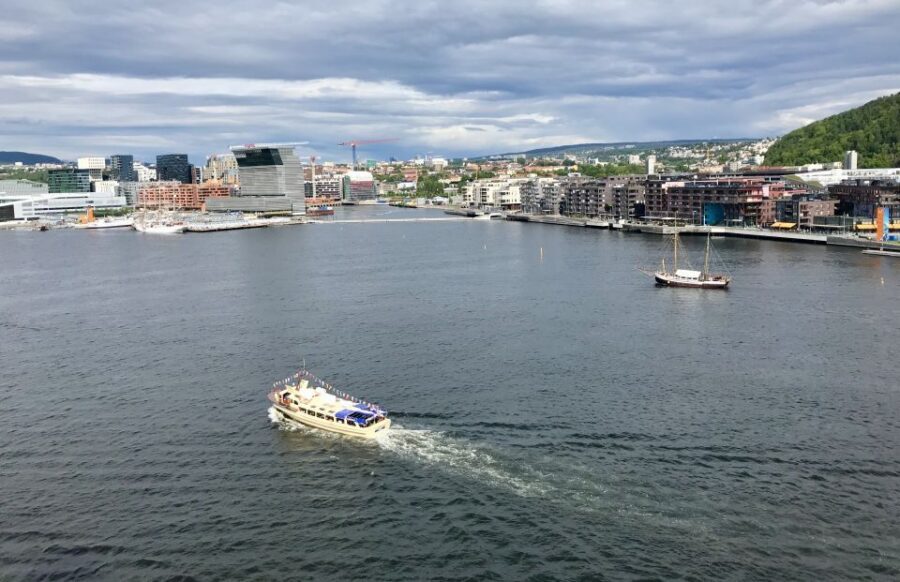
This is one of those Oslo tours that makes sense when you have limited time. You’re out for about 4 hours, but you still cover three major museum experiences that usually take longer if you do them alone. The structure is tight: travel in short jumps, then spend real time inside the key exhibits.
The big win is variety. You get Norwegian everyday life, then polar survival skills, then Pacific exploration—and you do it without a ton of backtracking. It’s a great way to see why Oslo’s museum area matters.
And yes, the pace is “efficient,” not leisurely. If you’re the type who likes to linger for long stretches, you may feel a little rushed. But if you want value and clear highlights, this tour is built for that.
You can also read our reviews of more museum experiences in Oslo
Getting to the Museums: Fjord Ride vs Winter Bus
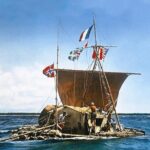
You start in central Oslo with pickup (hotel drop-off if your hotel is in the city center, or pickup around City Hall). Then you head out to the Bygdøy area with a short transfer—a ferry ride in summer or a bus ride in winter.
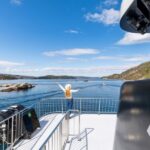
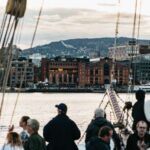
That small difference changes the feel of the tour. In warmer months, the short fjord crossing gives you quick, real views of Oslo’s water and shoreline. In winter, you lose that scenic interlude, but you still get the same practical hop to the museum area without wasting time.
Either way, the transfer is short on purpose. It keeps the schedule from eating your museum time, which matters when you only have a half-day.
Norwegian Museum of Cultural History: Houses from the Past to Now
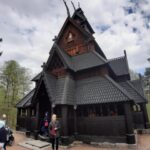
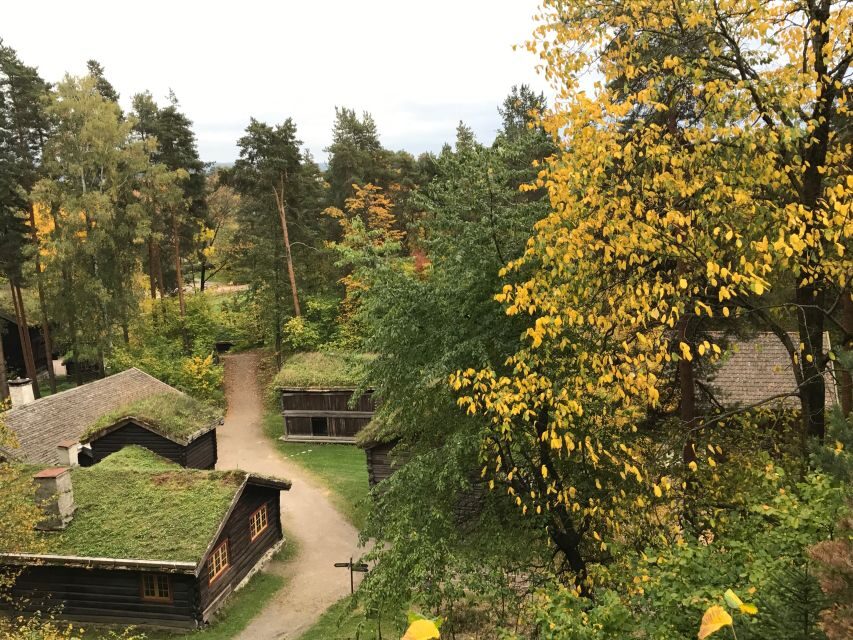
Your first museum stop is the Norwegian Museum of Cultural History (Folkemuseum). I like this stop because it grounds the whole day. Before you jump into Arctic expeditions and giant rafts, you see how people actually lived—housing, daily life, and how traditions changed.
Expect an open-air museum experience. You’ll walk a peninsula and spend about an hour seeing how Norwegians lived from early centuries all the way to more recent times. The point isn’t just to look at buildings like “old stuff”—it’s to understand that living conditions, materials, and home layouts evolved with the country.
A practical note: open-air museums mean you’ll feel the weather. Wear comfortable shoes, and dress in layers if you’re going in shoulder season. If it’s cold or windy, you’ll be glad you planned for it.
Fram Museum: The Ship That Reached the Ends of the Earth
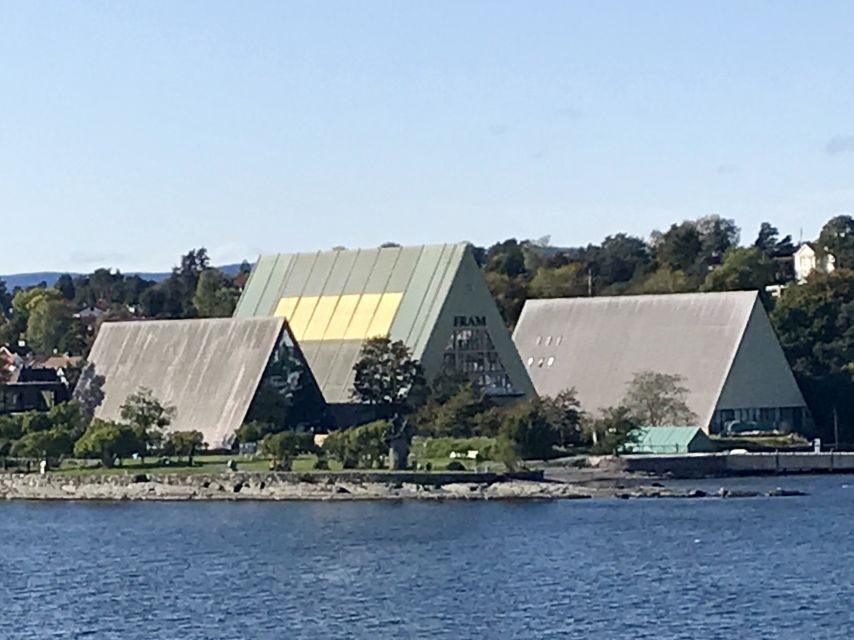
Then you shift from everyday life to polar exploration at the Fram Museum. This is where the tour leans hardest into “Norwegian explorers” energy.
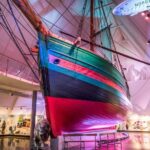
The highlight here is the ship that made these trips possible. You’ll come aboard the vessel that reached the farthest north and south points of our planet. For me, that’s the kind of fact that turns a museum visit into a story you can visualize. It’s not just polar history—it’s technology, survival choices, and how humans adapted to a brutal environment.
You’ll also see the cabins and learn how explorers lived. That interior perspective matters because it makes the polar world feel human-sized, not just like a distant, icy map.
If you like exhibits that explain systems—how people worked, stored things, lived with constraints—this part will click fast. If you only want big exterior artifacts, plan on spending time inside to get full value.
Chilling at the Chill Room: Replica Northern Lights and Real Cold
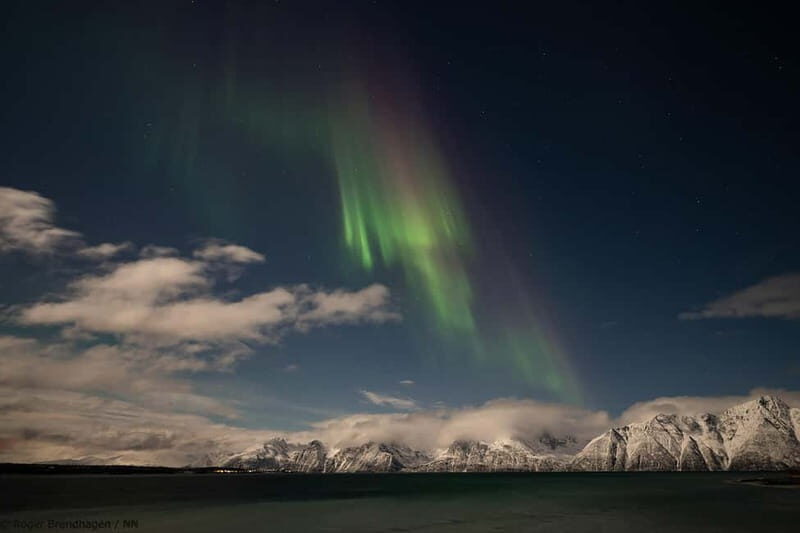
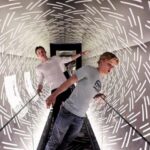
One of the most distinctive parts of this tour is the chill room experience. You get a replica of the northern lights, and you’ll feel sub-zero temperatures inside.
This isn’t just a gimmick. It’s a strong sensory reminder of why polar exploration was so hard. Seeing the aurora-like visuals while your skin feels actual cold makes the learning stick.
Bring a little patience with you. People sometimes expect a quick “look at the lights” moment and then move on. Instead, it’s more like a controlled cold environment to help you understand what sub-zero conditions mean.
If you’re sensitive to cold, don’t ignore that. You can still enjoy it, but be honest with yourself about how long you’ll want to stand in extreme temperatures.



Gjoa and the Northwest Passage Story
Still at the polar theme, you’ll visit the Gjoa story and learn about the Northwest Passage. The tour frames this as part of how exploration unfolded—through planning, timing, and navigation in tough conditions.
I like this segment because it expands the story beyond the headline ship. The tour gives you context for the route itself, not just the idea that explorers wanted to go somewhere far away. It helps you understand that polar history is also about geography and problem-solving.
This is one of those “small but meaningful” additions. You’re getting the big polar anchor from Fram, then you leave with a wider sense of how explorers pursued connected routes.
Kon-Tiki Museum: Thor Heyerdahl and the Balsa Raft to Polynesia
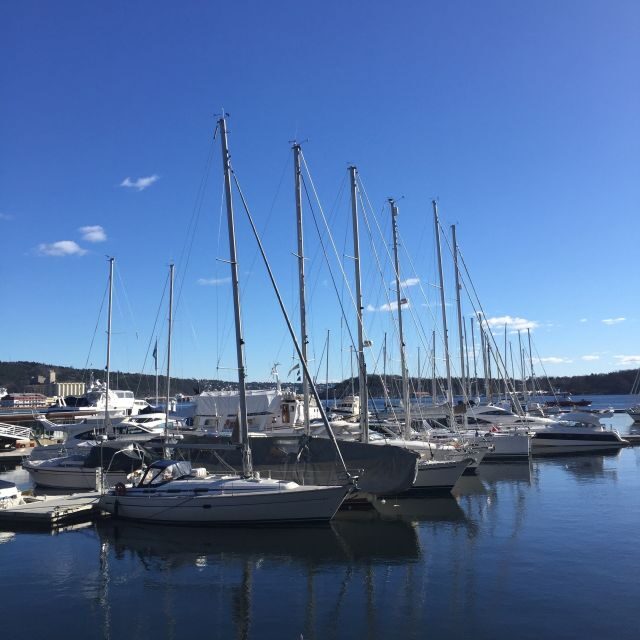
Next comes the Kon-Tiki Museum, tied to one of the best-known names in Polynesian exploration: Thor Heyerdahl. This part of the tour uses a hands-on, story-forward format.
You’ll see the open embarkation built of balsa wood that took Heyerdahl to Polynesia in a 101-day adventure. The number matters. It turns the myth-like idea of “they sailed there” into something you can picture as days of uncertainty, weather, and endurance.
What I like most is how this museum doesn’t keep the story locked in the past. It treats the journey as a real test—of materials, decisions, and human grit—rather than just a dramatic tale.
If you’re doing this tour on a day where you want something more visual and emotional after the Arctic cold, Kon-Tiki provides that shift in energy. It’s the “human imagination meets real ocean” chapter.
Transfers Back to Oslo: Ferry in Summer, Bus in Winter
After the last museum time, you return to Oslo with another short transfer. In summer, it’s back by ferry; in winter, it’s by bus. That keeps the tour duration on track and helps you avoid getting stuck on timing.
This is also the moment where you’ll feel the “four-hour reality.” You’ll have seen a lot, but you won’t have time to do extra browsing on top of the guided route. If you want deeper museum wandering, this tour is best as your starter.
Once you’re back in the city center, you can choose a meal based on your own tastes. Since food and beverages aren’t included, planning where to eat beforehand makes the schedule feel smooth.
Price and Value: Is $414 a Good Deal?
At $414 per person for about 4 hours, the price feels high at first glance. But here’s why it can still be good value.
You’re paying for a package, not just museum entry. The tour includes pickup in central Oslo, short transfers (ferry, or bus in winter), entrance to all museums, and a live guide who can connect the exhibits into a clear story across three different sites. That combination is what usually costs more if you DIY it with timed tickets and separate museum planning.
It’s also “high concentration.” Three major museum experiences plus a memorable chill room moment in one half-day can be more cost-effective than buying three separate tickets and trying to stitch together your own schedule.
My rule of thumb: if you’re the kind of traveler who wants key highlights and straightforward navigation, this price can feel fair. If you’re more of a slow museum person or you prefer doing things at your own speed without guidance, you might compare it to self-guided tickets and decide if you’d rather spend less and linger more.
Who This Tour Fits Best
This tour is ideal if you want a structured introduction to Oslo’s museum world. You’ll enjoy it most if you like a mix of themes: everyday Norwegian life, polar exploration, and Pacific exploration, all in one route.
It’s also a good choice for people who want a guide to translate what you’re seeing. The museums are strong, but the context can make the difference between passive looking and real understanding.
It’s not the best match for everyone. The tour isn’t suitable for pregnant women, and you should be ready for walking on open-air grounds and inside museums. You also need comfortable shoes and you can’t bring luggage or large bags.
Practical Tips Before You Book
A few things will make your day smoother:
- Wear comfortable shoes, since you’ll be walking the peninsula area and moving between museum buildings.
- Dress for cold weather if you’re going in winter or shoulder season, especially because the chill room uses sub-zero temperatures.
- Plan your food. Since food and beverages aren’t included, think about a meal timing buffer before and after the tour.
- Travel light. Large bags aren’t allowed, so pack like you’re going for a museum circuit, not a full trip.
Also, the guide speaks Spanish, English, and Norwegian. If you’re choosing between languages, pick the one that lets you ask questions comfortably.
Should You Book the Norwegian Explorers and Culture 3 Museum Tour?
If you want an efficient, high-impact Oslo experience, I’d book this. The pairing of Folkemuseum’s open-air living-history angle with the Fram Museum’s polar ship and chill room makes the day feel like more than a checklist. Add the Kon-Tiki Museum story of Thor Heyerdahl’s 101-day voyage, and you get a well-rounded exploration theme across the globe.
I would skip it if you hate short schedules, want a lot of quiet wandering, or you’re traveling with restrictions that make the walking and sub-zero chill room difficult. Also, if you need meals built into your day, you’ll need a plan since food isn’t included.
For most people doing a first (or quick) Oslo visit, this is a solid way to see the best of Bygdøy without losing half your day to logistics. And based on the overall guide praise tied to this tour, the human element seems to be a big part of the value.
FAQ
How long is the Oslo Norwegian Explorers and Culture 3 Museum Tour?
The tour lasts 4 hours.
Is pickup included?
Yes. Pickup is included from your central Oslo hotel (if your hotel is located in the city center) and it can also be arranged from City Hall.
What transport is used on the tour?
You’ll use a ferry, or a bus in winter. The tour includes ferry time (and bus in winter) as part of the schedule.
Which museums are included?
The tour includes the Norwegian Museum of Cultural History (Folkemuseum), the Fram Museum, and the Kon-Tiki Museum.
What happens in the chill room?
You experience a replica of the northern lights and feel sub-zero temperatures inside the chill room.
Are food and beverages included?
No. Food and beverages are not included.
What languages does the live guide speak?
The guide speaks Spanish, English, and Norwegian.
Are large bags or luggage allowed?
No. Luggage or large bags are not allowed.
Can I cancel for a full refund?
Yes. You can cancel up to 24 hours in advance for a full refund.
Is this tour suitable for pregnant women?
No. It is not suitable for pregnant women.