REVIEW · OSLO
7-Day Scenic Scandinavian Tour from Oslo exploring Denmark, Sweden and fjords in Norway
Book on Viator →Operated by goEUgo International Limited · Bookable on Viator
Scandinavia by coach feels surprisingly efficient. This trip strings together Denmark, Sweden, and Norway with real scenery payoffs like a Sognefjord cruise and the Flåm railway, plus city sights in Copenhagen, Stockholm, and Oslo. You’ll spend seven days moving steadily, with guided stops that turn big names (and big landmarks) into something you can actually make sense of without planning your own route.
I really like the mix of stops: markets, palaces, and museums for context, paired with Briksdal Glacier and Sognefjord for the wow factor. I also appreciate the small-group setup (up to 15 travelers) and the fact that you travel with a professional driver and an experienced tour manager to keep the days running on time, with practical breaks along the way.
One possible drawback is that this is a packed, long-distance itinerary. Some hotels are outside the main city centers, and a few reviews point out issues like rooms that can run hot and the occasional lack of an elevator—so pack with efficient mobility in mind and consider asking for a lower floor if you need it.
In This Review
- Key things I’d plan around
- A 7-day swing through Scandinavia: what it’s really like
- Oslo to Gothenburg: Poseidon at Götaplatsen and Feskekôrka fish church
- Copenhagen highlights: Little Mermaid, Amalienborg guards, and Andersen’s world
- Stockholm’s City Hall and Vasa Museum: Nobel glamour meets maritime history
- Mjøsa and Lillehammer: Olympic Park and the calm of big water
- Briksdal Glacier and Jostedalsbreen National Park: seeing ice without the hike
- Sognefjord cruise and Flåm Railway: the day that makes the tour feel worth it
- Oslo on the last morning: City Hall and Vigeland’s Human Condition
- Price and logistics: is it value, or just a busy route?
- Hotel reality check: where you sleep affects your mood
- Small-group pacing and the guides who keep it smooth
- Who this tour suits best
- Should you book it
- FAQ
- Where do I meet the tour, and what time does it start?
- What’s included in the tour price?
- Are attraction and museum tickets included?
- Do I need to pay tips?
- Is there hotel accommodation on the last day?
- What’s the luggage limit?
- How late can I cancel for a full refund?
Key things I’d plan around
- Three-country route with guided city blocks, so you’re not guessing what matters most.
- Sognefjord cruise as a centerpiece, giving you a slow look at the fjord that bus travel can’t do.
- Flåmsbana railway for dramatic valleys, waterfalls, and fjord views on a fixed track you don’t have to navigate.
- Briksdalbreen and Jostedalsbreen National Park for glacier scenery with cable-car access.
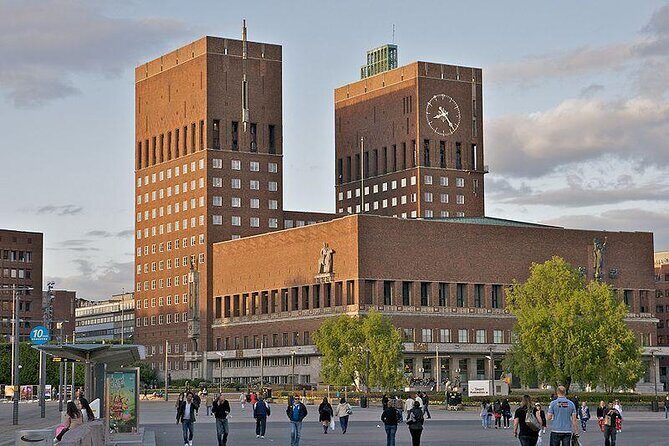
- City Hall stops in both Stockholm and Oslo, tied to the Nobel banquet and Nobel Peace Prize context.
- Museum admissions usually aren’t included, so budget time and money for ticketed entry.
A 7-day swing through Scandinavia: what it’s really like
This tour is built for travelers who want a lot of Scandinavia without the headache of transfers, tickets, and route planning. You’ll ride a modern, air-conditioned coach with stops designed to cover highlights efficiently. The vibe is classic coach travel, but with enough “stop-and-stare” moments—fish markets, palaces, grand halls, glaciers, and fjords—that it doesn’t feel like you’re just racing between countries.
The biggest value is that you get guided structure. Denmark’s fairy-tale side shows up in Copenhagen. Sweden’s royal-era and Nobel-linked architecture shows up in Stockholm. Norway’s natural icons show up in the glacier day and the fjord-and-train day. If you like seeing how the region’s identity changes by place—without turning your vacation into logistics—you’ll probably like this format.
You can also read our reviews of more tours and experiences in Oslo.
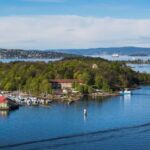
Oslo to Gothenburg: Poseidon at Götaplatsen and Feskekôrka fish church
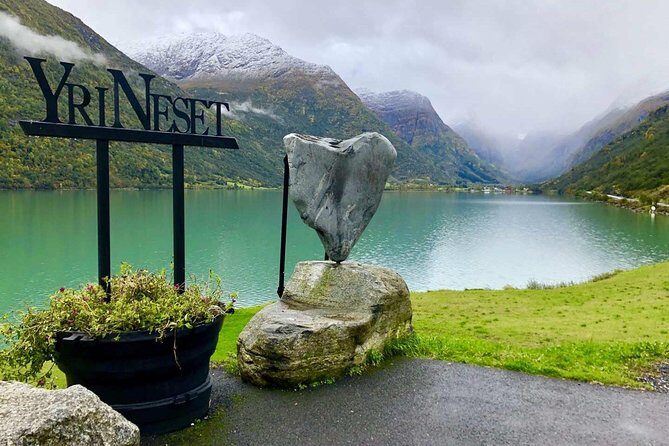
Your day starts in Oslo, then you head south by coach toward Gothenburg. The first real “get oriented” stop is Götaplatsen, where you’ll see sculptor Carl Milles’ large Poseidon statue. It’s one of those landmarks people remember not just for the size, but for the original buzz around its proportions when it debuted in 1931. It’s a fun, human reminder that public art has always sparked opinions.
Then you get to a place that’s much more useful than it sounds: Feskekôrka, the indoor fish market hall. It’s called the fish church, and walking through it gives you a fast read on local food culture. The market sells seafood caught that day, so even if you don’t buy anything, you’ll get a sense of what “fresh” looks like in real life—not a marketing word.
You’ll also finish the Gothenburg sightseeing block at Gothenburg Cathedral (Domkyrkan Göteborg). This is a good way to round off the city portion before the route continues onward toward Copenhagen for the evening.
Practical note: the itinerary lists attractions as having admission tickets not included, so don’t assume museum-style entry is covered. For markets and outdoor landmarks, costs may be minimal, but interiors can add up.
Copenhagen highlights: Little Mermaid, Amalienborg guards, and Andersen’s world
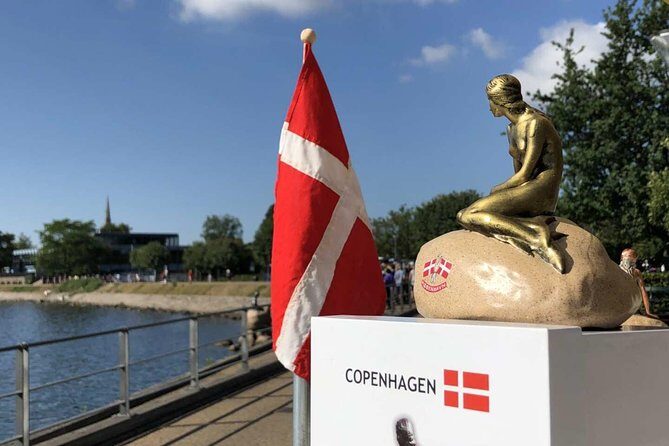
Copenhagen starts with the famous Little Mermaid statue. It’s touristy for a reason, but the payoff here is timing and context: with a guided block, you’re not just snapping photos—you’re learning how the Danish identity connects to Hans Christian Andersen’s story. You’ll also hear that the statue made a well-known appearance at the Shanghai World Expo, which adds a global thread to a very local legend.
Next comes Amalienborg Palace Museum. The architecture—four connected palaces around a central square—is the kind of detail you’d miss if you only walked through on your own. If you’re lucky, you’ll catch the ceremonial changing of the guards, which happens every afternoon. Even if you don’t, Amalienborg still works as a quick, high-impact “royal power” stop.
After lunch, you’ll head toward Stockholm. On this kind of multi-day route, Copenhagen works best if you keep your expectations realistic: this is highlight touring, not a deep dive into every neighborhood.
Stockholm’s City Hall and Vasa Museum: Nobel glamour meets maritime history
Stockholm is built on islands, and the coach route gives you quick glimpses of why the city is so visually distinct. The sightseeing focus here includes Stockholm City Hall (Stadshuset) and the famous interiors connected to the Nobel Banquet. The highlight is that the City Hall isn’t just a pretty exterior—it’s designed around spaces used for major ceremonial moments. If you’ve ever wondered where Nobel dinner magic happens, this is the stop that explains it.
Then you move into history with the Vasa Museum. This is one of those museums where the building and the object both matter. You’ll also see key church and old-city references as part of the broader city touring block, including Storkyrkan Cathedral and a look at the old parliament building area.
One small consideration: the itinerary lists admissions as not included, so if you want the full museum experience, factor in ticket costs and time. City Hall and Vasa are popular; having a guided group helps keep the day efficient.
Mjøsa and Lillehammer: Olympic Park and the calm of big water
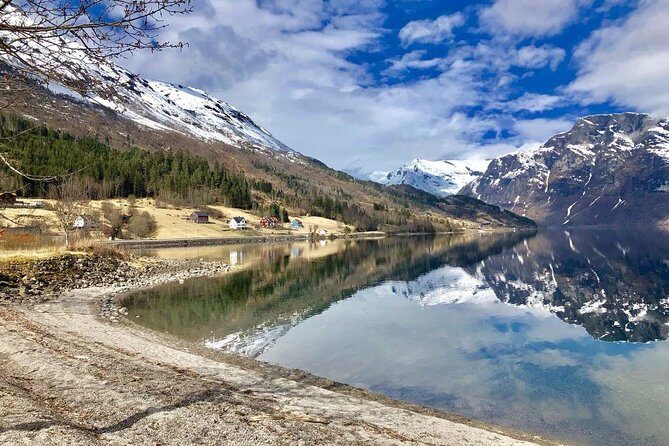
Day four slows down in a good way. The route heads to Norway with a stop along Mjøsa, Norway’s largest lake, and then on to Lillehammer. You’ll spend the evening near Lillehammer or in a nearby city, with the specific note that the tour won’t visit Lillehammer city center. That’s a real choice, and it changes how you experience the area: less time in the shopping streets, more time on the Olympic Park and the wider setting.
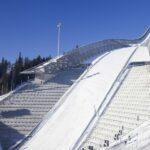
The Lillehammer Olympic Park connection matters because it gives you a “why here” for the region. Lillehammer isn’t just pretty in photos—it has a built identity from the 1994 Winter Olympics. If you like sports history or you want Norway scenery with fewer crowds, this stop can feel like a reset day.
As always on coach tours, bring a plan for your own downtime: short walks, a coffee stop near the hotel, and a simple dinner strategy. Lunch and dinner aren’t included, though the tour leader can help with reservation and directions.


Briksdal Glacier and Jostedalsbreen National Park: seeing ice without the hike
The glacier day is one of the main reasons people sign up. You’ll go to Briksdalbreen (Briksdal Glacier), described as Norway’s largest glacier on the European continent. The scale is part of the point: it’s set high above sea level yet reaches deep below, which makes the view feel both close and massive at the same time.
Next is the Jostedalsbreen National Park Centre, where you’ll take cable cars to get views of wildlife, clear streams, raging rivers, and waterfalls. Even if you’re not a hardcore nature hiker, the key advantage here is access. You get more of the dramatic terrain without spending the whole day on foot. The schedule includes about half an hour on the cable car ride, plus a short window for photos and a closer look at the glacier.
You’ll then travel south toward Gudvangen, setting up the next day’s fjord cruise. It’s a smart pairing: glacier to fjord keeps the natural theme consistent while showing different forms of Norwegian scenery.
Sognefjord cruise and Flåm Railway: the day that makes the tour feel worth it
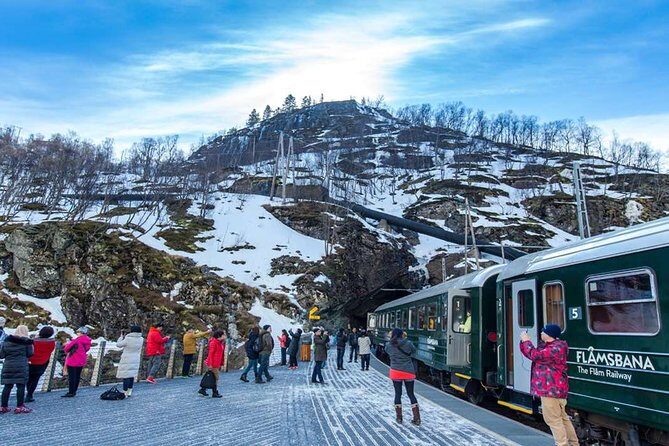
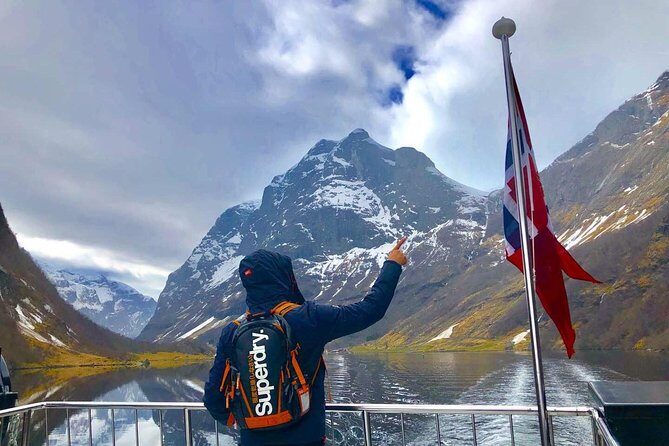
If you want one “this is why it’s a seven-day tour” day, it’s day six. In Gudvangen, you join the Sognefjord cruise. This fjord is the longest and deepest in the world, and the cruise is the part of the itinerary where you slow down and let the scenery come to you. On a bus, fjords pass by fast. On a boat, you get time to notice layers of water, rock, and light.
After the cruise time, you head to Flåm for the Flåmsbana railway. This is one of those rail journeys that feels like scenery is the main event and the train is the way to access it. The route includes valleys, fjords, waterfalls, and the kind of changing viewpoints you can’t recreate at home.
Two practical things matter here:
- You’ll want comfortable footwear, because you may be moving between dock areas and train platforms.
- You’ll want to keep your camera ready for stops and transitions, since the best views can happen quickly at the window.
Dinner is on you, but the day’s structure typically makes it easy to settle back at your hotel afterward.
Oslo on the last morning: City Hall and Vigeland’s Human Condition
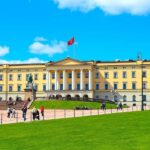
Your final day brings you back to Oslo for a compact but memorable city block. You’ll visit Oslo City Hall, which is tied to the Nobel Peace Prize ceremony held every year on December 10. This is one of those details that turns a landmark visit into something you can place in a real-world calendar.
Then it’s off to Frogner Park and the Vigeland Sculpture Park. You’ll see more than 212 statues in bronze and granite, arranged around the theme of the human condition—relationships between adults and children, men and women, and the life cycle. It’s not just “art in a park.” It’s a full-on mood shift from the fjord and glacier days into something human and a little raw.
There’s also a note that no accommodation is provided on the last day. That’s normal for tours that finish after a sightseeing morning, but it matters for your planning. You’ll be back near your original meeting point.
Price and logistics: is it value, or just a busy route?
At $1,162.05 per person for about seven days, you’re paying for transportation, a tour manager, and included lodging plus breakfast. Specifically, the trip includes accommodation in comfortable 3-star (min.) hotels with private facilities, plus daily coach transport, and breakfast on six mornings. That’s a real cost-saver compared to cobbling together separate bookings across multiple countries.
What you should budget for beyond the stated price:
- Mandatory tips are listed as €10 per person per day.
- Lunch and dinner are not included, though help with reservations and directions is provided.
- Admission tickets aren’t included for the major named stops listed in the plan.
- Some hotels in the review history are described as lacking AC, and you may need to rely on opening windows for cooling. A few properties also reportedly lacked elevators, which can make luggage handling harder.
There’s also a note about a Pink Line extra of €10 per person per night for accommodation, and it’s described as included in the price for that option. Since it’s tied to a specific line choice, check what your booking includes so you don’t get surprised by room-category costs.
Overall value depends on your travel style. If you want a guided multi-country sweep with big natural highlights, the price starts to look fair. If you prefer slow city wandering and you already have a transport plan, you might find cheaper routes. But the convenience here is the product.
Hotel reality check: where you sleep affects your mood
This tour uses 3-star hotels with private facilities, which is a solid baseline. The tradeoff is location. Several comments point out that hotels can be away from main city centers, which means you rely on the itinerary for your sightseeing and your evening plans. That’s not automatically bad. It can be quieter and sometimes cheaper. Just don’t expect walk-to-everything convenience.
Also pay attention to practical room factors:
- Some rooms may not have AC.
- If you’re sensitive to heat, you’ll want to plan for ventilation.
- If your hotel doesn’t have an elevator, stairs can be part of the deal with luggage.
If you book, consider a simple packing strategy: bring what you can carry comfortably and avoid overpacking your “maybe” outfits.
Small-group pacing and the guides who keep it smooth
With a maximum group size of 15, the tour has the feel of a smaller coach experience. That matters when you’re moving through cities like Copenhagen and Stockholm where timing can get tricky. The tour includes a professional coach driver and an experienced tour manager, and the reviews I’m drawing from highlight how much difference it makes when the driver is courteous and the guide is organized.
Guide names that show up in feedback include Eric, Gregory, Joe Lee, and Lex Tang. That’s a good sign: it suggests the program has staff who can explain the stops clearly, manage day flow, and help you make choices on the ground.
One logistics note that’s often overlooked: the tour combines English and Chinese speaking customers if needed, with one leader who speaks both and serves in your preferred language. That can be helpful if you’re flexible about group dynamics.
Who this tour suits best
This is a good fit if you:
- Want Denmark, Sweden, and Norway in one trip without stitching together your own transport.
- Like guided city highlights, but don’t want to miss the Norwegian nature icons.
- Prefer coach travel with structure over driving and route planning.
It might be less ideal if you:
- Hate long travel days or want lots of free time in each city.
- Have very strict mobility needs for stairs or tight hotel access.
- Don’t want to pay for museum admissions and want everything included.
Should you book it
I’d book this tour if your dream Scandinavia includes fjord scenery plus famous cities, and you want the route handled for you. The Sognefjord cruise and Flåm Railway are the main reason to consider this package seriously, because those aren’t the kinds of experiences you can easily replicate with DIY planning unless you already know the transport web.
If you’re on the fence, ask yourself this: do you want a guided, efficient seven-day sweep—or do you want a slower trip where you can linger in one country? This tour does efficiency well, and it delivers on the headline scenery.
FAQ
Where do I meet the tour, and what time does it start?
You meet at Oslo Central Station, Jernbanetorget 1, 0154 Oslo, Norway. The start time listed is 8:30 am.
What’s included in the tour price?
Accommodation in comfortable 3-star (min.) hotels with private facilities, daily air-conditioned coach transportation, an experienced tour manager, and breakfast for six days are included.
Are attraction and museum tickets included?
Admission tickets are not included, including for the stops listed throughout the itinerary.
Do I need to pay tips?
Yes. Mandatory tips are listed as €10 per person per day.
Is there hotel accommodation on the last day?
No. The tour note says hotel accommodation is not provided on the last day.
What’s the luggage limit?
You’re allowed one luggage on board with a maximum weight of 30 kg, plus one small hand carry on (for example purse, backpack, or camera bag).
How late can I cancel for a full refund?
You can cancel up to 3 days in advance of the experience for a full refund. If you cancel less than 3 full days before the start time, the amount paid is not refunded.