REVIEW · SVOLVAER
Svolvaer: Sea Kayaking Experience
Book on GetYourGuide →Operated by Lofoten Aktiv AS · Bookable on GetYourGuide
Lofoten looks different from sea level. This Svolvær sea kayaking trip is a 4-hour mix of paddling, wildlife watching, and on-the-water cultural and natural history along smaller islands, bays, and beaches. I love the chance to spot seabirds, including the white-tailed sea eagle, without feeling like you’re racing from one viewpoint to another. I also like the small group pace, capped at 8, which makes it easier to stay together and ask questions.
A big part of the experience is the guide’s storytelling and tight attention to safety. In particular, guides like Odd Krane bring local context and plenty of funny, human details, plus clear help getting comfortable with the double-seated sea kayak setup. One practical consideration: you’ll be out for about 4 hours (including transfers), and you need to pack food and drinks since they’re not included.
In This Review
- Key Things You’ll Notice Right Away
- Where You Paddle in Svolvær: Lofoten’s Coast Up Close
- The 4-Hour Rhythm: Pickup, Paddle Time, and the Lunch Break
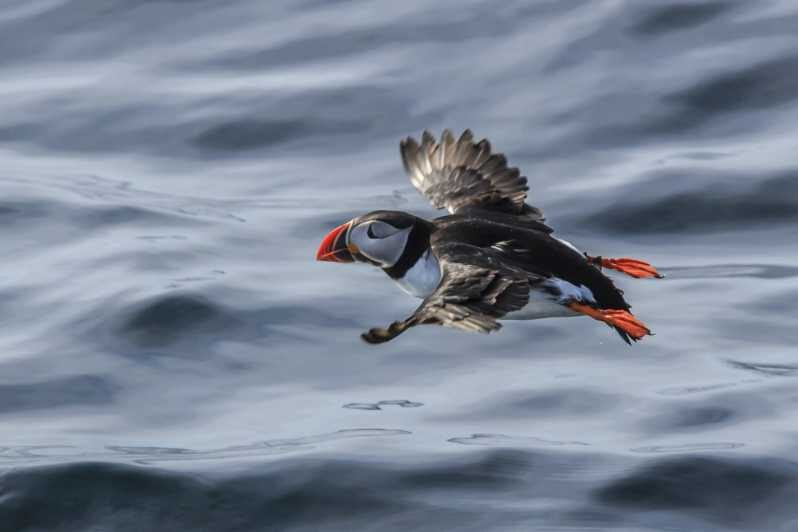
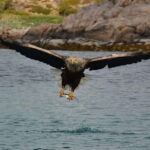
- Wildlife on the Water: Seabirds and the White-Tailed Sea Eagle
- Cultural and Natural History Stories That Feel On-Track
- Gear and Safety: Double Kayaks, Spraydecks, and Calm Coaching
- What to Bring for Svolvær: Food, Drinks, and Weather-Ready Layers
- Price and Value: What $163 Buys You in Real Terms
- Who This Trip Is Best For (and Who Might Want a Different Day)
- Should You Book This Svolvær Sea Kayaking Experience?
- FAQ
- How long is the sea kayaking trip?
- What’s included in the price?
- Do I need to bring food and drinks?
- How big is the group?
- What languages are the guides?
- Is there free cancellation?
Key Things You’ll Notice Right Away
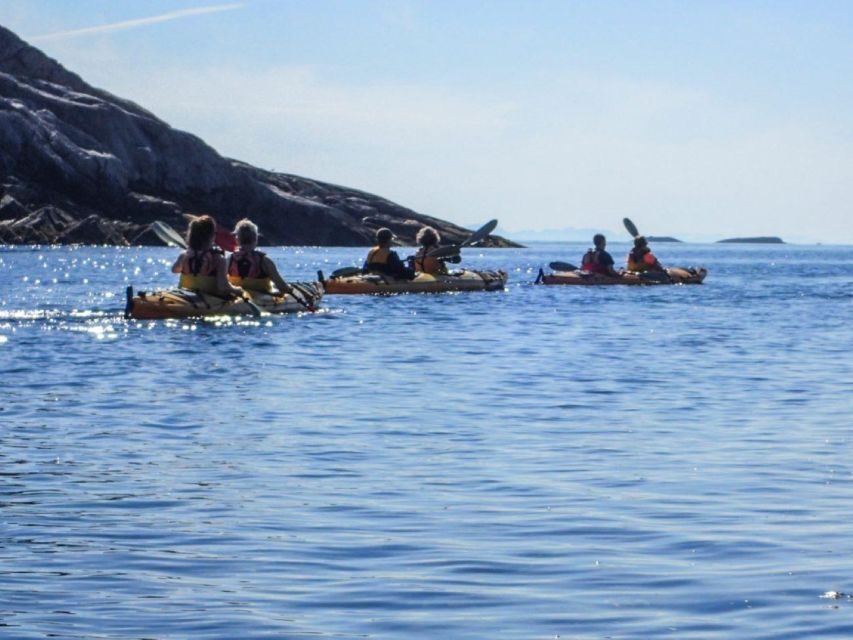
- Wildlife focus that feels real: seabirds are part of the plan, not an afterthought
- Local guide energy: cultural and natural history threaded into what you’re seeing
- Small group flow (max 8): easier coaching and a calmer, safer paddling rhythm
- Double-seated sea kayaks: friendly for first-timers who want stability and teamwork
- Conservation-minded approach: observation over disturbance
- Lunch break included as time built in: you just need to bring your own supplies
Where You Paddle in Svolvær: Lofoten’s Coast Up Close
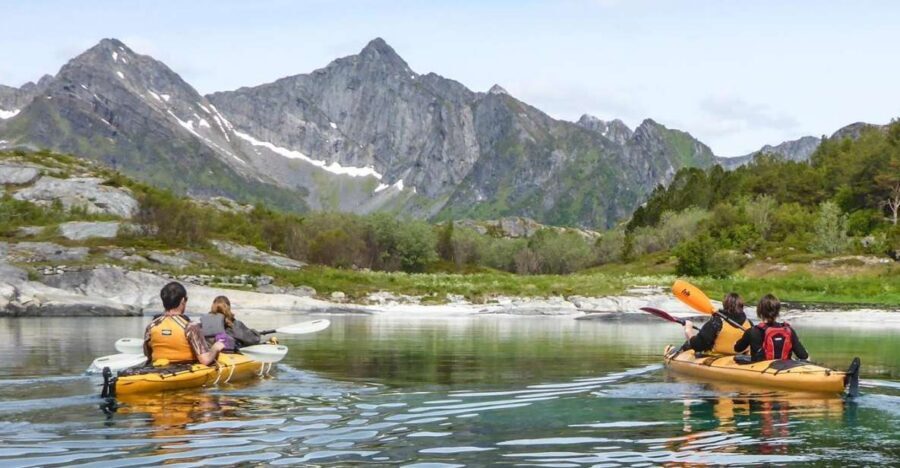
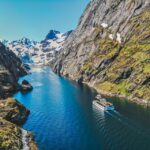
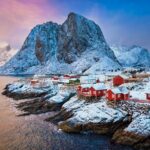
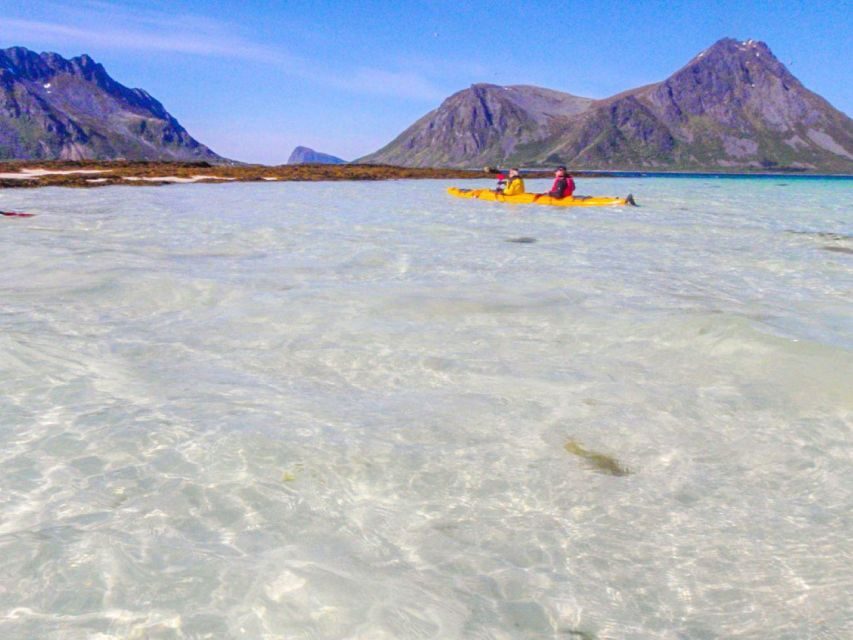
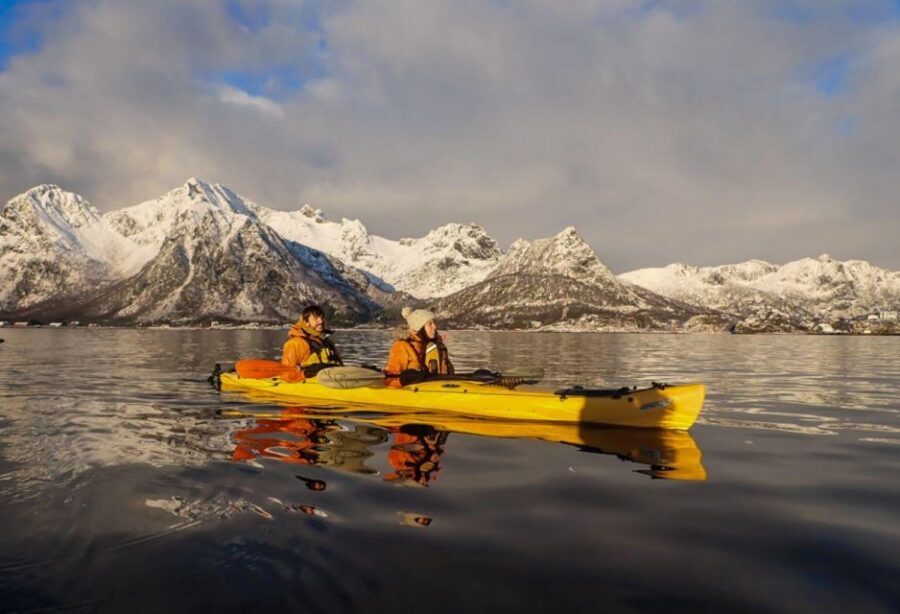
Lofoten is famous for its drama from land. From a kayak, the drama turns more personal. You’re lower, closer, and moving at the pace of wind and tide, which makes the coast feel less like a postcard and more like a living coastline.
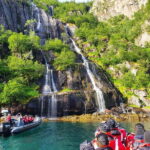
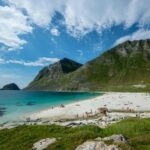
This trip runs in Nordland County around Svolvær, in an area where guides point out unique flora and fauna and explain how people have lived alongside the sea for generations. You’ll mostly be paddling through smaller islands, bays, and beaches, which is key for two reasons: you get variety in the scenery, and you get more sheltered stretches where the outing feels manageable.
The wildlife angle is practical, too. You’re not just waiting for luck. You’ll look for seabirds as you go, and the guide can help you notice behavior patterns—what birds are doing and what that likely means about the water below. If you’re hoping for the white-tailed sea eagle, this is one of the strongest ways to chase that dream while staying grounded in the real environment.
A few more Svolvaer tours and experiences worth a look
The 4-Hour Rhythm: Pickup, Paddle Time, and the Lunch Break
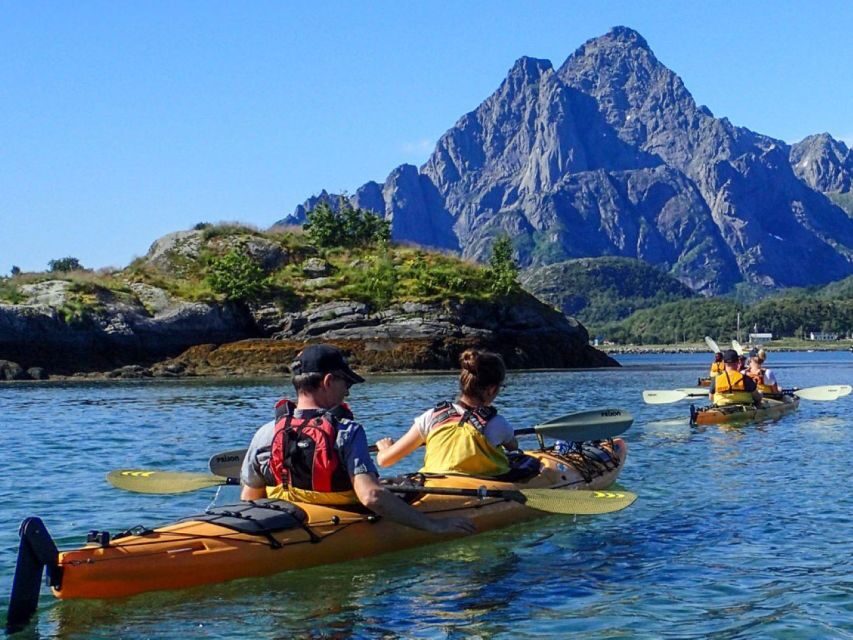
Expect about 4 hours total, including pickup and returning to Svolvær. That time window matters. It’s long enough to feel like a true outing—gear on, paddling, wildlife spotting, and a proper reset—but short enough that you won’t spend your whole day tied to the water.
Here’s how the flow typically feels, from the moment you meet up to the end:
1) Meeting point and quick orientation
You’ll get fitted with the provided equipment and learn how to use the kayak setup (especially the spraydeck and basic paddling coaching). Even if you’ve never kayaked in the ocean, a double-seated setup helps you learn with a partner, while the guide manages pacing and safety.
2) Time on the water: smaller islands and sheltered bays
This is where you’ll paddle among smaller islands, and where seabirds usually become part of your constant scanning. The guide will talk as you go—about the natural history you’re seeing and the cultural context tied to the coastline.
3) Wildlife and photo moments
When something is happening—birds hovering, diving, or landing—the group slows and looks. You’ll get brief windows to focus without turning it into a sprint. One small tip: keep your eyes up and not only on the water right in front of your bow. Eagles and other seabirds often show up when you’re watching the wider airspace.
4) Lunch break at a suitable spot
A lunch stop is built into the plan. Since food and drinks aren’t included, you should treat lunch like your own mini picnic: bring what you’ll actually want to eat after paddling. Keep it easy to handle with cold hands if the weather is brisk.
5) Return paddle and wrap-up
By the time you turn back, the muscles usually have a rhythm. The guide keeps an eye on the group so you finish feeling satisfied, not exhausted.
One drawback to keep in mind: the outing is weather-dependent. In cold, wet, or windy conditions, you may feel the spray and wind more than you expected. That doesn’t mean it’s miserable—just pack like the weather will get bossy.
Wildlife on the Water: Seabirds and the White-Tailed Sea Eagle
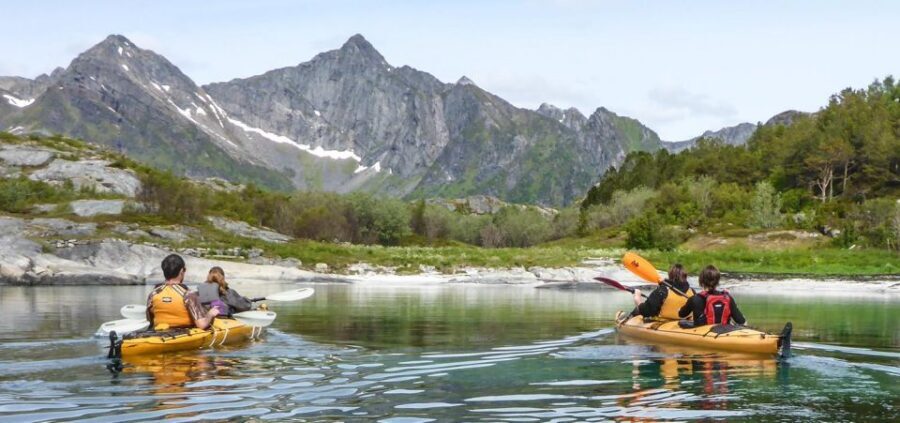
The wildlife component is one of the best reasons to book this trip. The guide’s job isn’t just to row you around; it’s to help you see what’s already there. You’ll watch for seabirds throughout the paddle, with the white-tailed sea eagle highlighted as a target.
What makes this more rewarding than random wildlife searching is the pacing. Because you’re moving through bays and around smaller islands, you’re often in the kind of spots seabirds use for foraging and resting. When you see a bird in the distance, you’re not stuck in a car trying to spot it through windscreen glass. You’re closer, and the guide can help you interpret what you’re seeing.
You might also hope for bigger marine presence. Seals and otters have been spotted in the area, but they tend to be elusive on the Lofoten islands. I like that honesty. It sets expectations in a way that makes the eagle spotting feel even better when it happens, rather than leaving you disappointed if mammal sightings don’t materialize on your day.
If you’re the type who enjoys quiet observation, you’ll do well here. If you need constant action, you can still have fun—paddling keeps you moving—but wildlife spotting is the heartbeat of the trip.
Cultural and Natural History Stories That Feel On-Track
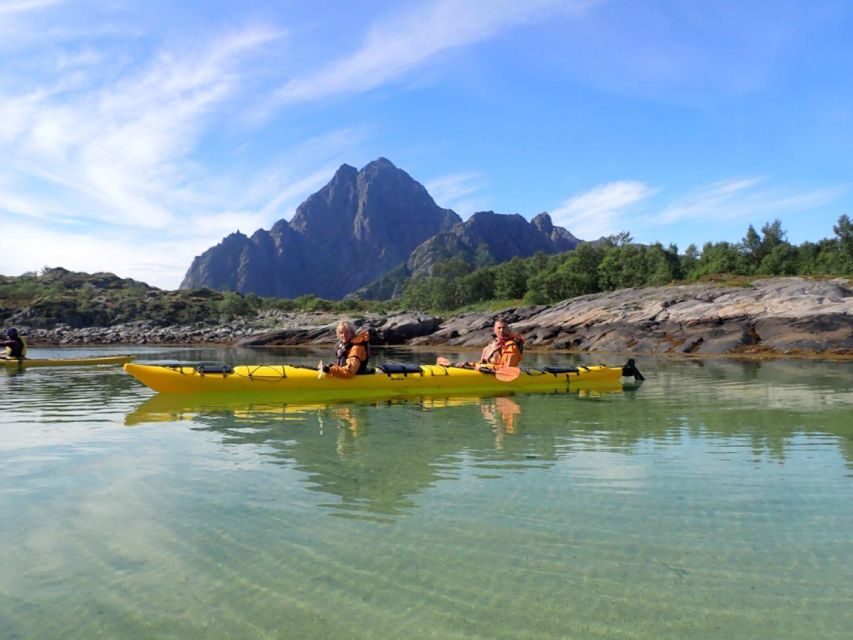
A good sea kayaking tour teaches you how the place works. This one tries to do exactly that. Guides share cultural and natural history connected to the coastline you’re paddling along, and they tie the stories to what you can see right now.
I especially like this approach because it turns wildlife spotting into understanding, not just watching. You learn why certain habitats matter, how the landscape supports seabirds, and how coastal life connects to the sea. It’s the difference between saying, there’s an eagle, and understanding why the eagle is there and what it’s doing.
Guides like Odd Krane also bring personality. People have talked about his humor and the way he connects equipment and technique to real situations you’ll face on the water. That matters for first-timers. When the guide explains things clearly and with patience, you stop second-guessing every move and start enjoying the ride.
Gear and Safety: Double Kayaks, Spraydecks, and Calm Coaching
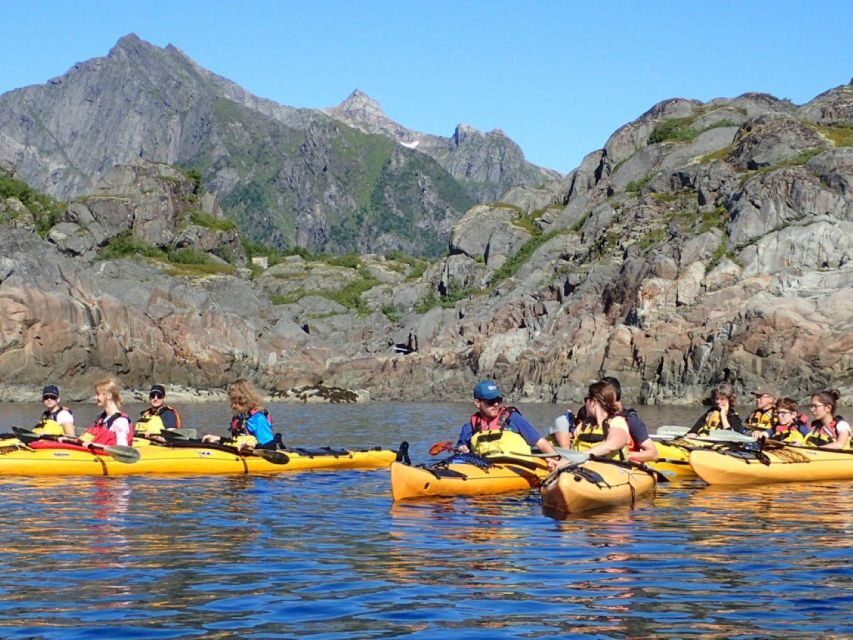
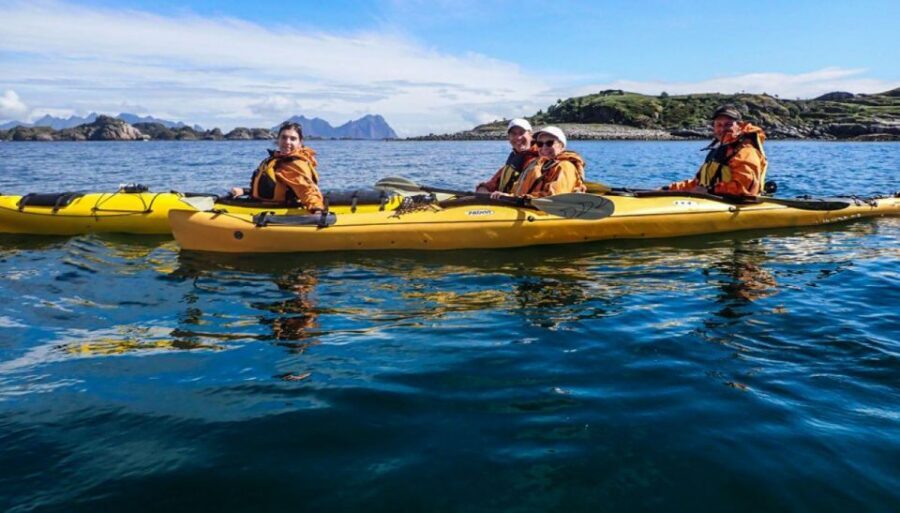
Safety is handled in a way that’s easy to appreciate while you’re still learning. The tour uses double-seated sea kayaks, which is a big plus for comfort and balance. You’re not squeezed into a tiny solo shell; you’re in a craft designed for shared control and easier stability during the coaching phase.
You’ll also be provided with:
- paddles
- spraydecks
- vests (and jackets)
- poogies (paddle mittens)
- a PFD (personal flotation device)
From the way guests describe the experience, the guide approach is consistent: clear explanations, good control of the group, and a safety-first mindset that still leaves room for fun. People have specifically praised how equipment setup is handled and how the guide helps you feel confident before you’re committed out on open water.
One more thing I think you’ll appreciate if you’re worried about cold water: even in winter conditions, guests reported staying warm with the provided layers. So while you shouldn’t assume it’s warm just because you’ll be wearing gear, it’s also not a throw-the-dice situation.
What to Bring for Svolvær: Food, Drinks, and Weather-Ready Layers
This tour is simple in terms of what you must pack—mainly because the operator provides the big kayaking equipment. But you still need to plan for a cold, wet, or windy day at sea level.
Bring:
- Food and drinks for the lunch break
- snacks you can eat quickly if you’re hungry mid-paddle
- beverages you’ll actually drink (warm drinks can be a game changer in colder months)
- clothes that match the day’s weather
Dress like the wind will find you. Sea kayaking often feels colder than you expect because you’re moving through air and you get spray. The provided jackets, vests, and paddle mittens help, but your base layers still matter.
A practical approach: wear layers you can adjust, then use the kayak gear as your outer wind-and-spray protection. If you tend to get cold hands or have trouble with mittens, plan to bring a backup plan for warmth—but keep it consistent with what the tour provides.
Price and Value: What $163 Buys You in Real Terms
At $163 per person for about 4 hours, the cost is tied to what’s included and what you’re getting: equipment, a local guide, and transfers. You’re not just paying for time on a river-like route. You’re paying for a guided ocean experience with safety gear and the support that makes it work.
Included in the price:
- transfer from and to the meeting point
- local guide
- sea kayak with paddle
- spraydeck and PFD
Not included:
- food and drinks
For value, I’d look at two things. First, small group size. With a maximum of 8 participants, you’re more likely to get help when you need it, and the guide can keep a close eye on everyone. Second, the equipment kit. You’re getting core gear you might otherwise have to rent or buy, plus the spray protection and flotation setup that makes a difference for comfort and safety.
If you’re traveling on a tight schedule, this length is also a value point. It’s long enough to feel like you learned something and saw wildlife, but short enough to stack with other Lofoten plans.
Who This Trip Is Best For (and Who Might Want a Different Day)
This is a smart fit for:
- first-time sea kayakers who want coaching in double-seated kayaks
- wildlife lovers who want seabirds and possible eagle sightings with a guide helping you look properly
- travelers who enjoy learning while moving, especially history that ties to the coastline
- small-group travelers who prefer personal attention over big-tour chaos
It might be less ideal if:
- you want a strict schedule with zero weather uncertainty (the outing is still dependent on conditions)
- you hate bringing your own lunch and planning snacks in advance
- you’re expecting constant mammal sightings; seals and otters are possible but not reliable
If you’re on the fence, think about what you want from Lofoten. If you want a day that feels active and connected to nature and local context, this checks a lot of boxes.
Should You Book This Svolvær Sea Kayaking Experience?
Yes, I’d book it if you want the best of Lofoten without spending your day on viewpoints alone. The combination of seabird spotting—especially the chance for the white-tailed sea eagle—plus a guide who shares cultural and natural history makes the time feel purposeful. The small group size and the safety focus also give it a calm confidence.
Before you decide, do these three quick checks:
- Plan your lunch and snacks early so you’re not scrambling when you’re on the water.
- Dress for wind and spray, not just temperature.
- Go in with realistic expectations about seals and otters, and you’ll enjoy whatever the day brings.
One more bonus: the operator is described as a certified eco-tourism provider in Norway, and that’s consistent with a conservation-minded way of experiencing wildlife.
FAQ
How long is the sea kayaking trip?
The duration is about 4 hours, including transfer from and back to the meeting point.
What’s included in the price?
It includes transfer from and to the meeting point, a local guide, a sea kayak with paddle, a spraydeck, and a PFD.
Do I need to bring food and drinks?
Yes. Food and drinks are not included, and there’s a lunch break during the trip, so you’ll want to bring what you need for the day.
How big is the group?
The group is limited to a small group size of up to 8 participants.
What languages are the guides?
The live tour guide offers Norwegian and English.
Is there free cancellation?
Yes. You can cancel up to 24 hours in advance for a full refund.