REVIEW · SVOLVAER
Svolvaer: 2-Hour Winter Kayaking Adventure
Book on GetYourGuide →Operated by XXLofoten · Bookable on GetYourGuide
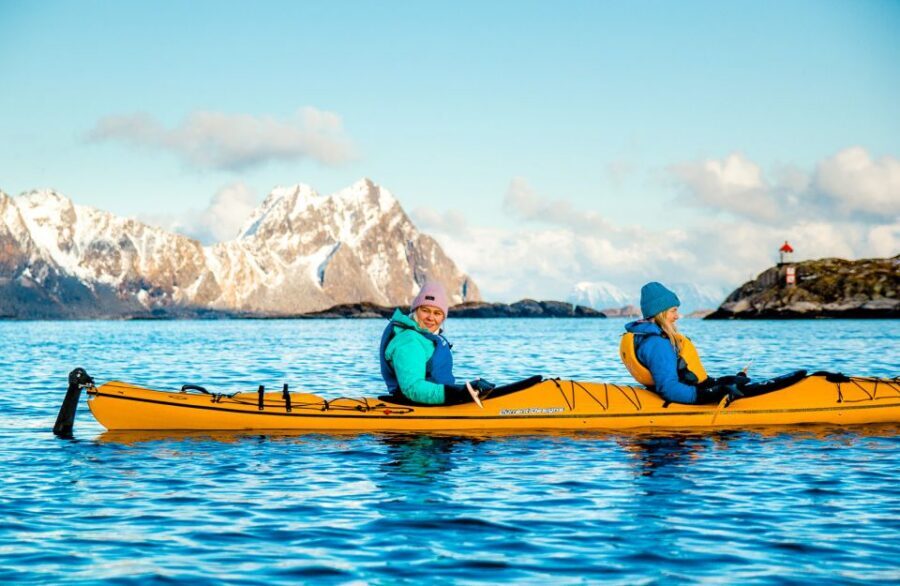
Kayak past Svolvær’s winter silence. This two-hour paddle pairs dry-suit comfort with views of the shoreline and real local storytelling. You meet in town, get kitted up, learn the basics fast, then head out into cold, clear water designed for first-timers and fit beginners.
I like the setup because it handles the scary part for you: you get stable double kayaks plus full winter gear, including a dry suit and life vest. I also like the human side. Guides such as Johnathan, Toby, Roger, and Reuben focus on keeping the group together, checking in often, and sharing what you’re seeing—history landmarks, local customs, and practical tips you can use right away.
One consideration: winter paddling is demanding. It’s not a sofa tour, and it’s only for adults with good health and an active lifestyle. If your heart or mobility is limited, skip it, because the cold and the effort add up fast.
In This Review
- Key highlights you’ll actually care about
- Svolvær Harbor: gear check and an intro that keeps things sane
- What I like about this start
- Two hours on calm winter water (and what calm really means)
- Stable double kayaks: easier for beginners
- The shoreline part: why paddling in winter beats a photo stop
- How the guide turns paddling into culture lessons
- A practical note on regrouping
- Price and value: what $135 buys you in winter gear and time
- What to bring: layers do the heavy lifting
- Who this tour suits best (and who should skip it)
- Weather reality: the trip runs when conditions allow
- FAQ
- FAQ
- How long is the Svolvær winter kayaking adventure?
- How much does it cost?
- Where do I meet the guide?
- What gear is included?
- Do I need prior kayaking experience?
- Who can join and who can’t?
- Should you book this winter kayak in Svolvær?
Key highlights you’ll actually care about
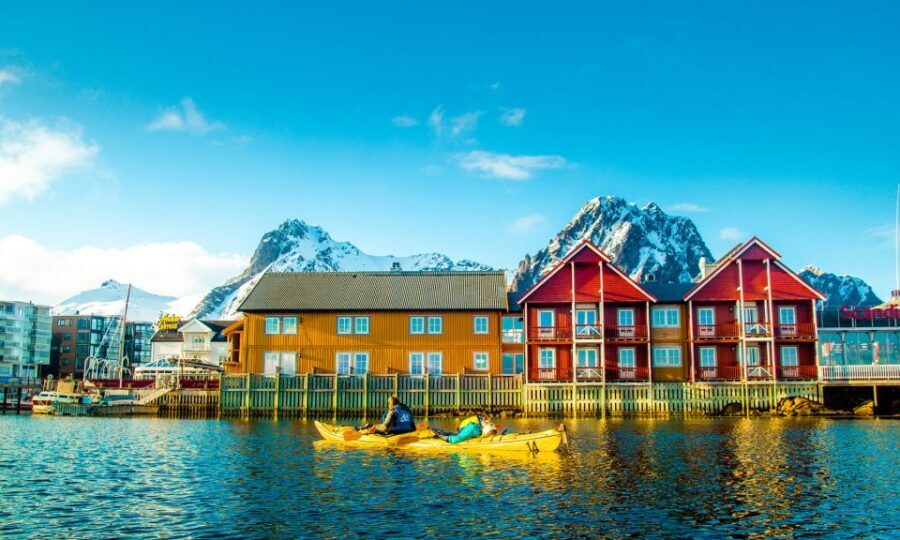
- Dry suit + splash cover: you’re outfitted for winter, not just dressed warmly.
- Small group up to 10: easier control, more attention, and regrouping when needed.
- Calm-water paddling practice first: you get confidence before the scenic portion.
- Local stories while you paddle: history and traditions are tied to what you pass.
- Stable double kayaks: a steadier start if you’re new to kayaking.
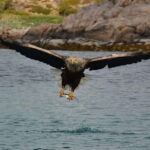
- You might spot wildlife: one guest reported white-tailed sea eagles on the water.
Svolvær Harbor: gear check and an intro that keeps things sane
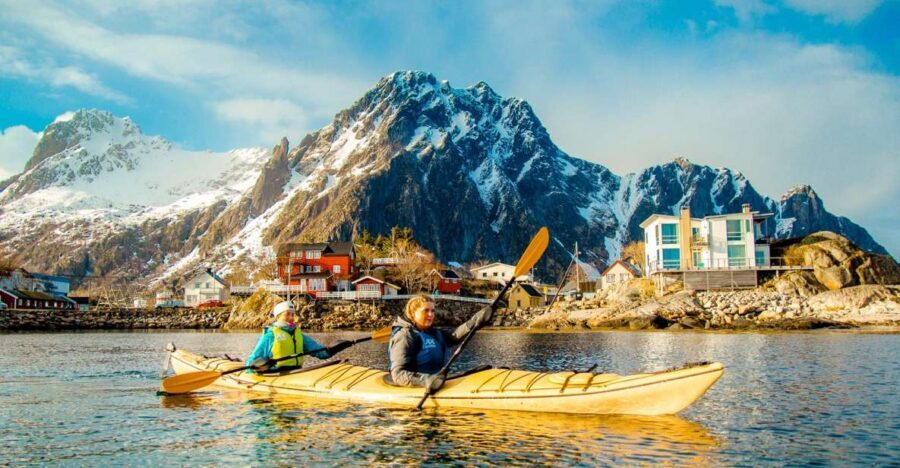
The whole experience starts at Svolvær harbor. Plan to arrive about 30 minutes early so you’re not rushing. That time matters here, because winter kayaking goes from comfortable-to-cold fast. The staff get you into the right equipment before you start moving.
You’ll be assigned winter kayaking gear that’s actually built for this season: a kayak plus a dry suit, splash cover, paddle, and life vest. The goal is simple. Your job is to wear the layers and stay warm enough to focus on technique. Their job is to handle the bulky winter gear so you don’t spend the trip fussing with drysuit zippers and ill-fitting hoods.
Before you head out, you’ll get a kayaking introduction. It’s not about passing a test. It’s about helping you get your bearings fast—how the kayak moves, how to hold your paddle, and how to stay balanced when water is cold and conditions can shift. One strong theme from past guides: they’re calm and patient, and they make sure you understand what to do before you commit to the open water part of the route.
A few more Svolvaer tours and experiences worth a look
What I like about this start
You don’t walk in and hope for the best. You walk in, get fitted, learn the basics, then paddle. That sequence reduces risk and increases enjoyment. And since it’s a small group (up to 10 people), the instructor can correct quickly and regroup without turning the outing into a queue.
Two hours on calm winter water (and what calm really means)
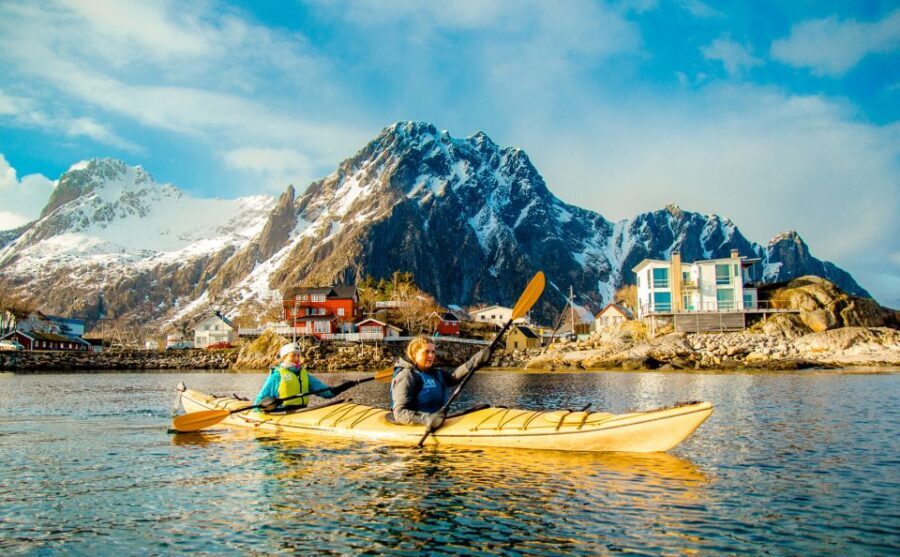
This tour is 2 hours total, and it’s structured for winter conditions. You begin on calmer waters after the intro. That’s when you’ll practice control and feel the rhythm of paddling without fighting chaos.
Winter is where “easy” becomes relative. Even when the water is calm, you’re still doing repetitive upper-body work in cold gear. That’s why the tour says you don’t need previous experience, but you should expect it to be physically demanding. Think: brisk effort, careful posture, and steady paddling rather than casual sightseeing from a warm deck.
Also, winter weather can change quickly. One past guest called out the fast swing in conditions during the short time window. That’s a normal part of Lofoten winter life. The difference is you’ll be on the water during that shift, so your instructor’s job becomes even more important—watching spacing, planning turns, and making sure everyone is okay before the group stretches out.
Stable double kayaks: easier for beginners
The trip uses stable, double kayaks. That matters if you’re new. A steadier platform helps you focus on movement and balance instead of panicking about tipping. It’s also friendlier for couples and companions who want a shared paddling experience without forcing everyone to master advanced solo technique.
The shoreline part: why paddling in winter beats a photo stop
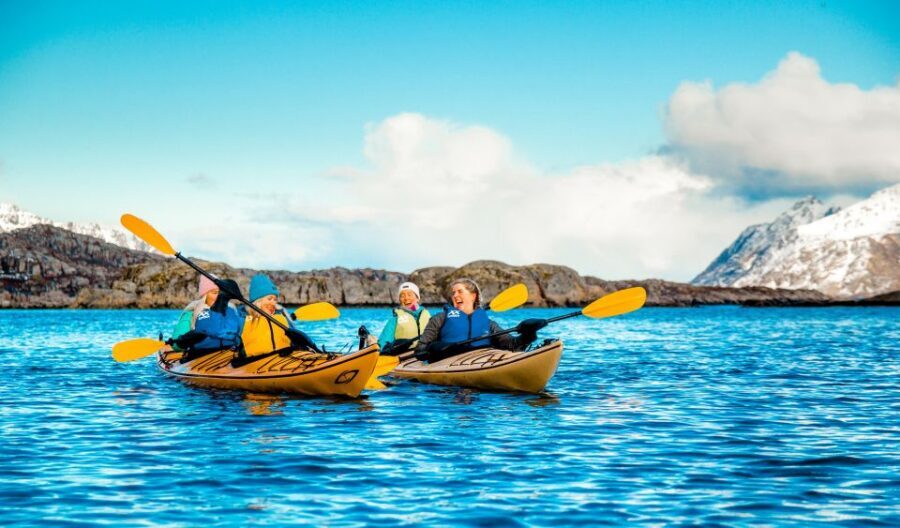
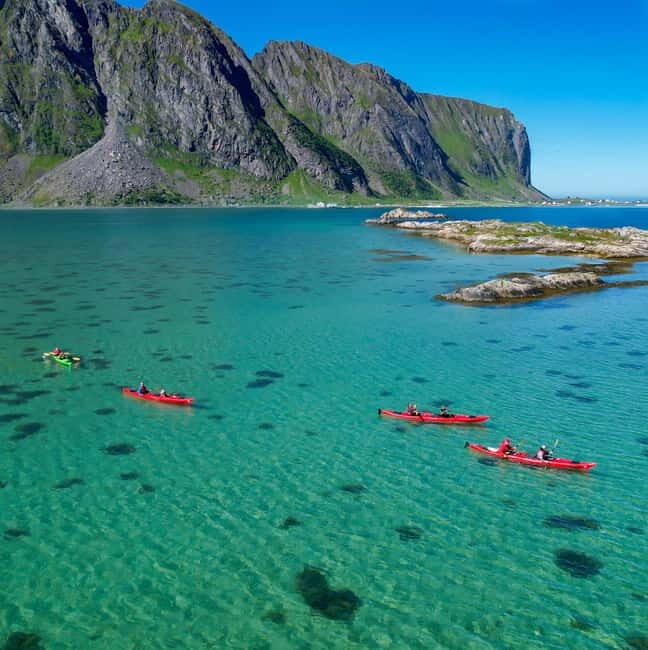
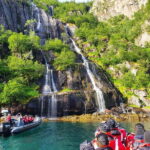
The main scenic payoff is the Svolvær shoreline in winter. When you paddle close to shore, you see details you’d miss on land: small inlets, tight water passages, the way buildings and lights reflect on cold water, and the scale of the coastline up close.
This is also where the “two hours” feel longer in a good way. You don’t just coast past scenery. You’re moving slowly enough to notice things, but actively enough to feel connected to the place. It’s a quiet kind of energy—wind, cold air, wet gloves, and that steady paddle cadence.
And because winter water is clear and crisp, you often get sharp views of the coastline. One key point from the experience description is crystal-clear water, which is exactly what makes the shoreline feel so crisp when you’re down at water level.
A few more Svolvaer tours and experiences worth a look
How the guide turns paddling into culture lessons
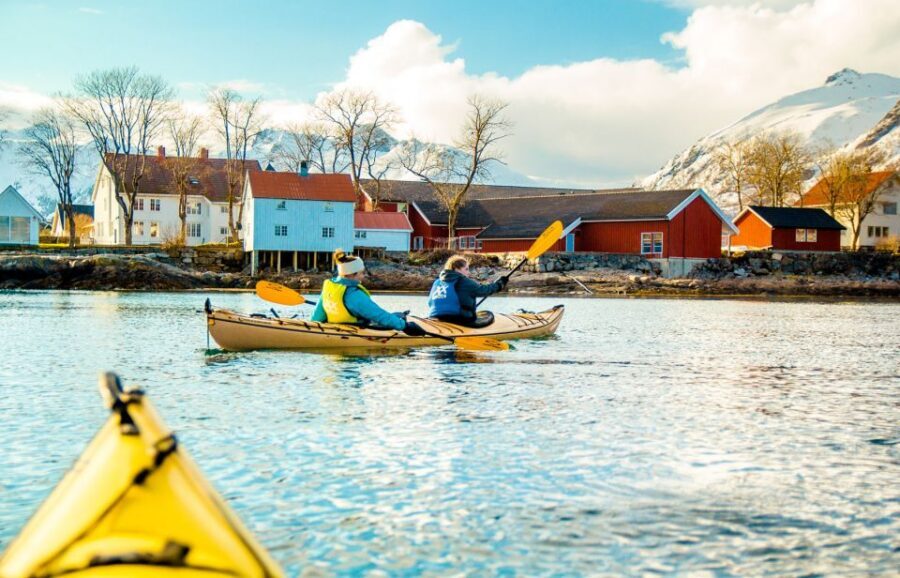
You’ll hear stories as you paddle—about Svolvær’s cultural history and local traditions tied to the landmarks you pass. This isn’t random trivia. It’s timed to your route, so you can look at a stretch of shoreline and then understand what you’re seeing.
Past guides named in reviews include Johnathan, Toby, Roger, and Reuben. Common thread: they keep things organized, regroup the group as needed, and make sure everyone is comfortable and informed. One review highlighted how the guide took time to ensure a beginner group knew what they were doing, and another mentioned history landmarks during the tour. In other words, the instruction isn’t just about paddling. It’s also about helping you read the coast.
That’s the value of this format. You get the physical experience of winter kayaking, but you also leave with context. You’re not just cold and impressed—you’re oriented.
A practical note on regrouping
You may notice the group stays tighter than you expect. That’s by design. With winter paddling, the instructor needs everyone together enough to monitor comfort and safety. Frequent regrouping helps the stories land too, since the guide can speak and the group can actually hear without rushing apart.
Price and value: what $135 buys you in winter gear and time
At $135 per person for a 2-hour outing, you’re paying for more than a guide. You’re paying for winter-ready equipment and the comfort piece that makes the experience possible.
Included items are significant: kayak, dry suit, splash cover, paddle, and life vest. Renting or buying dry-suit style gear usually isn’t cheap, and winter kayaking instructors typically spend more time outfitting you than in summer. Add the fact that the group is limited to 10, and that you get an experienced guide in cold-water conditions, and the price starts to make sense.
Where you get real value is the full package. You show up with warm clothing. You leave having done something you couldn’t easily DIY safely.
Food and drinks are not included, so plan ahead if you want a proper meal afterward. If you’re cold after paddling, you’ll be thankful you didn’t waste energy waiting around hungry.
What to bring: layers do the heavy lifting
The tour provides the winter paddling gear. What you bring is what determines comfort.
Bring warm clothing. Dressing in layers is the big rule, and wool is recommended. Your layers should trap warmth without making you stiff. You’ll be in a dry suit, but you’ll still feel cold through movement and airflow if your base layers aren’t warm enough.
Here’s the simple checklist I’d use:
- Warm base layers (wool is a plus)
- Extra layers for warmth
- Everything you’d wear for a winter day outside—because the water adds chill
If you’re thinking about gloves and hats, focus on warmth and mobility. You need to paddle, not just survive.
Who this tour suits best (and who should skip it)
This winter kayaking trip is for adult participants only. It’s recommended for people with good health and an active lifestyle. Previous experience isn’t necessary, but winter paddling can be demanding, so your fitness matters more than your technique.
It’s not recommended for people with heart problems or reduced mobility. And it has clear limits: children under 11 are not suitable, and there’s a weight cap of 260 lbs (118 kg).
If you’re a healthy adult who likes being outside in cold weather, this kind of guided winter paddle is a memorable way to see Lofoten. If you’re on the fence because of health or mobility, I’d treat that caution seriously. Winter water is unforgiving, and your safety depends on your ability to handle effort and cold.
Weather reality: the trip runs when conditions allow
This kayaking experience is weather dependent. That means you might get canceled if conditions aren’t right, and you’ll be contacted in that situation.
It’s a normal part of winter travel here. The good news is it’s also why the guides can keep the tour enjoyable. They won’t force it in unsafe conditions. If you’re traveling during a tight schedule, build in a bit of flexibility so a weather change doesn’t wreck your plan.
FAQ
FAQ
How long is the Svolvær winter kayaking adventure?
It lasts 2 hours.
How much does it cost?
The price is $135 per person.
Where do I meet the guide?
You meet at Svolvær harbor. Arrive 30 minutes early.
What gear is included?
You get the kayak, dry suit, splash cover, paddle, and life vest, plus an experienced guide.
Do I need prior kayaking experience?
No prior experience is necessary, but winter paddling can be demanding.
Who can join and who can’t?
It’s for adult participants only and is recommended only for people with good health and an active lifestyle. It’s not recommended for those with heart problems or reduced mobility. Children under 11 aren’t suitable, and there’s a weight limit of 260 lbs (118 kg).
Should you book this winter kayak in Svolvær?
If you want a short, real winter experience in the Lofoten area, I think this is a strong pick. You get the big essentials handled for you: winter-ready equipment, stable kayaks, and a guide who keeps the group together and explains what you’re seeing along the shoreline.
Book it if you:
- enjoy cold-weather activities and want to be on the water, not just near it
- want an experience that works even if you’re new to kayaking
- appreciate guided context, not just scenery
Skip it if:
- you have heart problems, reduced mobility, or you can’t handle the physical effort of winter paddling
- you’re expecting a relaxed, low-effort outing
In winter, the coast looks different. This tour is one of the practical ways to see that change up close, with enough structure to make it safe and genuinely fun.