REVIEW · OSLO
Oslo: National Museum of Norway Entry Ticket
Book on GetYourGuide →Operated by The National Museum of Norway · Bookable on GetYourGuide
One museum, two floors of Norway’s art. The National Museum of Norway in Oslo is a big, modern stop on the waterfront, and it’s especially rewarding if you care about Edvard Munch and design. I really like how you can get close to the earliest version of The Scream (1893) in the museum’s Munch-focused rooms.
Second, the visit feels like more than just galleries. In summer, you can step out onto the rooftop terrace and swap museum time for fresh air and Oslo fjord views. The only real thing to consider is the museum’s strict entry rules: no bags/backpacks (and no umbrellas or selfie sticks), so plan to travel light.
In This Review
- Key highlights you won’t want to miss
- Oslo Waterfront First Look: a museum built for a full day
- How to plan your day across two massive floors
- Munch Room and The Scream (1893): what to look for
- Design, crafts, and political power on the first floor
- Royal costume galleries: Queen Maud and Queen Sonja
- Still lifes, Norwegian scenes, and the Fairy Tale Room
- Contemporary installations on the second floor
- Light Hall temporary exhibitions: your flexible must-see
- Rooftop terrace in summer: a fjord-view pause
- Price and value: does a $21 ticket make sense?
- Small group experience: 10 participants max
- Practical rules that affect your visit
- Accessibility and language basics you should know
- Who this is best for (and who might skip it)
- Should you book the National Museum of Norway ticket?
- FAQ
- How long is the National Museum of Norway entry ticket valid?
- How much does the ticket cost?
- What’s included with the entry ticket?
- Are temporary exhibitions included, or is it only the permanent collection?
- Is there a guided tour included?
- Can I see Edvard Munch’s The Scream?
- Is the rooftop terrace available?
- What items are not allowed inside the museum?
- Is this experience wheelchair accessible?
- What are the cancellation and payment options?
Key highlights you won’t want to miss
- The earliest version of The Scream (1893) up close, housed in the Munch rooms
- A dedicated Munch presentation with many of his major works and emotional themes
- Light Hall temporary exhibitions in a bright 2,400 m² space on the third floor
- Queen Maud and Queen Sonja royal costume displays you can actually take your time with
- Summer rooftop terrace access for a fjord-view break between galleries
Oslo Waterfront First Look: a museum built for a full day
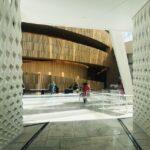
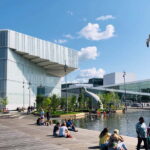
The National Museum of Norway opened its doors in a brand new building in 2022, right along Oslo’s waterfront. That matters, because this place is designed for walking at an easy pace. The exhibition space is huge—13,000 m²—so it doesn’t feel cramped even when it’s busy.
Think of it as three museum “zones” you can move between: two major collection floors, plus the third-floor Light Hall for temporary exhibitions. The building’s layout also helps you pace yourself. You can hit the big-name works first, then slow down for crafts, textiles, fashion, and contemporary installations.
If you want a comfortable visit, I’d call out the basic comfort level. One review noted the museum felt warm, interesting, with good facilities and easy wayfinding. When a museum is large, that kind of practical comfort is not a minor detail—it keeps your day from turning into a stress test.
A few more Oslo tours and experiences worth a look

How to plan your day across two massive floors
With around 6,500 works on view, you can’t possibly see everything. The good news is that the collection is arranged so you can build a “best-of” loop that still feels coherent.
Here’s the practical way to do it:
- Plan to spend most of your time on the two big collection floors.
- Treat the Light Hall as your flex stop for whatever temporary exhibitions are on.
- Save the rooftop for your energy reset in summer.
You’ll also move through themes, not just random rooms. The museum ties art and design to daily life and social power across time. On the first floor, that means crafts, design objects, sculpture, painting, and architecture. On the second floor, it shifts toward painting, still lifes, Norwegian scenes, textiles, woodcuts, and the emotional language of Munch.
So even if you’re not an art-history person, you can still follow the story.
Munch Room and The Scream (1893): what to look for
If you’re coming for Edvard Munch, start here. The museum’s second-floor presentation includes the Munch room, and it’s where you’ll find a huge focus on his emotional experience—how he shapes feeling into art.
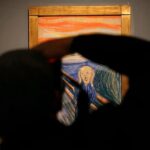
The headline moment is the chance to see the earliest version of The Scream from 1893. That’s special in a way that goes beyond fandom. Earlier versions let you sense the work as something evolving, not a frozen icon. You’ll also see that the museum doesn’t only treat Munch as a single famous image—it gives space to the range of his major representations and the idea of human emotion as a subject in its own right.
Tip: don’t rush through this section just because it’s popular. Munch’s power is partly about repetition and variation—staying a little longer helps you notice differences you’d miss in a quick pass.
Design, crafts, and political power on the first floor
The first floor is your “how people lived and shaped their world” zone. It includes design and crafts from ancient times to the present, plus painting, sculpture, and architecture. The museum also frames design and art as tools for social and political power—how objects and imagery help people project authority, belief, and identity.
A few standouts mentioned in the collection presentation include:
- Roman emperor busts (a direct visual link to leadership and public image)
- The nearly thousand-year-old Baldishol tapestry
- A broader mix that connects art-making to power, culture, and everyday meaning
Even if you don’t know the details, you’ll get the idea. A museum like this works best when it doesn’t just show you objects—it helps you understand why those objects mattered.
Royal costume galleries: Queen Maud and Queen Sonja
One of the more surprising reasons to visit is fashion, but not in the runway sense. The museum includes a large display of royal costumes from Queen Maud and Queen Sonja. These aren’t just pretty clothes; they show how clothing communicates status, role, and national identity.
If you care about design, this is where craft meets symbolism. You can also see how contemporary fashion connects to established designers in the Norwegian contemporary fashion gallery. The display includes designers like Per Spook, plus younger designers who have made their mark in recent years.
Practical advice: give yourself time here, because costume viewing takes longer than you expect. Details are part of the story.
You can also read our reviews of more museum experiences in Oslo

Still lifes, Norwegian scenes, and the Fairy Tale Room
On the second floor, the museum broadens out. You’ll find still lifes from the 1600s and the museum’s presentation of the earliest depictions of Norwegian scenes (the collection describes this focus on early views of Norway).
This is also the floor where you’ll find works by Hannah Ryggen and John Savio with significant space. And if you’re traveling with kids—or if you’re just the type who still likes stories—head toward The Fairy Tale Room, which features Theodor Kittelsen’s magical universe.
This part of the museum is a nice reset from the heavy emotional weight of some Munch works. It’s not lighter in quality, just different in tone: wonder instead of intensity.
Contemporary installations on the second floor
The museum doesn’t freeze the collection in the past. On the second floor, the museum also includes some of its most important contemporary art, including installations.
Three named installations in this section are:
- Per Inge Bjørlo’s Inner Room V
- Ilya Kabakov’s The Garbage Man
- Gaze, created by Irma Salo Jæger (visual artist), Sigurd Berge (composer), and Jan Erik Vold (poet)
There’s also a special gallery dedicated to the architect Sverre Fehn. If architecture is your thing, this can become the “slow down and really look” stop of the day.
How to approach this without getting overwhelmed: pick one installation to linger with. With so much on offer, choosing one contemporary work to go deeper on makes the museum feel personal rather than like a checklist.
Light Hall temporary exhibitions: your flexible must-see
The Light Hall on the third floor is built for temporary exhibitions, and the space is described as bright and unique—2,400 m². That detail matters because exhibition format and lighting can change how you experience art. A temporary exhibition in a space designed for it often feels more focused and more current.
The ticket covers all temporary exhibitions, so you’re not stuck guessing whether the rotating shows will be worth it. This is the part of the visit that can surprise you, especially if you like contemporary approaches.
Tip: if you’re short on time, decide your “must see” list up front (Munch room, royal costumes, Light Hall) and then fill in the rest based on what looks most relevant to you.
Rooftop terrace in summer: a fjord-view pause
In summer, you can access the rooftop terrace from the third-floor Light Hall area. The museum description says you’ll get magnificent views of the Oslo fjord.
This is more than a nice photo stop. It’s a smart way to reset your brain after several rooms of visual input. If you’re traveling with anyone who gets tired in museums, the terrace is a good way to keep the day from feeling like an endless indoor walk.
If you’re visiting outside summer, you’ll still have a big museum day, but that outdoor break won’t be part of the plan.
Price and value: does a $21 ticket make sense?
At about $21 per person for a 1-day ticket, the value depends on what you’re hoping to see. For me, the key value point is that the ticket includes:
- entry to the collection exhibitions
- entry to all temporary exhibitions
- and optional drop-in guided tours depending on availability
If you’re a casual museum visitor, the museum’s size can be a risk: you might feel like you’re wandering without a plan. But if you enjoy art, design, fashion, or Munch, the ticket price starts to look very fair for what’s on offer.
Also, the museum’s collection scale—around 6,500 works—signals that you’re buying time as much as access. You’re not just paying for one show. You’re paying for a full museum experience that can stretch across themes.
Small group experience: 10 participants max
This is a small group format, limited to 10 participants. That tends to make the visit feel less chaotic, especially when you’re trying to hear or catch details during a guided moment.
And because guided tours are drop-in and based on availability, you can keep your day flexible. You’re not forced into a rigid schedule that might fight your interests. If a guide is available when you want it, take it. If not, the collection is still built to work on your own.
Practical rules that affect your visit
The museum is clear about what you can’t bring inside:
- Food and drinks are not allowed
- Selfie sticks are not allowed
- Backpacks are not allowed
- Umbrellas are not allowed
- Bags are not allowed
That’s the biggest practical consideration for your day. It affects how you travel from place to place. If you’re planning to tour other parts of Oslo the same day, keep your museum bag minimal. Think of it like you’re packing for a walking city block, not a day out with gear.
Also, if you’re the type who likes to carry a lot of layers, you’ll want a plan for that. The less you bring, the calmer your museum entry will feel.
Accessibility and language basics you should know
The ticket is wheelchair accessible, which is great for planning a comfortable day. Beyond that, the details provided don’t list specific language options. What you can do is plan to use the museum’s own signage and on-site info while you explore.
If you want a guided moment, remember the guided tours are drop-in and depend on availability.
Who this is best for (and who might skip it)
This entry ticket is a strong match if you:
- love Munch or want to see The Scream (1893) in context with other major works
- want design, crafts, and architecture themes in one place
- care about royal fashion and how it connects to design and national identity
- like temporary exhibitions and want the flexibility to see whatever is on during your visit
- are visiting Oslo and want a big, modern museum day in one location
I’d consider skipping—or at least simplifying your plan—if you only want one or two quick museum moments. The National Museum is large and offers depth. You’ll enjoy it more if you’re willing to spend real time and pick a few priorities.
Should you book the National Museum of Norway ticket?
Yes, I’d book it if you’re visiting Oslo for a day or two and want a top-tier museum without splitting into multiple tickets. For the price, you get access to both collection galleries and all temporary exhibitions, plus possible drop-in guided tours.
If you’re a Munch fan, this is an easy decision because of the chance to see the earliest version of The Scream (1893). If you’re more of a design or fashion person, the royal costume displays and design-focused rooms make the day feel like more than a single-artist pilgrimage.
Just plan to travel light. The rules about bags/backpacks can be annoying if you usually carry everything “just in case.”
FAQ
How long is the National Museum of Norway entry ticket valid?
It’s valid for 1 day. You’ll want to check availability to see starting times.
How much does the ticket cost?
The price listed is $21 per person.
What’s included with the entry ticket?
Entry to the collection exhibitions and entry to all temporary exhibitions are included.
Are temporary exhibitions included, or is it only the permanent collection?
Temporary exhibitions are included with your ticket.
Is there a guided tour included?
Drop-in guided tours are included depending on availability.
Can I see Edvard Munch’s The Scream?
Yes. The highlights specifically mention the earliest version of The Scream from 1893 in the museum’s Munch rooms.
Is the rooftop terrace available?
The rooftop terrace is accessible during the summer season.
What items are not allowed inside the museum?
Food and drinks, selfie sticks, backpacks, umbrellas, and bags are not allowed.
Is this experience wheelchair accessible?
Yes, it is wheelchair accessible.
What are the cancellation and payment options?
You can cancel up to 24 hours in advance for a full refund. You can also reserve now and pay later (book your spot and pay nothing today).