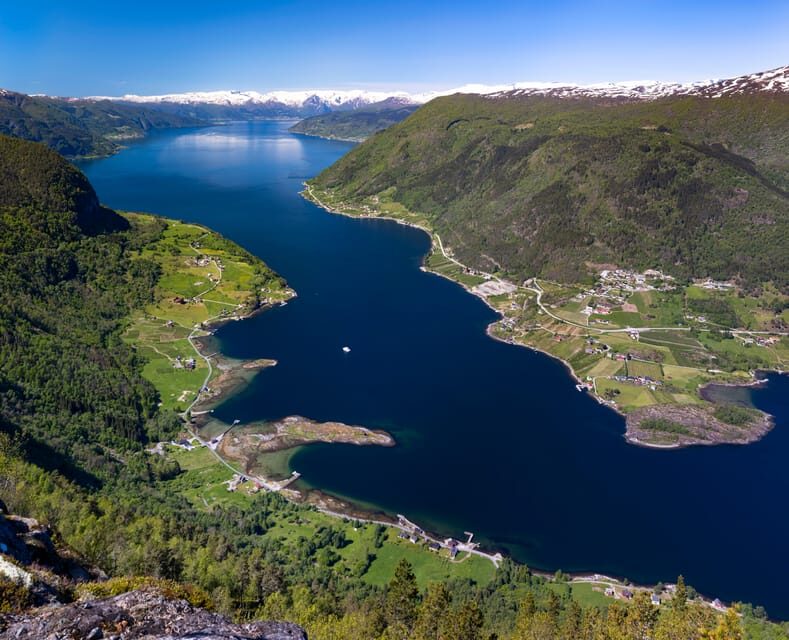
Whales and fjords from a cozy private yacht. On the Arctic Queen out of Tromsø, you get a flybridge vantage point for close-in spotting of orcas and humpbacks while the fjords roll by outside.
I also like the hands-on comfort you get for the money: lunch, snacks, coffee/tea plus other beverages are built into the day, so you’re not wasting time in the cold hunting for food. One key drawback to keep in mind is that conditions matter—this trip depends on weather, and rougher seas can hit hard if you’re prone to motion sickness.
In This Review
- Key things that make this whale safari worth your attention
- Arctic Queen in Tromsø: what the experience really feels like
- Price and value: how $4,781 per group plays out in real life
- From Fredrik Langes gate to the whale zone: the flow of the day
- Whale odds: orcas, humpbacks, and those moments when plans shift
- Warmth and comfort on a cold yacht: cabin time, thermal suits, and gear tips
- Food and drinks: why lunch isn’t just a perk here
- Safety, sea sickness, and what to do if conditions turn rough
- Captains and hosts: how personalities shape your whale-watching day
- Who should book this private Arctic Queen whale safari?
- Should you book this Arctic Queen whale watching tour?
- FAQ
- Where is the tour meeting point in Tromsø?
- What time does the Arctic Queen whale watching tour start?
- How long is the tour?
- What group size is it, and is it private?
- Is the tour offered in English?
- What is included in the price?
- Are alcoholic drinks included?
- What kind of whales might you see?
- What safety gear should I expect?
- What happens if the tour is canceled due to weather?
Key things that make this whale safari worth your attention
- Flybridge viewing for better whale-spotting when animals surface close by
- Meals and warm drinks included, which is a big deal in Arctic air
- Private-group feel up to 8 people, so the boat doesn’t feel like a floating bus
- Life jackets and thermal suits available, plus a written safety briefing in advance
- Routes shift with sightings and weather, so the day can change even with good planning
- Professional captains can make or break the experience, especially in fast-moving whale situations
Arctic Queen in Tromsø: what the experience really feels like
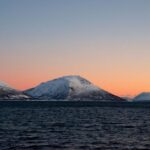
This is a day out of Tromsø built around one goal: getting you into the right waters for whales, while still letting you enjoy the Nordic scenery that made you come north in the first place. The Arctic Queen is described as a 35–40-foot diesel-powered yacht, with an emphasis on comfort for cold conditions and a layout that works well for watching from the flybridge.
The schedule runs from the morning, starting at 8:00 am and returning to the same meeting point in Tromsø. Duration is listed as roughly 5 to 7 hours, but real-world days can run longer depending on weather and how long it takes to locate animals.
Group size is one of your first choices. You can book small-group or a private option, and with the private format the cap is up to 8 people. That smaller number matters when you’re dressing for wind, hauling on gear, and trying to keep everyone comfortable during waiting time.
You can also read our reviews of more boat tours in Tromso
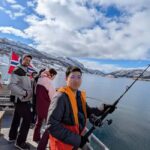
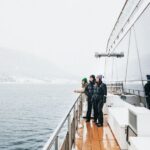
Price and value: how $4,781 per group plays out in real life
The headline price is $4,781.45 per group (up to 8 people). If you fill the boat, that’s roughly $600 per person—before you even factor in that this includes lunch, snacks, coffee/tea, and beverages (alcohol is extra).
So the value equation is less about the boat itself and more about what you avoid:
- You don’t have to plan meals mid-trip.
- You don’t have to sit in freezing conditions without warm drinks.
- You’re not competing for the best viewing position in a crowded herd.
That said, you should still go in with eyes open about operating reality. A few accounts include complaints about cramped conditions on a departure where the boat felt too full. I can’t prove what will happen on your date—but if you strongly care about space, it’s fair to ask how full the boat is expected to be before you lock in.
Also remember: whale watching isn’t a movie set. Even with a good captain, the sea state and how quickly whales surface can shrink the time you spend actually watching animals. When that happens, good comfort and good food stop the day from feeling like a long wait.
From Fredrik Langes gate to the whale zone: the flow of the day
Your tour meets at Fredrik Langes gate 2, 9008 Tromsø, Norway and ends back there. Expect a straightforward morning start and then a cruise that mixes open water time with fjord-and-mountain views from the yacht.
Here’s what you’re really doing on the water:
- You cruise to a whale-watching area.
- You position for viewing once you’re in the right zone.
- You watch for surfacing, then adjust as the animals move.
A big plus is that the boat is small enough to give you a better chance at close viewing compared with larger ships. The goal is to get you a strong viewing angle from the flybridge, where you can see movement and faster splashes sooner.
On some outings, the captain also tweaks the plan based on what’s happening around the other boats. In one account, the skipper worked to remain in the observation area and keep the viewing time as strong as possible. In another, a guest described frustration over time spent driving toward something that wasn’t actually whales. That contrast is why I recommend you judge the experience as both a wildlife trip and a weather-dependent navigation challenge.
Whale odds: orcas, humpbacks, and those moments when plans shift
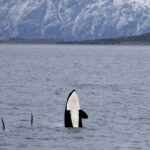
The trip is marketed around seeing orcas and/or humpback whales. That’s what you should set as your main expectation.
Sometimes the day changes fast:
- If the whale area is rough, the captain may shift to a less stormy zone.
- If whales aren’t surfacing, you spend more time looking and less time parked.
That’s not a failure. It’s the job description.
One sailing described an especially focused hunt: multiple orca family groups were located, with plenty of viewing time once they were found. Another describes the opposite outcome—seeing orcas but not getting the humpback sighting the captain was targeting. Both are believable outcomes in Northern Norway, and both are part of the reason to choose a captain and crew you trust.
Beluga sightings can also happen in nearby fjords when they’ve been reported ahead of time. One guest recounted a beluga coming up close enough for a very memorable, hands-on moment—yet the key takeaway for you is that whale encounters can be close, so you still want to follow the crew’s safety rules and distance guidelines.
Warmth and comfort on a cold yacht: cabin time, thermal suits, and gear tips
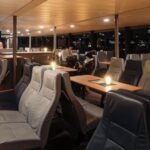
The Arctic Queen experience is built around comfort in wind and cold. Safety gear is part of that. You’ll be given a written safety briefing in advance (in multiple languages), and the skipper also provides a verbal safety review before departure. Life vests and thermal suits are available on board in multiple sizes, and assistance is offered.
In plain terms: you should dress like your comfort is your responsibility. Even with survival suits available, the sea air can still bite, and sitting still for long stretches means you feel the cold more than you expect.
A few practical gear tips showed up in accounts:
- If you’re sensitive to wind in your face, consider bringing eye protection.
- A full-face option and snow goggles can make a big difference depending on your season and sea conditions.
- If you don’t love sitting in cold air, you’ll be using the cabin as your warm reset.
One positive account specifically praised a cozy cabin with hot drinks and snacks always available, plus the feeling that the host kept everyone comfortable. That kind of pacing matters because whale watching often includes long “looking” phases.
A few more Tromso tours and experiences worth a look

Food and drinks: why lunch isn’t just a perk here
Food is included and that’s a meaningful quality marker on this kind of cruise. The tour includes lunch, snacks, coffee and/or tea, and beverages. Alcoholic drinks are not included and can be purchased.
What you’ll actually taste can vary, but fish soup shows up repeatedly. One guest described being served Norwegian fish soup on the way back—and said it was so good they sought it again later that night. Another account mentions fish soup plus a cabin-warm vibe after time outdoors.
There are also accounts of more adventurous meal setups in colder regions, including time at an uninhabited island and cooking or preparing fish for dinner. That’s not something to assume on every date, but it’s a hint that the day can become more than just “sit and watch.”
My advice: treat the included meal as part of your planning. If you tend to skip food because you’re busy watching, remember that warmth and calories help with both energy and seasickness.
Safety, sea sickness, and what to do if conditions turn rough
This is Arctic waters. Even when the captain is skilled, conditions can change. A few guests described feeling very ill during rougher return travel, including vomiting and missing meals due to sea conditions. That’s the downside of being out on a small yacht in open water.
So here’s your practical game plan:
- Bring your motion-sickness plan even if you feel fine at home.
- Eat something light before boarding if that’s your usual approach.
- Use the warm cabin breaks rather than trying to “tough it out.”
- Wear the safety gear you’re given, especially the life vest and thermal suit when the crew asks.
Safety procedures are described as being taken seriously, including verbal and written briefings and proper instruction. Still, safety isn’t just equipment—it’s how calm the crew stays and how clearly they manage the viewing moment. One upset account described feeling ignored when asking for help with thermal gear and described aggressive crew behavior. I can’t confirm how common that is, but it is the kind of issue that would matter if you’re traveling with someone who needs steady reassurance.
If you’re booking for a birthday or a once-in-a-lifetime trip, it’s worth mentally preparing yourself for both: the joy of whale watching and the fact that Arctic weather can test everyone.
Captains and hosts: how personalities shape your whale-watching day
This tour is strongly affected by the crew running your particular day. A few names stand out in provided accounts:
- Kurt is referenced as an owner and as a captain on some trips. His replies emphasize safety procedures, qualified skippers, and that whales were seen on the private tour.
- Per is mentioned as a captain who insisted guests wear life jackets and survival suits while outside, and who served Norwegian fish soup afterward.
- Thomas appears in an account praising his explanations and fish soup cooking.
- Jerome is described as an attentive host who kept guests comfortable and offered warmth (hot drinks and snacks) during more of a “fjords and exploring” day.
- Luca appears in an unhappy account involving crew conflict.
Why does this matter for you? Because whale watching is not constant action. It’s waiting. It’s repositioning. It’s deciding when to chase and when to slow down. A confident, calm skipper keeps everyone focused on safe viewing and minimizes the chaos that can happen when tempers run hot in rough weather.
If you’re the type who gets anxious in uncertain situations, aim for a day where you’ll appreciate a crew who gives clear guidance and checks that everyone is settled with gear. If you’re the type who loves calm instruction, that attentive-host style seems to shine here.
Who should book this private Arctic Queen whale safari?
This works best for you if:
- You want private-group comfort (up to 8) rather than a crowded big-boat experience.
- You’re excited about both whales and spending real time on the water through fjords and mountains.
- You’re comfortable dressing for cold, using the cabin for warmth, and being patient while the captain searches.
This might be a rough fit if:
- You get severely seasick and haven’t found a strategy that works.
- You expect a guaranteed whale sighting and fixed viewing time regardless of weather.
- Space and calm operations are non-negotiable for you, given that at least one account described cramped conditions.
For couples and small groups, it often sounds like a strong match because you’re paying for time, comfort, and a higher chance of watching from a better position when animals surface. For families with kids, it can be fine if everyone is comfortable in cold gear—but you’ll still want to plan for motion sickness and cabin comfort.
Should you book this Arctic Queen whale watching tour?
If you’re hoping for an all-in, warm, food-included Arctic day at sea with a real chance at orcas and humpbacks, this is the kind of outing that can feel very special—especially because the flybridge viewing and included meals reduce the stress of cold-weather waiting.
I’d book if you’re prepared for a weather-driven schedule, you can handle small-yacht motion, and you’re excited to be outside in Nordic wind rather than only inside.
I’d pause and ask questions if sea sickness is a real issue for you, if you need lots of personal space, or if you’re the type who needs very consistent crew communication to feel safe. Then again, many sailings sound smooth and enjoyable with attentive captains and genuinely good soup.
In short: the upside is strong. The Arctic doesn’t do guarantees. If you plan for that, you’ll likely have a memorable day on the water.
FAQ
Where is the tour meeting point in Tromsø?
The tour meets at Fredrik Langes gate 2, 9008 Tromsø, Norway, and it ends back at the same meeting point.
What time does the Arctic Queen whale watching tour start?
The listed start time is 8:00 am.
How long is the tour?
The duration is approximately 5 to 7 hours.
What group size is it, and is it private?
It can be booked as a private tour where only your group participates, with a maximum of 8 people per booking. A minimum of 2 people is required.
Is the tour offered in English?
Yes, the tour is offered in English.
What is included in the price?
Included items are beverages, lunch, snacks, coffee and/or tea, and a driver/guide.
Are alcoholic drinks included?
No. Alcoholic drinks are available to purchase, but they are not included.
What kind of whales might you see?
The experience is aimed at spotting whales such as orcas and humpback whales, depending on sightings. In some cases, guests have reported beluga sightings in nearby fjords when they were previously seen.
What safety gear should I expect?
A written safety briefing is provided in advance, and the skipper does a verbal safety review before departure. Life vests and thermal suits are available, and assistance is described as being offered. Guests may be asked to wear safety gear while outside.
What happens if the tour is canceled due to weather?
This experience requires good weather. If it’s canceled due to poor weather, you’ll be offered a different date or a full refund.