REVIEW · OSLO
Oslo : Must-See Attractions Walking Tour With A Guide
Book on GetYourGuide →Operated by Guydeez Tours · Bookable on GetYourGuide
Oslo gets surprisingly easy when you have a plan—and a local guide. This private walking tour starts at Viking Planet and strings together the city’s biggest hits, from Karl Johan and the Royal Palace area to waterfront stops by Aker Brygge. I especially like how it’s customizable, so you’re not forced into one rigid script.
I love two things most: first, the guide’s ability to explain what you’re seeing in plain, practical terms; second, the mix of city-center landmarks and museum choices (Viking Ship, Kon-Tiki/Fram area options, National Gallery, or Vigeland). One drawback to watch is that the route packs a lot into three hours, so the real schedule can feel tighter than the broad outline—and the meeting point needs to match the exact spot you’re given.
In This Review
- Key highlights I’d circle before you go
- Starting at Viking Planet: the calm kickoff point you’ll want to find fast
- Karl Johan to the Royal Palace and Parliament: the part you can’t skip
- Oslofjord and Aker Brygge: where the story shifts from land power to sea power
- Akershus Fortress and Kvadraturen: medieval walls plus the 17th-century Domkirke
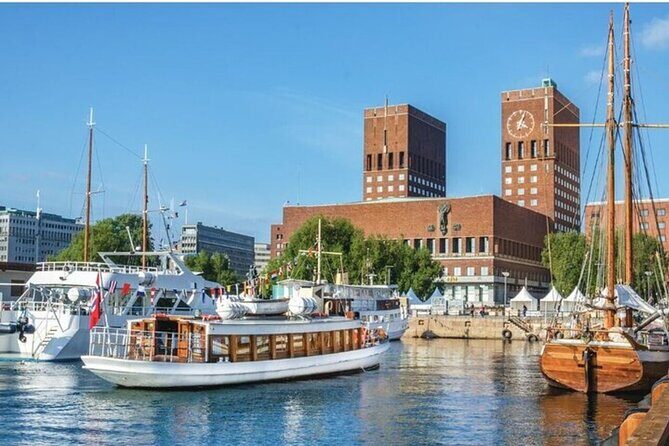
- Oslo City Hall and the Nobel Peace Prize: a quick stop with big meaning
- New National Opera House and the city’s modern edge
- Bygdøy museum options in 3 hours: how to choose without stressing out
- Vigeland Sculpture Park: the optional stop that changes the whole vibe
- Price and value: is $65 worth it for a 3-hour highlights tour?
- Who this tour is best for (and who should think twice)
- Should you book this Oslo highlights walking tour?
- FAQ
- Where does the tour start?
- How long is the Oslo highlights walking tour?
- Is this a private tour?
- What languages are the guides?
- Does the tour include public transport?
- What main sights are included?
- Are museums included, and can I choose which ones?
- Is Vigeland Sculpture Park optional?
- Is food or drink included?
- Is the tour wheelchair accessible?
Key highlights I’d circle before you go
- Private and exclusive: your group walks with your guide only, so you can ask questions and adjust pace.
- A strong “first-time Oslo” route: royal sights, opera area, fjord waterfront, and city history in one compact walk.
- Aker Brygge + fjord context: you get the story behind the shipyard-to-upmarket waterfront transformation.
- Akershus Fortress and Oslo Cathedral: medieval defensive walls plus a 17th-century church stop.
- Optional culture power-up: choose museums in Bygdøy and/or add Vigeland Sculpture Park if your timing fits.
Starting at Viking Planet: the calm kickoff point you’ll want to find fast
The tour’s starting line is Viking Planet at Fridtjof Nansens plass 4. That location matters because it sets the tone: you’re not just walking past pretty buildings—you’re starting with an Oslo identity that leans hard into seafaring history and Viking-era roots. From there, the guide takes you into the city center in a way that helps you get your bearings fast.
A practical tip: build in a little buffer before the meeting time. The tour description is clear that you meet your guide in front of Viking Planet, but one real-world risk is that people can show up at the wrong side of a building or entrance. If you’re arriving by foot or transit, look for the exact storefront spot your guide message points to, not just the general area.
Also, languages are English and Spanish, so you’ll get comfortable explanations without needing to work to translate the city in your head. That’s a big deal when you only have three hours.
You can also read our reviews of more walking tours in Oslo



Karl Johan to the Royal Palace and Parliament: the part you can’t skip

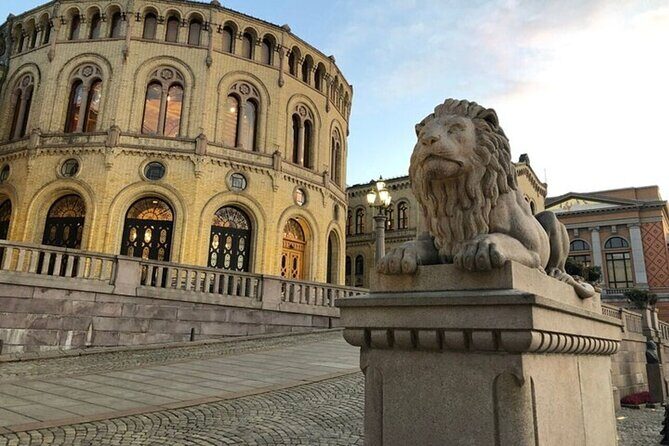
Once you’re moving, the tour centers on Oslo’s 19th-century core. Expect the walking route to connect major civic landmarks you’ll likely see from afar anyway: the Royal Palace, Parliament, and Karl Johan (the main street).
Why this stretch is valuable: Karl Johan is one of the easiest ways to understand how the city “grew into itself.” It’s not only shopping and foot traffic; it’s a spine of identity—where government, national culture, and everyday city life line up. With a guide, you don’t just see the buildings; you learn what they represent and how Oslo thinks about its public spaces.
This is the kind of stop where questions pay off fast. Ask how the architecture dates work, or what you should watch for while you’re walking (and you’ll likely get targeted answers rather than a generic lecture). Guides also help you place what you’ll see later—like why Oslo pivots so quickly from politics to waterfront in just a short walk.
Oslofjord and Aker Brygge: where the story shifts from land power to sea power

Then you shift toward the water: Oslo Fjord and Aker Brygge are key parts of the experience. Aker Brygge is especially interesting because it used to be linked to shipyard life. Now it’s an upmarket waterfront area with restaurants, museums, and a sculpture park feel around the edges.
This change—working waterfront to leisure and culture—is one of Oslo’s defining patterns. You’ll see the setting and also get the interpretation behind it: how the city repurposed old industrial spaces rather than abandoning them.
If you like photos, this is a strong segment. If you like walking, it’s also comfortable because it’s a natural, scenic break from the heavy landmark cluster downtown. The guide can point out what’s worth slowing down for versus what you can safely keep moving past, which is useful when time is tight.
Akershus Fortress and Kvadraturen: medieval walls plus the 17th-century Domkirke
Akershus Fortress is the historical anchor of the tour. It’s a medieval fortress stop that gives you something different from the royal-government block you saw earlier. Fortress walls make history physical. Even without going deep into details you might read later, you’ll feel the purpose of the place: control, defense, and strategic placement.
Next comes Kvadraturen and Oslo Cathedral (Domkirke), described as a 17th-century stop. This contrast is part of the tour’s strength. You’re not only marching through timelines; you’re hopping between how Oslo expressed authority—first with defense and strongholds, then with religious and civic identity in the city core.
In practice, this segment works well because it adds texture. City walks can become “see-building, move-on.” Here, the guide helps you keep track of what kind of site you’re looking at—fortress versus cathedral versus palace area—so your brain doesn’t blur everything together.
One consideration: comfort and pace. Because it’s three hours total, you’ll want to wear shoes that handle uneven paving and a bit of curb-jumping. You’ll be fine if you’re used to city walking, but this is not a minimal-effort stroll.
Oslo City Hall and the Nobel Peace Prize: a quick stop with big meaning
The tour includes a short visit to Oslo City Hall, known for hosting the Nobel Peace Prize ceremony. This is a “time-efficient meaning” stop. You don’t spend a long block of time there, but you come away with context.
Why it matters: Oslo’s global reputation isn’t just about fjords and design. The Nobel connection is one reason the city feels international in mood—even on a regular day. When you know that story, the building isn’t just another civic structure. It becomes part of the Oslo brand.
If you’re the type who likes learning what happens inside a city’s key institutions, you’ll appreciate this stop. It’s brief enough not to hijack your schedule, but it adds a layer that most self-guided walks miss.
You can also read our reviews of more guided tours in Oslo





New National Opera House and the city’s modern edge
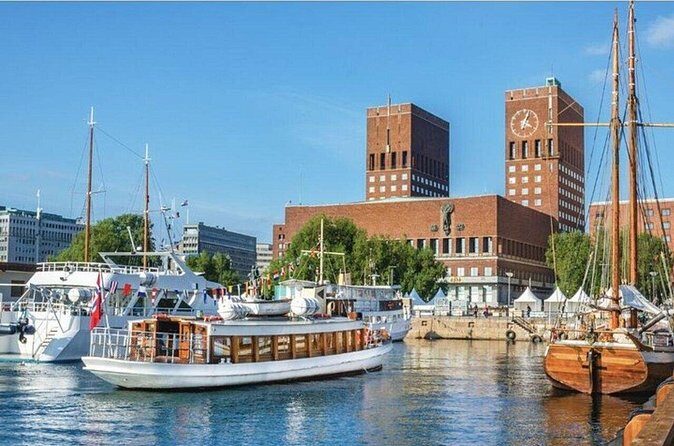
You’ll also see the New National Opera House area. This is where Oslo shows a different personality than the 19th-century civic core. You get a sense of how the city balances tradition with modern cultural institutions.
Even if you don’t go inside, a guided viewing helps you read the building and surrounding spaces. The guide’s role here is to connect dots: why the location makes sense, how Oslo uses signature modern architecture to project cultural confidence, and how it links back to the route’s overall theme of “past to present.”
Bygdøy museum options in 3 hours: how to choose without stressing out
Depending on your tour option, you’ll continue on to one or two museums in Bygdøy. The big names included in the plan are the Viking Ship Museum and the Polar Ship Fram/Kon-Tiki area option, plus the National Gallery with Edvard Munch paintings and French impressionist art.
This is the most important practical decision you’ll make. You don’t get unlimited time, so choosing the right museum pairing is key.
Here’s how I’d think about it:
- If you want a strong maritime/Viking theme, lean toward the Viking Ship Museum and the polar ship side (Fram/Kon-Tiki options).
- If you want art and you’re curious about Munch and French impressionists, choose the National Gallery for a more concentrated cultural hit.
- If you’re unsure, pick the option that matches what you actually like at home, not what you think you should do.
Also, the tour notes that you’ll have walking plus public transport as part of the route (except if you select one of the options). So your guide is doing more than sightseeing—they’re managing time and transfers so you still get real content rather than just movement.
Vigeland Sculpture Park: the optional stop that changes the whole vibe
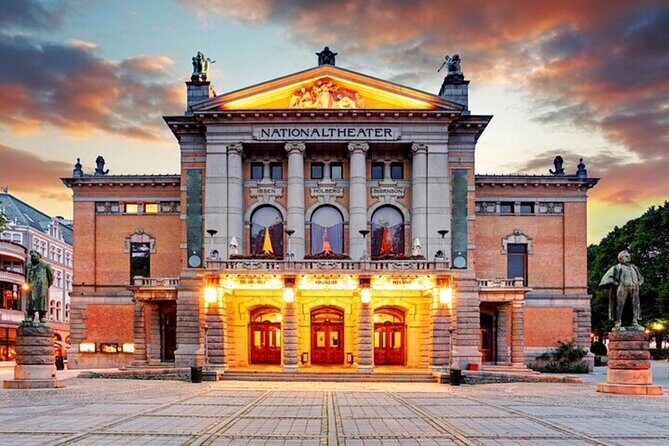
If your chosen option includes it, Vigeland Sculpture Park is a guided walk through one of Oslo’s most distinctive creative spaces. The park is known for its unique and fabulous sculptures, and it’s a different kind of storytelling than museums or fortress walls.
This stop works especially well if:
- you’re traveling with teens or someone who likes visual art more than written explanations
- you want something outside the usual “church + palace + museum” loop
- you enjoy walking at an easy rhythm while learning what you’re actually looking at
A good guide matters here because sculpture symbolism can feel obvious to some people and confusing to others. With guidance, you’re more likely to notice themes and the way the park’s layout builds meaning as you move.
Price and value: is $65 worth it for a 3-hour highlights tour?
At $65 per person for a 3-hour private walking tour, the value comes from structure. You’re paying for:
- a route that connects top Oslo sights efficiently
- private time to ask questions without joining a large group
- guidance that helps you understand what you’re seeing, not just where to stand for a photo
- support to help book tickets for the visits you choose
If you’re doing this on a first day or first full day in Oslo, it’s a strong buy because it gives you a framework for the rest of your trip. You’ll likely return later to whichever museum or area feels most you.
If you already know exactly which museums you want and you’re an experienced planner who enjoys building your own walking/transit routes, the value is smaller. Still, the guide’s job—turning random landmarks into a connected story—can make even familiar areas more satisfying.
Pacing is the one thing that can affect perceived value. The tour packs a lot of “greatest hits” into three hours, and that means the experience can feel tighter if you want long stops at multiple interiors. Go in ready to enjoy “see and understand,” not “linger like you live here.”
Who this tour is best for (and who should think twice)
This tour fits you if you want:
- a first-time Oslo orientation with a local perspective
- a private route that you can personalize
- a blend of historic city core, waterfront, and at least one museum choice
It may feel less perfect if you:
- prefer spending half a day inside a single museum
- want a slow, unstructured walk with lots of downtime
- get picky about itineraries that are described broadly but executed on a tight schedule
One other real-world note: the meeting point is clearly described as Viking Planet in front of the building. Still, I’d treat it like a precision task. Arrive on time, double-check the exact instruction, and you’ll avoid the small stress that can happen when people assume they’re at the right place just because they’re nearby.
Should you book this Oslo highlights walking tour?
I’d book it if your goal is to make Oslo feel understandable quickly. The route covers the big story arcs—royal center, fjord waterfront, medieval fortress, and a Nobel-linked civic stop—then offers museum options that let you shape the experience to your interests.
Choose it particularly if you like having someone sort the city for you and translate what you’re looking at into context you can use right away. Just plan your expectations around three hours: you’re getting smart highlights and museum sampling, not a slow buffet of every attraction in the region.
If you’re the type who loves art, pick the National Gallery option. If you’re drawn to Vikings and polar history, go for the Bygdøy museum choices in that direction. And if you want an extra creative layer, add Vigeland Sculpture Park when your timing allows.
FAQ
Where does the tour start?
The tour starts at Viking Planet at Fridtjof Nansens plass 4. You meet your guide in front of Viking Planet.
How long is the Oslo highlights walking tour?
It runs for 3 hours.
Is this a private tour?
Yes. It’s a private and exclusive tour, so there won’t be anyone else from other groups in your party.
What languages are the guides?
The live tour guide is available in English and Spanish.
Does the tour include public transport?
Yes, the tour includes a walking tour and public transport, except if you select one of the options.
What main sights are included?
You’ll see highlights in Oslo’s city center like the Royal Palace, Parliament, Karl Johan, the Oslo Fjord, Aker Brygge, Akershus Fortress, Oslo Cathedral (Domkirke), the New National Opera House, and a short visit to Oslo City Hall. You may also go to museum areas in Bygdøy.
Are museums included, and can I choose which ones?
Museums are part of the experience, and depending on your tour option you may visit one or two. Options include Viking Ship Museum, Fram (Polar Ship) / Kon-Tiki, the National Gallery (including Edvard Munch paintings and French impressionist art), or Vigeland Sculpture Park if you select that option.
Is Vigeland Sculpture Park optional?
Yes. It’s offered as an optional addition if you choose the Vigeland Sculpture Park option.
Is food or drink included?
No. Drink or food is not included.
Is the tour wheelchair accessible?
Yes, it is wheelchair accessible.
—
If you tell me which museum option you’re leaning toward (Viking Ship/Fram vs National Gallery vs Vigeland add-on), I can suggest the best way to prioritize your three hours so you don’t feel rushed.