REVIEW · OSLO
Oslo City Walk with Passionate Founder, shared/private (English)
Book on Viator →Operated by Oslo By Heart · Bookable on Viator
A skyline of sights and stories starts right at the water. This Oslo City Walk moves from the Opera House to fortress viewpoints, then down central streets to the City Hall finish—guided by the passionate founder in English. It’s an easy way to learn how different parts of Oslo grew up, and why the city feels both modern and stubbornly old in the best ways.
I especially love the way the guide connects architecture to everyday life, not just facts. I also like the energy in the walk: the pacing is calm, the talk stays focused, and you get quick context at each stop without a boring history lecture.
One consideration: you’ll cover a lot of ground on mostly asphalt, with some uneven spots near the fortress, so bring comfortable shoes and expect a steady walk if your pace is slower than average.
In This Review
- Key reasons this walk works in Oslo
- Why a founder-led Oslo City Walk feels different
- Price and what $59.33 actually buys you
- Where you start: IddefjordVestlys Plass to City Hall finish
- Stop-by-stop: what each Oslo landmark adds to the story
- Oslo Opera House (Bjørvika waterfront): modern Oslo with a point of view
- Langkaia: floating sauna energy and other waterfront experiments
- Kvadraturen neighborhood: how Oslo’s identity shifted into Christiania
- Akershus Castle and Fortress: fortress views over Oslofjord and Holmenkollen
- Karl Johans Gate: Oslo’s main street, with a shopping-friendly rhythm
- The Norwegian Parliament area: governing, plus the National Theatre context
- The Royal Palace: a quick peek and how Norway marks its national day
- Oslo City Hall (Rådhusplassen): the walk’s elegant closer
- Aker Brygge: ending with smart advice for museums and fjord time
- Optional Vigeland Park extension: tram ride + sculpture insights
- Walking comfort, timing, and weather in real Oslo terms
- My take: should you book this Oslo City Walk?
- FAQ
- How long does the Oslo City Walk last?
- Is the tour offered in English, and what group size should I expect?
- What are the main stops on the walk?
- Are admission tickets included for the stops?
- What’s included for transportation if I add Vigeland Park?
- Is the tour in good weather only?
- Can I cancel for a full refund?
Key reasons this walk works in Oslo
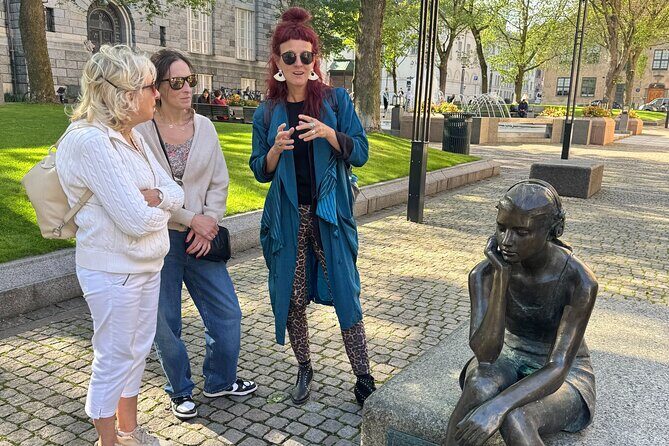
- Founder-led storytelling that links buildings to the city’s choices and values
- Prime viewpoints: waterfront, Oslofjord, and the skyline around the center
- Free-to-view stops along the route so you aren’t juggling ticket queues
- Tight group size (max 10) that keeps the guide’s attention on you
- Optional Vigeland Park extension with included tram ride when booked
- Practical end-of-tour tips for museums, Nobel Peace Center area, and fjord tours
Why a founder-led Oslo City Walk feels different
Oslo can be surprisingly spread out. This tour solves that by threading together the city’s big visual anchors in one logical loop. You’re not just looking at landmarks; you’re learning what shaped each district and what those choices still mean today.
The biggest advantage is the guide style. The founder is described as energetic, warm, and professional, with an easy communication style and strong command of Oslo’s culture and history. In practice, that means you’ll get clear explanations that don’t feel like homework. And with a small group—maximum 10 travelers—you’re less likely to disappear into the crowd.
If you want an efficient orientation walk that still feels personal, this hits the sweet spot: enough structure to guide you, enough flexibility to keep it enjoyable.
You can also read our reviews of more walking tours in Oslo



Price and what $59.33 actually buys you
At about $59.33 per person, this isn’t a budget “just walk with someone” experience, but it also isn’t priced like a private driver tour. What you’re paying for is the guided route through multiple key districts plus interpretation that ties it together.
A big value point: the main stops are treated as admission ticket free. That matters because Oslo’s major sites can add up fast if you’re stacking paid entrances. Here, you get the viewpoints and architectural focus without needing to buy entry tickets at each location.
What’s not included is equally important. Snacks and drinks aren’t part of the price, so plan to buy water or a quick bite along the way if you need it. And the optional Vigeland Park add-on is a separate decision, even though the tram part can be included when you book it.
Where you start: IddefjordVestlys Plass to City Hall finish

The tour starts at Skapning fra Iddefjord, Vestlys Plass 1, and ends at Oslo City Hall (Rådhusplassen 1). That end point is smart: City Hall puts you right in the central zone, so you can keep exploring without fighting transit timing.
The walk is designed to be mostly straightforward. You’ll be on asphalt for about 95% of the route, with only a short gravel path and a short stretch of cobbles near the fortress. If you pack the right footwear, the “hard part” stays small. The real variable is weather—Oslo changes fast, and the guide expects that.
Plan for a duration of roughly 2 hours 15 minutes to 3 hours 30 minutes depending on the pace and the day.
Stop-by-stop: what each Oslo landmark adds to the story
Oslo Opera House (Bjørvika waterfront): modern Oslo with a point of view
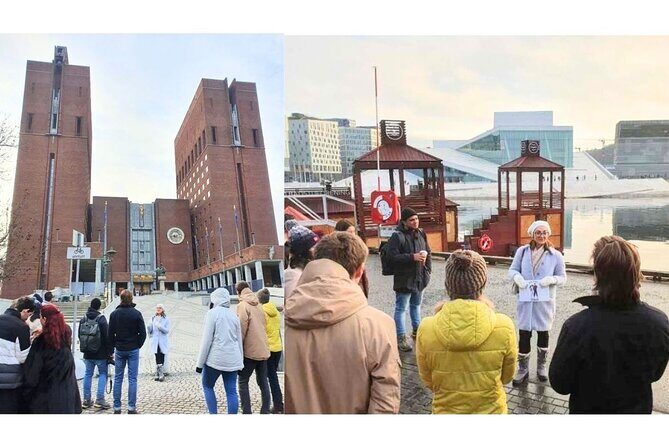
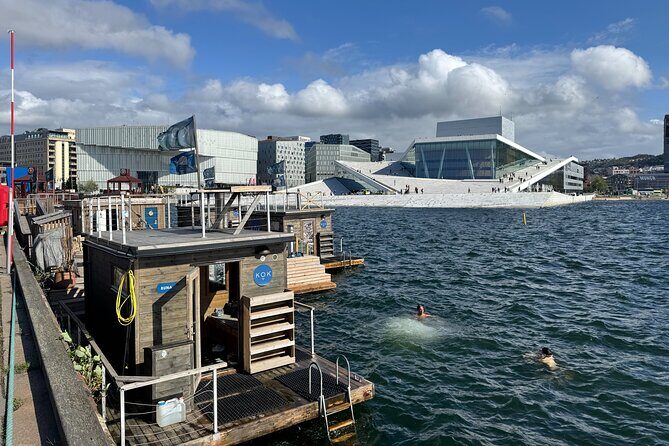
The walk opens at the Oslo Opera House along the waterfront. This is where the tour gives you a sense of what Oslo chose to build—and why—when it shaped the Bjørvika area. You’ll also hear how nearby cultural landmarks sit within the same modern planning idea, including the Munch Museum and the Opera.
Why it works: the Opera House sits in a visually strong zone. Even if you’ve seen photos, being there in real light helps you understand how the district feels open and public. It’s a natural “get oriented” start.
What to watch for: the Opera area is breezy on the water. If it’s cold or windy, you’ll appreciate the tour starting here because you can build momentum right away instead of dragging yourself later.
You can also read our reviews of more city tours in Oslo




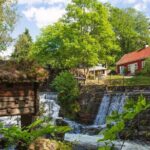
Langkaia: floating sauna energy and other waterfront experiments
Next comes Langkaia, where you’ll look at the growing world of floating sauna projects and other waterfront initiatives. This is one of those Oslo details that makes the city feel current: the waterfront isn’t just scenery—it’s a playground for locals and a test bed for new ideas.
Why it’s worth a stop: it’s easy to treat the harbor as a backdrop. Here, you learn that the city keeps experimenting, including with unusual ways to use water.
A small practical note: waterfront areas can be slippery if it’s rained. Wear shoes with decent grip.
Kvadraturen neighborhood: how Oslo’s identity shifted into Christiania
Then you move to Kvadraturen, where the guide brings history into focus: how the city came to be known as Christiania for over 300 years. This isn’t presented as a timeline grind. It’s more like a map in your head—how the name and the city’s development connect.
Why it matters for your trip: when you understand why a place had a different name for so long, it becomes easier to read the city. Street layouts, building styles, and local references start to make more sense. You’ll walk through the center with a better sense of “what happened here, and when.”
Possible drawback: if you’re hoping for lots of indoor stops, this part stays mostly outside. It’s still manageable, just keep expectations aligned with an open-air walking format.
Akershus Castle and Fortress: fortress views over Oslofjord and Holmenkollen
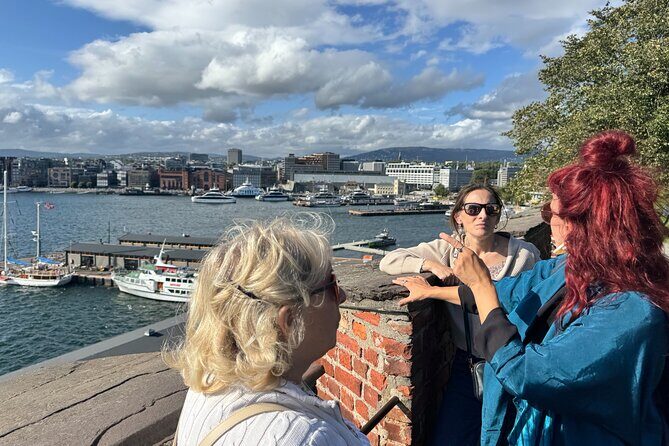
At Akershus Castle and Fortress, you’ll ascend to a high point for wide views over the Oslofjord. On a sunny day, you may even be able to spot the famous Holmenkollen Ski Jump.
This is the tour’s payoff stop. Views like this make the walk feel worth it even if the earlier parts are more “talk and orientation.” The guide also brings the fortress into the city’s bigger picture—how Oslo protects itself, how it watched the water, and how those choices shape what you see today.
Consideration: near the fortress, there’s a short section with cobblestones and uneven ground. It’s not a long obstacle course, but it’s enough to make a difference if you’re in flimsy sneakers or shoes with poor traction.
Karl Johans Gate: Oslo’s main street, with a shopping-friendly rhythm
From the fortress area you head toward the heart of Oslo on Karl Johans Gate, the city’s central artery. This is the “feel the city” stretch. If you like to shop, this is your reminder that you may want to return later.
Why it’s a great transition: after fortress heights and waterfront openness, the pedestrian rhythm of Karl Johans Gate helps you shift from views to city life. It’s also where you naturally start spotting where side streets lead—useful when you’re planning your next moves.
If it’s busy: main streets can get crowded. The tour pace keeps it moving, but if you hate crowds, you might want to step aside briefly when the group pauses for photos.
The Norwegian Parliament area: governing, plus the National Theatre context
Next you’ll pass by the Norwegian Parliament and the National Theatre area. The tour explains how the city and country are governed and how culture shows up in public spaces around institutions like these.
Why it’s useful: it helps you see Oslo not only as a scenic capital, but as a functioning civic system—where major institutions sit in the daily geography.
This stop is short, so it’s best treated as orientation. You’ll leave knowing where these buildings are and what they represent, which makes later self-guided exploring easier.
The Royal Palace: a quick peek and how Norway marks its national day
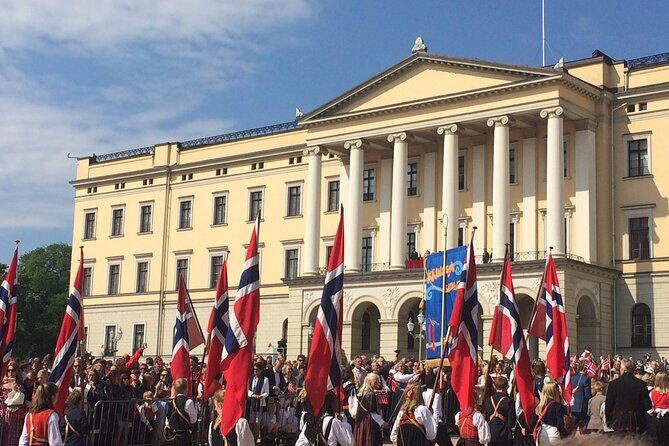
You’ll get a quick peek at the Royal Palace, along with context around Norway’s national day and other interesting events. Even if you don’t plan to tour the interior, this kind of explanation makes the place feel less random and more anchored in national culture.
Why I like this moment in the tour: the pace slows just enough to let you connect symbols (royalty, national rituals) to the modern city around them.
Practical tip: weather plays a big role outside palace fronts—wind and rain can turn a quick stop into a shivery one. Dress for the hour, not the forecast you hoped for.
Oslo City Hall (Rådhusplassen): the walk’s elegant closer
In the final stretch, you head to Oslo City Hall. This is described as a highlight and a real “finish strong” location. It’s also strategically placed: after two-plus hours on the move, you want a spot that feels like you arrived somewhere important.
Why it works as an end: you finish in central Oslo where your next step is easy—food, transit, and museum plans.
If the sky is clear, it’s an especially good moment for photos, since the plaza area gives you space to step back and take everything in.
Aker Brygge: ending with smart advice for museums and fjord time
The tour ends in the Aker Brygge district, and the guide gives practical tips for what to do next. You’ll get suggestions for visiting the National Museum, the Nobel Peace Center, restaurants, and Oslo fjord tours.
This is the part I value most on a walking tour: it turns “I saw things” into a plan for what you do next. Instead of wandering uncertainly, you know the best directions for your remaining hours.
Optional Vigeland Park extension: tram ride + sculpture insights
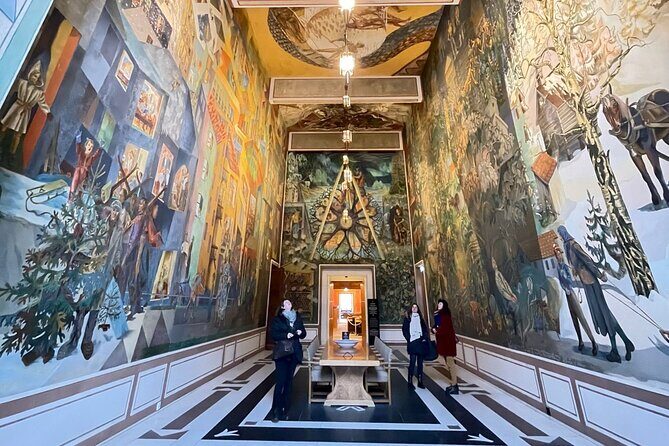
If you book the extension, you’ll add a trip toward Vigeland Park. Tram tickets are included if you choose that option, and the extension is a chance to do more than glance at Oslo’s major districts—you’ll get a focused look at the sculptural work.
What makes this extension worthwhile is how the guide frames the sculptures. The talk helps you understand what you’re looking at, instead of passing through the park like it’s just a photo stop. I also like the practical advice for timing your visit based on conditions.
Condition reality check: muddy in rain, icy in winter. The guide notes you may be able to get shoe spikes if conditions are uncertain—reach out in advance if you want that help. If you’re traveling with slick-soled shoes, plan for that ahead of time.
Walking comfort, timing, and weather in real Oslo terms
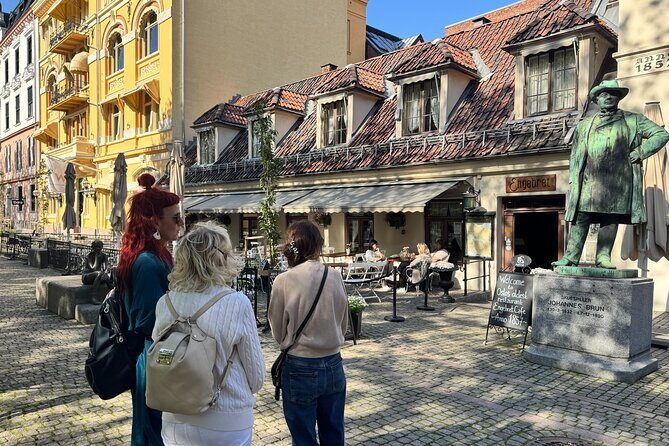
This tour is designed for most people who can walk at a reasonable speed. Still, you should be honest about your limits. It’s a long enough walk that your legs will feel it by the end, even with stops.
The route is mostly asphalt, which is easier on joints than lots of cobblestones. But there are those short rougher patches at the fortress, and Vigeland Park can be uneven or slippery depending on season.
Also bring weather-appropriate clothing. Oslo’s waterfront and open plazas mean you’ll feel wind more than you expect. If it’s raining heavily or icy, the guide’s approach matters—but you also need your own gear: a rain layer, and footwear that handles damp streets.
If service animals are part of your travel plans, this experience allows them.
My take: should you book this Oslo City Walk?
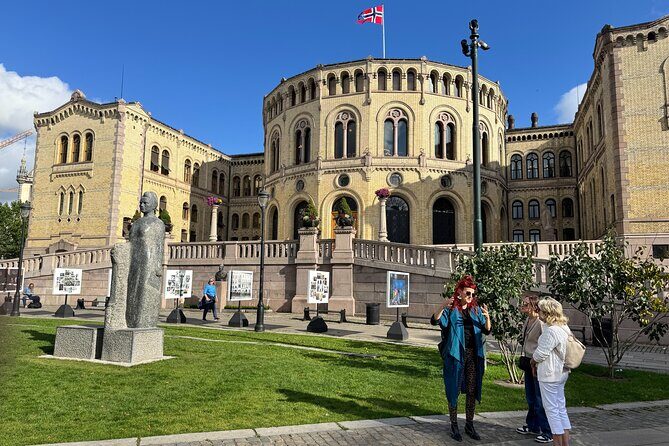
Book it if you want a guided Oslo overview that connects architecture, planning, and civic culture in a logical route. This is especially good for your first or second day in town when you need orientation without doing a heavy “tour bus” day. The combination of waterfront viewpoints, central streets, and the fortress outlook gives you variety without forcing you to jump between far-flung areas.
Consider skipping or adjusting if you dislike extended walking, or if you have trouble with uneven ground near Akershus. Also think carefully about the Vigeland Park extension if you’re traveling in winter conditions without good traction.
If you’re the kind of traveler who likes your landmarks with context—and you appreciate a guide with energy and clear storytelling—this Oslo walk is a smart value play for the time you have.
FAQ
How long does the Oslo City Walk last?
The tour runs about 2 hours 15 minutes to 3 hours 30 minutes, approximately.
Is the tour offered in English, and what group size should I expect?
It’s offered in English, and the tour has a maximum of 10 travelers.
What are the main stops on the walk?
You’ll see the Oslo Opera House, Langkaia, Kvadraturen, Akershus Castle and Fortress, Karl Johans Gate, the Norwegian Parliament area, the Royal Palace, Oslo City Hall, and you’ll end in the Aker Brygge district.
Are admission tickets included for the stops?
The stop locations listed are marked as admission ticket free.
What’s included for transportation if I add Vigeland Park?
If you book the Vigeland Park option, tram tickets are included for a quick tram ride to the park.
Is the tour in good weather only?
Yes. The experience requires good weather, and if it’s canceled due to poor weather, you’ll be offered a different date or a full refund.
Can I cancel for a full refund?
You can cancel for a full refund up to 24 hours before the experience starts. If you cancel less than 24 hours before, the amount paid is not refunded.