REVIEW · OSLO
Oslo : Private Walking Tour With A Guide ( Private Tour )
Book on Viator →Operated by Guydeez · Bookable on Viator
Oslo is best learned on foot. This private guided walk helps you see the central sights and also understand what’s worth your time in real life. Your guide designs the route around your interests, so it can feel like a plan with a friendly brain, not a checklist.
I love two things right away: you get hotel pickup in the city, and you’re not stuck with a fixed route. Guides I saw highlighted include Neil and Efe, both praised for tailoring the pace and turning history into stories you can actually follow.
One thing to consider: it’s a true walking tour. Expect steady movement for the whole time, and shorter options still cover a lot of ground, with longer days sometimes racking up 13,000 to 20,000 steps.
In This Review
- Key Highlights You’ll Care About
- A Private Guide in Oslo Turns Into Real Orientation Fast
- How Your Route Gets Designed (And Why It Usually Works)
- Meet at Your Hotel: The Small Detail That Saves Big Energy
- The Central Oslo Loop: Royal Palace, Parliament, Harborfront, and More
- Opera House Views and Public Buildings That Feel Like Landmarks
- Walking Pace: Great If You Like Movement, Tough If You Don’t
- Food, Shopping, and Museum Leads: What You Actually Do After
- Guide Quality Can Vary, So Ask for Fit
- Price and Value: What $62.75 Gets You in Oslo
- Who This Walking Tour Fits Best
- Should You Book This Oslo Private Walking Tour?
- FAQ
- How long is the Oslo private walking tour?
- How much does the tour cost?
- Is the tour customizable?
- Where does the tour start?
- Will the tour always end at the same place it starts?
- Is this tour in English?
- Are tickets to attractions included?
- Is local transportation included?
- What if I need a service animal?
- What is the cancellation policy?
- Is it suitable for most people?
Key Highlights You’ll Care About

- Hotel start makes the first hour easy: your guide meets you where you’re staying when you’re in Oslo.
- A route built around you: tell your priorities, and your guide adjusts the order and the stops.
- Core landmarks + strong orientation: you’ll get a practical sense of how central Oslo fits together.
- Food, shopping, and museum ideas included: you’re pointed toward places to eat and where to go next.
- Guide style matters, and it can be excellent: from Neil’s acting-like storytelling to Efe’s enthusiastic, conversational approach.
- Different lengths, different stamina: 2 hours can be brisk; longer tours can be long-walk days.
A Private Guide in Oslo Turns Into Real Orientation Fast
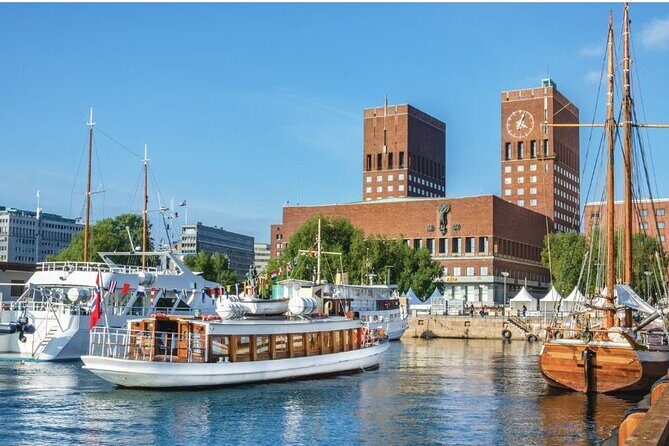
Oslo can be wonderfully straightforward once you get your bearings. A private walking tour is one of the quickest ways to do that because you start with a human who knows the streets, the rhythms, and what visitors usually miss.
For value, I like that the experience is customizable. You’re not just buying time with a guide; you’re buying a route that fits what you want—sights, architecture, viewpoints, shopping streets, or practical answers like how to get around without overthinking it. You’ll also get pointers on where to eat and what to save for later.
The private part matters too. You won’t be squeezed into a one-size-fits-all group pace. That’s a big reason people mention guides adapting smoothly to slower walkers and different interests, like Neil adjusting for mixed ages in a family group.
You can also read our reviews of more walking tours in Oslo



How Your Route Gets Designed (And Why It Usually Works)

You can expect your guide to shape the day based on what you say you want to do. The tour is flexible in both direction and pacing. In practice, that means you can steer toward the parts of Oslo that matter most to you.
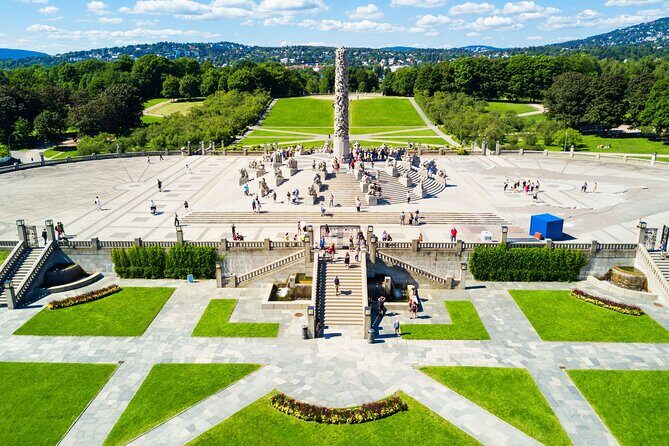
Common central priorities in this kind of Oslo walk include the Royal Palace area, Parliament, the harborfront zone, and city parks with sculptures. Some itineraries also include viewpoints such as the top view from the opera house area, plus stops around prominent public buildings like a library, and the castle area when time allows.
A smart move for you: decide your order of operations before you meet your guide. For example:
- If you’re here for a first look, prioritize landmarks and orientation.
- If you want photos, ask for viewpoint time early.
- If you care about culture, ask to see where museums and major institutions sit in relation to each other.
The best guides use conversation rather than a script. That came up repeatedly, including praise for Efe’s enthusiasm and for guides who answer questions without sounding like they memorized a lecture.
Meet at Your Hotel: The Small Detail That Saves Big Energy
This tour starts with meet-up at your accommodation if your hotel is located in Oslo. If you’re outside the city center, you’ll get a convenient meeting point in central Oslo instead. That reduces the hassle of figuring out where to be and when—especially helpful if you’re arriving from a cruise or train schedule.
This matters more than it sounds. The first hour of a city walk can be mentally tiring: navigating to the meeting point, figuring out directions, then trying to understand what you’re seeing. Starting where you sleep gives you a head start and lets your guide focus on the city, not logistics.
Your guide will also use that first block to help you get comfortable navigating afterward—routes, easy transit ideas, and what to do next. People liked that guides pointed out places to eat and shop, not just sights.
The Central Oslo Loop: Royal Palace, Parliament, Harborfront, and More
If you’re doing a shorter version (like 2 to 3 hours), you’ll usually focus on central Oslo highlights. The goal is a clean overview, with enough context that you can wander independently afterward.
In the classic core areas you’re likely to see:
- The Royal Palace zone and nearby civic buildings
- Parliament and the government area around it
- The harborfront and the water-edge streets
- Parks where sculptures are part of the walking experience
In reviews, people specifically call out those exact categories—palace, Parliament, harborfront, and sculpture-filled parks—along with “central sights in a few hours” type pacing. Even when different guides choose different routes, the theme is consistent: you get the city’s centerlines, then you’re free to expand.
Possible drawback: if you’re someone who wants a deep, layered story of Oslo’s long transformation, you may need to ask for it directly. One experience highlighted that a tour can sometimes feel similar to what you’d read in a pocket guide. The fix is simple: tell your guide you want “how this place changed over time” and ask for specific historical examples and references to maps or early imagery if that’s your style.
Opera House Views and Public Buildings That Feel Like Landmarks
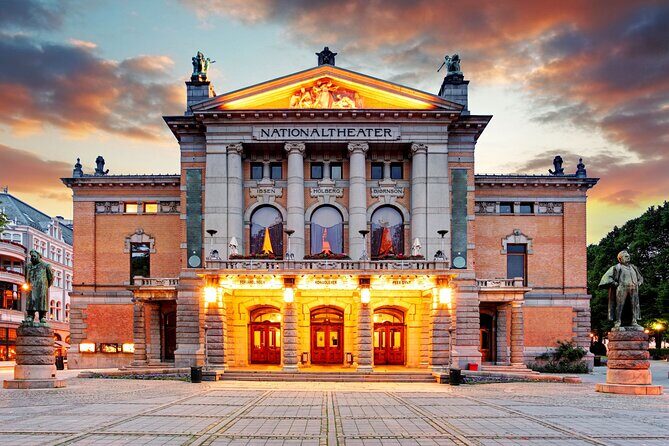
Some itineraries add memorable indoor/outdoor stops that help you “get” Oslo quickly. Two that came up in feedback are the opera house view and the library experience.
The opera house top view is a big one for first-timers because it gives you a perspective on how Oslo is laid out. You can see the city’s geometry—water, street lines, and how neighborhoods connect—without needing a separate activity.
The library (when included) also helps because it’s not just a pretty building; it’s part of how Oslo lives. It’s the kind of stop that turns the walk from sightseeing into understanding everyday city culture.
If you care about photo stops, ask your guide to plan them deliberately. One positive experience noted patience for taking photos and staying on schedule, which is exactly what you want when you’re trying to capture viewpoints without rushing.
You can also read our reviews of more guided tours in Oslo






Walking Pace: Great If You Like Movement, Tough If You Don’t
A walking tour in Oslo is no joke. Even shorter tours can rack up serious steps. People reported everything from “we saw a lot in 2 hours” to very high step counts like 13,000+ and even 20,000 steps on longer days.
So here’s the practical part: wear shoes you’d trust for a long city day. Bring water. If you’re traveling with seniors or anyone who tires easily, tell the guide at the start and keep repeating it if needed. Many guides are praised for adjusting to different walking speeds.
Also, know that “walking tour” means walking. One note described the route as continuous. That’s good for efficiency. It just means you won’t get long sitting breaks unless your guide builds them in.
If you want a lighter approach, ask about mixing in short transit when it’s practical. The tour itself doesn’t include local transport, but guides can recommend and route around it based on your comfort level.
Food, Shopping, and Museum Leads: What You Actually Do After
The best city walks don’t end at the last landmark—they set you up for the rest of your trip. This tour helps with that because guides are expected to point you toward:
- places to eat
- shopping areas and what’s worth your time
- museums and attractions to consider
- nearby “next stops” once the tour ends
Efe and Neil were praised for food and site recommendations beyond the walk. Another guide (Liga) was noted for showing shopping when requested. That’s a great reminder for you: if food and shopping are part of your travel goals, say it early. Your route is customizable, but you have to steer it.
One smart strategy: use the tour to discover 2 or 3 high-confidence options, then pick one that fits your mood later. You don’t want ten recommendations you can’t act on. A guide’s job is to give you a shortlist, and the best tours do exactly that.
Guide Quality Can Vary, So Ask for Fit
Because this is a private guide experience, the day’s success often comes down to the guide’s preparation and style. The overall rating is strong (4.6 from 56 reviews), and most comments praise guides who:
- answer questions clearly
- keep conversation natural, not rehearsed
- tailor the route
- tell stories that make buildings and streets feel meaningful
Specific examples from feedback include:
- Neil: friendly, flexible, and entertaining; one account even described him using acting talent for stories, plus great adaptation for slower walkers.
- Efe: personalized to interests, paced to match your rhythm, and offering food and site ideas outside the tour.
- Rodrigo: respected and friendly, answering questions while covering lots of ground.
There are also less-perfect experiences, including one where a guide arrived late and didn’t provide strong historical or architectural direction. If you want to reduce the odds of a disappointing fit, message your preferences clearly at booking time and ask your guide what you’ll see. If your guide can’t answer basic questions about the areas on the route, that’s a clue you should recalibrate the focus fast.
Price and Value: What $62.75 Gets You in Oslo
The price is $62.75 per person, and the duration ranges from about 2 to 8 hours. Whether that’s a bargain depends on how you plan to use it.
This tour includes:
- a private tour
- customization
- meet-up at your accommodation (if you’re in Oslo)
- a walking tour with your guide
It does not include:
- tickets to attractions
- personal expenses
- tips
- local city transportation (since it’s walking)
So the value equation is simple: you’re paying for an efficient, guided use of your time in Oslo. If you’re staying for a short period, you’re buying orientation plus “what to do next” without wasting time searching for good routes, neighborhoods, or food areas.
For longer stays, value improves too because guides can help you plan. People booked 4 to 6 hours and cram more in because the guide can adapt the sequence.
My practical advice: if you’re only in Oslo for a day or part of a day, lean toward 2 to 3 hours for orientation, then build your remaining time independently. If you want more depth and more neighborhoods, pick 4 to 6 hours and expect bigger walking stamina.
Who This Walking Tour Fits Best
This tour is a strong fit if:
- it’s your first time in Oslo and you want a fast overview
- you prefer walking and want an efficient route
- you like asking questions and getting local recommendations
- you want a guide to personalize stops for you
It also works well for cruise travelers and tight schedules, since some longer private days were planned around limited time windows with practical transit suggestions.
If you’re the type who expects a highly structured lecture-style tour, you’ll still get stories, but the best experiences mention guides keeping it conversational. If you want a specific angle like deep medieval roots, ask for it early so the guide can shape the narration.
Should You Book This Oslo Private Walking Tour?
Yes, I’d book it—especially if you want a first-day orientation that doesn’t feel like a rigid bus tour. The hotel meet-up, the customization, and the focus on practical local recommendations are the big wins.
Book it if:
- you like walking and can handle continuous movement
- you’ll use the tour to plan where you go next
- you want flexibility in the order of sights
Skip or reconsider if:
- you’re looking for a long, seated, museum-style day
- you only want strict landmark photos with no local context
- you don’t like walking and you’re not willing to adjust expectations for step counts
If you do book, send your priorities in advance. Then show up ready to ask good questions. That’s when a private guide adds the most value.
FAQ
How long is the Oslo private walking tour?
It runs approximately 2 to 8 hours, depending on the option you choose.
How much does the tour cost?
The price is $62.75 per person.
Is the tour customizable?
Yes. Your guide designs the itinerary based on your preferences.
Where does the tour start?
Your guide meets you at your hotel if it’s located in Oslo. If your hotel is outside the city, you’ll meet at a convenient central point.
Will the tour always end at the same place it starts?
Not necessarily. The tour may end at a different location unless you request otherwise in advance.
Is this tour in English?
Yes, it’s offered in English.
Are tickets to attractions included?
No. Tickets to attractions are not included.
Is local transportation included?
No. Since it’s a walking tour, local transportation around the city isn’t included.
What if I need a service animal?
Service animals are allowed.
What is the cancellation policy?
You can cancel for free up to 24 hours in advance for a full refund. Canceling later than that isn’t refunded.
Is it suitable for most people?
Most travelers can participate, and the tour is close to public transportation.